

We often think about the size and role of our internal organs, like our kidneys. These vital organs are shaped like beans and are key to filtering our blood. Knowing their size, weight, and where they are in our body helps us understand our health better.
Discover how big are kidneys? the average size, weight, and location of human kidneys. Our comprehensive guide explains the key details.
On average, a human kidney is about 10 to 12 centimeters long, 5 to 7 centimeters wide, and 3 to 5 centimeters thick. They sit in a special space in our back, hidden by our rib cage and muscles. At Liv Hospital, we give you accurate, doctor-approved info about your kidneys. We focus on you and your health.
Key Takeaways
- Kidneys are approximately 10 to 12 centimeters in length.
- They are located in the retroperitoneal space, protected by the rib cage.
- Understanding kidney size and location is key for health checks.
- Kidneys are vital for filtering blood and keeping our body balanced.
- Liv Hospital offers patient-focused info and care for kidney health.
Understanding Kidney Anatomy and Function
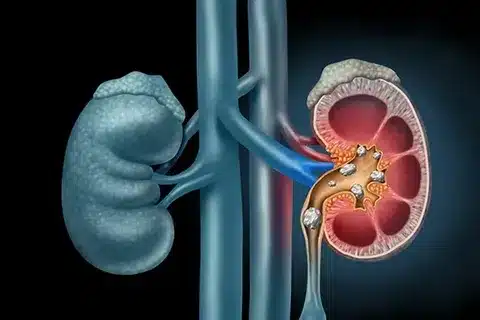
Kidneys are vital organs that filter blood and balance electrolytes. These tasks are key to our health and well-being.
The Role of Kidneys in the Body
Kidneys filter waste from blood, control blood pressure, and balance electrolytes. They also make hormones for red blood cells and calcium.
“The kidneys filter about 200 liters of blood daily,” medical experts say. This is a huge task for these organs.
Nephrons: The Functional Units of Filtration
Each kidney has about 1 million nephrons. These tiny units filter blood, removing waste and excess. This is how we get rid of unwanted substances.
Filtration in nephrons goes through several steps. It includes glomerular filtration, tubular reabsorption, and tubular secretion. This ensures our body’s fluid and electrolyte balance is just right.
Knowing about nephrons and their role is key to understanding kidney health. Damage to them can cause kidney diseases. So, it’s important to protect them and catch problems early.
How Big is a Kidney? Dimensions and Comparisons

The size of kidneys tells us a lot about their health. Knowing these measurements helps us understand our body’s inner workings.
Average Kidney Measurements in Centimeters
A healthy adult kidney is about 10 to 12 centimeters long. It’s 5 to 7 centimeters wide and 3 to 5 centimeters thick. Imagine a fist to get an idea of their size.
They are as long as a large apple or a small grapefruit. This makes them easier to picture.
Studies show the average kidney length is 11.2 centimeters. The left kidney is a bit bigger than the right. For more details, check out Ribbon Checkup.
Size Comparisons for Better Understanding
Kidneys are about 10 to 12 centimeters long. That’s like a ruler divided by four. This helps us see how small yet effective they are.
Differences Between Left and Right Kidneys
The left kidney is usually a bit bigger and longer than the right. This is because of their position and the space around them. Knowing these differences is key for kidney health.
In summary, knowing the average kidney size and the differences between them is important. For more on kidney health, visit the Ribbon Checkup blog.
Kidney Weight and Volume
Knowing the weight and volume of kidneys is key to understanding their role in our health. These details help us see how kidneys work normally. They are also important for spotting and understanding kidney problems.
Average Kidney Weight by Gender
Studies show that kidney weight differs between men and women. Men’s kidneys usually weigh between 125 to 175 grams. Women’s kidneys weigh between 115 to 155 grams. These numbers can change based on body size, age, and health.
Medical books say, “The normal kidney weighs between 125 and 175 grams in adult males, and between 115 and 155 grams in adult females” (
). This difference is important for doctors to know when checking kidney health.
Kidney Volume Measurements from Research Studies
Kidney volume is another key area of study for better understanding kidney health. Researchers use tools like ultrasound and MRI to measure kidney volume accurately.
A study in a well-known medical journal found that the average kidney volume for adults is about 150-200 milliliters. But, this can change with age, gender, and health.
Knowing these measurements is vital for diagnosing issues with kidney size. Doctors use these numbers to check kidney health and make the best care plans for patients.
Kidney Location and Protection in the Body
Our kidneys are in the retroperitoneal space, filtering waste from the blood. Knowing where they are and how they’re protected is key to understanding their role.
Retroperitoneal Positioning Along the Spine
The kidneys sit in the retroperitoneal space, between the peritoneum and the back wall. They’re on each side of the spine, from the 12th thoracic vertebra to the 3rd lumbar vertebra.
This spot gives them some protection. The rib cage also helps shield them from harm.
Natural Protection Mechanisms for the Kidneys
The kidneys have natural guards. They’re wrapped in perirenal fat, which cushions them. They’re also covered by Gerota’s fascia, keeping them in place.
The rib cage is another key protector. The lower ribs shield the kidneys’ upper parts. Back muscles add extra protection by covering the kidneys from behind.
| Protection Mechanism | Description |
|---|---|
| Perirenal Fat | Cushions the kidneys against shocks and provides insulation. |
| Gerota’s Fascia | A fibrous layer that envelops the kidneys and holds them in place. |
| Rib Cage | Provides a protective shield, specially for the upper parts of the kidneys. |
| Back Muscles | Offers extra protection by covering the kidneys from behind. |
Conclusion
Knowing how big human kidneys are is key to understanding their health role. We’ve seen that each kidney is about 12 centimeters long. They weigh between 80-160 grams in adults.
The kidneys are shaped like beans and sit in the back, one on each side of the spine. The left kidney is a bit higher than the right. The right kidney is below the diaphragm and behind the liver. The left kidney is also below the diaphragm but behind the spleen. For more details, check out the Wikipedia article on kidneys.
Knowing the average kidney size helps spot health problems early. Kidneys filter our blood and keep us healthy. Their location, protected by ribs and adrenal glands, helps them work well.
Understanding kidney size and weight highlights their importance. Regular health checks are essential to keep these vital organs working right.
FAQ
What is the average size of a human kidney?
Human kidneys are about 10-12 cm long. They are 5-6 cm wide and 3-4 cm thick.
How big are kidneys in comparison to everyday objects?
Kidneys are as big as a fist or a small apple. They are small but very important.
Are the left and right kidneys the same size?
The left kidney is usually a bit bigger than the right. But they are mostly the same size.
What is the average weight of a human kidney?
A kidney weighs about 125-170 grams for men. Women’s kidneys weigh 115-155 grams.
Where are the kidneys located in the body?
Kidneys are in the back, near the spine. The left one is a bit higher than the right.
How are the kidneys protected in the body?
Fat, muscles, and the lower ribs protect the kidneys. They help keep the kidneys safe.
How many kidneys do humans have?
Humans have two kidneys. One on each side of the spine. They work together to keep us healthy.
What is the function of nephrons within the kidneys?
Nephrons are tiny units in the kidneys. They filter blood, balance electrolytes, and keep acid levels right.
How does kidney size vary among individuals?
Kidney size can change with age, sex, and health. But big differences might mean there’s a health problem.
Reference
Evidence-Based Medical Insight https://www.ncbi.nlm.nih.gov/books/NBK482385



 Departments
 Related Videos
 Our Doctors
 News
News