


Cardiology specialist at Liv Hospital.
View doctor profile →



Recovering from a coronary stent procedure is an important step toward better heart health. One of the most common questions patients ask is, how long after stent can you drive? At Liv Hospital, we guide patients through every stage of recovery, helping them return to normal life safely and confidently.
In most cases, patients can start driving again about one week after getting a stent—if they are recovering well and haven’t experienced complications. However, how long after stent can you drive can vary, especially if the stent was placed following a heart attack. In such cases, your cardiologist may recommend waiting longer before resuming driving to ensure your heart is fully stable.
At Liv Hospital, our team focuses on providing clear advice, safety tips, and personalized recovery plans. Understanding how long after stent can you drive and when it’s safe to travel helps reduce risks and ensures a smoother return to daily life.
We’ll explore key recovery milestones, safety precautions, and signs to watch for so that you can feel confident and secure as you get back behind the wheel.
Key Takeaways
- Resuming driving is generally possible within a week after an elective stent placement.
- The recovery timeline may vary based on individual health circumstances.
- Guidelines for flying after a stent procedure depend on the patient’s overall health.
- Liv Hospital provides personalized care and guidance for a safe recovery.
- Understanding post-procedure precautions is key to a healthy recovery.
Understanding Coronary Stents and Their Impact on Daily Activities
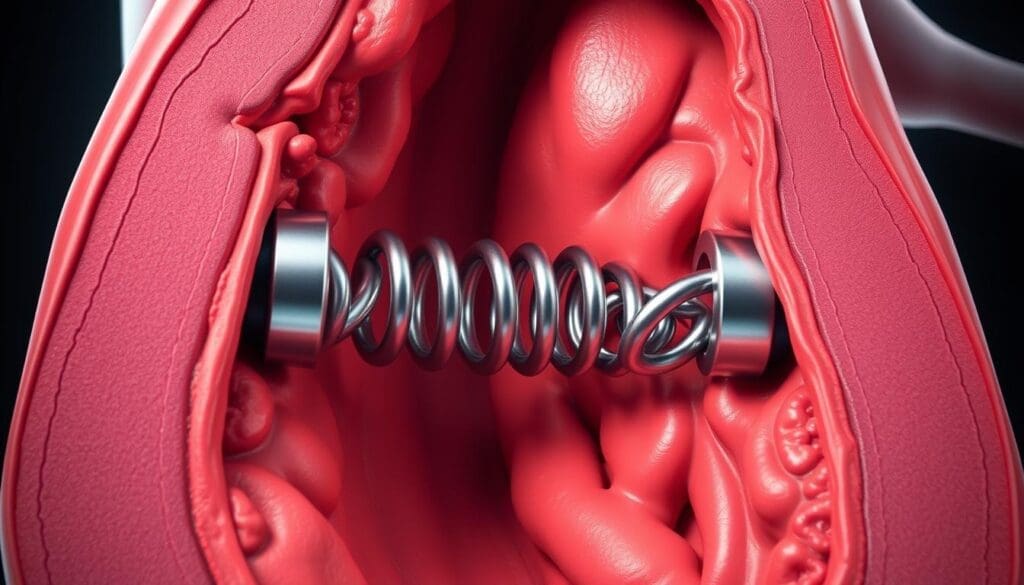
Getting a coronary stent is a big change. It means you need to know a lot about it. Coronary stents are small, mesh tubes that open up blocked arteries. They help blood flow to the heart.
It’s important to understand what coronary stents are and how they affect your body. This knowledge helps you recover well and get back to your daily life.
What is a Coronary Stent?
A coronary stent is a tiny, expandable tube made of metal mesh. It’s used to keep a coronary artery open. It’s often put in during a coronary angioplasty procedure, also known as percutaneous coronary intervention (PCI).
The stent improves blood flow to the heart muscle. It also reduces symptoms of coronary artery disease, like chest pain. Plus, it prevents heart attacks by keeping the arteries open.
Common Reasons for Stent Placement
Doctors recommend stent placement for several reasons. These include:
- Coronary artery disease: A condition where plaque builds up in the coronary arteries, narrowing or blocking them.
- Acute coronary syndrome: A condition that includes heart attack and unstable angina.
- Narrowed or blocked coronary arteries: Identified during diagnostic tests like angiography.
Knowing why you need a stent helps you understand your condition better. It also helps you know what steps to take for recovery.
How Stent Placement Affects Your Body
After a stent is placed, your body starts to heal around it. The stent keeps the artery open, improving blood flow. But the procedure and the stent can affect your body in different ways.
- Short-term: You might feel bruising or discomfort at the catheter site or feel tired.
- Long-term: The stent becomes a part of the artery wall. Most people can go back to their normal activities within a few days to a week.
When you can start driving or flying again depends on your doctor’s advice. It’s important to follow their instructions and go to follow-up appointments. This ensures a smooth recovery.
The Recovery Timeline After Stent Placement

Recovering from a stent placement takes time and depends on several factors. These include why you needed the stent and your overall health. Knowing what to expect during recovery helps you stay on track and follow important safety steps.
Immediate Post-Procedure Recovery
Right after the procedure, you’ll stay in the hospital for a few hours or overnight. Medical staff will watch for any complications and help with any pain or discomfort. Most people can go home the same day or the next, based on how they’re doing.
Feeling tired after a stent is common. This feeling usually goes away as you heal. It’s best to rest and avoid hard activities for the rest of the day.
First Week After Stent Placement
The first week is key to getting better. Most people can start doing normal, easy activities about a week after the procedure. But it’s important to listen to your doctor’s advice. Everyone recovers differently.
- Start to do more things gradually.
- Don’t lift heavy or bend a lot.
- Stick to your medication schedule.
Long-term Recovery Considerations
Long-term recovery means making healthy lifestyle choices. This includes eating well, exercising, and managing stress. If a heart attack led to the stent, you might not be able to drive for at least one to two weeks. This depends on how you’re doing and local rules.
Going to follow-up appointments with your doctor is also important. This helps your doctor keep track of your progress and answer any questions you have. It’s a big part of making sure you recover well.
How Long After a Stent Can You Drive?
Knowing when it’s safe to drive after getting a stent is important. It helps patients stay independent and keep up with their daily lives. The time it takes depends on the type of procedure and how well the patient recovers.
General Guidelines for Returning to Driving
Most doctors say to wait at least 1 week before driving after a stent. This is true for simple stent procedures.
Key Considerations:
- Physical condition and comfort while driving
- Medications that may affect driving ability
- Doctor’s recommendations based on individual health status
Factors That May Extend Your Waiting Period
If a stent is placed after a heart attack, waiting longer is often advised. This can be up to 4 weeks. Other reasons for a longer wait include complications during the procedure, heart muscle damage, or other serious health problems.
| Procedure Type | Recommended Waiting Period |
| Uncomplicated Stent Placement | At least 1 week |
| Stent After Heart Attack | Up to 4 weeks |
Signs You’re Ready to Drive Again
Before driving, patients should not have symptoms like chest pain or shortness of breath. They should also feel comfortable and able to drive without discomfort or distraction.
It’s very important to listen to your healthcare provider’s advice. They can give you personalized guidance based on your condition and how you’re recovering.
Driving After Elective vs. Emergency Stent Procedures
When you can start driving again after a stent depends on whether it was planned or an emergency. This is important because it changes how you recover and when you can go back to driving.
Returning to Driving After Planned Stent Placement
If you had a stent put in on purpose, you might get to drive sooner. You’re usually told to wait 24 to 48 hours before driving. This lets doctors check for any problems and makes sure you’re ready to drive safely.
While you’re on antiplatelet therapy, you might not be able to drive. Always listen to your doctor about when it’s okay to drive again. They know your situation best.
How Soon Can You Drive After a Heart Attack and Stent?
If you had a stent during an emergency, like after a heart attack, you’ll need to wait longer. The main thing is to make sure your heart is okay and you can drive safely.
Usually, you’re told not to drive for at least one week. This can change based on how serious your heart attack was and how you’re doing. Always get a doctor’s okay before you start driving again.
Legal and Insurance Considerations
Driving after a stent can also have legal and insurance issues. If you drive for work, you must tell your employer and might need extra tests before you can go back.
Here’s a quick guide on driving after a stent:
| Scenario | Typical Waiting Period | Additional Requirements |
| Elective Stent Placement | 24 to 48 hours | Doctor’s approval |
| Emergency Stent Placement (e.g., after a heart attack) | At least one week | Medical evaluation, possible longer restrictions |
| Occupational Drivers | Varies | Mandatory reporting, extra tests needed |
It’s important to follow these rules to stay safe and not risk others on the road. Always talk to your doctor about when you can start driving again.
Special Considerations for Occupational Drivers
Drivers who work for a living face special challenges after a stent procedure. They must follow strict rules to keep everyone safe. This includes truck drivers and bus operators, who need to think about more than just their health.
Commercial Driver Requirements
Commercial drivers must follow rules from the Department of Transportation (DOT) in the U. S. These rules check if drivers are healthy enough to work. After a stent, drivers need a medical check by a DOT-certified doctor.
Key requirements include:
- Drivers must share their medical records from the stent and any treatment after.
- They need a full medical check to see if they’re fit to drive.
- They must meet rules about their medicines, like blood thinners.
Reporting Requirements and Medical Certifications
Drivers must tell the right people about their health and any changes. They need medical certificates to show they can drive. Getting this certificate means:
- A detailed check-up by a certified doctor.
- Sharing medical records and test results.
- Regular check-ups to keep an eye on their health.
These rules are not just to follow the law. They help keep drivers and everyone else safe on the road.
Return-to-Work Testing and Evaluations
Before going back to work, drivers might need more tests. These can include:
- Stress tests to check the heart’s health.
- Tests to see if they can drive safely.
- Checks on their medicines to make sure they don’t affect driving.
By following these steps and getting the right checks, drivers can go back to work safely. This keeps them healthy and protects everyone on the road.
Air Travel After Coronary Stent Placement
How soon you can fly after getting a coronary stent depends on several things. These include how complex the procedure was and your overall health. Generally, flying is safe a few days to a couple of weeks later. But it’s very important to follow certain guidelines to avoid risks.
How Long After Stents Can You Fly?
If your stent procedure was simple, you might fly in 2-7 days. But this time can change based on your health and what your doctor says.
When thinking about flying after a stent, several things matter. These include:
- The type of stent used
- Any complications during or after the procedure
- Your heart health
- Any other health issues that might affect travel
Flying After Uncomplicated Stent Procedures
If your stent procedure was simple, recovery is usually easy. Air travel can usually be resumed within a few days. But, you must:
- Talk to your healthcare provider
- Make sure you don’t have symptoms like chest pain or shortness of breath
- Know your medication schedule and plan for travel
Air Travel Following Heart Attack and Stenting
If you had a heart attack and stenting, you need more time to recover before flying. It’s best to wait at least 1-2 weeks. This gives your body time to heal and lowers the risk of problems during travel.
To show the guidelines for flying after a coronary stent, here’s a table:
| Procedure Type | Recommended Waiting Period | Key Considerations |
| Uncomplicated Stent Placement | 2-7 days | Consult a healthcare provider, monitor symptoms |
| Heart Attack with Stenting | 1-2 weeks | Extended recovery, thorough health assessment |
In conclusion, flying after a coronary stent needs careful thought. But by following the recommended guidelines, you can ensure a safe and healthy trip. Always talk to your healthcare provider before planning your travel.
Understanding PCI vs. Stent: What’s the Difference?
Percutaneous coronary intervention (PCI) and stent placement are two treatments for coronary artery disease. They have different roles. We’ll explain the differences and similarities to help patients understand their options.
Defining Percutaneous Coronary Intervention (PCI)
PCI is a non-surgical way to open blocked heart arteries. It uses a thin tube to inflate a balloon. This clears the blockage and improves blood flow. PCI includes techniques like balloon angioplasty and stenting. It’s done in a lab and is a minimally invasive treatment.
Coronary Angioplasty vs. Stenting
Coronary angioplasty, or balloon angioplasty, is part of PCI. It uses a balloon to widen the artery. Stenting places a mesh-like device to keep the artery open after angioplasty. Whether to use angioplasty alone or stenting depends on the patient’s condition and the blockage.
Types of Stents and Their Recovery Implications
There are bare-metal stents (BMS) and drug-eluting stents (DES). BMS are metal and mechanically keep the artery open. DES releases medication to prevent the artery from narrowing again. The type of stent affects recovery, with DES needing longer antiplatelet therapy. Knowing the stent type is key to managing care and avoiding complications.
Physical Activity Restrictions After Stent Placement
Knowing when to start physical activity after a stent is key to a good recovery. After a stent is put in, patients should slowly get back to their usual activities. They should avoid hard exercises at first.
Gradual Return to Daily Activities
Most people can go back to normal activities in a few days to a week after the stent procedure. But it’s important to do it slowly to avoid problems.
- Start with light activities such as walking or gentle stretching.
- Avoid heavy lifting, bending, or strenuous exercises for at least a week.
- Gradually increase the intensity and duration of activities based on your healthcare provider’s advice.
Exercise Guidelines Following Stent Procedures
Exercise is important for recovery after a stent. But it’s important to follow certain rules to stay safe.
- Begin with low-impact exercises like brisk walking, cycling, or swimming.
- Avoid high-intensity exercises or those that involve heavy lifting or bending.
- Consult your healthcare provider before starting any new exercise regimen.
Recommended Exercise Duration: Start with short sessions (10-15 minutes). Then, increase to 30 minutes or more as your healthcare provider advises.
Managing Fatigue After Stent Placement
Fatigue is common after a stent. It’s important to manage it well to get back to normal activities.
- Rest when needed, but avoid prolonged bed rest.
- Maintain a balanced diet rich in nutrients to support your recovery.
- Stay hydrated by drinking plenty of water.
By following these tips and talking to your healthcare provider, you can handle fatigue. This way, you can safely get back to your daily activities.
Medical Clearance and Follow-Up Requirements
Recovering from a stent placement is more than just the procedure. It also includes follow-up care and getting medical clearance. The recovery process touches on many aspects of your health and daily life.
The Importance of Post-Procedure Appointments
After a stent placement, follow-up visits are key. They help monitor your recovery and catch any early complications. Your healthcare provider can check if the stent is working correctly and adjust your treatment if needed.
“Regular follow-up is essential to ensure that the stent is working properly and that you’re healing as expected,” says Medical Expert, a cardiologist with over 20 years of experience.
At these visits, your team might do tests like ECGs and stress tests. They’ll also review your meds, give advice on lifestyle changes, and answer your questions about recovery.
When to Seek Medical Clearance for Driving and Flying
Before you start driving or flying again, you need medical clearance. The timing depends on how well you’re recovering and the details of your stent placement.
For driving, wait until your doctor says it’s okay, usually a few days to a week after a simple stent placement. But this time might be longer if you had a heart attack or complications.
For flying, the American Heart Association says you can usually fly a few days after a simple stent placement. But always get your doctor’s okay, even more so if you’ve had recent heart issues.
Documentation You May Need for Travel
When you travel by air after a stent placement, carry important documents. These include a doctor’s letter about your condition and treatment, recent ECG or test results, and a list of your medications.
Having these documents can help in emergencies or if you need to share medical info while traveling. “It’s always better to be prepared,” says Medical Expert, a cardiovascular medicine specialist. “Carrying the right documents can make a big difference in getting the right care if needed while traveling.”
In summary, getting medical clearance and following up are key parts of recovering from a stent placement. By going to scheduled appointments and getting the right clearances, you can safely and smoothly return to your usual activities.
International Travel Considerations After Stent Placement
Traveling internationally after getting a stent needs careful planning. You must consider several factors to stay safe and comfortable while abroad.
Planning for Medication Needs While Traveling
Managing your medication is key when traveling with a stent. Make sure to pack enough medication for your trip and extra in case of delays. Carry your meds in their original packaging, along with a copy of your prescription and a doctor’s letter.
Adjust your medication schedule if you cross time zones. Ask your doctor how to manage your meds while traveling.
Insurance and Emergency Care Abroad
Knowing your insurance coverage is important when traveling with a stent. Check if your insurance works abroad and what it covers. You might need to buy extra travel insurance for medical care.
Find out where to get help in case of an emergency. Look up local healthcare options and register with your embassy or consulate. Keep important phone numbers handy, like your emergency contact and insurance.
“Travel insurance that covers medical emergencies can provide peace of mind and financial protection while traveling abroad.”
Airport Security and Your Stent
People with stents might worry about airport security scanners. The TSA says their devices are safe for those with medical implants like stents. Tell security about your stent before scanning.
Carry a doctor’s card or letter to explain your stent. Be ready to share info about your stent and any other medical devices.
Plan well for your meds, insurance, and airport security. This way, you can have a safe and enjoyable trip after getting a stent.
Conclusion: Resuming Normal Life After a Coronary Stent
Getting back to normal after a coronary stent is a big step. With the right care and following advice, people can get back to their daily lives. Most can start their usual activities soon after the procedure.
We’ve covered the key rules for driving and flying after getting a stent. It’s all about getting medical okay and keeping up with doctor visits. Following these steps helps ensure a smooth recovery and getting back to normal.
Living a healthy life after a stent means eating well, exercising, and managing stress. These habits help keep the heart healthy and lower the chance of future heart problems.
FAQ
How soon can I drive after having a stent placed?
Usually, you can drive again in about a week after getting a stent if you recover well. But this time can change based on your health and whether you have had a heart attack.
Can I fly after having a stent fitted?
Flying after a stent depends on your health and why you got the stent. If it were for a simple reason, you might fly for a few days to a week.
What is the difference between PCI and stent placement?
PCI stands for Percutaneous Coronary Intervention. It includes procedures like angioplasty and stenting to open blocked arteries. Stent placement is a part of PCI where a small tube is put in the artery to keep it open.
How long after a stent can I resume normal activities?
Recovery time after a stent varies, but most people can get back to normal in a few days to a week. Always follow your doctor’s advice.
Are there any specific considerations for occupational drivers after a stent procedure?
Yes, drivers have special rules to follow. This includes meeting commercial driver standards, reporting, and getting a doctor’s okay to return to work for safety.
How do I manage fatigue after stent placement?
To fight fatigue, rest well, start with light exercise, and eat healthily. Your doctor will give you specific tips to follow.
What are the implications of airport security screening for patients with a stent?
Tell airport security about your stent. Stents are usually safe in scanners, but be ready to show proof or extra info if needed.
Can I travel internationally after having a stent placed?
Yes, but plan carefully. Think about your meds, insurance, and emergency care abroad. Always check with your doctor first.
What are the guidelines for exercising after a stent procedure?
Start with gentle exercises and avoid heavy lifting or hard activities. Your doctor will tell you when to start and how long to wait.
How soon can I fly after a heart attack and stent placement?
Flying after a heart attack and stent depends on your health and situation. Your doctor will tell you when it’s safe to fly.
References
- Rassaf, T., Steiner, S., & Kelm, M. (2013). Postoperative care and follow-up after coronary stenting. Dtsch Ärztebl International, 110 (5), 72-82. https://www.ncbi.nlm.nih.gov/pmc/articles/PMC3576602/
- Shroff, A., Gilchrist, I., Caputo, R., Bertrand, M., & Pancholy, S. (2016). Same-day discharge after percutaneous coronary intervention. JAMA Cardiology, 1 (3), e160141.https://jamanetwork.com/journals/jamacardiology/fullarticle/2506675


