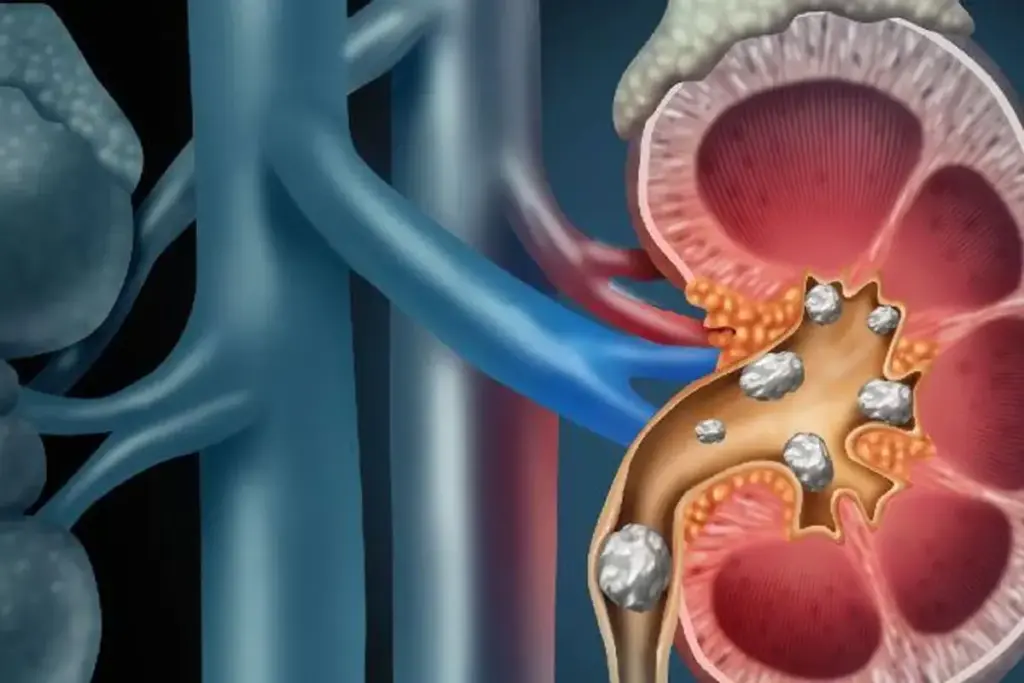
Dealing with kidney stones is painful and stressful. The time it takes for kidney stones to pass and the pain they cause can change a lot. This depends on the stone’s size and where it is in the urinary tract.
Discover how long do kidney stones last and why does the pain come and goe. Our guide explains the duration based on stone size and offers insights into the intermittent nature of renal colic.
The kidney stone pain can be hard to predict. Stones form when urine gets too concentrated, letting crystals grow. But, the real pain starts when the stone moves into the ureter.
At Liv Hospital, we focus on caring for our patients with kindness and knowledge. We aim to make the journey with kidney stones easier and less painful. By understanding what affects how long stones last, we can help you better.
Key Takeaways
- The duration of kidney stones varies based on size and location.
- Small stones typically pass naturally within 31 days.
- Medium stones may require up to 45 days to pass.
- Larger stones may require surgical intervention or take up to a year to pass.
- Proper medical guidance and hydration strategies can help manage kidney stone pain.
How Long Do Kidney Stones Last?
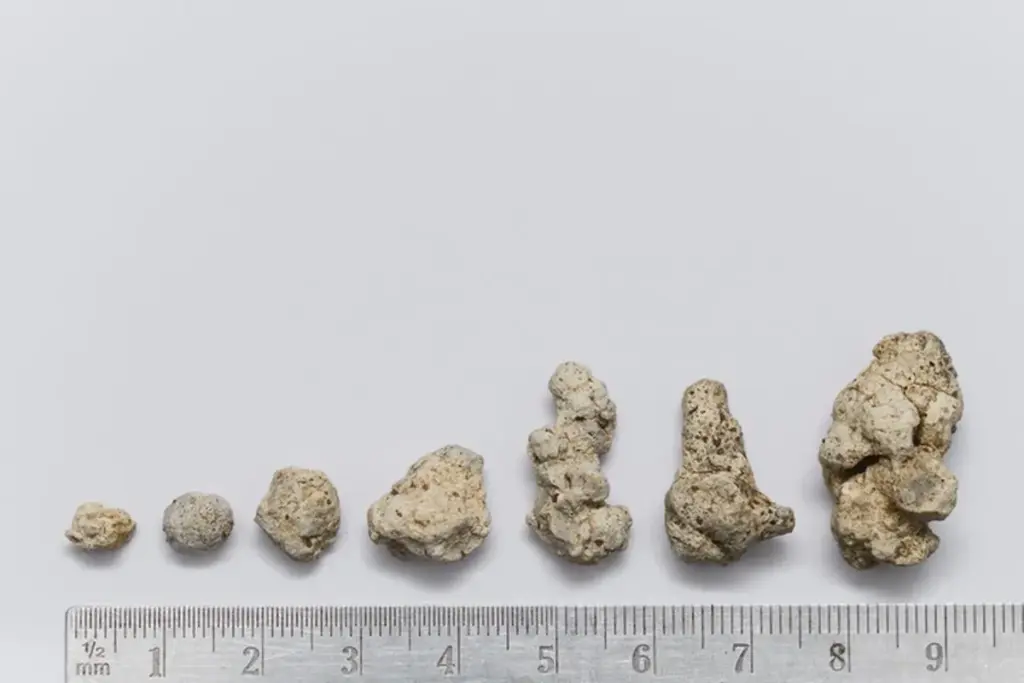
Knowing how long kidney stones last is key to managing symptoms and treatment plans. Kidney stones are hard deposits made of minerals and salts. They form inside the kidneys. The time it takes for them to pass depends on their size and what they’re made of.
Understanding Kidney Stone Basics
Kidney stones are classified by their makeup, including calcium oxalate, uric acid, and cystine stones. The size of the stone is very important. Stones under 4mm often pass on their own. But bigger stones might need medical help.
Duration Based on Stone Size
The size of the stone greatly affects how long it lasts. Here’s a look at how long it might take for a stone to pass based on its size:
| Stone Size (mm) | Expected Duration to Pass |
|---|---|
| Less than 4mm | Typically within 31 days |
| 4-6mm | Average of 45 days, may vary |
| Larger than 6mm | May take up to a year or more, often requires medical intervention |
Seeing a healthcare professional is vital to find the right treatment. They can guide you based on your stone’s size and type. This knowledge helps you understand your treatment options and what to expect.
Why Does Kidney Stone Pain Come and Go?
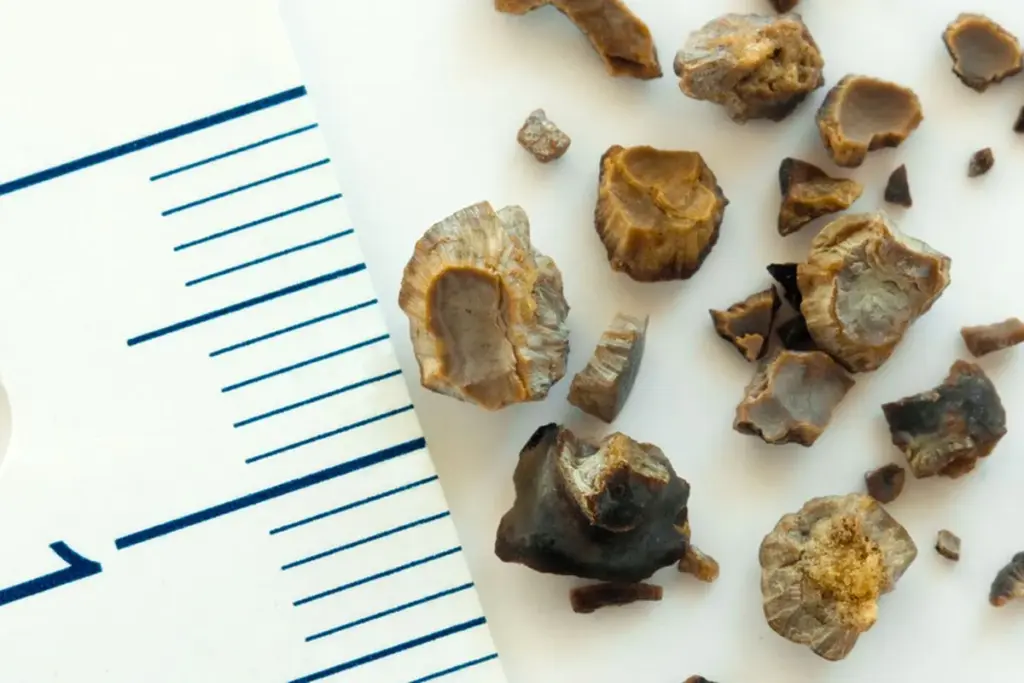
Kidney stone pain, or renal colic, is known for its sharp and changing nature. It happens when a stone blocks urine flow in the ureter. This causes pain that can be mild or very severe.
The Mechanism of Renal Colic
Renal colic is caused by a blockage in urine flow due to a kidney stone. When a stone blocks the ureter, urine builds up behind it. This buildup stretches and spasms the ureter, causing pain.
The pain from renal colic is often sharp and stabbing. It starts in the flank or lower back and can spread to the abdomen and groin. The pain’s intensity can change as the stone moves or the blockage is relieved.
Factors Affecting Intermittent Pain Patterns
Several things make kidney stone pain come and go. The stone’s movement is a big factor; it can make the pain worse or better. Also, changes in urine flow and pressure in the ureter can change the pain pattern.
Key factors influencing intermittent pain include:
- The size and location of the stone
- The degree of ureteral obstruction
- Changes in urine production and flow
- The presence of any underlying urinary tract conditions
Understanding these factors is key to managing kidney stone pain. By knowing what causes the pain to come and go, patients can better handle their symptoms. They can also work with their healthcare providers to create a good treatment plan.
Conclusion: Managing Kidney Stone Symptoms
Managing kidney stone symptoms needs a full plan. This includes knowing your condition, drinking lots of water, and following doctor’s advice. Drinking water helps ease pain and helps the stone pass naturally. For kidney stone pain relief, doctors might use pain meds or surgery.
To handle kidney stone symptoms well, listen to your doctor. Taking early steps can make you feel better and help the stone pass. Knowing what to expect, like how to pass a kidney stone, makes the journey easier.
Kidney stone pain can change, sometimes getting very bad. If pain is severe or you have other bad symptoms, see a doctor fast. Working with your doctor and staying informed helps manage symptoms and avoid problems.
FAQ
Can kidney stone pain come and go?
Yes, kidney stone pain can be on and off. This happens as the stone moves in the urinary tract. The changing position of the stone can cause different levels of pain and irritation.
What does kidney stone pain feel like?
Kidney stone pain feels sharp, cramping, or stabbing. It usually starts in the back, side, or lower abdomen. It can also spread to the groin area. You might also feel nausea, vomiting, and need to urinate often.
How long do kidney stones last?
Kidney stones can last from a few days to several months. This depends on the stone’s size and where it is. Small stones might pass quickly, while bigger ones take longer.
Does kidney stone pain come on suddenly?
Yes, kidney stone pain can start suddenly. This is because the stone moves quickly in the urinary tract. This sudden movement can make the pain worse fast.
What does the beginning of a kidney stone feel like?
At first, a kidney stone might feel like a mild discomfort or a dull ache. This pain can grow as the stone gets bigger or moves.
Why does kidney stone pain come and go?
Kidney stone pain changes because the stone moves in the urinary tract. This movement can cause different levels of pain and irritation. As the stone moves, the pain can get better or worse, leading to on-and-off pain.
Does it hurt to pee with kidney stones?
Yes, passing a kidney stone can hurt. The stone irritates the urinary tract lining, causing painful urination. You might feel a burning sensation or pain while you pee.
What does passing a kidney stones feel like?
Passing a kidney stone is painful and uncomfortable. It often feels like a relief when the stone is expelled from the body.
Reference:
Evidence-Based Medical Insight https://www.ncbi.nlm.nih.gov/books/NBK348937