Stem cell therapy is becoming a key treatment for many health issues. Studies show its benefits can last for years. A study in a top medical journal found that patients saw significant improvements. These benefits lasted up to 5 years or more.
Stem cell therapy is getting more attention in medicine. People want to know how long these cells stay active in our bodies. As research grows, understanding how long stem cells work is key.
Key Takeaways
- Stem cell therapy has shown promising results in treating various medical conditions.
- The benefits of stem cell therapy can last for several years.
- Research is ongoing to understand the longevity of stem cells in the human body.
- Stem cells have the power to change how we treat diseases.
- The success of stem cell therapy can vary from person to person.
Understanding Stem Cells and Their Role in the Body
Stem cells are special cells that can turn into different types of cells. They are key in regenerative medicine. These cells are not yet specific to one type and can make more of themselves.
Having stem cells in our bodies helps keep tissues healthy and fixes damaged ones. Progenitor cells, a type of stem cell, can turn into several cell types. Knowing about these cells allows us see how our bodies heal and grow.
What Are Stem Cells and Progenitor Cells?
Stem cells can become many types of cells and can make more of themselves. Progenitor cells, derived from stem cells, can differentiate into various kinds of cells. They are essential for growing and keeping tissues healthy.
Different Types of Stem Cells
There are many kinds of stem cells. Embryonic stem cells come from embryos and can turn into any cell. Adult stem cells, or somatic stem cells, are in adult tissues and can turn into fewer types of cells. Induced pluripotent stem cells (iPSCs) are made from adult cells that can turn into many kinds of cells.
Each stem cell type has its special traits and uses in regenerative medicine. Understanding these differences is crucial for effective stem cell use in healing.
The Natural Lifespan of Various Stem Cell Types
Understanding the lifespan of different stem cells is crucial for their effective use in healing. Stem cells, including multipotent cells, adult cells, embryonic cells, and iPSCs (induced pluripotent stem cells), exhibit varying lifespans and multiplication patterns.
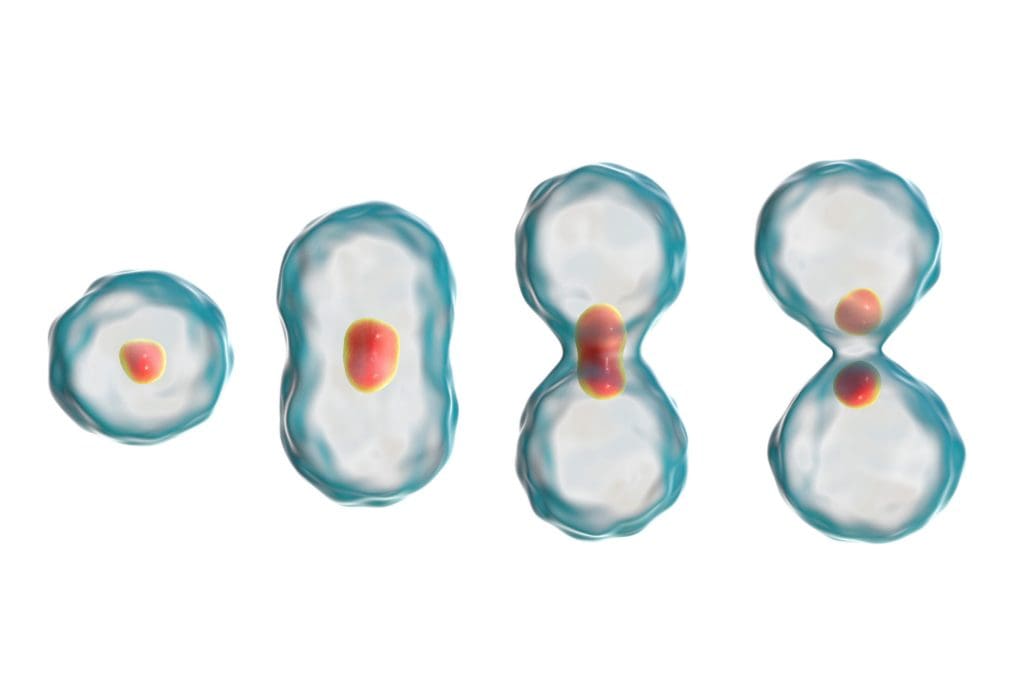
Cellular Lifespan Differences Between Stem Cell Types
Stem cells have lifespans that vary a lot. For example:
- Embryonic stem cells live for a short time but can multiply a lot.
- Adult stem cells, such as mesenchymal stem cells, can remain viable for longer periods.
- iPSCs can be made endlessly because they can be reprogrammed.
How Regenerative Cells Replicate and Renew
Regenerative cells, like stem cells, grow and replace themselves through complex steps. Essential things that affect how they multiply include:
- Telomere length and telomerase activity.
- Epigenetic regulation and gene expression.
- Environmental cues and cellular stress responses.
Grasping these processes is vital for making stem cell treatments better.
Factors Affecting Stem Cell Longevity in the Body
Many factors influence the lifespan of stem cells in our bodies. The life span of therapeutic cells, like hematopoietic cells and mesenchymal cells, depends on several factors.
Both our body’s inside and outside environments matter for stem cell health. Understanding these factors helps improve stem cell treatments.
Age-Related Factors
As we age, our stem cells become less effective. This makes it harder for our bodies to fix and grow new tissues. Age-related changes can make stem cells less effective and fewer in number.
Health and Lifestyle Influences
Our lifestyle and health greatly affect the stem cell life span. What we eat, how much we exercise, and the toxins we’re exposed to can help or harm donor cells and our stem cells. Living a healthy life can make these cells last longer and work better.
Genetic and Environmental Factors
Our genes and the world around us also matter for stem cell longevity. Genes can influence how cells handle stress and damage. Environmental factors, like radiation or chemicals, can harm cell health. Understanding these factors is crucial for improving the effectiveness of stem cell treatments.
By looking at these factors, scientists and doctors can improve stem cell treatments. This can lead to better results for patients.
How Long Does Stem Cell Therapy Last?
Stem cell therapy is growing, and understanding its longevity is key. The time it lasts can change a lot. This depends on the treatment, the person receiving it, and the specific health issue being addressed.
Duration of Therapeutic Effects by Treatment Type
The effectiveness of stem cell therapy can vary. For example, mesenchymal stem cells can last months to years. This is based on studies.
The kind of treatment you get affects how long it lasts. The way host cells and graft cells work together is also essential.
Variability in Treatment Longevity
Many things can change how long treatment lasts. These include the patient’s age, health, and lifestyle. The body’s reaction to the cells also plays a significant role.
Examining different stem cell treatments reveals that their effectiveness can vary over time. This depends on where the stem cells come from, how they are given, and the health issue being treated.
| Therapy Type | Typical Duration | Factors Influencing Longevity |
| Mesenchymal Stem Cell Therapy | Several months to a few years | Immune response, cell survival |
| Hematopoietic Stem Cell Transplantation | Long-term, potentially lifelong | Graft-versus-host disease, cell engraftment |
| Induced Pluripotent Stem Cell Therapy | Varies, under research | Cell differentiation, tumor formation risk |
Comparing Different Therapeutic Applications
Stem cell therapy works in different ways for different health issues. For example, hematopoietic stem cell transplantation can provide long-term benefits. But other treatments might not last as long.
It’s essential to know the differences between stem cell therapies. This helps make better choices about treatment.
Stem Cell Transplantation and Cellular Engraftment
After stem cell transplantation, how well the cells stick and last is key. This success depends on how well the cells integrate into the host tissue and remain viable.
The Process of Graft Cell Integration
Getting graft cells to stick in the host tissue is complex. Stem cells must travel through the blood, avoid the immune system, and find their way to the right places. How well they do this affects the treatment’s success.
Donor Cells vs. Host Cells: Survival Rates
Donor cells’ survival rates differ from host cells’ due to many factors. These include the stem cell source, the immune response, and the prep work before transplant. Research shows that donor cell survival and sticking are key to stem cell therapy’s long-term success.
| Cell Type | Survival Rate | Engraftment Rate |
| Hematopoietic Stem Cells | 70-80% | 60-70% |
| Mesenchymal Stem Cells | 50-60% | 40-50% |
Immune Cell Interactions and Longevity
The battle between transplanted cells and the host’s immune system is vital. If the immune system rejects the cells, it can harm their survival and effectiveness. To help, doctors use treatments to calm the immune system, aiming to keep the cells alive and working well.
Grasping these interactions is key to better stem cell transplant results. It ensures the therapy’s long-term benefits.
Hematopoietic and Mesenchymal Stem Cells: Lifespan Differences
It’s essential to know how long hematopoietic and mesenchymal stem cells live. Hematopoietic stem cells make blood cells. Mesenchymal stem cells help make connective tissue.
Bone Marrow Transplants and Cell Persistence
Bone marrow transplants move hematopoietic stem cells into a patient’s bone marrow. These cells can stay for years, helping make blood. How long they last depends on the patient’s immune system and health.
| Cell Type | Average Lifespan | Factors Influencing Lifespan |
| Hematopoietic Stem Cells | Several years to a lifetime | Immune response, underlying diseases |
| Mesenchymal Stem Cells | Variable, often shorter | Tissue environment, cellular stress |
Tissue-Specific Retention of Mesenchymal Cells
Mesenchymal stem cells stay longer in some tissues than others. For example, those in bone might live longer than those in stressed areas.
Monitoring Therapeutic Cells Over Time
It’s key to watch how long therapeutic cells last. This includes hematopoietic and mesenchymal stem cells. Imaging and molecular tracking help see how well these cells work over time.
iPSCs and Embryonic Stem Cells: Duration in the Body
It’s important to understand the lifespan of iPSCs and embryonic stem cells within the body. This helps us see if they can really help us. These cells can turn into many different types of cells. This makes them great for fixing damaged tissues.
Induced Pluripotent Stem Cells (iPSCs) Longevity
iPSCs are derived from adult cells that have been transformed into stem cells. How long they last in the body depends on how they are given and where they go. Research shows they can stick around for a long time. This could mean they could help us for a long time too.
The good things about iPSCs are:
- Less chance of being rejected by the immune system because they come from the patient.
- They can turn into many different cell types.
- They might help us for a long time because they can fit into tissues.
Comparing Somatic and Embryonic Cell Persistence
Embryonic stem cells come from very early embryos. They last longer in the body than adult cells. Both can help fix damaged tissues, but they do it in different ways.
Some main differences are:
- Different types of cells they can become: Embryonic stem cells can become more types of cells than adult cells.
- How long they survive: The body’s immune response determines how long they last.
- How well they fit into tissues: How well they blend into tissues affects how long they last.
Knowing these differences helps scientists make better treatments. They can use both iPSCs and embryonic stem cells to help us.
Enhancing Stem Cell Longevity and Effectiveness
Scientists are working hard to make stem cells last longer and work better in our bodies. They use many ways, such as medicine, lifestyle changes, and new technology. This helps stem cells do their job of fixing and growing new cells.
Medical Approaches to Extend Cellular Lifespan
Researchers are looking for ways to make therapeutic cells live longer and work better. They aim to facilitate the integration of donor cells with host cells. This means finding ways to help the body accept donor cells without fighting them.
Lifestyle Factors That Support Precursor Cell Health
How we live affects our precursor cells. Eating right, staying active, and avoiding bad stuff helps our stem cells. A diet rich in beneficial nutrients, such as antioxidants, helps our stem cells stay strong.
Future Developments in Stem Cell Persistence
The future of stem cell therapy looks bright. Scientists are working on making therapeutic cells last longer and work better. New technology and a better understanding of how our immune system works will help a lot. Here’s a look at what’s happening now and what’s coming next.
| Approach | Current Status | Future Directions |
| Cellular Therapy | Improving health outcomes through stem cell transplantation | Enhanced engraftment techniques and personalized medicine |
| Lifestyle Interventions | Promoting general health through diet and exercise | Tailored lifestyle programs to support stem cell health |
| Immunomodulation | Managing immune responses to donor cells | Advanced immunotherapies to improve donor cell acceptance |
Conclusion: The Future of Stem Cell Therapies and Longevity
The life span of stem cells in our bodies is complex. Many factors affect how long these cells live. This impacts their ability to help our bodies heal and grow.
Studies have found that the lifespan of stem cells is key to their success in treatments. Knowing more about their life span and what affects it is vital. It helps make treatments better.
As we learn more, stem cell treatments could significantly improve our health. By studying graft cells and somatic cells, we can find new ways to use them. This will make treatments more effective.
Stem cell therapies could change how we treat many diseases. Ongoing research will help us understand their long-term benefits and challenges.
FAQ
What are stem cells, and how do they work?
Stem cells can turn into different types of cells in our body. They help in growth, repair, and the making of new tissues. There are many kinds of stem cells, like those from embryos, adults, and induced pluripotent stem cells (iPSCs).
How long do stem cells stay in the body after transplantation?
The lifespan of stem cells in the body changes. It depends on the type of stem cells, the health issue being treated, and personal factors. Some stem cells might stay for a short time, while others can last longer.
What factors affect the longevity of stem cells in the body?
Many things can affect how long stem cells last in the body. Age, health, lifestyle, genes, and environment play a role. For example, older people might have stem cells that don’t last as long.
How do hematopoietic and mesenchymal stem cells differ in terms of their lifespan?
Hematopoietic stem cells produce blood cells but are short-lived. Mesenchymal stem cells help repair tissues and have a longer lifespan. How long these cells stay in the body after being put in also varies.
What is the role of iPSCs in stem cell therapy?
Induced pluripotent stem cells (iPSCs) come from adult cells and can become many cell types. They offer a hopeful approach to stem cell therapy, as they can replace damaged cells.
How can the effectiveness of stem cell therapy be enhanced?
To improve stem cell therapy, we can explore various medical approaches, adopt healthier lifestyles, and anticipate discoveries. For example, finding the optimal method for administering stem cells and combining them with other treatments might help more.
What is the difference between somatic and embryonic cells?
Somatic cells, which make up most of our body’s cells, can’t make babies. Embryonic cells are from early development and can turn into many cell types.
How do immune cells interact with graft cells after stem cell transplantation?
Immune cells are key to whether graft cells are accepted or rejected after a stem cell transplant. The interaction between immune cells and graft cells can impact the effectiveness and longevity of stem cell therapy.
What are the future developments in stem cell persistence?
Future advances in stem cell persistence will likely come from a better understanding of stem cell biology. We’ll also see improvements in obtaining and growing stem cells, as well as new methods for monitoring and controlling them.
Can lifestyle factors influence the health and longevity of precursor cells?
Yes, lifestyle choices like diet, exercise, and stress can affect precursor cells’ health and how long they last. Living a healthy life can help precursor cells work better and last longer.