
Regenerative medicine is becoming more popular. Stem cell therapy is leading this trend.
Regenerative stem cell therapy for knee issues is showing great promise. As this treatment improves, people want to know more about how well it works and for how long.
Key Takeaways
- Stem cell therapy is a form of regenerative medicine.
- It’s used to treat various orthopedic conditions.
- Knee joint stem cell injections have shown promising results.
- The treatment’s duration and efficacy are being closely monitored.
- Regenerative stem cell therapy is evolving as a viable treatment option.
Understanding Stem Cell Therapy for Knee Conditions
Stem cell therapy is a new hope for knee problems. It’s a way to fix damaged tissues without surgery. This method uses stem cells to heal and grow new tissues in the knee.
What are these cells and how might they work?
Stem cells are basic cells that can become different types of cells. They are great for fixing damaged tissues. For knee issues, stem cells can grow new cartilage, tendons, and ligaments. This can help reduce pain and improve how the joint works.
The treatment involves injecting stem cells into the knee. There, they can promote healing and tissue regeneration.
Types of stem cells used in knee treatments
There are different stem cells used for knee treatments. These include:
- Adipose-derived stem cells (ADSCs): These come from fat tissue. They can turn into many types of cells.
- Bone marrow-derived stem cells (BMSCs): These are from bone marrow. They have been used in medicine for years and are good at regrowing tissues.
- Umbilical cord-derived stem cells: These are from umbilical cord tissue. They are very powerful.
Each stem cell type has its own benefits for knee problems. The choice depends on the condition and the patient’s health.
The Science Behind Knee Joint Stem Cell Injections
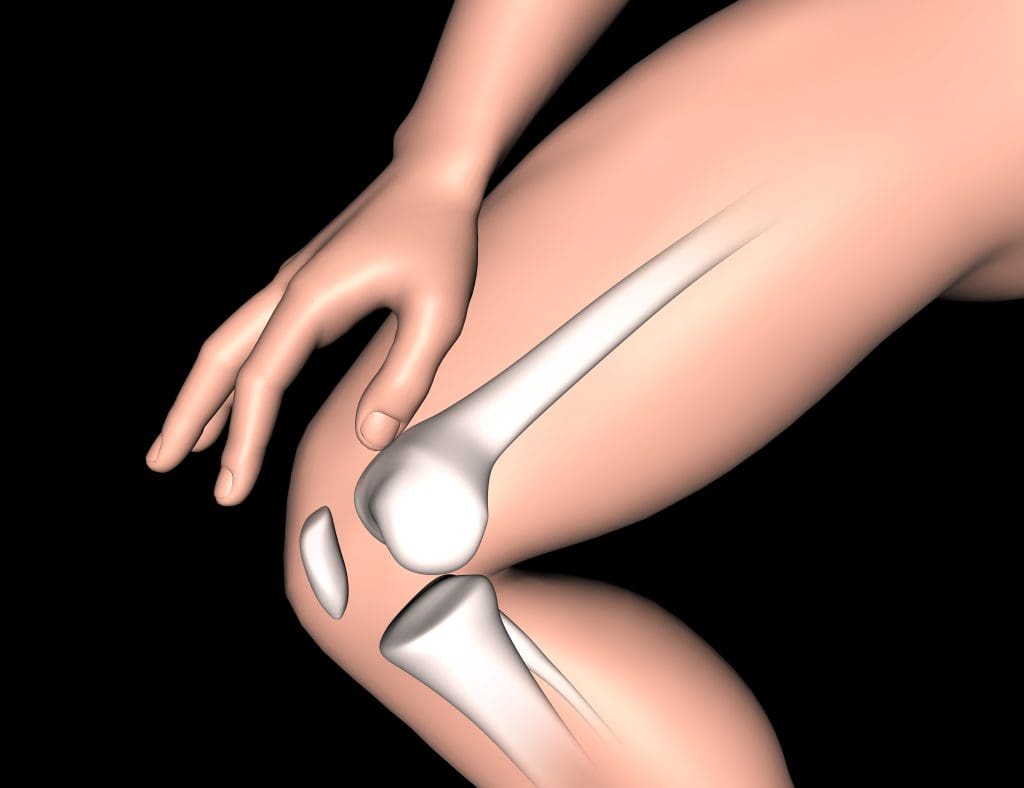
Knee joint stem cell injections work by helping the body fix itself. They use a process called “regenerative” therapy. This means they help damaged tissues in the body to heal.
Regenerative Properties of Stem Cells
Stem cells have special powers that make them great for fixing knee problems. They can turn into different types of cells, like those in cartilage. This helps the knee heal and work better.
Key regenerative properties include:
- Ability to differentiate into multiple cell types
- Capacity to promote tissue repair and regeneration
- Potential to modulate the immune response and reduce inflammation
Targeting Knee Cartilage and Tissue Repair
Stem cell injections are very good at fixing cartilage and tissue in the knee. By putting stem cells right into the knee, they help fix damaged areas. This can make the knee less painful and work better.
| Benefits | Description |
| Cartilage Repair | Stem cells can help regenerate damaged cartilage, improving joint health. |
| Tissue Regeneration | The therapy promotes the regeneration of tissues surrounding the knee joint. |
| Pain Reduction | By repairing damaged tissues, stem cell therapy can help reduce knee pain. |
The Stem Cell Therapy Procedure for Knees

Learning about the stem cell therapy for knees helps patients get ready for treatment. It also helps them know what to expect.
Pre-procedure Preparation
Before starting stem cell therapy for knees, patients get a detailed medical check-up. This check-up looks at their health and the state of their knee.
Preparation steps may include:
- Medical history review
- Physical examination
- Imaging tests (e.g., X-rays, MRI)
- Blood tests to check for any underlying conditions
What Happens During the Treatment
The stem cell therapy procedure has several important steps:
The treatment starts with taking a small blood sample. Then, the stem cells are concentrated and injected back into the knee. This whole process usually takes about an hour or two and happens in a clinical setting.
The use of local anesthesia helps minimize discomfort during the procedure.
| Procedure Step | Description |
| Blood Extraction | A small amount of blood is drawn from the patient. |
| Stem Cell Concentration | The extracted blood is processed to concentrate the stem cells. |
| Injection | The concentrated stem cells are injected into the knee. |
Immediate Post-procedure Care
Right after the procedure, patients are watched for any quick reactions.
Post-procedure care may include:
- Resting the knee
- Avoiding strenuous activities
- Applying ice to reduce swelling
How Long Does Stem Cell Therapy Last for Knees?
The results of stem cell therapy for knees can differ a lot. Some people might feel better for a long time, while others might not. Many things can affect how long the benefits last, like the patient’s health, how bad the knee problem is, and the quality of the stem cells.
Average Duration of Benefits
Research shows that the benefits of stem cell therapy for knees can last from months to years.
The length of time stem cell therapy lasts depends on the stem cells’ ability to fix damaged knee tissues.
Variations in Longevity Among Patients
The length of time benefits last can vary a lot among patients. Patient age, overall health, and the severity of the knee condition all affect how long benefits last. For example, younger patients with less damage might see benefits last longer than older patients or those with more damage.
Also, the quality and source of the stem cells matter. Patients who get high-quality stem cells from trusted sources might see benefits last longer.
Factors Affecting the Longevity of Stem Cell Treatment
The success of stem cell treatment for knees depends on several factors. Knowing these can help patients set realistic goals and choose wisely.
Patient Age and Overall Health
Patient age and overall health are key. Older or those with health issues might not get as much from stem cell therapy.
Staying healthy with a good diet, exercise, and not smoking can help. It can make your body heal better and get more from stem cell treatment.
Severity of Knee Condition
The severity of the knee condition matters a lot. Those with mild to moderate damage do better with stem cell therapy. Early treatment can lead to lasting benefits.
- Mild knee conditions: Better response to stem cell therapy
- Moderate knee conditions: Moderate response
- Severe knee conditions: Limited response
Quality and Source of Stem Cells
The quality and source of stem cells greatly affect treatment success. Cells from the patient (autologous) are safer and might work better. How stem cells are processed and handled also matters.
Getting treatment from skilled doctors with high-quality stem cells boosts success chances. This can lead to better and longer-lasting results.
Recovery Timeline After Stem Cell Injections
After getting stem cell injections, people often wonder about their recovery. The recovery timeline varies based on health and the knee condition’s severity.
Short-term Recovery Expectations
Right after, some might feel more pain and swelling where the injection was given. But most people don’t have bad side effects from stem cell injections. They might feel some discomfort, like after a cortisone shot, but this usually goes away in a few days.
It’s best to not do too much for a little while after treatment. This lets the stem cells do their job well. Most can get back to normal in about a week. But, it’s key to follow the care instructions from your doctor to get the most out of the treatment.
Long-term Healing Process
The long-term healing process is about the body fixing itself and improving knee function. Stem cells help the body heal naturally, which can take weeks to months. People might see improvements in 6-8 weeks, but the full effects of stem cell therapy can take 3-6 months.
It’s important to have realistic hopes and be patient during recovery. Regular check-ups with your doctor are vital. They help track your progress and answer any questions during the recovery timeline.
Post-Treatment Care: Maximizing Stem Cell Effectiveness
After getting stem cell therapy for knee issues, it’s key to follow up with proper care. This care includes several important steps. These steps help ensure the best results from the treatment.
Activity Restrictions After Treatment
After stem cell therapy, patients should avoid hard activities for a while. This lets the treated area heal and the stem cells work well in the damaged tissue. Common things to avoid include heavy lifting, bending, or high-impact exercises. The exact restrictions depend on the person’s condition and the treatment details.
Dietary and Supplement Considerations
Eating a balanced diet full of nutrients is vital for healing. Some supplements, like glucosamine and chondroitin, can help with joint health. Drinking enough water is also key for the treatment’s success.
| Nutrient | Benefit | Food Sources |
| Omega-3 Fatty Acids | Reduces inflammation | Salmon, walnuts, chia seeds |
| Vitamin D | Supports bone health | Fatty fish, fortified dairy products |
| Antioxidants | Protects cells from damage | Berries, leafy greens, nuts |
Follow-Up Treatments and Maintenance
To keep the benefits of stem cell therapy going, you might need more treatments. These could be more stem cell shots or physical therapy. It’s important to see your healthcare provider regularly. This helps track how well the treatment is working and if more help is needed.
By following these care tips, you can get the most out of your stem cell therapy. This way, you can enjoy the benefits for a longer time.
Comparing Stem Cell Therapy with Other Knee Treatments
Stem cell therapy is seen as a new option for knee problems. It’s compared to PRP therapy and knee replacement surgery. Knowing the differences helps patients and doctors make better choices.
Stem Cells vs. PRP Therapy
Stem cell therapy and PRP therapy both aim to fix knee damage. But they work in different ways. PRP therapy uses blood to help healing. Stem cell therapy uses stem cells to repair tissues more fully.
| Treatment Characteristics | Stem Cell Therapy | PRP Therapy |
| Cell Type | Stem cells | Platelet-rich plasma |
| Healing Potencial | Differentiation into various cell types | Stimulates healing through growth factors |
| Tissue Repair | Potentially more complete | Stimulates tissue repair |
Stem Cells vs. Knee Replacement Surgery
Knee replacement surgery is a big deal. It replaces the knee with artificial parts. It’s for severe damage or arthritis. But, it’s a big surgery with a long recovery.
Stem cell therapy is less invasive. It tries to fix the knee without surgery. This could mean avoiding surgery altogether.
In summary, stem cell therapy is a good option for knee problems. It’s less invasive and can repair tissues. This makes it a strong choice compared to PRP therapy and knee replacement surgery.
Potential Side Effects and Risks of Knee Stem Cell Treatment
Stem cell therapy for knee issues is usually safe. But, it’s not without possible side effects. Knowing the risks is key to making a smart choice.
Common Side Effects
Most people getting knee stem cell therapy face some common side effects. These are usually mild and short-lived. They might include:
- Increased pain or discomfort at the injection site
- Swelling or inflammation in the treated knee
- Bruising or redness around the injection area
- Headaches or fatigue
These common side effects usually go away within a few days to a week after treatment.
Rare but Serious Complications
Though rare, serious complications can happen with knee stem cell therapy. It’s important to know about these risks:
- Infection at the injection site
- Allergic reactions to the stem cells or other treatment components
- Tissue or nerve damage
- Unintended growth or tumor formation
Even though these serious complications are rare, talking to your doctor is vital. They can help you understand the specific risks for your treatment.
In summary, knee stem cell therapy is generally safe. But, it’s not without risks. By knowing the common side effects and rare but serious complications, patients can make better choices about their treatment.
Cost Considerations for Knee Stem Cell Therapy
Understanding the financial side of stem cell therapy is key for those thinking about it. The cost for knee therapy can change a lot. This depends on the clinic, the doctor’s skills, and the treatment methods.
Average Price Ranges in the United States
The total cost might change based on how many sessions you need. This depends on how bad your knee condition is and your health. It’s important to talk to your doctor to get a better idea of the cost.
Insurance Coverage and Financing Options
Insurance coverage for stem cell therapy can differ. Some plans might cover parts of the treatment, while others might not. You should check with your insurance to see what they cover. Also, many clinics offer financing options to help make the treatment more affordable. These can include payment plans or packages for multiple sessions.
Patient Selection: Who Benefits Most from Stem Cell Knee Therapy?
Finding the right patients is key for stem cell knee therapy to work well. Not everyone is a good fit for this treatment. It depends on the patient’s health, how bad their knee problem is, and the quality of the stem cells.
Ideal Candidates for the Procedure
Good candidates for stem cell knee therapy have certain traits. They often have knee osteoarthritis or other degenerative conditions. These patients have tried other treatments like physical therapy or pain meds without success. Age, health, and how damaged the knee is matter a lot in choosing the right patient.
A study in a top medical journal showed benefits for patients under 60 with moderate knee osteoarthritis from stem cell therapy.
“The use of stem cell therapy in carefully selected patients can lead to significant improvements in knee function and pain reduction,”
experts in regenerative medicine agree.
Conditions That Respond Best to Stem Cell Treatment
Stem cell therapy works well for many knee problems, like cartilage loss and inflammation. Knee osteoarthritis is a prime example. It benefits from stem cell treatment because of its ability to heal.
| Condition | Response to Stem Cell Therapy |
| Knee Osteoarthritis | High |
| Degenerative Meniscal Tears | Moderate to High |
| Chondral Lesions | Moderate |
The table shows how different knee conditions react to stem cell therapy. It points out the benefits for patients with specific knee problems.
Latest Research and Advancements in Regenerative Medicine for Knees
Recent breakthroughs in stem cell technology are changing how we treat knee injuries and degenerative conditions. The field of regenerative medicine is always growing. Researchers are working hard to make treatments better for knee problems.
Recent Clinical Studies and Findings
Recent studies show stem cell therapy is effective for knee issues. A study in the Journal of Orthopaedic Research found it improved knee function and reduced pain. Another key finding was that mesenchymal stem cells from fat tissue helped grow new cartilage.
Future Directions in Stem Cell Treatments
Research is moving forward, exploring new ways to make stem cell therapy better. Scientists are looking into combining stem cells with growth factors to boost repair. Researchers are also looking into using induced pluripotent stem cells. These cells come from a patient’s own cells, making them a promising source for treatment.
The future of knee treatments with regenerative medicine is bright. As we learn more about stem cells, we’ll see even better treatments. These treatments will aim to fix the underlying problems of knee degeneration and injury.
Conclusion: Making an Informed Decision About Stem Cell Therapy
Stem cell therapy is a promising solution for knee problems. It offers a way to repair cartilage and tissue. Patients can decide if it’s right for them by understanding its benefits and risks.
This therapy has shown great promise in treating knee issues. The length of time it works can vary. Factors like age, health, and the severity of the condition affect its lasting benefits.
To get the most from stem cell therapy, follow the care instructions given. This includes avoiding certain activities and eating right. Working with a healthcare professional helps make the right choice for your health.
Stem cell therapy is a big step forward in treating knee problems. It’s a less invasive option compared to other treatments. By looking at all the information and talking to a doctor, patients can decide if it’s the right choice for them.
FAQ
How long does stem cell therapy for knees last?
The time stem cell therapy for knees lasts varies. On average, it can last from months to years.
What are the different types of stem cells used in knee treatments?
Knee treatments often use mesenchymal stem cells (MSCs). These can come from bone marrow, fat tissue, or umbilical cord tissue.
How long should I rest after PRP injection in the knee?
Rest for 24 to 48 hours after a PRP injection in the knee. Avoid hard activities during this time.
Can I exercise after stem cell injections for knees?
Avoid hard activities right after stem cell injections. But, gentle exercises can help with recovery and effectiveness.
What are the possible side effects of stem cell therapy for knees?
Side effects might include pain, swelling, and redness at the injection site. Rare but serious issues include infection and reactions to the stem cells.
How much does stem cell therapy for knees cost?
The cost varies based on stem cell source, practitioner expertise, and location.
Is stem cell therapy for knees painful?
The procedure might be a bit uncomfortable. But, pain is managed with local anesthesia or sedation. Post-procedure pain can be treated with medication.
How long does it take to recover from stem cell injections for knees?
Recovery times differ. Most can get back to normal in a few days to weeks. Full recovery and benefits may take months
Can stem cell therapy be used in conjunction with other knee treatments?
Yes, it can be used with PRP therapy, physical therapy, and medication to improve results.
Are there any dietary restrictions or recommendations after stem cell therapy?
No specific diet is needed, but eating well supports healing. Some supplements might be suggested to boost stem cell effectiveness.
How long does PRP therapy last for knees?
PRP therapy benefits for knees can last months to a couple of years, similar to stem cell therapy.
What is the difference between stem cell therapy and PRP therapy for knees?
Stem cell therapy regenerates tissue, while PRP therapy stimulates healing and reduces inflammation. Both have different benefits and mechanisms.