Donating bone marrow is a big choice. Many wonder if they can donate more than once. The answer is yes, but you must meet certain health and eligibility criteria before each donation.
At Liv Hospital, we focus on keeping our donors safe and healthy. We make sure they get the best care during the donation process. Usually, we wait 6“12 months between donations to protect the donor’s health and ensure full bone marrow recovery.
Bone marrow transplants save lives for people with diseases like leukemia, lymphoma, and sickle cell anemia. These transplants need bone marrow stem cells from donors.
Key Takeaways
- Donors can donate bone marrow more than once if they meet health requirements.
- A minimum interval of 6“12 months is typically observed between donations.
- Liv Hospital prioritizes donor safety and well-being.
- Bone marrow transplants are critical for treating serious diseases.
- Donor safety and full bone marrow recovery are ensured through careful assessment and post-donation care.
Understanding Bone Marrow Donation
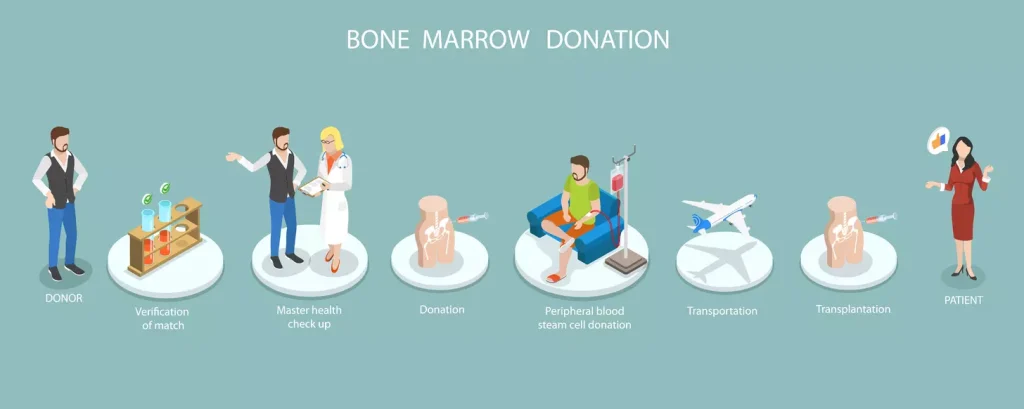
Bone marrow donation starts with knowing what bone marrow is and why it’s important. It’s the soft tissue in bones like hips and thighbones that makes blood cells. These cells are vital for our health.
What is Bone Marrow and Why is it Donated?
Bone marrow helps patients with blood diseases like leukemia and lymphoma. It’s donated to give patients healthy stem cells. These cells help the patient’s bone marrow make blood cells again. The donation process is lifesaving for many.
The Importance of Bone Marrow Transplants
Bone marrow transplants are key for patients getting chemotherapy and radiation. They help fix the bone marrow that’s damaged by these treatments. The importance of bone marrow transplants cannot be overstated, as they can cure many patients.
Types of Donation Procedures Available
There are several ways to donate bone marrow, like traditional harvest and peripheral blood stem cell collection. At Liv Hospital, we use the latest tech for safe and comfy donations. The right procedure depends on the patient and donor’s health.
The bone marrow donation process has many steps, from screening to aftercare. Knowing these steps is key for donors. We make sure our donors are informed and supported every step of the way.
Can You Be a Bone Marrow Donor More Than Once?
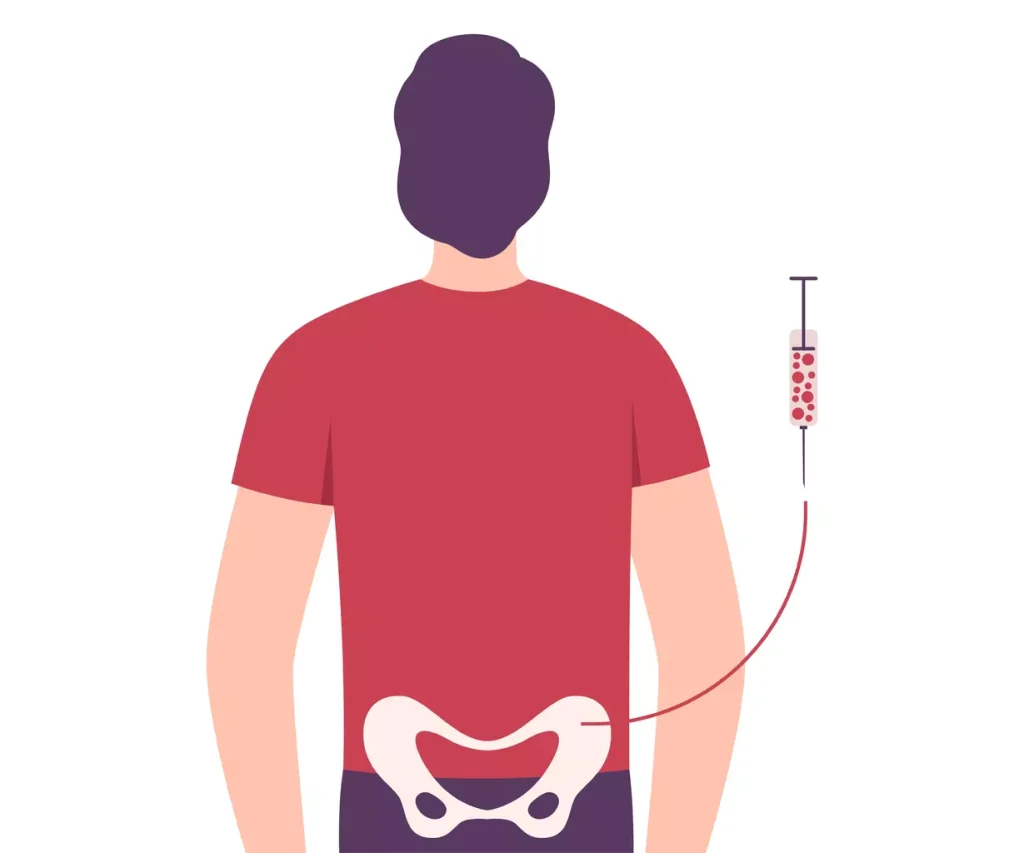
If you want to donate bone marrow more than once, it’s key to know the rules. We understand many donors want to help again. So, we’re here to help you understand the process.
Frequency Limitations for Donors
Bone marrow donation is safe, but there are limits to how often you can do it. These limits are to keep donors safe from health risks.
Donation Frequency Guidelines:
| Donation Type | Recommended Interval | Factors Considered |
|---|---|---|
| Bone Marrow Donation | 6-12 months | Donor’s overall health, age, and donation method |
| Peripheral Blood Stem Cell Collection | Varies, typically 6-12 weeks for recovery between collections | Donor’s health, previous donation experiences |
The Recommended 6-12 Month Interval Between Donations
The usual wait time between bone marrow donations is 6-12 months. This lets the donor’s body fully recover from the first donation. At Liv Hospital, we follow these rules to protect our donors.
Factors Affecting Donation Frequency
Several things can change how often you can donate bone marrow. These include:
- Overall Health: Donors must be in good health to donate again.
- Age: Older donors may need more time to recover between donations.
- Donation Method: The method used for the previous donation can impact the frequency of subsequent donations.
We check each donor’s health before every donation. We look at these factors to make sure donations are safe and healthy.
The Bone Marrow Donation Process Explained
The bone marrow donation process has several key steps. These steps are designed to keep donors safe and ensure the procedure’s success. At Liv Hospital, we focus on our donors’ well-being at every stage.
Pre-Donation Screening and Preparation
Potential donors go through a detailed screening before donating. This checks if they’re eligible and if their marrow matches the recipient’s. The screening looks at their medical history, does a physical check, and runs lab tests.
Key components of pre-donation screening include:
- Medical history review
- Physical examination
- Laboratory tests (blood type, tissue type, infectious disease screening)
Traditional Bone Marrow Harvest Procedure
The traditional method takes marrow from the hipbone under anesthesia. It’s done in a hospital to keep risks low and ensure success.
Peripheral Blood Stem Cell Collection Method
Donors can also give through peripheral blood stem cell collection. This method boosts stem cell production in the blood and then collects them. It’s less invasive and lets donors get back to normal faster.
Post-Donation Care
After donating, donors get a lot of care to help them recover. This includes watching for side effects, managing pain, and advice on getting back to normal activities.
| Aspect | Traditional Bone Marrow Harvest | Peripheral Blood Stem Cell Collection |
|---|---|---|
| Procedure | Surgery under anesthesia to extract marrow from hipbone | Apheresis after stimulating stem cell production in blood |
| Recovery Time | Several weeks | A few days to a week |
| Invasiveness | More invasive, requires surgery | Less invasive, no surgery required |
At Liv Hospital, we’re dedicated to giving top-notch care to bone marrow donors. We make sure they’re safe and comfortable every step of the way.
Safety Considerations for Repeat Bone Marrow Donors
At Liv Hospital, we prioritize the safety of our bone marrow donors, even more so for those donating multiple times. We focus on their well-being through strict safety measures and detailed care.
Common Short-Term Side Effects
Donors may face several short-term side effects after donating. These include pain, fatigue, and bruising at the site of donation. We know these can worry you, but they usually go away quickly with the right care.
We give donors clear instructions on how to care for themselves after donating. We also make sure they can reach out to our medical team for any worries or questions.
Long-Term Health Implications
The long-term health effects for bone marrow donors are usually minimal. But, it’s key to keep an eye on their health over time. Most donors don’t face lasting problems from donating.
Yet, we stay committed to watching over our donors’ health closely.
Medical Monitoring for Multiple Donors
For those donating more than once, we have a strict medical monitoring program. This includes regular health checks and assessments to catch any issues early.
Our medical team works closely with donors to tackle any concerns and offer tailored care.
Risk Assessment Before Each Donation
Before each donation, we do a detailed risk assessment to make sure it’s safe for the donor. We look at their current health, medical history, and other important factors.
Our careful and individualized approach helps reduce risks. This ensures a safe donation process for our repeat donors.
Recovery After Bone Marrow Donation
Understanding the recovery process after bone marrow donation is key. At Liv Hospital, we help our donors through every step. We make sure they get the care and support they need.
Typical Recovery Timeline
The recovery time can differ for each person. But most donors can get back to normal in a few weeks. Experts say most donors are back to their usual routine in 2-4 weeks. It’s important to follow your healthcare team’s advice for a safe recovery.
How the Body Replaces Donated Marrow
The body can regenerate bone marrow. After donation, it starts to replace the marrow. This can take several weeks to a few months. Dr. [Last Name], a leading expert, says it’s a complex process.
During this time, staying healthy is important. Eat well and have regular check-ups with your doctor.
Physical Limitations During Recovery
Donors may feel tired, sore, and have fewer blood cells during recovery. Avoid heavy lifting and contact sports for a few weeks. “Listen to your body and don’t push too hard,” our medical team at Liv Hospital advises.
When to Seek Medical Attention
Most donors recover well, but know when to seek help. Severe pain, fever, or signs of infection need immediate medical attention. “Quick action can help manage complications,” Dr. [Last Name] says. At Liv Hospital, we support our donors throughout their recovery.
By understanding the recovery process and following your healthcare team’s advice, you can have a safe and healthy recovery after bone marrow donation.
Eligibility Requirements for First-Time and Repeat Donors
Knowing what it takes to be a bone marrow donor is key. At Liv Hospital, we make sure donors meet strict rules. This ensures the donation process is safe and successful.
Age and Health Criteria
Donors must be 18 to 40 years old to start. Some places might accept older donors under special cases. Good overall health is a must. Donors go through a detailed medical check-up.
We look at blood counts, check for infectious diseases, and check their physical health.
HLA Matching Process
The Human Leukocyte Antigen (HLA) matching is key. HLA typing helps find the best match. We use top-notch HLA typing to find the best match.
This reduces the chance of graft-versus-host disease (GVHD) and improves transplant success.
Disqualifying Medical Conditions
Some health issues make you not eligible to donate. These include HIV, hepatitis, malaria, and chronic diseases like cancer and heart disease. We screen thoroughly to catch any issues that could harm the recipient or the donor.
Reassessment for Repeat Donors
Repeat donors get checked again before each donation. We update their medical history and do new blood tests. Repeat donors are reviewed to see if they’re good to go again.
At Liv Hospital, we aim for the best in bone marrow donation. We check donors carefully and make sure they know what’s involved. This helps make bone marrow transplants work and keeps our donors safe.
Compensation and Costs Associated with Bone Marrow Donation
Bone marrow donors don’t get paid, but there are costs to consider. At Liv Hospital, we want to make sure you understand these financial aspects.
Expense Reimbursement Policies
Many groups help cover donation-related costs, like travel and staying overnight. It’s important to know what’s covered and how to get reimbursed.
For example, some groups pay for:
- Travel to and from the donation center
- Accommodation during the recovery period
- Meals and other small expenses
Legal Regulations Prohibiting Commercial Sale
There are strict laws against selling bone marrow for profit. A leading expert says,
“The ethical principle of altruism underlies the entire process of bone marrow donation.”
This means donations are made for free, not for money.
For more details on who can donate, visit Liv Hospital’s guide.
Insurance Coverage for Donors
Donors usually don’t pay for the donation itself. This is covered by the recipient’s insurance or the donation group. It’s key for donors to check their insurance to see what’s included.
Time Commitment Considerations
Donors need to plan for a big time commitment. This includes screening, the donation, and recovery. Knowing the time needed helps donors prepare better.
At Liv Hospital, we aim to be clear about the financial side of bone marrow donation. We want to make the process easy to understand for our donors.
Advanced Donation Practices at Leading Medical Centers
Leading hospitals like Liv Hospital are changing how bone marrow donations are done. We focus on giving top-notch care to our donors. We use the newest medical tech and follow strict ethical rules.
Liv Hospital’s Multidisciplinary Approach
Liv Hospital is known for its multidisciplinary approach to health care. A team of experts from different fields works together. This team ensures donors get the care they need, from start to finish.
Up-to-Date Protocols and Ethical Standards
We follow the latest rules and ethics in bone marrow donation. This makes our practices safe and effective. Our donors get the best care, thanks to our commitment to medical progress and safety.
Patient-Centered Care for Donors
At Liv Hospital, we put patient-centered care first for our donors. We know everyone’s needs are different. Our team works closely with donors to support them, answering any questions and making the donation process smooth.
Technological Advances Making Repeat Donations Safer
New tech has made repeat bone marrow donations safer and more efficient. We use the latest tech to keep an eye on donor health. This helps us make the donation process safer and better for our donors.
By using a team approach, the latest tech, and focusing on patient care, we offer great support to bone marrow donors. At Liv Hospital, we aim to help those who need a bone marrow transplant.
Conclusion: Making an Informed Decision About Bone Marrow Donation
Donating bone marrow is a big decision. You need to know the process, risks, and benefits. At Liv Hospital, we want to help you understand everything. This way, you can make a choice that feels right for you.
It’s important to know all you can about bone marrow donation. We want you to learn about our programs and how you can help save lives. For more details, check out this resource. It explains the process and how often you can donate.
We’re here to support you. We want to make sure you have all the info you need. This way, you can make a decision that fits your values and health.