
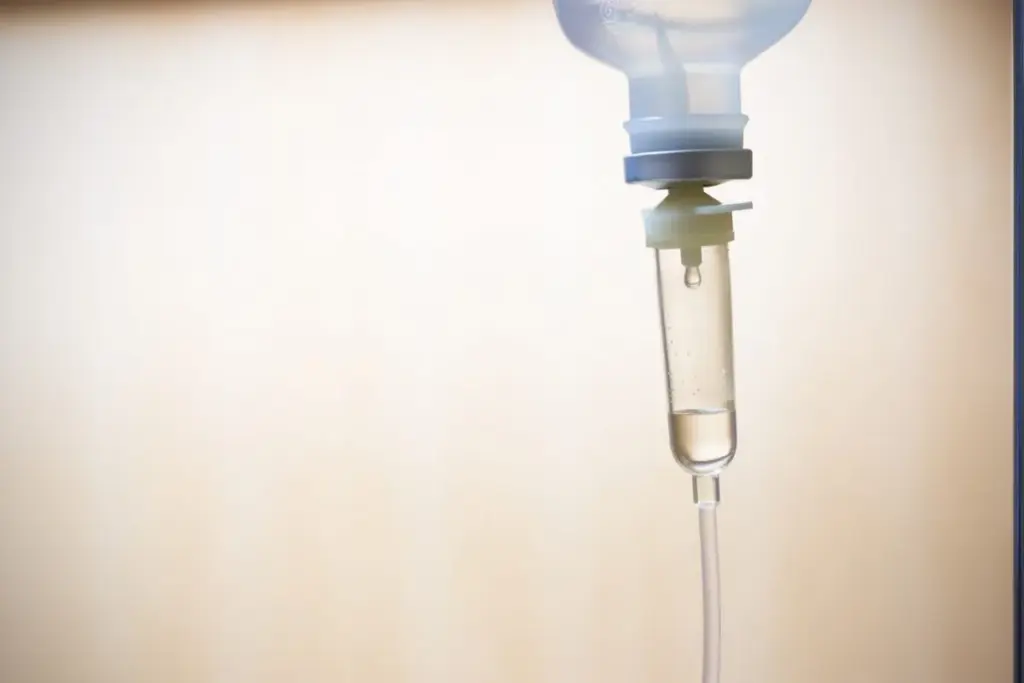
Hyponatremia is when your sodium levels are below 135 mEq/L. It’s a common problem in hospitals. Doctors need to give fluids carefully to get sodium levels back to normal.
This issue happens when you have too much water in your body. It can be because your kidneys can’t get rid of water or because you have too much antidiuretic hormone. The Adrogue-Madias formula helps doctors figure out how much fluid to give.
At Liv Hospital, we focus on both science and caring for our patients. Making sure sodium levels are corrected right is key to avoid brain problems.
Key Takeaways
- Hyponatremia is a common electrolyte disorder among hospitalized patients.
- The Adrogue-Madias formula is used to predict serum sodium changes.
- Accurate sodium correction is critical to avoid brain issues.
- Liv Hospital combines science and patient care.
- It’s important to give fluids carefully to correct sodium levels.
Understanding Hyponatremia and Its Clinical Significance

Hyponatremia is a complex condition where the sodium in your blood is too low. It’s important to understand it well to manage it effectively. If not treated right, it can lead to serious health issues.
Definition and Diagnostic Criteria
Hyponatremia happens when your blood sodium level drops below 135 mmol/L. Doctors check your volume status, serum osmolality, and urine sodium to diagnose it. Getting the diagnosis right is key to finding the cause and treating it properly.
The Adrogue-Madias formula is a tool doctors use to predict sodium level changes. It helps in figuring out how fast to correct sodium levels. Knowing how to use this formula is important for managing hyponatremia well.
Causes and Risk Factors
Hyponatremia falls into three types based on fluid volume: hypovolemic, euvolemic, and hypervolemic. Knowing the cause is vital for the right treatment.
- Hypovolemic hyponatremia is often due to losing too much fluid or using too many diuretics.
- Euvolemic hyponatremia can be caused by SIADH, a condition where the body makes too much antidiuretic hormone.
- Hypervolemic hyponatremia is common in heart failure or cirrhosis patients.
Finding out the cause and assessing risks are key steps in treating hyponatremia. It’s also important to correct sodium levels carefully to avoid serious side effects.
How to Calculate Sodium Correction Using the Adrogue-Madias Formula
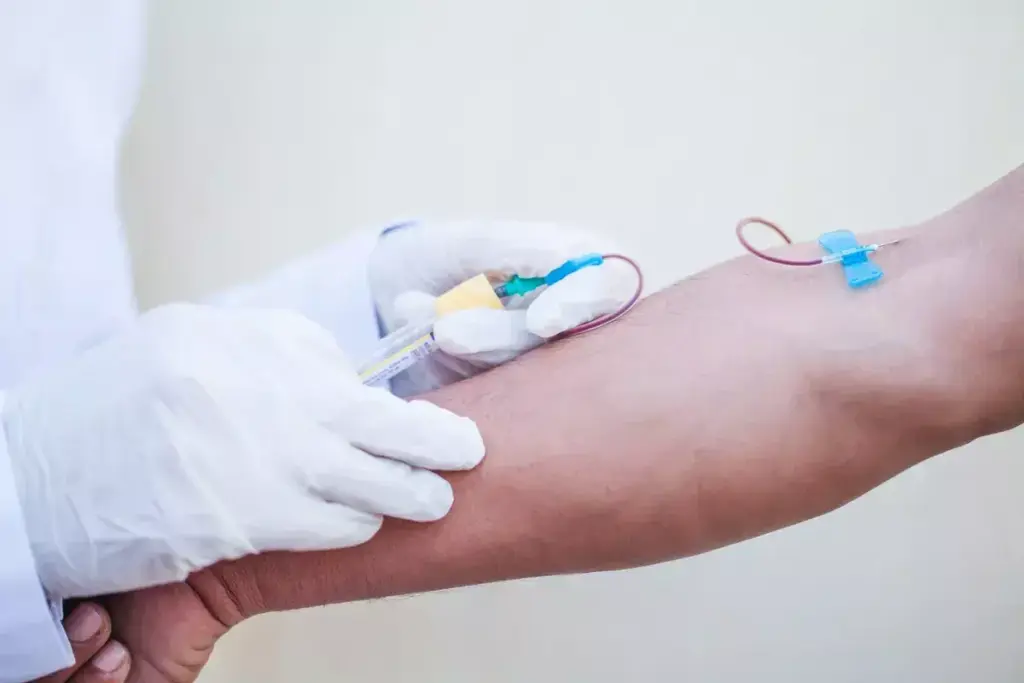
To manage hyponatremia well, knowing how to use the Adrogue-Madias formula is key. This formula helps figure out how to change sodium levels in the blood. It looks at the difference between sodium in fluids and blood, divided by total body water plus one.
The Adrogue-Madias formula is vital for finding out how fast to correct hyponatremia. It also helps decide how much sodium to give. Doctors follow guidelines to avoid too much change, aiming for a 4-6 mEq/L daily correction. This is to prevent serious brain damage.
To use this formula, we need to know the patient’s total body water, sodium in fluids, and blood sodium levels. The formula for fluid infusion rate is found by multiplying 1000 by the sodium correction rate. Tools like mdcalc hyponatremia and d calc hyponatremia help with these calculations. They make sure the correction is right and avoid problems with hypernatremia.
FAQ
What is hyponatremia and why is sodium correction important?
Hyponatremia is a serum sodium <135 mEq/L, and correction is important to prevent neurologic complications like cerebral edema or osmotic demyelination.
What is the Adrogue-Madias formula used for?
The Adrogue–Madias formula estimates the expected change in serum sodium after infusion of 1 liter of a given IV fluid.
How do I calculate sodium correction using the Adrogue-Madias formula?
Change in Na⁺ = (Infusate Na⁺ − Serum Na⁺) ÷ (Total Body Water + 1).
Why is conservative sodium correction recommended?
Conservative correction (≤8–10 mEq/L in 24 hours) reduces the risk of osmotic demyelination syndrome.
How do I determine the optimal infusion rate for sodium correction?
Calculate predicted sodium rise with the formula, set a safe daily correction target, and adjust infusion rate with frequent sodium monitoring.
What are the risk factors for hyponatremia?
Risk factors include diuretics (especially thiazides), heart failure, liver disease, SIADH, renal impairment, and excessive free water intake.
How is volume status assessed in hyponatremia?
Volume status is assessed clinically (BP, edema, mucous membranes, JVP) and supported by urine sodium and osmolality measurements.
What is the significance of serum osmolality in hyponatremia?
Serum osmolality differentiates hypotonic (true), isotonic (pseudo), and hypertonic (translocational) hyponatremia.
Can the Adrogue-Madias formula be used for hypernatremia correction?
Yes, the Adrogue–Madias formula can also estimate serum sodium change when correcting hypernatremia with hypotonic fluids.