Getting a cord sample is key to keeping newborns healthy. At Liv Hospital, we stress the need for umbilical cord blood testing. This is because the cord blood has stem cells that are good for now and might help later.
After birth, we take blood from the umbilical cord. This blood is full of stem cells. These cells can help find genetic problems and treat some diseases. To learn more about stem cells, check out our page on what is the best source of stem cells.
Key Takeaways
- Umbilical cord blood is a rich source of hematopoietic stem cells.
- Cord blood evaluation can help in diagnosing genetic disorders.
- Newborn cord blood can be used for future medical treatments.
- The process of collecting a cord sample is straightforward and painless.
- Liv Hospital is committed to providing world-class healthcare with international patient support.
What Is Umbilical Cord Blood?
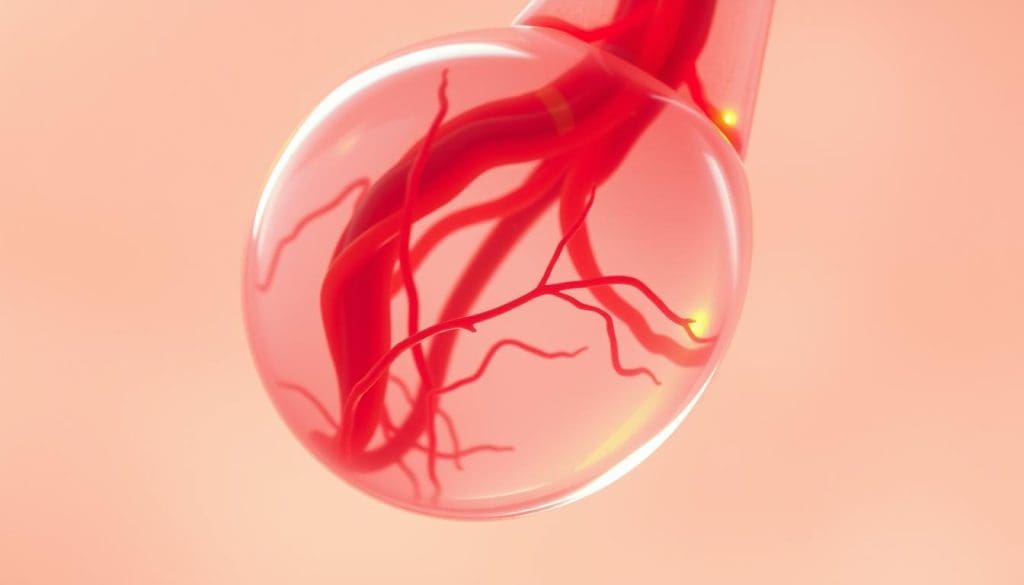
Umbilical cord blood, also known as cord blood, is the blood left in the umbilical cord and placenta after birth. It is packed with hematopoietic stem cells. These cells can turn into different blood cell types, making it useful for medical treatments.
Definition and Composition of Cord Blood
Cord blood contains stem cells and immune cells. Stem cells are special cells that can grow into many types of cells in the body. They help repair and grow tissues. This makes cord blood a valuable resource for medical treatments.
Doctors say, “The special qualities of cord blood stem cells make them a good choice for treating many diseases.”
“Cord blood is a rich source of hematopoietic stem cells, which can be used to treat various life-threatening diseases.”
Difference Between Cord Blood and Peripheral Blood
Cord blood is different from peripheral blood, which circulates in the body. Peripheral blood has a mix of mature and some stem cells. But cord blood is full of hematopoietic stem cells. Here are some key differences:
| Characteristics | Cord Blood | Peripheral Blood |
|---|---|---|
| Stem Cell Concentration | High | Low |
| Cell Maturity | Primarily immature cells | Mix of mature and some immature cells |
| Immune Cell Presence | Unique immune cell profile | Standard immune cell composition |
Cord blood’s special mix makes it very valuable for medical research and treatment. It offers hope for treating many conditions.
The Medical Value of Cord Blood Evaluation
Cord blood is very important for checking health early. It helps find problems in newborns. This way, doctors can start treating them early.
Early Detection of Genetic Disorders
Cord blood tests can spot genetic issues early. Early detection is key for better treatment. For example, sickle cell disease can be caught early, helping kids get better sooner.
Identifying Metabolic Conditions
Metabolic issues like maple syrup urine disease can be found in cord blood. Early detection helps manage these conditions better. It makes life better for the child.
Screening for Infectious Diseases
Cord blood tests can find diseases like HIV and hepatitis.
“Screening for these diseases is critical for initiating appropriate treatment promptly, reducing disease transmission risk and improving health outcomes.”
This helps newborns stay healthy and well.
In short, cord blood evaluation is very valuable. It helps find genetic, metabolic, and infectious diseases early. This is key for doctors to give the best care.
When to Consider Collecting a Cord Sample
Knowing when to get a cord sample is key for making smart choices about umbilical cord blood testing. You should think about it based on several important factors.
Medical History Considerations
If your family has a history of genetic disorders or certain health issues, getting a cord sample might be a good idea. It can give you insights into your baby’s health and help spot conditions early. Talk to your doctor about your family’s health history to see if cord blood testing is right for you.
Family Planning Factors
Thinking about having more kids in the future is also important. Getting a cord sample now could help with future family planning. It’s also useful if you have older kids with health issues, as it can provide valuable information for their care.
Discussing with Healthcare Providers
Talking to your healthcare providers about your medical history, family planning, and any concerns is vital. They can help decide if getting a cord sample is a good choice for you. Working with your healthcare team ensures you’re making the best decision for your family’s health.
Essential Equipment for Cord Sample Collection
Collecting a cord sample needs the right tools for safety and success. The quality of the equipment is key to getting a good umbilical cord blood sample.
Collection Kit Components
The collection kit is a must-have for cord sample collection. It has a sterile bag, anticoagulant, and other supplies. These help keep the sample safe and clean.
We suggest the kit should be easy to use. This helps avoid contamination.
Sterile Materials Required
Sterile materials keep the collection area clean. This includes gloves, antiseptic solutions, and gauze. Keeping everything sterile is important for the sample’s quality.
Documentation and Labeling Supplies
Good documentation and labeling are key for tracking the sample. This includes labels and forms for patient info. It’s important to label everything right to avoid mistakes.
In short, you need a good collection kit, sterile materials, and proper labeling. With the right tools, healthcare pros can collect samples safely and effectively.
Pre-Collection Preparation Steps
Healthcare providers must prepare well before collecting a cord sample. This is key for a smooth and successful process.
Healthcare Provider Training Requirements
Healthcare providers need training in cord blood collection. This training helps them handle the process with confidence and precision. It’s important for understanding the collection process and managing any issues that might come up.
Birth Plan Integration
Adding cord blood collection to the birth plan is a must. It ensures all plans are in place ahead of time. This makes the process smoother and reduces the chance of last-minute problems.
Consent and Documentation Procedures
Getting informed consent from parents is essential. We must also complete all necessary documents on time. This includes details about the collection and the use of the cord blood.
By focusing on these steps, we can make cord blood collection successful. This helps advance medical treatments and research.
The Cord Sample Collection Procedure
Collecting cord blood is a precise process. The timing and method of cord clamping are key. Each step must be done carefully to get a good sample.
Timing After Delivery
The timing of cord clamping affects the blood volume. Delayed clamping lets more blood flow from the placenta to the baby. This can increase the blood volume collected.
Cord Clamping Techniques
There are different cord clamping techniques. The main difference is between immediate and delayed clamping.
Umbilical Vein Access Methods
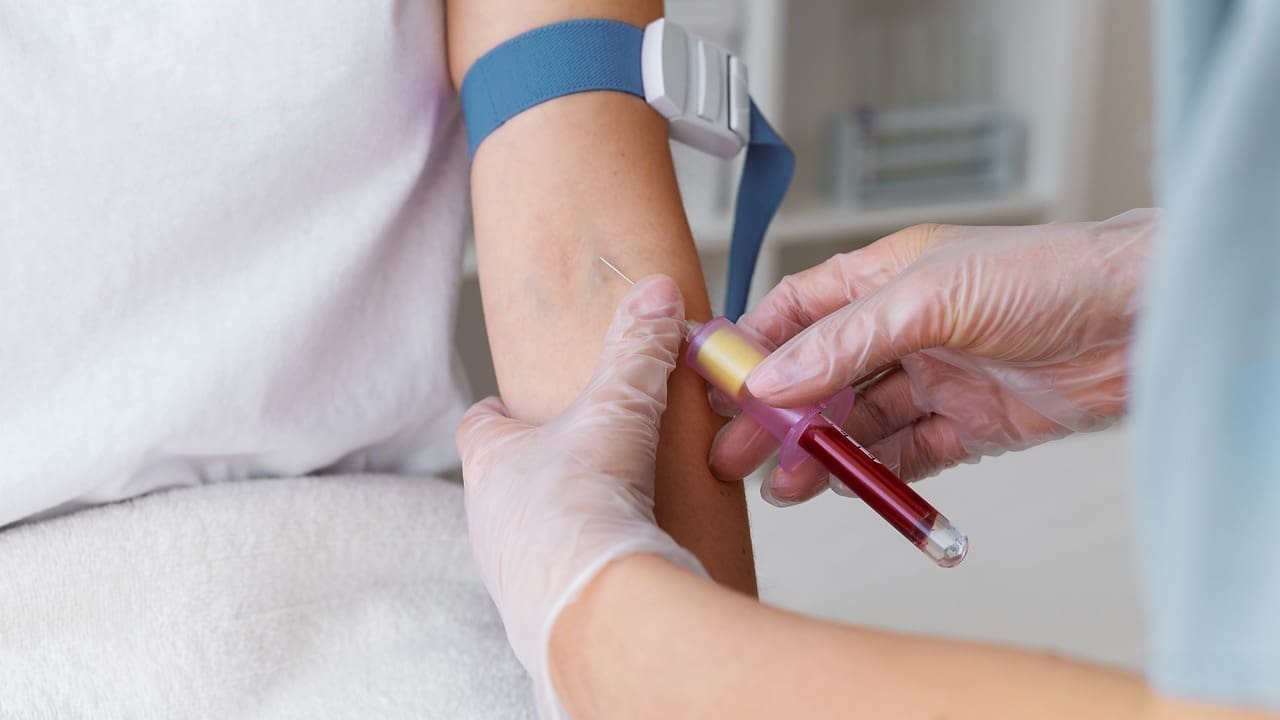
Getting to the umbilical vein is a critical step. There are two main methods: needle aspiration and gravity drainage.
Needle Aspiration Technique
The needle aspiration technique uses a sterile needle and syringe. It allows for precise control over the blood collected.
Gravity Drainage Method
The gravity drainage method uses gravity to flow blood into a container. It’s less invasive and may reduce contamination risk.
Healthcare providers should know both techniques. This helps them adapt to different delivery situations.
| Method | Description | Advantages |
|---|---|---|
| Needle Aspiration | Uses a sterile needle and syringe to aspirate blood | Precise control over blood volume, potentially less risk of contamination |
| Gravity Drainage | Relying on gravity to facilitate blood flow into a container | Less invasive, potentially easier to perform |
Achieving Optimal Cord Blood Volume
To get the best cord blood volume, we need to know the key targets and factors. We aim to collect enough cord blood for testing and medical use.
Standard Collection Targets
The goal for cord blood collection is 60-110 mL. This amount is best for medical tests and uses. Getting this volume helps ensure we have enough cells for different needs.
Minimum Requirements for Testing
Even though 60-110 mL is the best, 40 mL is the minimum for most tests. Less than this might not have enough cells for detailed analysis or treatment. So, aiming for the standard target is key.
Factors Affecting Collection Yield
Many things can change how much cord blood we get. How soon we clamp the cord is a big factor. Other things like the delivery method, placenta health, and collection technique also matter. Knowing these helps us do better at collecting.
Healthcare providers can improve cord blood collection by considering these factors. This way, they can make sure we get the most from cord blood testing and storage.
Maintaining Sterility During Collection
Collecting cord blood needs careful attention to keep it clean. This is key to avoid contamination. Keeping the sample clean is important for getting accurate test results and making the right medical choices.
Contamination Prevention Protocols
We follow strict rules to stop contamination. This includes using clean tools and supplies. Our collection kits are made to stay clean, and healthcare workers are trained to handle everything carefully.
- Use of sterile gloves and equipment
- Proper handling and storage of collection kits
- Aseptic techniques during collection
Common Sources of Contamination
Things like bad handling of the kit or using dirty tools can cause problems. We know these risks and work to avoid them.
Quality Assurance Measures
We make sure the cord blood is of high quality. This includes training healthcare workers and checking the samples for quality. This helps us keep the samples safe and reliable.
Troubleshooting Common Collection Challenges
Effective cord blood collection needs planning for common issues. These include not enough blood, clotting, and hard access to the umbilical vein. We know these problems can happen even with the best planning.
Insufficient Blood Volume Solutions
When there’s not enough blood, several solutions can help. Improving collection methods and using the right kit are key. Here are some tips:
- Choose the right needle size for venipuncture
- Make sure the umbilical cord isn’t hurt during delivery
- Start collecting blood right after delivery
Clotting Issues and Prevention
Clotting can ruin the quality of the cord blood. To prevent this, we recommend:
- Using anticoagulants in the kit
- Handling the collection tube carefully to avoid clots
- Mixing the blood well with the anticoagulant
Managing Difficult Access Situations
Getting to the umbilical vein can be tough. Healthcare pros should:
- Use ultrasound for better view
- Have a second person ready if needed
- Have backup plans, like other collection methods
Being ready for these issues and having plans can help. It makes the collection process better. This leads to higher quality samples and better medical results.
Post-Collection Processing of Umbilical Blood
After collecting umbilical cord blood, it’s key to process it right. This keeps its quality. Handling and storing it correctly is essential to keep the cells alive.
Proper Labeling Requirements
It’s important to label the cord blood sample correctly. The label should have the donor’s name, birth date, and a unique ID. This ensures the sample is tracked and identified properly.
Temperature Control Guidelines
Keeping the cord blood at the right temperature is critical. It should be stored between 2 °C and 8 °C. This slows down cell damage. We stick to these guidelines to keep the sample good during transport.
Transportation to Testing Facilities
Getting the cord blood to the testing lab needs careful planning. We use special containers that keep the right temperature and protect against contamination.
| Processing Step | Requirements | Importance |
|---|---|---|
| Labeling | Accurate donor information | Ensures correct identification |
| Temperature Control | 2 °C to 8 °C storage | Maintains cell viability |
| Transportation | Specialized containers | Protects sample integrity |
Medical experts say, “The cord blood sample’s integrity is key for accurate results and medical decisions.” So, proper processing after collection is a vital step.
Cord Blood Banking Decisions
Choosing whether to store cord blood privately or donate it publicly is a big decision for new parents. It involves thinking about cost, future medical benefits, and family needs. This choice can greatly impact a baby’s health.
Public vs. Private Banking Options
Families have to pick between public and private cord blood banking. Public banking means donating cord blood for anyone’s use. Private banking keeps it for the family’s own use. It’s important to think about the pros and cons of each option.
Cost Considerations and Insurance Coverage
The cost of cord blood banking is different for public and private banks. Private banking costs more upfront and has yearly fees, which insurance might not cover. Families should check their insurance and think about the long-term costs.
Long-term Storage Implications
Choosing a cord blood bank means looking at long-term storage. This includes the bank’s accreditation, how they store the blood, and their policies. It’s key to pick a reputable bank to ensure safe storage and follow medical standards.
Future Medical Applications of Stored Cord Blood
Medical research is moving forward fast. This means we’re learning more about how cord blood can help with serious health problems. Already, cord blood has shown its worth in many medical treatments.
Current Approved Treatments
Cord blood is used in approved treatments for some blood disorders. This includes leukemia and lymphoma. It’s great for patients getting certain cancer treatments because it helps rebuild their blood and immune system.
Emerging Research and Clinical Trials
Ongoing research is looking into cord blood for regenerative medicine. It might help with cerebral palsy, autism, and other brain conditions. Clinical trials are also checking if it can fix damaged tissues and improve the immune system.
Potential Limitations of Cord Blood Therapies
Even with its promise, cord blood has some downsides. The amount of blood collected can be a problem. There’s also a risk of graft-versus-host disease. Plus, finding a good match between donor and recipient is key. Knowing these limits helps us get the most out of umbilical cord blood sampling.
In summary, the future of cord blood looks bright. We have both proven treatments and new research to look forward to. As we keep exploring, we might find even more ways to use cord blood to help patients.
Conclusion
We’ve looked into how cord blood is collected and why it matters. It’s a key source of stem cells, used in treating many health issues. This is because it holds the power to help in the future.
Cord blood can help with many medical problems, from genetic disorders to complex diseases. Knowing about cord blood collection helps families and doctors make better choices. This is about using this valuable resource wisely.
As medical research gets better, so will the use of cord blood. Saving a cord sample is easy but very important. It can greatly improve a baby’s health and future.
In short, collecting cord blood is a big deal for medical science. We urge families to talk to their doctors about it. This way, they can make smart choices for their baby’s health.
What is cord blood and why is it collected?
Cord blood is the blood left in the umbilical cord and placenta after birth. It’s full of stem cells. These cells can help diagnose genetic disorders and treat some diseases.
How is umbilical cord blood collected?
Collecting cord blood involves several steps. First, the cord is clamped. Then, the umbilical vein is accessed. Methods like needle aspiration and gravity drainage are used to get the blood.
What is the ideal volume of cord blood to be collected?
The goal is to collect between 60-110 mL of blood. But, at least 40 mL is needed for most tests.
How is sterility maintained during cord blood collection?
Keeping things sterile is key. This means following strict protocols and being aware of contamination sources. Quality assurance measures are also important.
What are the common challenges faced during cord blood collection?
Collecting cord blood can be tough. Issues like not enough blood, clotting, and hard access to the umbilical vein are common.
How is the collected cord blood processed and stored?
The blood sample needs to be labeled right and stored at the correct temperature. It must be transported to testing facilities safely.
What are the options for cord blood banking?
Families have two main choices: public or private cord blood banking. They should think about cost, insurance, and storage options.
What are the current and future uses of stored cord blood?
Cord blood can treat certain conditions now. It’s also being researched for new therapies. But, there are also some limitations.
How is cord blood evaluation useful in newborn health?
Testing cord blood can reveal a lot about a newborn’s health. It can help spot genetic disorders, metabolic issues, and infections early.
What factors should be considered when deciding to collect a cord sample?
Deciding to collect cord blood should be based on several things. Family medical history and future plans are important. Talking to healthcare providers is also key.
References
- HIV/AIDS Clinical Trials Group (HANC): https://www.hanc.info/content/dam/hanc/documents/laboratory/actg-impaact-laboratory-manual/Umbilical-Cord-Blood-Collection.pdf
- Parent’s Guide to Cord Blood Foundation: https://parentsguidecordblood.org/en/faqs/how-is-cord-blood-collected
- American Academy of Family Physicians (AAFP): https://www.aafp.org/pubs/afp/issues/2011/0915/p661.html
- Bloodworks Northwest: https://bloodworksnw.org/donate/process
- MiracleCord: https://miraclecord.com/news/how-is-cord-blood-collected/