
Learn how to diagnose Alzheimer. This simple step-by-step guide explains the exams and tests doctors use for accuracy.
Diagnosing Alzheimer’s disease is a detailed process. It includes looking at medical history, physical exams, and brain scans. Unlike many diseases, Alzheimer’s diagnosis needs a careful, multi-step approach, not just one test.
At Liv Hospital, we know how vital early detection is. Our team works closely with patients. We help them notice the loss of skills and abilities, figuring out what they can do.
Early diagnosis greatly improves a patient’s life quality. We walk you through the Alzheimer’s dementia diagnosis process. We explain the different tests involved.
Key Takeaways
- Alzheimer’s diagnosis involves multiple assessment methods.
- Early detection is key for managing symptoms.
- A mix of medical history review and brain imaging is used.
- Liv Hospital offers detailed diagnostic evaluations.
- Spotting the pattern of skill loss is vital for diagnosis.
Understanding Alzheimer’s Disease
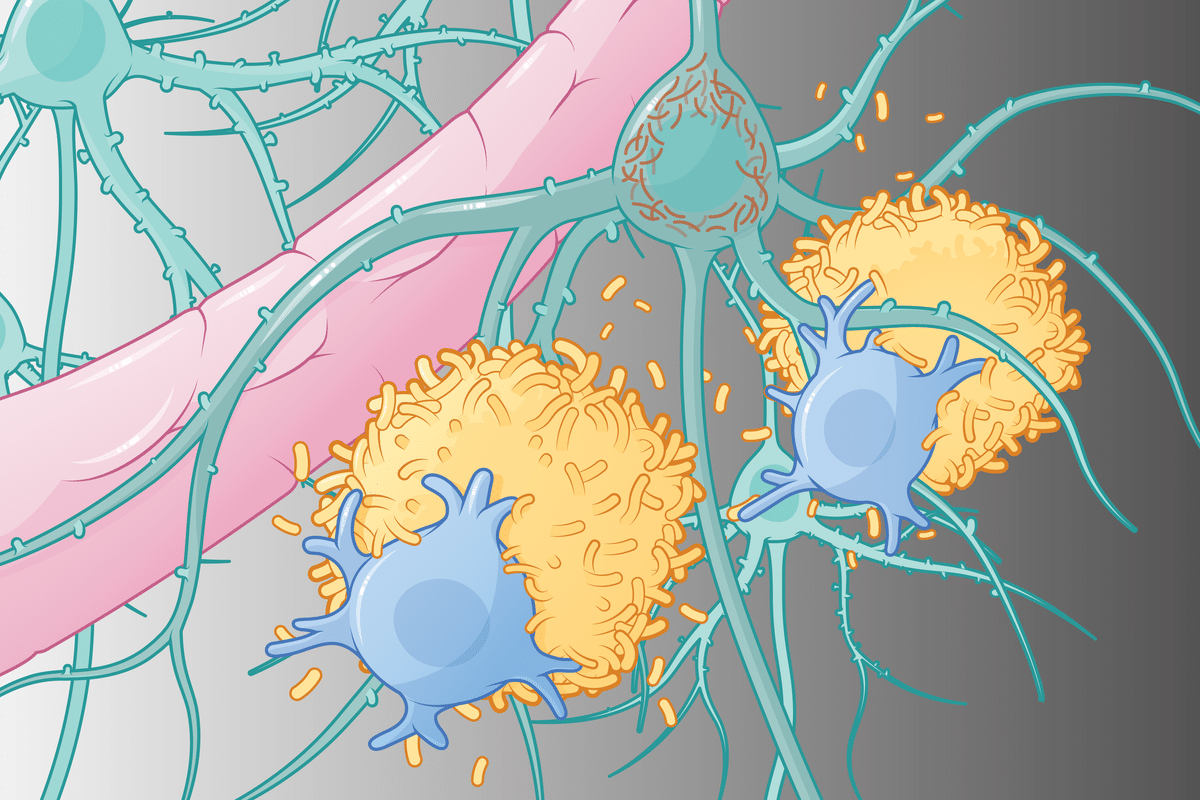
It’s key to understand Alzheimer’s disease to catch it early and manage its symptoms well. This disease makes the brain shrink and kills brain cells.
What is Alzheimer’s Disease?
Alzheimer’s is the main cause of dementia, making up 60-80% of cases. It leads to memory loss, trouble with communication, and poor judgment. Each person’s disease progresses differently, but it usually follows a set pattern.
Common Symptoms and Warning Signs
Spotting Alzheimer’s symptoms early is vital for quick diagnosis and help. Common signs include:
- Memory loss that disrupts daily life
- Challenges in planning or solving problems
- Difficulty completing familiar tasks
- Confusion with time or place
- Trouble understanding visual images and spatial relationships
These symptoms make it hard for people to do everyday tasks and stay independent.
Importance of Early Detection
Finding Alzheimer’s early is key. It lets patients and families plan ahead and get the best treatments early on. Yet, many people don’t get diagnosed until the disease has advanced, even after visiting their doctors with memory issues.
|
Benefits of Early Detection |
Description |
|---|---|
|
Timely Medical Intervention |
Early diagnosis means patients can get medical help sooner, which might slow the disease. |
|
Future Planning |
Patients and families can prepare for future care needs, finances, and legal matters. |
|
Access to Clinical Trials |
Early diagnosis might let patients join clinical trials for new treatments. |
By knowing about Alzheimer’s, its signs, and why early detection matters, we can help those affected. This way, we can improve their lives.
The Challenges of Alzheimer’s Diagnosis
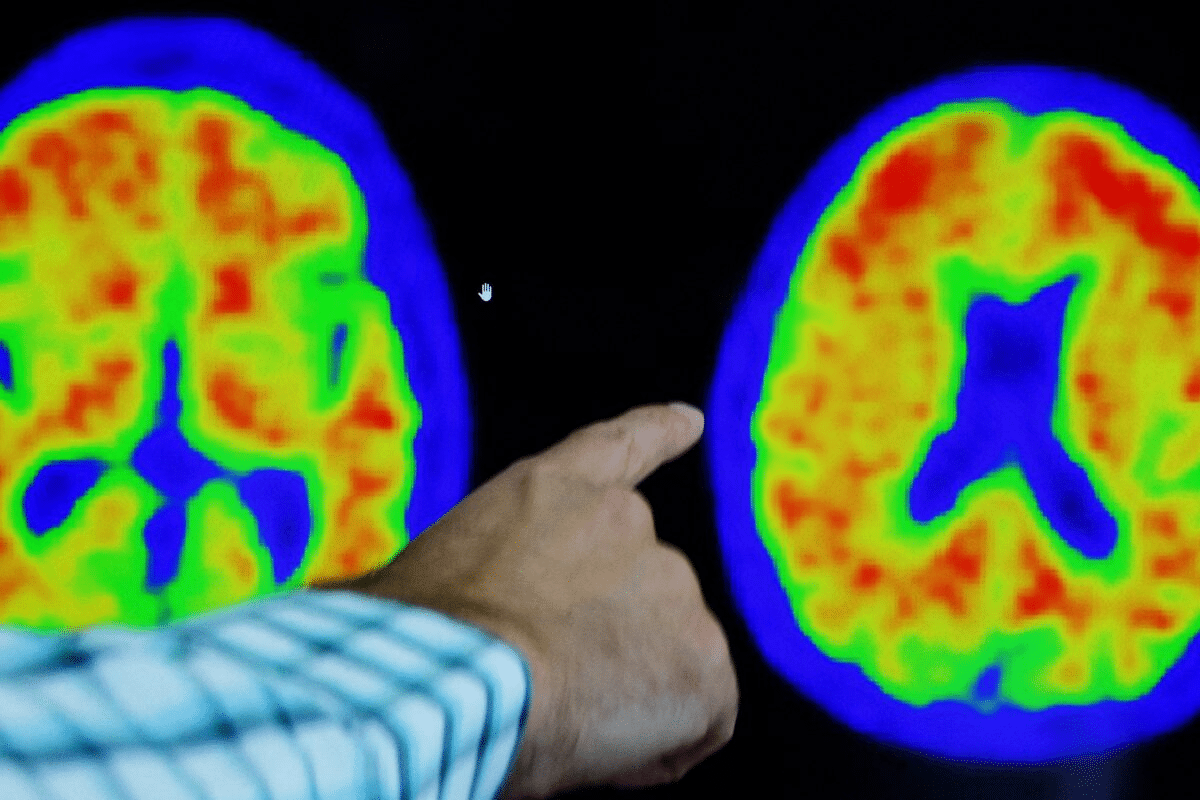
Diagnosing Alzheimer’s is tough because there’s no single test that can say for sure if someone has it. Doctors use a mix of medical history, cognitive tests, and brain scans to figure it out. This approach helps them understand if someone has Alzheimer’s.
Why There’s No Single Definitive Test
Alzheimer’s is hard to test for because of how it affects the brain. It causes amyloid plaques and tau tangles to build up. Right now, we use different tools to check how well someone’s brain is working.
- Cognitive testing to evaluate memory, language, and problem-solving skills
- Neurological examination to assess reflexes, coordination, and muscle strength
- Advanced brain imaging techniques such as MRI, CT, and PET scans
Diagnostic Accuracy Rates
Even with these challenges, doctors can usually get it right 85-90% of the time. This high accuracy is key for giving the right care to people with Alzheimer’s.
Key factors contributing to diagnostic accuracy include:
- Comprehensive medical history review
- Thorough cognitive and neurological assessments
- Advanced brain imaging techniques
Distinguishing Alzheimer’s from Other Dementias
One big challenge is telling Alzheimer’s apart from other dementias. Each one has its own signs, and knowing which one someone has is important for the right treatment.
Understanding the hurdles in diagnosing Alzheimer’s shows how important a detailed approach is. It helps get the diagnosis right and ensures people get the care they need.
When to Seek Medical Evaluation
Knowing when to see a doctor is key for Alzheimer’s diagnosis and treatment. It’s important to understand when to act on memory problems and other symptoms.
Recognizing When Memory Problems Warrant Concern
If you or a loved one has symptoms like memory loss, trouble solving problems, or confusion, see a doctor. Early detection is key to managing Alzheimer’s effectively.
Who to Consult First
Start by talking to a primary care physician. They can assess you and refer you to specialists if needed. Bring information about your symptoms and medical history.
Preparing for the Initial Appointment
Prepare well for your first visit. Gather your medical history, including medications, and details about your symptoms. Being thorough helps in the diagnostic process.
The Role of Medical Specialists
Medical specialists are key in diagnosing and managing Alzheimer’s disease. They form a team to give a full evaluation. This ensures that other health issues causing cognitive problems are found and treated.
Primary Care Physicians
Primary care physicians are the first to see people with memory issues. They do initial checks, look at medical history, and send patients to specialists if needed. Their work is critical in catching problems early and ruling out other causes of cognitive decline.
Neurologists
Neurologists deal with brain and nervous system disorders. For Alzheimer’s, they do detailed brain exams and might order tests like MRI or PET scans. Their knowledge is vital in diagnosing Alzheimer’s and differentiating it from other dementias.
Geriatricians
Geriatricians focus on older adults’ health, tackling complex issues that come with age. They work with other specialists to manage patients with Alzheimer’s. This ensures that any other health problems are treated well.
Neuropsychologists
Neuropsychologists test cognitive function to find specific problems linked to Alzheimer’s. Their tests help in making accurate diagnoses and creating treatment plans tailored to each patient.
Together, these specialists ensure patients get a complete check-up and accurate diagnosis. Their teamwork is essential for the best care for those with Alzheimer’s disease.
Initial Assessment Process
The journey to diagnose Alzheimer’s starts with an initial assessment. This detailed check is key to understanding the patient’s situation. It helps guide further tests.
Medical History Review
First, we review the patient’s medical history. We look at their psychiatric history, any changes in thinking or behavior, and past health issues. These can affect their symptoms.
Family History Evaluation
Then, we evaluate the patient’s family history. We search for any Alzheimer’s or dementia in their family. This gives us clues about their risk.
Medication Review
We also review the patient’s medications. We check how these drugs affect their thinking and health.
Lifestyle Assessment
Lastly, we assess the patient’s lifestyle. We consider their diet, exercise, social life, and other lifestyle factors. These can impact their condition.
|
Assessment Component |
Key Factors |
|---|---|
|
Medical History Review |
Psychiatric history, cognitive and behavioral changes, previous medical conditions |
|
Family History Evaluation |
History of Alzheimer’s or other dementias in the family |
|
Medication Review |
Current medications and their impact on cognitive function |
|
Lifestyle Assessment |
Diet, exercise, social engagement, and other lifestyle factors |
By combining these steps, we get a full picture of the patient’s health. This helps us decide the next steps in diagnosing Alzheimer’s.
How to Diagnose Alzheimer’s: Cognitive Assessments
To diagnose Alzheimer’s, doctors use tests that check memory and problem-solving skills. These tests help see how much thinking ability is lost. They also help tell Alzheimer’s apart from other dementias.
Mini-Mental State Examination (MMSE)
The Mini-Mental State Examination (MMSE) tests many thinking skills. It looks at math, memory, and knowing where you are. It gives a score that shows how bad thinking problems are.
We start with the MMSE because it’s fast and simple. It quickly shows how a patient’s thinking is doing.
Montreal Cognitive Assessment (MoCA)
The Montreal Cognitive Assessment (MoCA) finds early thinking problems. It checks many thinking areas, like solving problems and remembering things.
The MoCA is great because it spots early thinking issues. It’s a key tool in figuring out what’s wrong.
Clock Drawing Test
The Clock Drawing Test asks patients to draw a clock right. It tests planning, spatial skills, and following directions.
This test is helpful because it shows small thinking problems. Problems that might not show up in other tests.
Other Cognitive Screening Tools
There are more tests like the MMSE, MoCA, and Clock Drawing Test. For example, the General Practitioner Assessment of Cognition (GPCOG) and the Mini-Cog test.
These tests give doctors many ways to check thinking. This lets them tailor the diagnosis to each patient’s needs.
Cognitive tests are key in finding Alzheimer’s. They give important info on a patient’s thinking. By mixing these tests, doctors can make better diagnoses and plans for treatment.
Neurological Examination Components
The neurological examination is key in diagnosing Alzheimer’s disease. It helps spot neurological disorders. Healthcare providers check different neurological functions to see if there’s any damage.
Testing Reflexes and Coordination
Testing reflexes and coordination is a big part of the exam. They look at deep tendon reflexes and check if they’re normal. They also test fine motor skills to see if coordination is off.
Any odd reflexes or coordination problems might point to Alzheimer’s or other diseases.
Muscle Strength and Tone Evaluation
Checking muscle strength and tone is also important. Doctors test how much resistance muscles have and check for stiffness or weakness. Changes in these areas could mean a neurological issue.
Eye Movement Assessment
Eye movement tests are also key. Odd eye movements can show neurological problems. Doctors look for smooth eye movements and check for any unusual eye actions.
Balance and Gait Analysis
Balance and gait analysis are also critical. Doctors watch how a patient stands, balances, and walks. Any oddities in these areas could mean a neurological issue, like Alzheimer’s.
|
Component |
Description |
Clinical Significance |
|---|---|---|
|
Reflexes and Coordination |
Evaluation of deep tendon reflexes and coordination tests |
Abnormalities may indicate neurological disorders |
|
Muscle Strength and Tone |
Assessment of muscle resistance and tone |
Changes can indicate motor control issues |
|
Eye Movement |
Evaluation of smooth pursuit and saccadic movements |
Abnormal movements can signify neurological dysfunction |
|
Balance and Gait |
Observation of posture, balance, and gait |
Difficulty with balance or gait abnormalities can indicate neurological impairment |
Laboratory Tests and Biomarkers
To diagnose Alzheimer’s disease, doctors use many tests and biomarkers. These tools give us important information about the condition. They help us figure out if Alzheimer’s is the cause of symptoms.
Blood Tests to Rule Out Other Conditions
Blood tests are key in diagnosing Alzheimer’s. They help find other health problems that might look like Alzheimer’s. For example, they can spot thyroid issues or vitamin deficiencies.
Some common blood tests include:
- Complete Blood Count (CBC)
- Blood Chemistry Tests
- Thyroid Function Tests
- Vitamin B12 Levels
Cerebrospinal Fluid Analysis
Cerebrospinal fluid (CSF) analysis is also vital. It lets us check for proteins linked to Alzheimer’s, like beta-amyloid and tau. This helps us understand the disease better and make a precise diagnosis.
Emerging Blood Biomarkers
Scientists are always finding new blood biomarkers for Alzheimer’s. These new markers could make diagnosing the disease quicker and more accurate. Research focuses on:
- Proteomic analysis
- Metabolomics
- Inflammatory markers
Genetic Testing Considerations
Genetic testing is also used, mainly for those with a family history of Alzheimer’s. It looks for genetic mutations that raise the risk of getting the disease. But, it’s important to think carefully about genetic testing and its effects on individuals and their families.
By using tests and biomarkers together, we can accurately diagnose Alzheimer’s. This helps us create effective treatment plans for those affected.
Advanced Brain Imaging Techniques
Brain imaging technologies have changed neurology a lot. They give clear views of the brain, helping doctors diagnose Alzheimer’s better. These methods show the brain’s structure and function in detail.
Magnetic Resonance Imaging (MRI)
MRI is a non-invasive way to see the brain. It uses strong magnetic fields and radio waves. MRI helps find brain changes linked to Alzheimer’s.
Computed Tomography (CT) Scans
CT scans use X-rays to show the brain’s cross-sections. They help rule out other dementia causes like tumors. CT scans are quicker and easier to get than MRI.
Positron Emission Tomography (PET) Scans
PET scans use a radioactive tracer in the blood. It shows where the brain is most active. PET scans help spot Alzheimer’s patterns.
Amyloid and Tau PET Imaging
Advanced PET scans look for amyloid and tau proteins in Alzheimer’s. Amyloid PET finds amyloid plaques. Tau PET spots tau protein tangles. These markers help diagnose and track Alzheimer’s.
These brain imaging methods give a full view of brain health. They help doctors make better diagnoses. Here’s a table that shows what each imaging method does:
|
Imaging Technique |
Key Features |
Applications in Alzheimer’s Diagnosis |
|---|---|---|
|
MRI |
Detailed structural images, non-invasive |
Assessing brain atrophy, white matter lesions |
|
CT Scans |
Quick, accessible, uses X-rays |
Ruling out other causes of dementia |
|
PET Scans |
Measures metabolic activity, uses radioactive tracer |
Identifying patterns of brain activity |
|
Amyloid and Tau PET |
Detects specific Alzheimer’s biomarkers |
Diagnosing Alzheimer’s, monitoring progression |
Navigating the Diagnostic Process
Getting a diagnosis for Alzheimer’s can be tough for patients and their families. It usually takes more than a day and happens outside the hospital.
What to Expect at Each Stage
The first step is an initial check-up. This includes looking at your medical history, family background, medicines, and lifestyle. Being ready for these steps makes things easier.
Next, you might do tests like the Mini-Mental State Examination (MMSE) or the Montreal Cognitive Assessment (MoCA). These tests show how much your thinking skills have changed.
Typical Timeline for Diagnosis
How long it takes to get a diagnosis varies a lot. Some people find out quickly, while others need more time and tests.
It’s important to remember that every case is different. The complexity of your situation and the need for more tests can affect how long it takes.
Coping with Uncertainty During Evaluation
Waiting for a diagnosis can be hard emotionally. Having support from loved ones and doctors is key to dealing with this uncertainty.
“The uncertainty of waiting for a diagnosis can be one of the most challenging aspects for patients and their families. Seeking support and staying informed can help navigate this period.”
Insurance and Financial Considerations
Knowing about insurance and money matters is vital. Talk to your doctors and insurance to find out what’s covered and what you might have to pay for.
- Check your insurance to see what tests and visits are covered.
- Find out about any costs you might have to pay for tests and visits.
- Look into financial help programs if you need them.
Being informed and prepared helps patients and families deal with the Alzheimer’s diagnosis process.
Conclusion
Diagnosing Alzheimer’s disease is a complex task. It involves many steps, like cognitive tests and brain scans. It can be tough for patients and their families to go through this.
Getting a diagnosis early is key. It helps people get the right care and support quickly. Being ready for the diagnosis can make it easier to handle.
We must remember that getting a diagnosis is the first step in managing the disease. It helps improve life quality for those affected. Working with skilled healthcare professionals is vital for a thorough and caring diagnosis.
FAQ
How is Alzheimer’s disease diagnosed?
Doctors use a few steps to diagnose Alzheimer’s. They look at your medical history and do a physical check. They also do tests to check your brain and how you think.
What are the common symptoms of Alzheimer’s disease?
Symptoms include forgetting things, getting confused, and having trouble with words. You might also struggle with solving problems and making good choices.
Why is early detection of Alzheimer’s disease important?
Finding Alzheimer’s early is key. It lets people get help sooner and plan for the future.
Is there a single definitive test for Alzheimer’s disease?
No, there’s no one test for Alzheimer’s. Doctors use many tests to be 85-90% sure.
What is the role of cognitive assessments in diagnosing Alzheimer’s disease?
Tests like the MMSE and MoCA check how well you think. They help find if you might have Alzheimer’s.
What laboratory tests are used to diagnose Alzheimer’s disease?
Blood tests and tests on spinal fluid help rule out other diseases. They check for symptoms like Alzheimer’s.
What are advanced brain imaging techniques used for in Alzheimer’s diagnosis?
MRI and PET scans show what’s happening in your brain. They help doctors understand your brain better.
How can I prepare for the initial appointment with my primary care physician?
Get ready by writing down your medical history and symptoms. It helps your doctor a lot.
What medical specialists are involved in diagnosing Alzheimer’s disease?
Doctors like primary care physicians and neurologists work together. They make sure you get a full check-up.
How long does the diagnostic process for Alzheimer’s disease typically take?
The time it takes to get a diagnosis varies. Knowing what to expect helps everyone involved.
How can I cope with uncertainty during the evaluation process?
Dealing with uncertainty is tough. But, understanding the process and getting support helps a lot.
What are the insurance and financial considerations for Alzheimer’s disease diagnosis?
Think about insurance and money when you’re going through the diagnosis. It’s important for planning.
What is the diagnostic accuracy rate for Alzheimer’s disease?
Doctors are usually 85-90% sure when they diagnose Alzheimer’s. They use many tests to be sure.
How is Alzheimer’s disease distinguished from other dementias?
It’s important to tell Alzheimer’s apart from other dementias. A full check-up helps find the right diagnosis.
References
National Center for Biotechnology Information. Evidence-Based Medical Guidance. Retrieved from https://pmc.ncbi.nlm.nih.gov/articles/PMC9264379/