
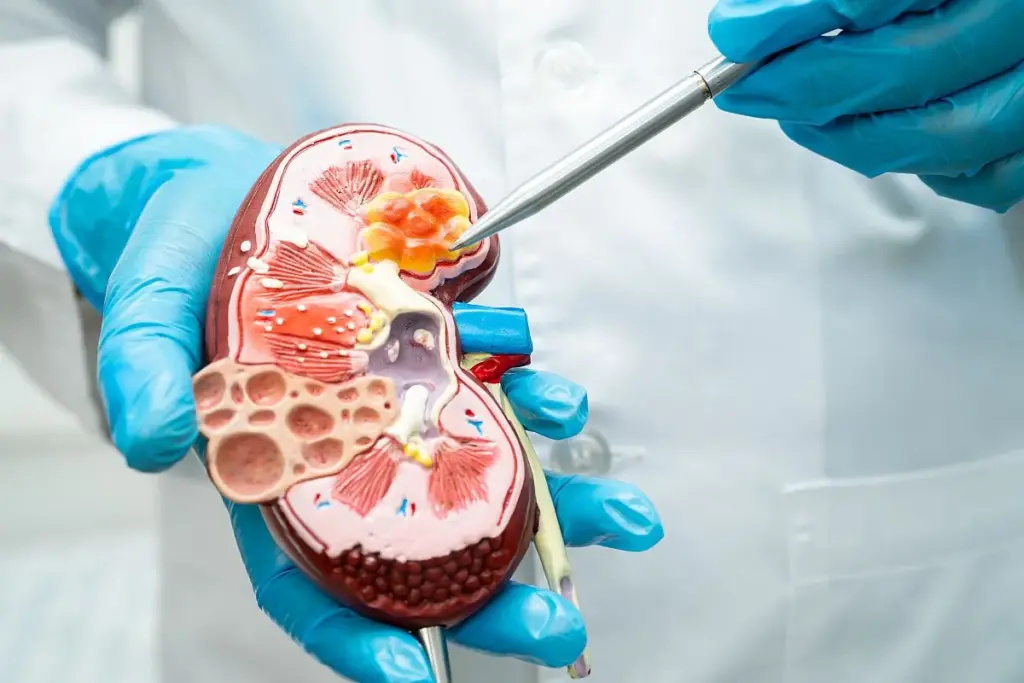
A kidney biopsy is a key tool for diagnosing kidney diseases. It involves taking tissue samples for detailed examination. This guide will walk you through the kidney biopsy process, its reasons, and what to expect.
The process uses a specialized needle or surgical method to get a small kidney tissue sample. Recent studies show the procedure is safe, with only a few serious issues.
Key Takeaways
- Kidney biopsy is a minimally invasive diagnostic procedure.
- The procedure involves extracting a small sample of kidney tissue.
- Recent data shows a favorable safety profile with low complication rates.
- Serious complications requiring intervention are rare.
- Understanding the procedure and recovery process is essential for patients.
Understanding Kidney Biopsy: Purpose and Types
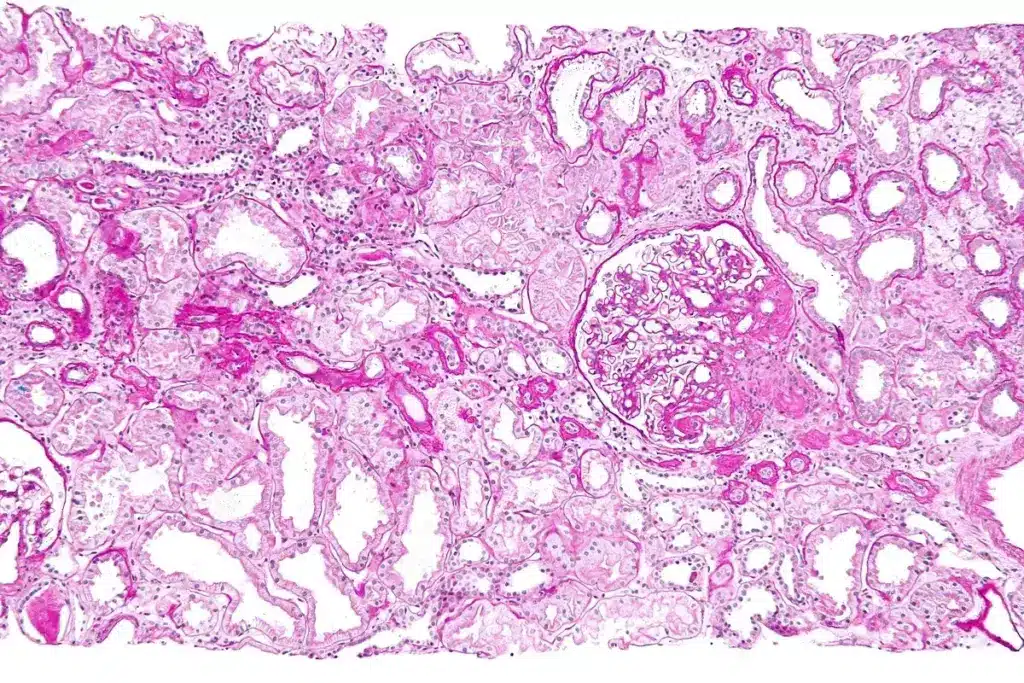
Kidney biopsies are key in diagnosing and managing kidney diseases. They give insights into the kidney’s health. A biopsy involves taking a small kidney tissue sample for microscopic examination.
What is a Kidney Biopsy?
A kidney biopsy is a procedure to get a small kidney tissue sample. It helps diagnose kidney diseases, assess damage, and guide treatment.
Common Indications for Kidney Tissue Sampling
Kidney tissue sampling is suggested when other tests are unclear or when kidney dysfunction’s cause is unknown. Common reasons include:
- Unexplained kidney failure or acute kidney injury
- Proteinuria or hematuria of unknown origin
- Systemic diseases affecting the kidneys, such as lupus nephritis
- Monitoring the progression of kidney disease or the effectiveness of treatment
These reasons show how vital kidney biopsies are for managing kidney health.
Types of Kidney Biopsy Techniques
There are mainly two types of renal biopsies: targeted and non-targeted. Targeted biopsies diagnose mass lesions, while non-targeted biopsies sample the renal cortex for systemic diseases.
The techniques for kidney biopsies include:
| Biopsy Technique | Description | Indications |
| Percutaneous Biopsy | A minimally invasive procedure where a needle is inserted through the skin to obtain a kidney tissue sample. | Most kidney biopsies; suitable for patients with a relatively normal coagulation profile. |
| Transvenous Biopsy | A procedure performed through a vein, often used for patients with bleeding disorders. | Patients at high risk of bleeding complications. |
| Laparoscopic Biopsy | A surgical procedure where a laparoscope is used to visualize the kidney and obtain a tissue sample. | Patients requiring direct visualization or with specific anatomical considerations. |
| Open Surgical Biopsy | A more invasive surgical procedure where the kidney is directly accessed to obtain a tissue sample. | Rarely used; typically for patients undergoing other surgical procedures or when other methods are not feasible. |
Knowing the different kidney biopsy techniques is key to choosing the right approach for each patient.
Preparing for a Biopsy Renal Procedure
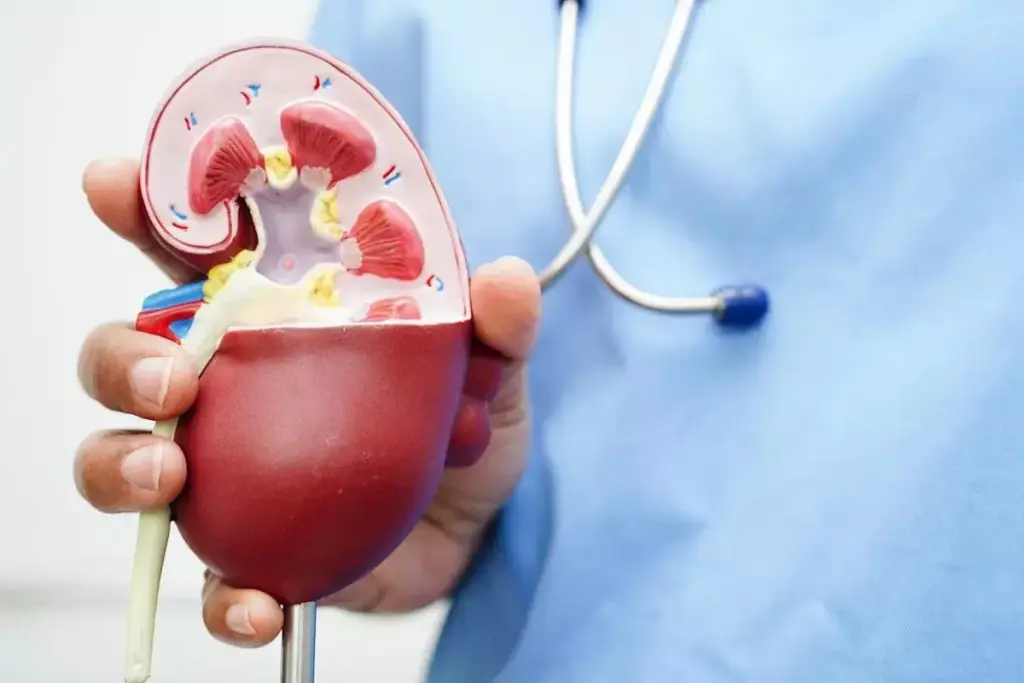
Before a renal biopsy, knowing the prep steps is key. These steps make the procedure safe and effective. They help you get ready for the kidney biopsy.
Required Pre-Procedure Tests
Several tests are needed before a kidney biopsy. These tests check your health and spot any risks. Common tests include:
- Blood tests to check clotting and look for infections or inflammation.
- Imaging studies like ultrasound, CT, or MRI to see your kidneys and guide the needle.
- Urine tests to find urinary tract infections or other issues.
| Test | Purpose |
| Blood Tests | Evaluate blood clotting and check for infection or inflammation |
| Imaging Studies (Ultrasound, CT, MRI) | Visualize kidneys and guide biopsy needle |
| Urine Tests | Check for urinary tract infections or abnormalities |
Medication Adjustments and Fasting Guidelines
Some medications might need to be changed or stopped before the biopsy. This is to lower the risk of bleeding. Your doctor will tell you which medications to adjust or stop. You might also need to fast before the procedure. It’s important to follow these instructions to stay safe.
For more details on medication changes and aftercare, visit https://myhealth.alberta.ca/Health/aftercareinformation/pages/conditions.aspx?hwid=abl2210.
What to Expect on the Day of Your Biopsy
On biopsy day, you’ll get specific instructions. You should plan to:
- Arrive on time with someone to accompany you.
- Wear comfy clothes and be ready to change into a hospital gown.
- Follow any fasting or medication instructions from your doctor.
By following these steps, you can make your kidney biopsy procedure go smoothly and successfully.
Step-by-Step Kidney Biopsy Technique
To get a successful kidney biopsy, it’s key to follow a set method. The percutaneous needle biopsy technique is often used. It uses ultrasound guidance to find the kidney and get a tissue sample.
Patient Positioning and Local Anesthesia
The first step is to position the patient right. They are usually placed prone for easy access to the kidney. Local anesthesia is given to lessen discomfort during the procedure.
Ultrasound Guidance and Needle Insertion Process
Ultrasound guidance helps find the kidney and guide the needle. This makes sure the tissue sample is taken from the right spot. The needle goes through the skin, and its path is watched on ultrasound.
Tissue Sample Collection and Preservation
When the needle is in the right spot, a tissue sample is taken. The sample is kept in a special medium to keep it good for looking at under a microscope. The tissue sample collection is very important for getting an accurate diagnosis.
The whole kidney biopsy procedure usually takes about an hour. By sticking to this method, doctors can make sure the biopsy is safe and works well.
Conclusion: Recovery and Results After Kidney Biopsy
After a kidney biopsy, recovery is usually quick because it’s a minimally invasive procedure. Patients might feel sore or bruised at the biopsy site. This is a normal part of getting better.
It’s important to know about possible side effects, though they are rare. Risks include bleeding or other complications. Our team stresses the need for follow-up care to help with recovery and discuss biopsy results.
While recovering, patients are watched for any bad reactions. The biopsy results usually come in a few days to a week. We tell patients to carefully follow post-procedure instructions to avoid complications and get a good outcome.
Knowing what to expect during recovery and being aware of side effects helps patients. Our goal is to offer full care and support from start to finish. We’re here for you every step of the way.
FAQ:
What is a kidney biopsy?
A kidney biopsy is a procedure where a small piece of kidney tissue is taken. It’s examined under a microscope to diagnose and monitor kidney diseases.
Why is a kidney biopsy performed?
A kidney biopsy helps diagnose kidney diseases and track how they progress. It also checks if treatments are working. Doctors use it to find the cause of kidney problems and plan treatment.
How is a kidney biopsy done?
A kidney biopsy is usually done by inserting a needle through the skin and into the kidney. This is done under ultrasound guidance. Other methods include transvenous, laparoscopic, and open surgical biopsies.
What are the different types of kidney biopsy techniques?
The main types of kidney biopsy techniques are percutaneous, transvenous, laparoscopic, and open surgical biopsies. The most common is percutaneous, where a needle is inserted through the skin.
How do I prepare for a kidney biopsy?
To prepare for a kidney biopsy, you’ll need to have some tests done beforehand. You’ll also need to adjust your medications and follow fasting guidelines. You’ll get instructions on what to expect on the day of the biopsy.
What are the different types of kidney biopsy techniques?
The main types of kidney biopsy techniques are percutaneous, transvenous, laparoscopic, and open surgical biopsies. The most common is percutaneous, where a needle is inserted through the skin.
References:
National Center for Biotechnology Information. Evidence-Based Medical Guidance. Retrieved from https://www.ncbi.nlm.nih.gov/pmc/articles/PMC3506349/[4