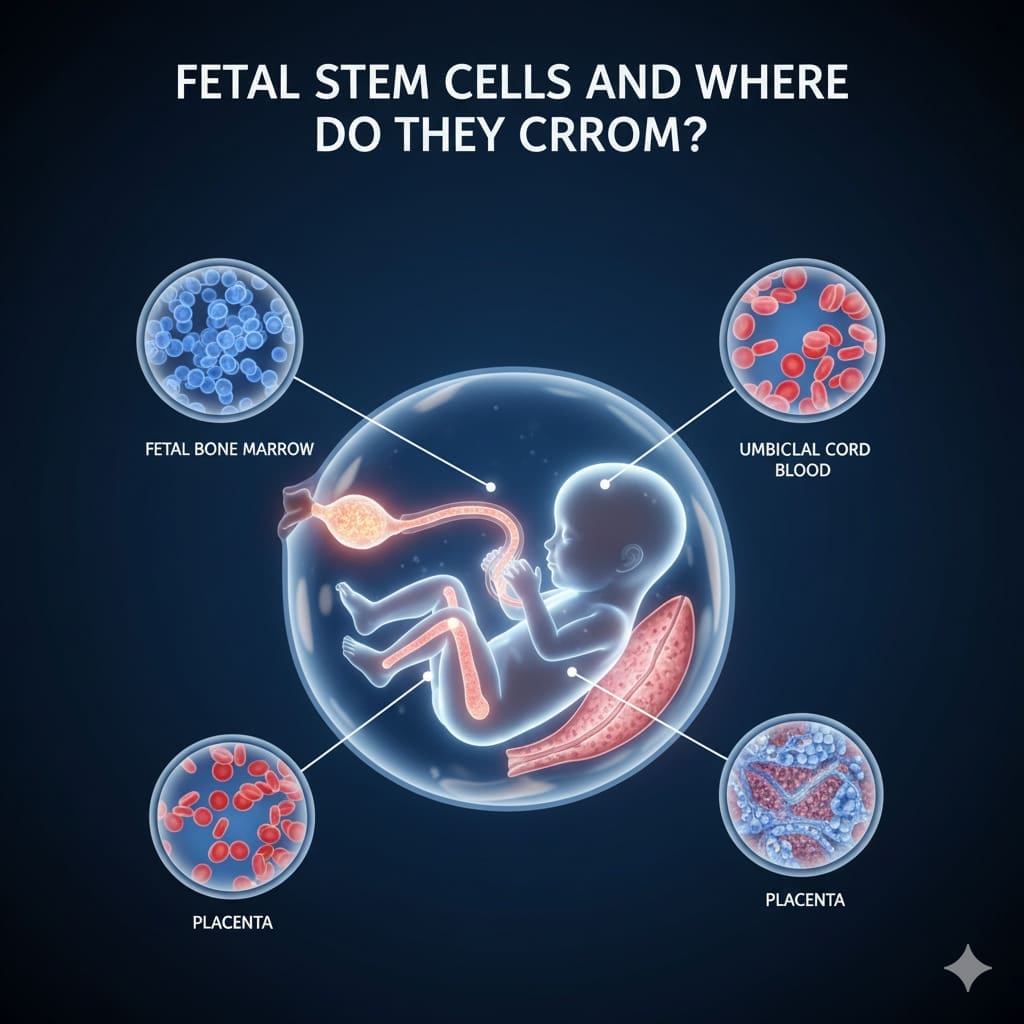
Embryonic stem cell research has changed the game in regenerative medicine. We’re experts at getting stem cells from embryos. This method holds great promise for treating many health issues.
At Liv Hospital, we know how important embryonic stem cells are. These pluripotent cells can turn into almost any cell type. They’re found in the inner cell mass of the blastocyst, a 4–7-day-old embryo.
The process of getting these cells is complex. We will explain each step in detail. Our team is dedicated to top-notch healthcare and supporting international patients.
Key Takeaways
- Embryonic stem cells have the power to become different cell types.
- The extraction process involves complex steps.
- Our team is committed to ethical, patient-centered care.
- Liv Hospital provides complete support for international patients.
- Embryonic stem cell research is a big step forward for regenerative medicine.
The Science Behind Embryonic Stem Cells
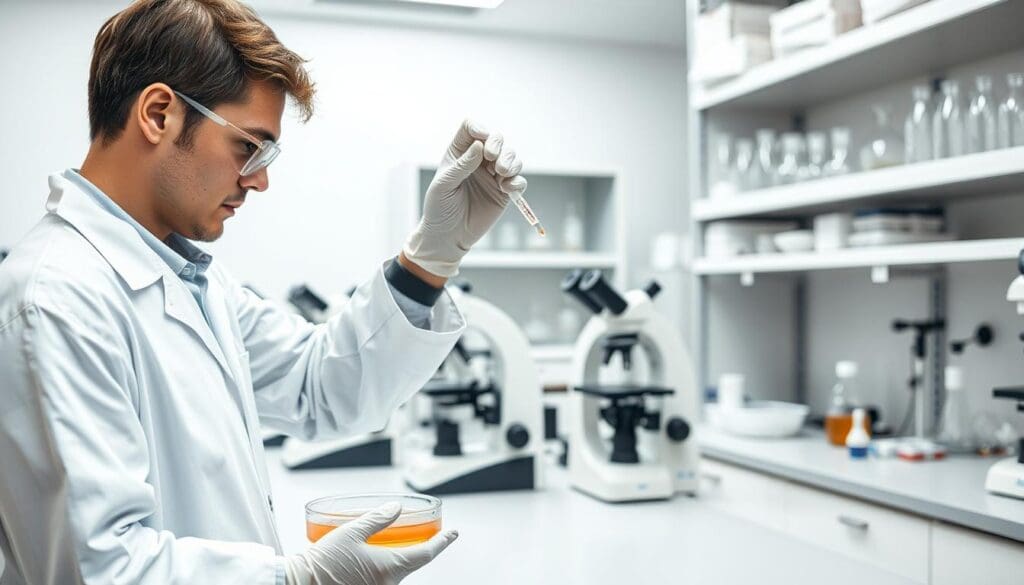
Embryonic stem cells are studied for their unique abilities. They come from embryos and can turn into many different cell types. This makes them very useful for research and possible treatments.
Definition and Pluripotent Properties
Embryonic stem cells can become any cell type in the body. This pluripotency sets them apart from adult stem cells. Adult stem cells can only turn into certain cell types.
These cells are key in medical research. They help us understand how we develop and how to model diseases. Their ability to become many cell types makes them very valuable for researchers.
Location Within the Blastocyst (4-7 Days Post-Fertilization)
Embryonic stem cells come from the inner cell mass of the blastocyst. This happens about 4-7 days after fertilization. The blastocyst has two main parts: the trophoblast and the inner cell mass.
The inner cell mass is where embryonic stem cells are found. They are then taken out and grown in the lab. Knowing how the blastocyst develops is key to getting these cells.
Differentiation Capabilities Into Three Primary Embryonic Layers
Embryonic stem cells can turn into the three main layers of the embryo: ectoderm, endoderm, and mesoderm. These layers are the foundation of all tissues and organs in the human body.
| Embryonic Layer | Derived Tissues and Organs |
|---|---|
| Ectoderm | Skin, nervous system, eyes, ears |
| Endoderm | Respiratory system, gastrointestinal tract, liver, pancreas |
| Mesoderm | Muscles, bones, blood vessels, heart |
This ability to differentiate is a big advantage. It makes embryonic stem cells a powerful tool for studying human development. It also opens up possibilities for regenerative medicine.
Ethical and Regulatory Framework
Exploring embryonic stem cell research brings up many ethical and regulatory hurdles. The use of embryos for research is a sensitive topic. It involves moral, legal, and social aspects.
Moral Considerations of Embryo Use
The moral issues of using embryos for stem cell research are deep. Embryos used for stem cell research are often donated after IVF. This raises questions about their status and rights.
We need to think about the ethical rules guiding the use of these embryos. We must respect human life while pushing forward in medical science.
The debate is about finding a balance between the benefits of stem cell research and the ethical worries of embryo donation. It’s key to tackle these issues through open and inclusive talks. This should involve ethicists, scientists, policymakers, and the public.
International Regulations on Embryonic Research
Rules on embryonic stem cell research differ a lot around the world. Some countries have strict rules, while others are more open.
There’s a mix of rules globally, from banning embryonic stem cell research to allowing it under certain rules. This shows the need for worldwide talks and teamwork to set common standards and best practices.
Consent Requirements for Embryo Donation
Getting consent from donors is key in ethical embryonic stem cell research. Donors must know the full implications of their donation. This includes the possible uses of their embryos and the ethical issues.
It’s vital to have strict consent procedures. This ensures donors’ choices are informed and voluntary. Clear guidelines and open processes are vital for keeping public trust in stem cell research.
Sources of Embryos for Stem Cell Research
Embryos for stem cell research come from two main places: IVF surplus embryos and embryos made for research. Knowing where these embryos come from helps us understand the challenges of stem cell research.
IVF Surplus Embryos: The Primary Source
Most embryos for stem cell research come from In Vitro Fertilization (IVF). IVF helps people conceive. It creates many embryos, but not all are used for pregnancy.
These extra embryos are frozen and kept for later use. If they’re not needed, they can be donated for research. This is a big way embryos are used for stem cell studies.
Research-Created Embryos: Protocols and Limitations
Some embryos are made just for research. This is done using special reproductive technologies. The rules for making these embryos are strict and follow ethical and legal guidelines.
Creating embryos for research raises ethical questions. Many places have laws against making embryos just for research. These laws are strict and require careful ethical review.
Screening Criteria for Suitable Embryos
Not every embryo is right for stem cell research. They’re checked for things like how developed they are, their quality, and if they have genetic problems. This makes sure only good embryos are used for research.
The quality of an embryo is very important. It affects how well stem cells can be taken out and grown. Poor-quality embryos or those with big problems are usually not used.
Laboratory Setup for Embryonic Stem Cell Extraction
A well-equipped laboratory is key for extracting embryonic stem cells. It’s important to have the right setup to keep the process safe and effective. We need to focus on several key areas to create the best environment.
Essential Equipment and Materials
To extract embryonic stem cells, we need special tools. These include:
- Laminar flow hoods to keep things clean
- Inverted microscopes for looking at embryos
- Micromanipulators for handling embryos carefully
- Cryostorage equipment for keeping embryos and stem cells safe
We also need top-notch supplies like culture media, enzymes, and plasticware. These help us grow and care for the stem cells.
Sterile Environment Requirements
Keeping everything clean is vital to avoid contamination. We do this by:
- Using laminar flow hoods and HEPA-filtered air systems
- Following strict rules for wearing gloves and gowns
- Cleaning surfaces and tools regularly
Quality Control Measures
To make sure our stem cell extraction is top-notch, we follow strict quality control steps:
| Measure | Description | Frequency |
|---|---|---|
| Microbiological testing | Checking for bacteria, fungi, and mycoplasma | Weekly |
| Equipment calibration | Checking that microscopes and other tools work right | Quarterly |
| Personnel training | Teaching staff about lab procedures | Bi-annually |
With a well-set-up lab, a clean environment, and strict quality checks, we can get high-quality embryonic stem cells.
Pre-Extraction Procedures
To ensure stem cells are viable, embryos go through specific steps before extraction. These steps are vital for getting stem cells successfully. They involve several important actions.
Embryo Thawing Techniques
The first step is thawing embryos. This must be done carefully to avoid harming the embryo. We use a controlled rate freezer to thaw them slowly. This method helps prevent damage from ice crystals.
Viability Assessment
After thawing, we check if the embryos are viable. We look at their structure and activity. This helps us see if they are healthy.
Checking viability is important to use only healthy embryos for stem cell extraction. For more on stem cell extraction, visit https://int.livhospital.com/how-are-stem-cells-obtained/.
Documentation and Tracking Systems
We document and track every step in the process. This includes thawing and viability checks. Our system helps us keep track of each embryo’s history.
Keeping accurate records is essential for high-quality stem cell extraction.
How Are Stem Cells Extracted From Embryos: Detailed Protocol
Extracting stem cells from embryos is a detailed process. It starts with removing the zona pellucida. This outer layer must go to get to the inner cell mass, where the stem cells are.
Zona Pellucida Removal Techniques
Removing the zona pellucida is key in getting stem cells. There are a few ways to do this. Enzymatic treatment uses enzymes like pronase to break it down. Mechanical removal uses tools to physically take it off.
We pick the best method for each embryo’s stage and the lab’s tools.
Inner Cell Mass Isolation
After the zona pellucida is gone, we focus on the inner cell mass (ICM). The ICM is a group of cells in the blastocyst that will grow into the fetus. We use immunosurgery or mechanical dissection to get the ICM.
Immunosurgery uses antibodies to remove the trophectoderm cells around the ICM. Mechanical dissection physically separates the ICM from the rest of the embryo.
After getting the ICM, we grow the cells in a special medium. This helps them grow and multiply.
Cultivation of Newly Extracted Stem Cells
After extracting stem cells from embryos, we must carefully cultivate them. This process creates an ideal environment for these cells to grow and multiply.
Growth Medium Composition and Optimization
The growth medium is vital for stem cell cultivation. It offers the necessary nutrients and growth factors for cell growth. We fine-tune the medium to meet the stem cells’ specific needs. This includes adding nutrients, growth factors, and sometimes feeder cells.
The growth medium includes:
- Basic nutrients like glucose and amino acids
- Growth factors that help cells multiply
- Serum or serum replacements for extra nutrients
- Antibiotics to prevent contamination
Feeder Cell Preparation and Maintenance
Feeder cells are key in supporting stem cell growth. We culture them separately and then irradiate them to stop their growth. This allows them to support stem cells without multiplying.
To keep feeder cells healthy, we:
- Regularly check their health and viability
- Replace their culture medium as needed
- Ensure they are free from contamination
Monitoring Cell Proliferation and Health
It’s important to monitor stem cell growth and health. We look for signs of differentiation, contamination, and cell death. We use microscopy and flow cytometry to check cell health and growth rates.
Feeder-Free Culture Systems
Feeder-free culture systems are becoming more popular. They reduce contamination and variability from feeder cells. These systems use defined matrices and growth factors for stem cell support. We find them effective for certain stem cells, providing a controlled environment.
By optimizing cultivation conditions, we ensure stem cells grow healthily. This is essential for both research and therapy.
Techniques for Harvesting Stem Cells from Embryos
Extracting stem cells from embryos uses advanced methods. Each method has its own benefits and challenges. It’s a key step in stem cell research and therapy, needing precision and care.
Enzymatic Dissociation Methods
Enzymatic dissociation is a common way to get stem cells from embryos. It uses enzymes like trypsin to break down cell proteins. This lets us isolate individual cells or small groups. It’s important to find the right balance between efficiency and cell survival.
“The choice of enzyme and how long it’s used are key,” studies say. They affect how well the cells are broken down.
Mechanical Passaging Techniques
Mechanical passaging is another method. It physically breaks down cell colonies into smaller pieces. Tools like pipettes or cell scrapers are used. It’s often paired with enzymatic methods to get the right cell density.
This method is simpler and might be less damaging. But, it can lead to more varied cell distribution.
Single-Cell Versus Cluster Isolation
Choosing to isolate stem cells as single cells or clusters depends on the need. Single-cell isolation gives a uniform cell population. Cluster isolation keeps important cell interactions and environments intact.
Efficiency Comparison of Different Methods
Enzymatic dissociation and mechanical passaging have their own advantages and drawbacks. Enzymatic methods are better for large-scale cell isolation but need careful setup to avoid damage. Mechanical passaging is simpler but might be less efficient for some uses.
The right harvesting technique depends on the research or therapy goals. It also depends on the stem cells being studied.
“Improving stem cell harvesting techniques is vital for stem cell research and therapy progress.”
Establishing and Maintaining Stem Cell Lines
Creating stem cell lines is a detailed process. It involves checking and freezing the cells. We make sure the lines are top-notch for research or treatments.
Early Passage Challenges
Starting stem cell lines is tough. We face issues like getting the cells to grow well and stay in their original state. We watch them closely for any problems.
Key challenges during early passages include:
- Adapting cells to in vitro culture conditions
- Maintaining pluripotency and self-renewal capabilities
- Minimizing the risk of contamination or genetic drift
Characterization of Established Lines
After the lines are set up, we check their quality. We look at their ability to grow into different cells, their genetic health, and how they grow.
| Characterization Parameter | Description | Importance |
|---|---|---|
| Pluripotency Markers | Expression of markers such as OCT4, SOX2, and NANOG | Indicates the ability to differentiate into multiple cell types |
| Genetic Stability | Karyotyping and genetic analysis to detect abnormalities | Ensures the cells are genetically normal and stable |
| Growth Characteristics | Assessment of cell proliferation rates and colony morphology | Helps in understanding the cells’ behavior in culture |
Cryopreservation Protocols
Cryopreservation is key for keeping stem cell lines. It lets us store them for a long time. We use special methods to protect the cells.
Revival of Frozen Stem Cell Lines
Bringing frozen stem cell lines back to life is delicate. We use proven steps to thaw and grow them again.
By sticking to these steps, we keep stem cell lines in great shape. They’re vital for research and treatments.
Quality Assessment and Validation
We have a detailed quality check for stem cells. This includes several key steps. It makes sure our stem cells are top-notch for medical use.
Pluripotency Marker Testing
Pluripotency marker testing is key to validating stem cells. We look for proteins and genes like OCT4, SOX2, and NANOG. These markers show the stem cells can turn into different cell types.
Genetic and Epigenetic Stability Analysis
Checking genetic and epigenetic stability is also important. We check the DNA for mutations and look at epigenetic changes. This ensures the stem cells are genetically sound and epigenetically right.
Contamination Screening Protocols
Our quality check also includes finding any contamination. We test for bacteria, viruses, and mycoplasma. This makes sure our stem cells are safe for medical use.
Functional Validation Assays
We also do functional validation assays. These tests see if the stem cells can turn into specific cell types. We check their function to make sure they work as they should.
By using all these quality checks, we make sure our stem cells are the best. Our detailed quality control shows we’re dedicated to safe and effective stem cell treatments.
Directing Differentiation of Extracted Stem Cells
After getting stem cells from embryos, we need to guide them to become specific cell types. This is key for regenerative medicine, aiming to fix or replace damaged tissues.
Growth Factor Signaling Pathways
Growth factors are essential in directing stem cell differentiation. They send signals that guide the cell’s development. For example, bone morphogenetic proteins (BMPs) help steer cells towards certain paths.
“Using growth factors in stem cell differentiation is like giving them a map,” experts say. “It helps them find their way to where they need to go.”
Protocols for Specific Cell Type Generation
Creating different cell types needs unique methods. For instance, making neural cells involves retinoic acid and specific growth factors. We’ll look at how to make a few cell types, showing the complexity involved.
- Neural cells: Retinoic acid and neural growth factors
- Cardiac cells: Activin A and BMP4
- Pancreatic cells: Factors influencing endodermal differentiation
Monitoring and Confirming Differentiation
It’s vital to watch how stem cells differentiate to make sure they turn into the right cells. We use quantitative PCR and immunocytochemistry to check for specific markers.
Challenges in Directed Differentiation
Despite progress, guiding stem cells to differentiate is tough. One big problem is getting all cells to turn into the same type. “Improving the uniformity of cell types is a major challenge,” researchers say.
We’re working hard to better understand how growth factors and stem cells interact. Our goal is to make stem cell therapies more effective and safe.
Conclusion
Stem cell research has made big strides in understanding how embryos grow. It also shows great promise for new treatments and regenerative medicine. We’ve looked at how stem cells are taken from embryos, showing the need for clean labs and careful methods.
Embryonic stem cells could help treat many diseases and injuries. But, we must think about the ethics of using embryos in research. Rules and consent are key to doing this research right.
As we keep moving forward, talking about ethics is vital. This ensures research is done with respect. This way, we can use stem cell research to better human health and find new treatments. The future of stem cell therapy looks bright, and more research is needed to unlock its full power.
FAQ
What are embryonic stem cells, and why are they significant?
Embryonic stem cells come from embryos. They can turn into different cell types. This makes them important for research and possible treatments.
How are stem cells extracted from embryos?
To get stem cells, the outer layer of the embryo is removed. Then, the inner cell mass is taken out. This is done using enzymes and tools.
What is the role of the inner cell mass in embryonic stem cell extraction?
The inner cell mass is where the fetus comes from. It’s where embryonic stem cells are found. These cells are then grown in a lab.
What are the ethical considerations surrounding the use of embryos for stem cell research?
Using embryos for research is a big debate. Rules about this vary around the world. We follow strict rules and get permission for using embryos.
What are the primary sources of embryos for stem cell research?
Most embryos come from IVF that didn’t work or were made for research. We check each embryo to make sure it’s right for research.
How are embryos prepared for stem cell extraction?
First, embryos are thawed carefully. Then, they’re checked to see if they’re alive. We keep track of them to make sure they’re okay.
What is involved in cultivating newly extracted stem cells?
Growing stem cells means making the right food for them. We also use special cells to help them grow. We watch how they do to keep them healthy.
What techniques are used for harvesting stem cells from embryos?
We use special ways to break down the embryo. We can get single cells or groups of cells, depending on what we need.
How are stem cell lines established and maintained?
Making stem cell lines is hard at first. We check to make sure they’re good. We also freeze them for later use.
How are stem cells validated for quality and purity?
We test stem cells to make sure they’re good. We check their genes and how they grow. This ensures they’re safe to use.
Can extracted stem cells be directed to differentiate into specific cell types?
Yes, we can guide stem cells to become specific types. We use special signals and methods to do this.
What are the therapeutic applications of embryonic stem cells?
Stem cells could help fix damaged tissues. They could also replace cells lost to disease. This could lead to new treatments for many conditions.
References
DNA Learning Center (Cold Spring Harbor Laboratory): How Embryonic Stem Cell Lines are Made
PubMed Central (NCBI): Isolation of Human Umbilical Cord Stem Cells
NCBI Bookshelf (National Library of Medicine): Stem Cells: A Primer
Pew Research Center: The Science Behind Stem Cell Research