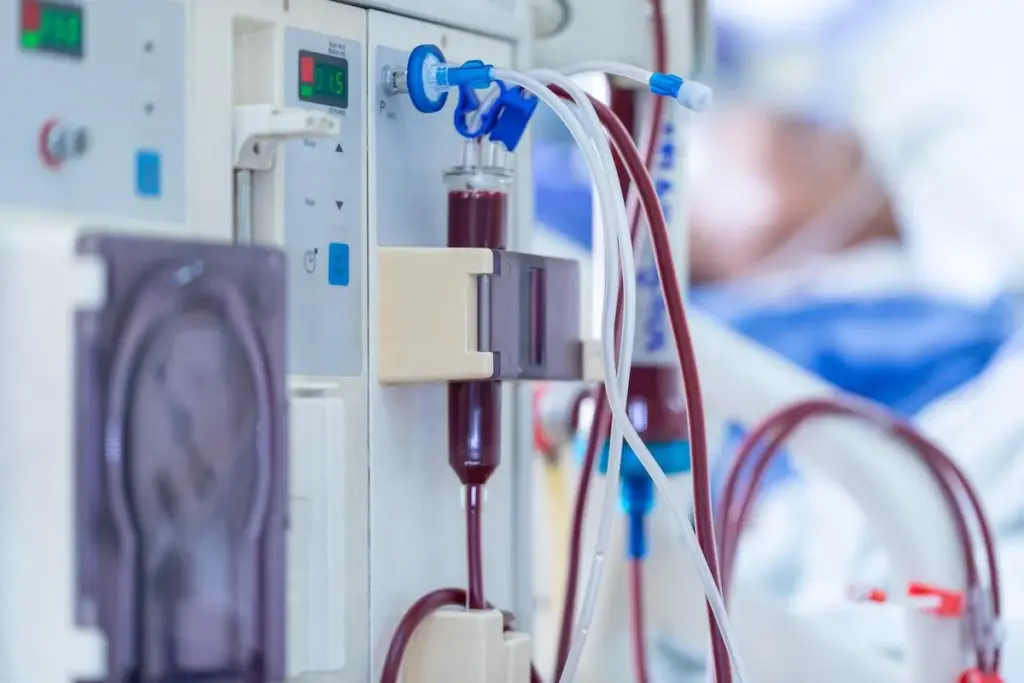
For patients starting hemodialysis, getting an arteriovenous fistula is a big decision. It offers better long-term results and lasts longer than other options fistula.
At Liv Hospital, we follow the latest medical guidelines. We aim to give top-notch care and make sure patients get the best treatment. This includes thorough checks, skilled surgery, and proven ways to keep the fistula working well.
An arteriovenous fistula is a special connection made between an artery and a vein, usually in the arm. It lets a lot of blood flow, which is perfect for hemodialysis. This is key for those needing dialysis for a long time.
Key Takeaways
- Creating an arteriovenous fistula is a big step for patients with end-stage renal disease.
- The procedure makes a connection between an artery and vein, usually in the arm.
- For the fistula to work well and last long, you need careful checks and skilled surgery.
- Liv Hospital is dedicated to giving high-quality, ethical care.
- Using proven methods is key for good results.
Understanding AV Fistula for Dialysis
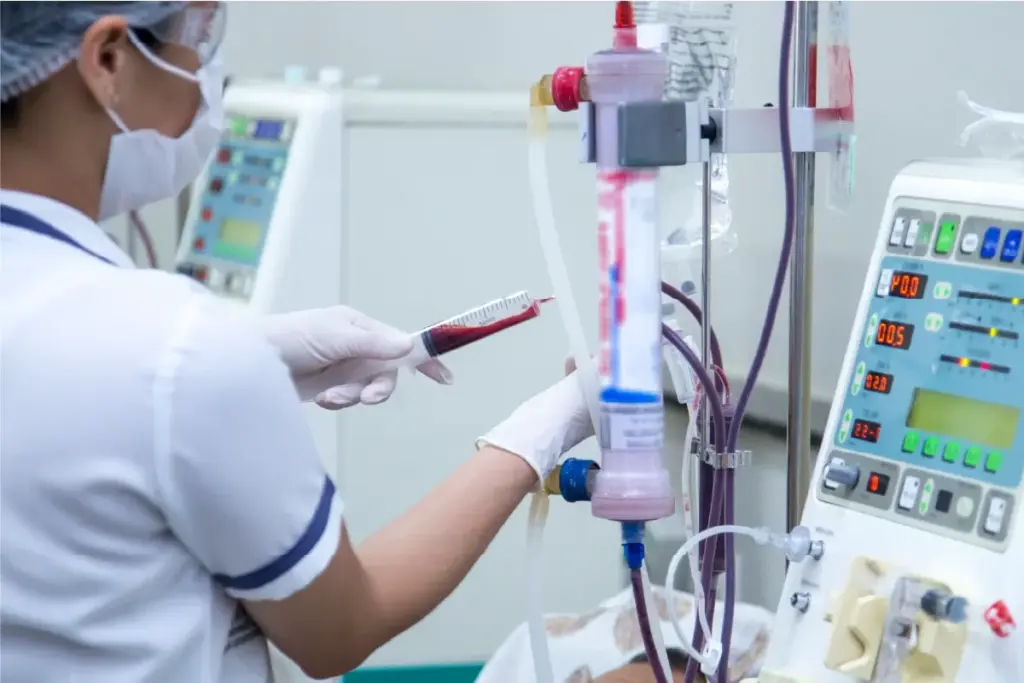
An arteriovenous fistula is a vital option for those needing dialysis. It’s a surgically made link between an artery and a vein. This setup is made to last and work well for hemodialysis.
What Is an Arteriovenous Fistula?
An arteriovenous fistula is made by joining an artery and a vein in the forearm. This method creates a strong access point for hemodialysis. The dialysis shunt in arm is planned to work well and be comfortable for the patient.
Benefits of AV Fistulas Compared to Other Access Methods
AV fistulas have big advantages over other options. They have lower risks of infection and blood clots than other methods. Studies show they lead to fewer infections, hospital stays, and deaths.
| Vascular Access Method | Infection Risk | Thrombosis Risk | Long-term Patency |
|---|---|---|---|
| AV Fistula | Low | Low | High |
| AV Graft | Moderate | Moderate | Moderate |
| Central Venous Catheter | High | High | Low |
AV fistulas offer better long-term results and fewer problems than other options. They are the top choice for long-term dialysis access.
Preparing for Your AV Fistula Procedure
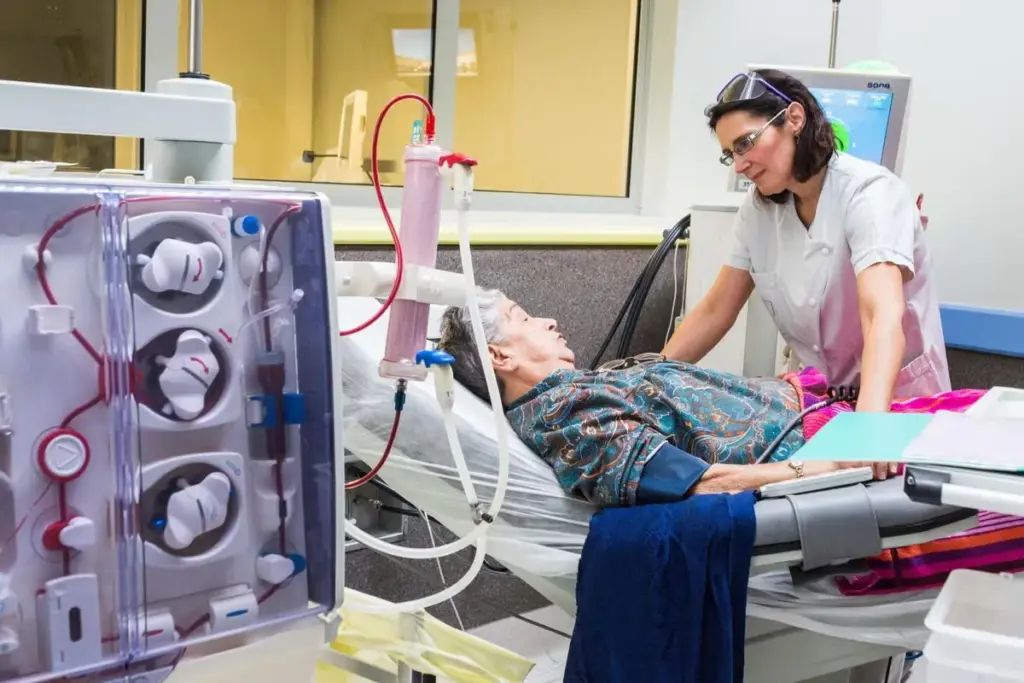
Getting ready for an AV fistula for dialysis is a big step. It involves medical checks and learning about the process. This ensures the best results.
Pre-Surgical Evaluation and Vein Mapping
A detailed check-up is done before surgery. This includes vein mapping with ultrasound to look at the veins. Dr. John Smith, a top vascular surgeon, says, “Vein mapping is key. It finds the best veins for the AV fistula.”
“The veins’ quality is very important for the AV fistula’s success,” Dr. Smith adds.
The check-up covers:
- Checking the patient’s health
- Looking at the veins’ condition and size
- Finding the best spot for the fistula
| Evaluation Criteria | Description | Importance |
|---|---|---|
| Vascular Anatomy | Checking vein size and health | High |
| Overall Health | Looking at the patient’s health overall | High |
| Fistula Location | Finding the best spot for the AV fistula | High |
Choosing the Best Location for Your Fistula
Picking the right spot for the AV fistula is very important. The non-dominant arm is usually chosen to keep daily life easy. The spot is picked based on the check-up and vein mapping.
What to Expect Before Surgery
Before surgery, patients get advice on a few things. This includes:
- Any changes to their medicine
- Changes in lifestyle before and after surgery
- Instructions for the day of surgery
Knowing these things can help reduce worry. The National Kidney Foundation says, “Good preparation and learning are vital for a successful dialysis access.”
The AV Fistula Dialysis Creation Process
The AV fistula dialysis creation process is a surgery that connects an artery to a vein. It’s done under local anesthesia to reduce pain. This is key for patients needing hemodialysis, as it makes dialysis safer and more effective.
Surgical Procedure Step-by-Step
The AV fistula creation is a detailed surgery. First, a small cut is made in the skin to reach the artery and vein. Then, these vessels are joined to form a fistula. The whole process usually takes one to two hours.
Key Steps in the Surgical Procedure:
- Pre-operative evaluation to find the best fistula location.
- Local anesthesia is given to lessen pain.
- A small incision is made to access the artery and vein.
- The artery and vein are joined to create the fistula.
- Monitoring for immediate post-operative complications.
Recovery and Initial Healing
After surgery, patients are watched for any immediate issues. The fistula then heals and matures, a process that can take weeks to months. During this time, the vein thickens and becomes ready for needle insertion.
Proper post-operative care is essential to ensure the success of the AV fistula. Patients must follow their surgeon’s instructions closely. This helps in healing and reduces the risk of complications.
Fistula Maturation Timeline
The maturation of an AV fistula is vital for its success. It needs time to mature before dialysis use. The maturation time varies, but usually, it takes 4 to 6 weeks.
| Week | Maturation Stage | Characteristics |
|---|---|---|
| 1-2 | Initial Healing | The fistula begins to heal, and swelling reduces. |
| 2-4 | Early Maturation | The vein starts to thicken, and blood flow increases. |
| 4-6 | Advanced Maturation | The fistula becomes more developed, ready for dialysis. |
Knowing about the AV fistula creation process and recovery helps patients prepare for dialysis. It’s important to follow healthcare professionals’ advice for the best results.
Conclusion: Caring for Your AV Fistula Long-Term
After fistula surgery for dialysis, caring for your AV fistula is key. It keeps it working well for a long time. You need to watch it closely and take care of it to avoid problems.
Keep your fistula clean and don’t wear tight clothes that might hurt it. Exercise helps keep blood flowing and makes your fistula last longer. Watch out for signs of infection or blood clots, which can harm your av dialysis shunt.
Listening to your healthcare team and taking action helps your AV fistula work well. Good care keeps you healthy while you’re on dialysis.
FAQ
What is an arteriovenous fistula for dialysis?
An arteriovenous fistula is a surgical connection between an artery and a vein. It’s usually in the arm. This allows for high-volume blood flow, making it ideal for hemodialysis.
What are the benefits of having an AV fistula for dialysis?
AV fistulas have fewer risks of infection and blood clots than other options. They also tend to last longer, making them a top choice for long-term dialysis access.
How is the location for the AV fistula determined?
Doctors decide the location after a pre-surgical evaluation. This includes vein mapping to check the patient’s blood vessel anatomy. They usually choose the non-dominant arm.
What is the AV fistula creation process like?
Creating an AV fistula is a surgical process. It involves making a small incision to access the artery and vein. Then, these vessels are connected under local anesthesia.
How long does it take for the AV fistula to mature?
The fistula takes several weeks to months to mature. During this time, the vein thickens and becomes ready for needle insertion.
How do I care for my AV fistula long-term?
Patients should watch for signs of complications and do exercises to improve blood flow. Keeping the fistula clean and avoiding damage are also important. Always follow your healthcare team’s advice.
What are the signs of potentially complications with my AV fistula?
Look out for signs like infection, blood clots, or steal syndrome. Being aware of these can help you get timely medical help.
Can I use my AV fistula if I have an infection?
No, if you think you have an infection, get medical help right away. Infections can be serious and even life-threatening.
How do I know if my AV fistula is working properly?
Your healthcare team will check the fistula’s function. You can also look for a thrill or buzzing sensation over the fistula. This means blood is flowing.
What is the difference between an AV fistula and an AV graft?
An AV fistula is a direct connection between an artery and vein. An AV graft uses a synthetic tube for the connection. Each has different risks and benefits.
References
How to Get an AV Fistula for Dialysis: Complete Guide
https://www.ncbi.nlm.nih.gov/books/NBK559085/