

Electrolytes are key minerals our bodies need. They help with nerve signals, muscle work, keeping us hydrated, and controlling heart rate and blood pressure. We can find these important minerals in foods like fruits, veggies, dairy, and nuts.
Knowing how to get electrolytes naturally is key for staying healthy. Foods like bananas, avocados, spinach, and coconut water are full of electrolytes. They’re great for keeping our electrolyte levels up.
Key Takeaways
- Electrolytes are vital for various bodily functions, including nerve and muscle function.
- Natural food sources are the best way to obtain electrolytes.
- Foods like bananas, avocados, and spinach are rich in electrolytes.
- Coconut water is a natural source of electrolytes.
- A balanced diet can help maintain optimal electrolyte levels.
Understanding Electrolytes and Their Functions

Electrolytes are vital for our bodies to function well. They are electrically charged minerals that help with nerve and muscle work, blood pressure, and staying hydrated.
Essential Minerals for Critical Body Functions
Electrolytes like sodium, potassium, calcium, magnesium, chloride, and phosphate are key. Potassium helps the heart and muscles work right. Calcium is important for bones and muscles. Magnesium aids in muscle and nerve function, and energy.
These minerals work together to keep our bodies in balance. For example, sodium and chloride help control water levels and blood pressure. Knowing their roles helps us see why they’re so important for our health.
Signs You Need More Electrolytes
Not having enough electrolytes can cause health problems. Signs include feeling tired, muscle cramps, an irregular heartbeat, and digestive issues. Spotting these signs early can stop bigger health problems.
Muscle cramps or spasms might mean you need more magnesium or potassium. An irregular heartbeat could mean potassium or other electrolyte imbalances. Knowing these signs helps us keep our electrolyte levels right through what we eat.
What Foods Have Electrolytes: Complete Guide to Natural Sources
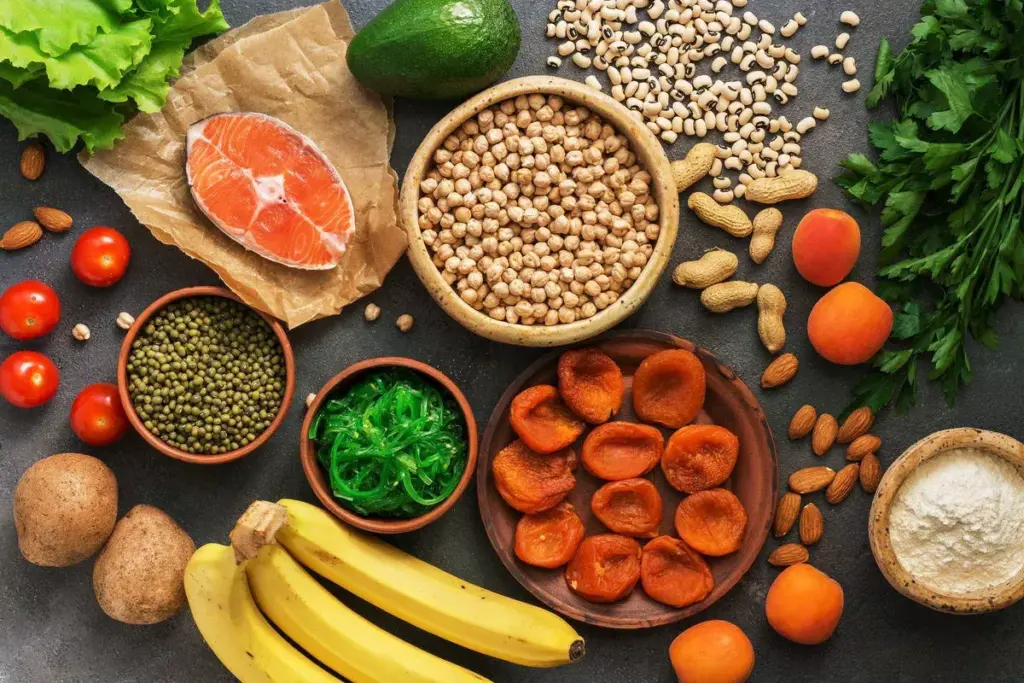
Our bodies need electrolytes to work right. A diet full of the right foods can give them to us. Electrolytes are minerals that help with nerve and muscle work, keeping us hydrated and balanced.
To keep our electrolyte levels right, we need to eat a variety of foods. We’ll look at foods rich in key electrolytes: potassium, calcium, magnesium, sodium, and chloride.
Potassium-Rich Foods
Potassium helps our heart and blood pressure stay healthy. Some top sources are:
- Bananas
- Avocados
- Spinach
- Nuts and seeds, such as almonds and pumpkin seeds
- Fatty fish, like salmon
These foods give us potassium and other good stuff, making them great for our diet.
Calcium Sources
Calcium is key for strong bones and muscles. We can get it from:
- Dairy products like milk, cheese, and yogurt
- Fortified plant-based milk and cereals
- Leafy greens, such as kale and broccoli
- Tofu and other soy products
Eating these foods helps keep our bones strong and supports our health.
Magnesium-Rich Foods
Magnesium helps with energy and muscle relaxation. Foods high in magnesium are:
- Leafy greens, like spinach and Swiss chard
- Nuts and seeds, such as almonds, cashews, and pumpkin seeds
- Legumes, including black beans and chickpeas
- Whole grains, like brown rice and quinoa
These foods are good for a balanced diet and help our body work right.
Sodium and Chloride Natural Sources
Sodium and chloride are in foods as salt. Natural sources include:
- Seaweed and sea salt
- Cured meats, like bacon and ham
- Bread and other baked goods
- Processed foods, though we should eat less of these
It’s easy to get enough sodium, but we should eat it in small amounts to stay healthy.
Here’s a quick look at the main electrolytes and where to find them:
| Electrolyte | Food Sources |
| Potassium | Bananas, avocados, spinach, nuts, seeds, fatty fish |
| Calcium | Dairy products, fortified plant-based milk, leafy greens, tofu |
| Magnesium | Leafy greens, nuts, seeds, legumes, whole grains |
| Sodium and Chloride | Seaweed, cured meats, bread, baked goods, processed foods |
Natural Beverages to Replenish Electrolytes
Natural drinks are a great way to get electrolytes back into your body. Electrolytes like potassium, sodium, calcium, and magnesium are key for staying hydrated and keeping muscles working right.
Not all drinks are the same when it comes to electrolytes. Some natural drinks are better than others at helping your body get back in balance.
Coconut Water: Nature’s Sports Drink
Coconut water is packed with electrolytes, mainly potassium. It’s perfect for drinking after working out or when you’re feeling sick.
Benefits of Coconut Water:
- Rich in potassium, an essential electrolyte
- Low in calories and rich in nutrients
- Effective in replenishing fluids and electrolytes
Mineral-Rich Fruit and Vegetable Juices
Some juices from fruits and veggies are full of minerals that act as electrolytes. Orange juice is good for potassium, and beetroot juice is a natural source of sodium.
Examples of Mineral-Rich Juices:
- Orange juice (potassium)
- Beetroot juice (sodium)
- Spinach juice (magnesium)
Homemade Electrolyte Drink Recipes
Making your own electrolyte drinks lets you tailor them to your needs. A basic recipe mixes water, salt, honey, and lime juice for a natural electrolyte boost.
A Simple Homemade Electrolyte Drink Recipe:
- Mix 1 liter of water with 1/2 teaspoon of salt and 1 tablespoon of honey.
- Add the juice of 1 fresh lime.
- Stir well and adjust to taste.
Adding these natural drinks to your diet helps keep your electrolytes balanced. This is good for your body’s overall health.
Conclusion: Maintaining Electrolyte Balance Through Diet
Keeping electrolyte balance right is key for good health. A balanced diet is a big part of this. Eating a variety of foods rich in electrolytes helps us get the minerals we need.
To get enough electrolytes, eat foods high in potassium, calcium, magnesium, sodium, and chloride. Add bananas and leafy greens for potassium, dairy for calcium, and nuts and seeds for magnesium. Knowing what foods have electrolytes helps us make better choices.
Drinking enough water is also important, more so when we’re active or sick. Coconut water and juices from fruits and veggies can help replace lost electrolytes. Being mindful of our electrolyte intake helps our health and well-being.
By following these tips, we can keep our electrolyte levels just right. Electrolyte-rich foods are easy to find. With a bit of planning, we can make sure we get all the electrolytes we need.
FAQ’s:
What are electrolytes and why are they important for the body?
Electrolytes are minerals that regulate fluid balance, nerve signals, and muscle function.
How do I know if I have an electrolyte imbalance?
Symptoms include fatigue, muscle cramps, dizziness, irregular heartbeat, and confusion.
What are some natural sources of electrolytes?
Fruits, vegetables, dairy, nuts, seeds, and whole grains provide natural electrolytes.
Are there any natural beverages that can help replenish electrolytes?
Coconut water, natural fruit juices, and homemade electrolyte drinks can help restore electrolytes.
Can I get enough electrolytes from a balanced diet?
Yes, a varied diet with fruits, vegetables, and dairy usually meets electrolyte needs.
How can I ensure I’m getting enough electrolytes naturally?
Eat a diverse diet rich in fruits, vegetables, dairy, and nuts, and stay hydrated.
Are supplements necessary for maintaining electrolyte balance?
Supplements are generally only needed during illness, intense exercise, or medical conditions.
What are some examples of foods that are high in electrolytes?
Bananas, spinach, avocados, yogurt, nuts, and leafy greens are rich in electrolytes.
References:
National Center for Biotechnology Information. Evidence-Based Medical Insight. Retrieved from https://www.ncbi.nlm.nih.gov/books/NBK564391/



 Departments
 Related Videos
 Our Doctors
 News
News