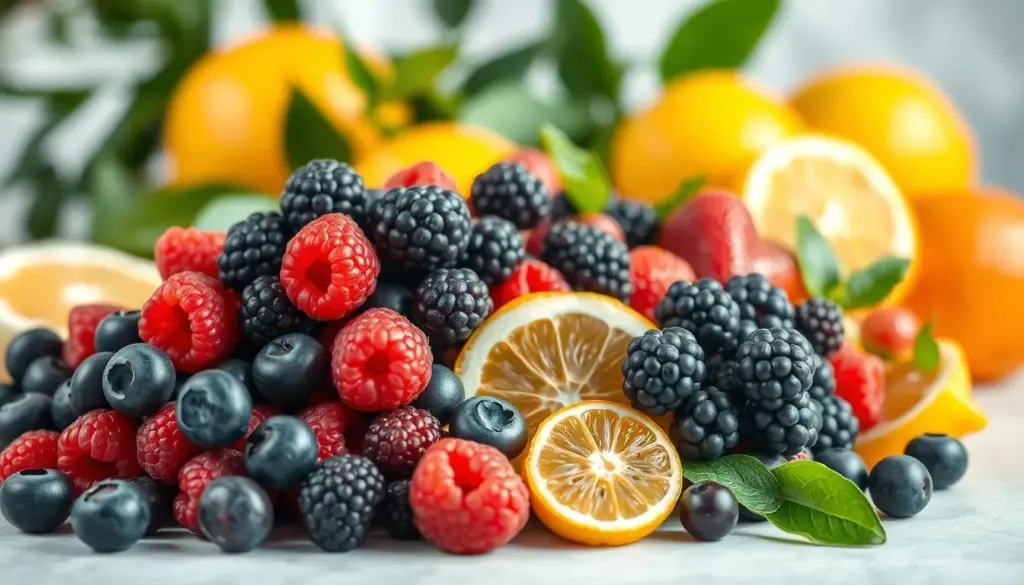
Eating lots of fruits and veggies is key to keeping your cervical health in check. It might even help lower the chance of getting cervical cancer.Boost your immunity and learn how to get rid of hpv faster by eating specific cervical-cleansing fruits that protect your delicate cells.
Research shows that women who eat more dark green or yellow fruits and veggies have a 50% lower risk of serious cervical problems.
Citrus fruits are good for your cervical health. Carotenoids in carrots, tomatoes, and apricots might also help fight off HPV infections.
Key Takeaways
- High fruit intake is linked to a lower risk of cervical cancer and pre-cancerous lesions.
- Eating dark green or yellow fruits and veggies can cut the risk of serious CIN by up to 50%.
- Citrus fruits are good for cervical health as part of a balanced diet.
- Carotenoids in some fruits and veggies might affect HPV infection outcomes.
- A diet full of fruits and veggies is vital for keeping your cervical health in top shape.
The Connection Between Nutrition and Cervical Health
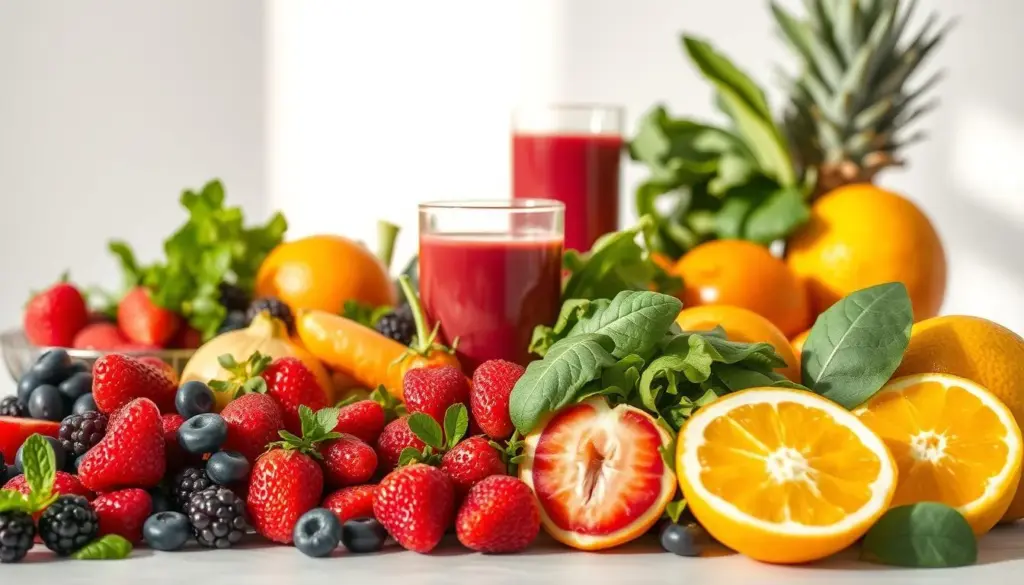
Nutrition is key to keeping your cervix healthy and preventing cervical cancer. Eating foods full of important nutrients boosts your immune system. This can lower the chance of cervical problems.
Understanding Cervical Cancer Risk Factors
Cervical cancer mainly comes from the human papillomavirus (HPV). Other risks include smoking, a weak immune system, and not getting enough nutrients. Knowing these risks helps prevent and catch problems early.
The Role of Diet in Cervical Health
Your diet is very important for cervical health. Nutritional deficiencies can make HPV stick around longer, which is a big risk for cervical cancer. Eating lots of fruits, veggies, and whole grains helps your immune system.
Nutritional Deficiencies and HPV Persistence
Not getting enough vitamin C and folate can raise HPV risk. It’s important to get these nutrients from food or supplements. Good nutrition helps your immune system fight off HPV.
Eating a diet full of nutrients is a smart way to keep your cervix healthy. It also lowers the risk of cervical cancer.
HPV and Cervical Cancer: Understanding the Link
The human papillomavirus (HPV) is a major risk for cervical cancer. It’s a common virus spread through sex. While many strains are safe, some can cause serious health problems.
How HPV Affects Cervical Cells
HPV can make cervical cells abnormal, leading to cancer. When HPV infects these cells, it can mess up their function. This can lead to cancer if not treated.
From HPV Infection to Cervical Cancer
The journey from HPV to cervical cancer takes several steps. First, HPV infects cervical cells, causing changes. If the immune system can’t fight it off, these changes can turn into cancer.
High-Risk vs. Low-Risk HPV Types
Not all HPV types lead to cancer. High-risk HPV types, like HPV 16 and 18, are linked to most cervical cancers. On the other hand, low-risk types usually cause genital warts, not cancer.
Citrus Fruits: Vitamin C Powerhouses for Cervical Health
Citrus fruits are packed with vitamin C, which is key for cervical health. They are a big part of many diets and offer lots of health benefits.
Oranges, Grapefruits, and Lemons
Oranges, grapefruits, and lemons are top citrus fruits, all high in vitamin C. Vitamin C fights cell damage and boosts the immune system. Eating these fruits helps keep your body healthy, including your cervix.
How Vitamin C Strengthens Immune Response Against HPV
Vitamin C is important for fighting HPV. Studies show it helps the body clear HPV by making the immune system stronger. Eating foods high in vitamin C is good for managing HPV.
Research on Vitamin C and HPV Clearance
Research links vitamin C to better HPV fighting. A study on PMC found that more vitamin C means a stronger immune response against HPV. This shows eating foods rich in vitamin C, like citrus fruits, is beneficial.
The main benefits of citrus fruits for cervical health are:
- They are full of vitamin C, which helps the immune system.
- They have antioxidants that protect cells.
- They may help clear HPV by strengthening the immune system.
Berries: Antioxidant-Rich Allies Against Cervical Abnormalities
Berries are not just tasty; they’re also full of antioxidants. These help protect against cervical problems. We suggest adding different berries to your meals to boost cervical health.
Strawberries, Blueberries, and Raspberries
Strawberries, blueberries, and raspberries are top in antioxidants. They’re loaded with anthocyanins, which fight cancer. Eating these berries often can help your body fight HPV and cervical issues.
Anthocyanins and Their Anti-Cancer Properties
Anthocyanins give berries their bright colors and are good for health. Studies show they stop cancer cells from growing and cause them to die. This is key in stopping cervical problems from turning into cancer.
Clinical Studies on Berry Consumption and CIN Risk Reduction
Many studies have looked at berries and cervical health. One study found women eating more berries had less CIN risk than those eating fewer. Eating berries might help lower cervical cancer risk.
- Berries are rich in antioxidants and anthocyanins.
- Regular berry eating can lower cervical abnormality risk.
- Studies back up berry eating for CIN risk reduction.
Carotenoid-Rich Fruits for Cervical Protection
Eating carotenoid-rich fruits is key to keeping your cervix healthy. Carotenoids are antioxidants that fight off diseases, including cervical cancer. They are found in many fruits.
Apricots, Mangoes, and Papayas
Apricots, mangoes, and papayas are full of carotenoids. They taste great and are packed with nutrients good for your cervix. Apricots have lots of vitamin A, which keeps cells healthy. Mangoes are loaded with beta-carotene, which turns into vitamin A in your body and boosts your immune system. Papayas have carotenoids that fight cancer.
How Carotenoids Combat HPV-Related Cell Changes
Carotenoids fight HPV-related cell changes by boosting your immune system and protecting cells. They do this by fighting off free radicals that harm cells.
Beta-Carotene’s Role in Cervical Health
Beta-carotene is a key carotenoid for cervical health. It helps your immune system and keeps cells safe from damage.
|
Fruit |
Carotenoid Content |
Benefit for Cervical Health |
|---|---|---|
|
Apricot |
High in Vitamin A |
Maintains healthy cells |
|
Mango |
Rich in Beta-Carotene |
Supports immune function |
|
Papaya |
Variety of Carotenoids |
Anti-cancer properties |
Folate-Rich Foods: Critical for DNA Repair in Cervical Cells
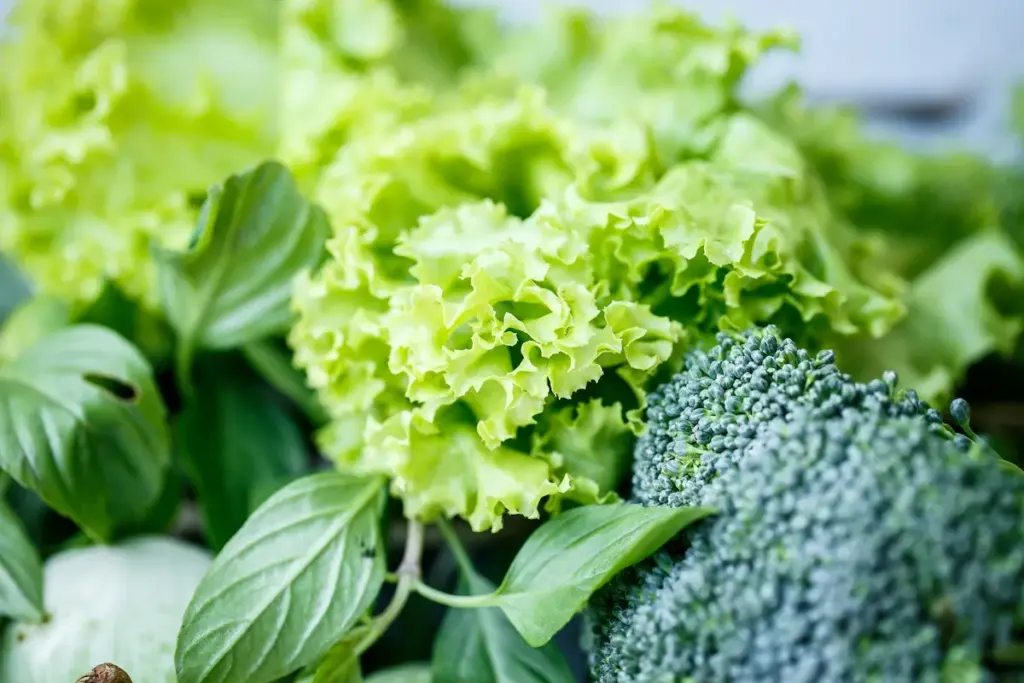
Folate is a key B vitamin for DNA repair and synthesis. It’s vital for keeping cervical cells healthy. Women with HPV infections need enough folate to support their body’s natural repair processes.
Avocados and Other Folate Sources
Avocados are packed with folate, along with spinach and kale. Adding these to your meals boosts folate levels. Other good sources include legumes, nuts, and fortified cereals.
Folate Deficiency and Cervical Cancer Risk
A folate shortage can raise cervical cancer risk, more so in HPV-positive women. Folate aids in DNA repair. Without enough, genetic damage may lead to cancer.
Recommended Daily Intake for Women with HPV
Women with HPV should aim for 400-800 micrograms of folate daily. But, needs can differ. Always check with a healthcare provider for your specific needs.
How to Get Rid of HPV Faster Through Dietary Approaches
Diet is key in fighting HPV. A good diet boosts your immune system. This can help clear the virus faster.
Creating an Anti-HPV Meal Plan
An anti-HPV meal plan should include foods that boost your immune system. Eating a variety of fruits, vegetables, and whole grains is important. These foods give you the vitamins and minerals needed to fight HPV.
- Fruits: Berries, citrus fruits, and carotenoid-rich fruits like mangoes and papayas.
- Vegetables: Leafy greens, cruciferous vegetables, and other colorful vegetables.
- Whole Grains: Brown rice, quinoa, and whole-wheat products.
Combining Fruits for Maximum Benefit
Mixing different fruits can make them even more nutritious. For example, oranges and berries together create a strong antioxidant effect.
Some great fruit pairs include:
- Oranges and strawberries
- Blueberries and bananas
- Mangoes and pineapples
Sample Daily Menu for HPV Clearance
Here’s a daily menu that fights HPV:
|
Meal |
Foods |
|---|---|
|
Breakfast |
Oatmeal with berries and sliced banana |
|
Lunch |
Grilled chicken salad with mixed greens, citrus segments, and whole-grain crackers |
|
Dinner |
Baked salmon with roasted vegetables and quinoa |
|
Snacks |
Fresh fruit smoothies or carrot sticks with hummus |
By eating a variety of nutrient-rich foods, you can help your body fight HPV better.
Beyond Fruits: Other Plant-Based Foods for Cervical Health
Fruits are key for cervical health, but other plant-based foods are also important. Eating a variety of these foods gives your body many nutrients. These nutrients help keep you healthy, including your cervical area.
Dark Green Leafy Vegetables
Spinach, kale, and collard greens are full of nutrients that boost your immune system. They have folate, which is important for cell growth and DNA repair. This can help prevent cervical problems.
Cruciferous Vegetables and HPV
Broccoli, cauliflower, and Brussels sprouts have compounds that fight cancer. They are rich in glucosinolates. These help remove harmful substances, including cancer-causing ones.
The Synergistic Effect of Fruits and Vegetables
Fruits and vegetables work better together than alone. Vitamin C in fruits helps your body absorb iron from greens. Eating a mix of both can really help your cervical health.
|
Food |
Key Nutrient |
Benefit for Cervical Health |
|---|---|---|
|
Spinach |
Folate |
Supports DNA repair and cell division |
|
Broccoli |
Glucosinolates |
May help in eliminating carcinogens |
|
Kale |
Antioxidants |
Protects cells from damage |
Eating a variety of plant-based foods helps your body fight off diseases. It also keeps your cervical area healthy.
Supplements and Extracts: When Whole Fruits Aren’t Enough
Eating a lot of fruits is key for keeping your cervix healthy. But, some people might need extra help from supplements and extracts. This is true for those who find it hard to eat well or have certain nutrient gaps.
Vitamin C and Other Antioxidant Supplements
Vitamin C supplements can boost your immune system. This might help fight off HPV. Other antioxidant supplements can also help keep your cervix healthy by fighting off harmful stress.
Green Tea Extract and HPV Clearance
Green tea extract might help your immune system work better. It could also help clear out HPV. Its antioxidants help keep your cervical cells in good shape.
Consulting Healthcare Providers Before Supplementation
Always talk to a doctor before taking any supplements or extracts. They can figure out if you really need them. They’ll also make sure you’re taking the right amount to avoid any bad reactions with other medicines.
Key considerations include:
- Checking for nutrient gaps
- Understanding how they might mix with other drugs
- Finding the right amount to take
Lifestyle Factors That Complement Fruit Consumption
Keeping your cervix healthy needs more than just eating right. It’s also about exercising, managing stress, and sleeping well. While fruits are key, other habits help a lot too.
Exercise and Immune Function
Working out boosts your immune system. This is important for fighting HPV and preventing cervical problems. Exercise does many good things, like:
- Boosting the production of immune cells
- Reducing inflammation
- Improving overall physical and mental health
Stress Management for HPV Clearance
Handling stress well is key to a strong immune system. Too much stress can make it harder to fight off HPV. Try meditation, yoga, or deep breathing to keep stress down.
Sleep Quality and Cervical Health
Getting enough sleep is vital for your health, including your cervix. Bad sleep can weaken your immune system, raising the risk of infections and problems. Make sure you sleep well to help your body stay healthy.
|
Lifestyle Factor |
Impact on Cervical Health |
|---|---|
|
Regular Exercise |
Enhances immune function, reduces inflammation |
|
Stress Management |
Supports immune response, reduces risk of HPV-related issues |
|
Good Sleep Quality |
Essential for immune function and overall health |
Adding these habits to your daily life can greatly help your cervical health and overall well-being.
Liv Hospital’s Multidisciplinary Approach to Cervical Health
At Liv Hospital, we believe in a holistic approach to cervical health. We use the latest medical treatments and dietary advice. We know that many things affect cervical health, like what we eat, how we live, and our genes.
Integrating Nutrition into Cervical Cancer Prevention
Nutrition is very important for preventing and treating cervical cancer. At Liv Hospital, we make sure patients get the right food advice. Our nutrition team helps create special diets that boost cervical health.
- Antioxidant-rich foods: Foods like berries and leafy greens protect cells from damage.
- Folate-rich foods: Foods high in folate, like avocados, help fix DNA and lower cervical risk.
- Vitamin C-rich foods: Foods like citrus fruits boost the immune system and help fight HPV.
Innovative Treatments and Preventive Strategies
Liv Hospital is always looking for new ways to fight cervical cancer. Our team works together to offer the latest treatments and trials. This way, patients get the best care possible.
Patient Success Stories and Outcomes
We’re proud of our patients’ success stories. Our mix of new treatments and nutrition advice has made a big difference. We’re dedicated to giving each patient the best care, improving their lives.
Conclusion: Empowering Yourself Through Nutritional Choices
Maintaining cervical health is tied to what we eat. Eating fruits full of vitamins and antioxidants helps our body fight HPV and cervical issues.
Knowing how food affects our health empowers us. Eating fruits like citrus, berries, and those rich in carotenoids boosts our immune system. This might lower cervical cancer risk.
Liv Hospital stresses the need for a team effort in cervical health. Nutrition plays a key role in prevention and treatment. Making smart food choices helps keep our cervical health in check.
A healthy diet and lifestyle, including exercise and managing stress, help fight HPV. This combo reduces cervical cancer risk. We urge you to make smart choices and get professional advice for better cervical health.
FAQ
What fruits are beneficial for cervical health?
Oranges, grapefruits, strawberries, blueberries, apricots, and mangoes are good for cervical health. They are full of vitamins and antioxidants.
How does vitamin C help in managing HPV?
Vitamin C boosts your immune system against HPV. Eating foods high in vitamin C, like citrus fruits, can help.
Are there any specific berries that help prevent cervical abnormalities?
Yes, strawberries, blueberries, and raspberries are packed with anthocyanins. These have anti-cancer properties that may prevent cervical abnormalities.
What role do carotenoids play in cervical health?
Carotenoids in fruits like apricots, mangoes, and papayas fight HPV-related cell changes. They support cervical health.
Why is folate important for women with HPV?
Folate helps fix DNA in cervical cells. Without enough folate, the risk of cervical cancer goes up. Foods like avocados are rich in folate and important for women with HPV.
Can dietary approaches help clear HPV faster?
Yes, an anti-HPV meal plan with fruits, veggies, and other nutrients can boost your immune system. This may help clear HPV faster.
Are there other plant-based foods beside fruits that support cervical health?
Yes, dark green leafy veggies and cruciferous veggies are also good for cervical health. They offer nutritional benefits that work well with fruits.
Can supplements aid in HPV clearance?
Supplements like vitamin C and green tea extract might help clear HPV. But, always talk to a healthcare provider before taking any supplements.
How do lifestyle factors complement fruit consumption for cervical health?
Exercise, managing stress, and good sleep improve your immune system. These lifestyle choices help fruit consumption support cervical health.
What is the importance of a multidisciplinary approach to cervical health?
A multidisciplinary approach, like at Liv Hospital, combines nutrition with cervical cancer prevention. It uses innovative treatments for complete care.
How can I naturally support my body’s fight against HPV?
Eating a diet full of fruits, veggies, and nutrients helps fight HPV. A healthy lifestyle also supports your body’s immune system.
What are some natural remedies for HPV infection?
There’s no surefire natural cure for HPV. But, eating foods rich in antioxidants, vitamins, and minerals helps your immune system and overall health.
Are there specific vitamins that help fight HPV?
Vitamins C and folate are key for immune function and cervical health. Getting enough of these vitamins through diet or supplements, under a doctor’s advice, is beneficial.
References
National Center for Biotechnology Information. Evidence-Based Medical Insight. Retrieved from https://pubmed.ncbi.nlm.nih.gov/38058147/