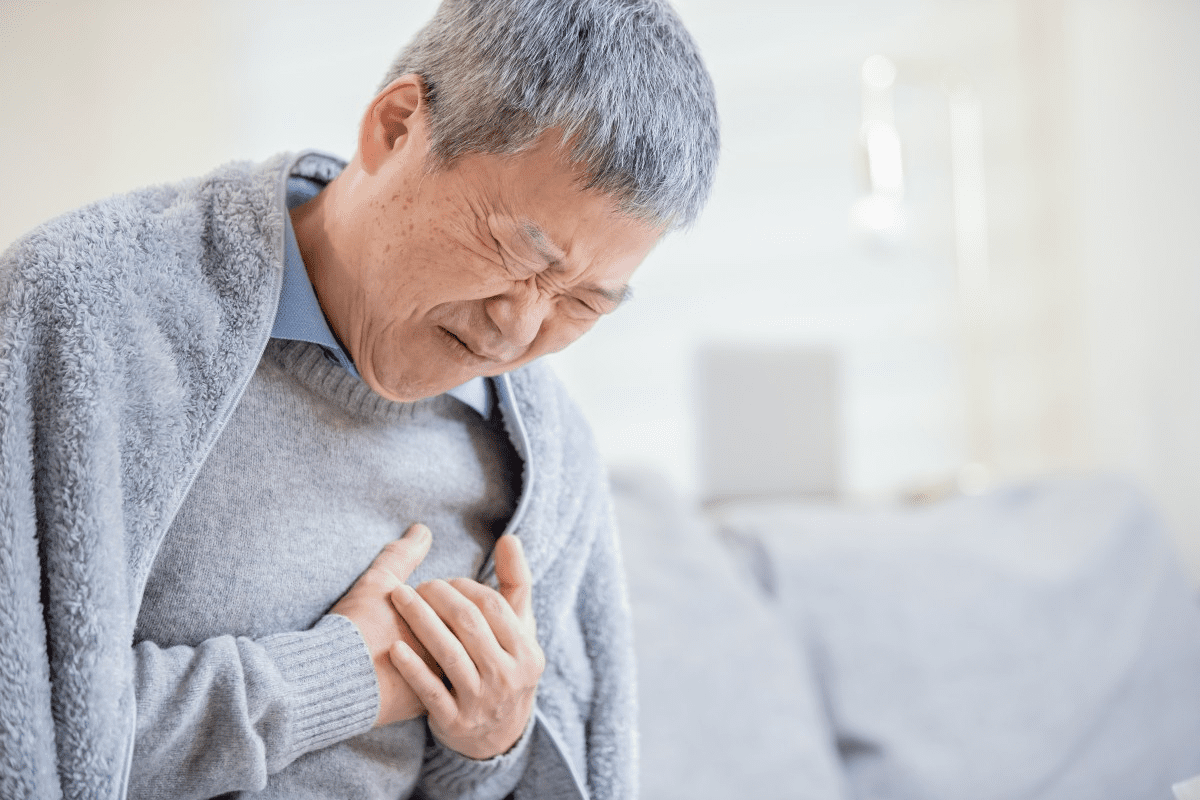
Learn how to improve shortness of breath while walking. Follow proven techniques to manage your lungs and increase mobility safely.
Feeling dyspnea, or shortness of breath, when walking can really cut down on your daily activities. It can make life less enjoyable. This feeling can come from being overweight, not being in shape, asthma, or even serious heart and lung problems.
At Liv Hospital, we tackle this issue head-on. We use proven methods to boost your breathing and heart health. Our focus is on you, combining special breathing exercises with walking plans. This helps you do more and feel more independent.
Key Takeaways
- Shortness of breath while walking can be caused by various factors, including obesity and respiratory conditions.
- Structured breathing techniques and progressive walking programs can improve exercise tolerance.
- A patient-centered approach to healthcare can enhance cardiovascular capacity and restore independence.
- Evidence-based protocols can strengthen respiratory function.
- Multidisciplinary healthcare is essential for addressing dyspnea and improving quality of life.
Understanding Shortness of Breath While Walking

Shortness of breath while walking, known as dyspnea, can be normal or abnormal. It’s common during hard or long physical activities. But, if it happens during simple walks, it might mean there’s a health problem.
What is Dyspnea?
Dyspnea means shortness of breath or trouble breathing. It’s a sign of many health problems, like lung or heart diseases, or even anxiety. When we feel dyspnea, our body is telling us it needs more oxygen.
Feeling short of breath can be different for everyone. Some might feel like they can’t breathe at all. Others might feel tightness in their chest or like they’re out of breath. Knowing why we feel this way is key to figuring out what to do next.
Normal vs. Abnormal Breathlessness
Feeling a bit out of breath when we exercise is normal. Our muscles need more oxygen when we’re active. But, abnormal breathlessness happens when we’re not as out of breath as we should be, or if we have other symptoms.
Telling normal from abnormal breathlessness depends on how hard we’re working, our health, and any other symptoms. If you’re having trouble breathing that affects your daily life or if you have other scary symptoms, see a doctor.
Common Causes of Breathlessness During Physical Activity

Breathlessness when we’re active is common. Knowing why it happens helps us find ways to feel better. Our body needs more oxygen when we move, and several things can stop us from getting it.
Poor Physical Conditioning
Being out of shape is a big reason for breathlessness. If we don’t exercise, our heart and muscles don’t work well with oxygen. This makes even simple activities hard to breathe through. But, exercising regularly can make our heart and muscles better at using oxygen.
Obesity and Weight-Related Factors
Being overweight can also make it hard to breathe. Extra weight, like around the belly, can stop the diaphragm from moving right. Plus, being overweight often means we have other health problems that make breathing harder during exercise.
Respiratory Conditions
Conditions like asthma, COPD, and pneumonia can really affect our breathing when we’re active. These problems can cause inflammation, block airways, and lower lung function. Getting these conditions under control is key to feeling better when we exercise.
Cardiovascular Issues
Heart problems, like heart failure and coronary artery disease, can also cause breathlessness. When the heart doesn’t pump well, it can’t send enough oxygen to our muscles and tissues. Fixing heart health is important to reduce breathlessness.
Knowing why we get breathless is the first step to feeling better. By tackling the root causes, whether through exercise, medicine, or both, we can lessen our breathlessness.
When to Seek Medical Attention
Feeling short of breath while walking can be scary. It’s important to know when to get help right away. Some breathlessness is okay when you’re active, but other times, you need to see a doctor fast.
Warning Signs That Require Immediate Care
If you notice any of these signs, get medical help fast:
- Sudden or severe shortness of breath that’s not from exercise or the environment.
- Chest pain or discomfort that spreads to your arms, back, neck, jaw, or stomach.
- Dizziness or fainting spells, which can mean you’re not getting enough blood or oxygen.
- Rapid or irregular heartbeat, which could be a sign of heart problems.
- Coughing up blood or rust-colored mucus, which might mean serious lung issues.
If you’re feeling these symptoms, don’t wait. Call emergency services or have someone drive you to the emergency room if you can’t get help on your own.
Diagnostic Tests Your Doctor May Recommend
Your doctor might suggest different tests to find out why you’re feeling short of breath. These tests can show what’s causing your symptoms and help fix it.
|
Diagnostic Test |
Purpose |
|---|---|
|
Pulmonary Function Tests (PFTs) |
Check how well your lungs work |
|
Electrocardiogram (ECG or EKG) |
Look at your heart’s rhythm and find heart problems |
|
Chest X-ray or CT scan |
See if there are any problems with your lungs or heart |
|
Blood Tests |
Find signs of infection, inflammation, or other issues that affect oxygen |
Knowing what these tests show helps your doctor make a plan just for you.
The Science Behind Breathing and Exercise
When we exercise, our body needs more oxygen. This need triggers changes in our respiratory system. These changes help us breathe better during activities like walking.
How Your Respiratory System Works During Activity
Our respiratory system works harder when we exercise. It takes in more oxygen and gets rid of carbon dioxide. This involves the lungs, diaphragm, and airways working together.
The diaphragm is a dome-shaped muscle that’s key for breathing. It contracts and relaxes to help the lungs expand and contract. As we exercise, our brain tells our body to breathe faster and deeper, improving gas exchange.
Oxygen Efficiency and Muscle Function
Oxygen efficiency is vital during exercise. It affects how well our muscles work and our overall performance. When we breathe efficiently, our muscles get the oxygen they need to produce energy, helping us stay strong longer.
Regular exercise boosts oxygen efficiency. It helps our body transport oxygen better to our muscles. It also makes our muscles more efficient at using oxygen. This is thanks to better heart health and more myoglobin, a protein that stores oxygen in muscles.
|
Physiological Change |
Effect on Breathing |
Impact on Exercise Performance |
|---|---|---|
|
Increased Diaphragm Strength |
More efficient lung expansion |
Better oxygen intake and utilization |
|
Enhanced Cardiovascular Health |
Improved oxygen delivery to muscles |
Increased endurance and reduced fatigue |
|
Increased Myoglobin in Muscles |
Better oxygen storage in muscles |
Improved muscle function during exercise |
How to Improve Shortness of Breath While Walking: Breathing Techniques
If you often feel short of breath while walking, learning specific breathing methods can help. These techniques are key to managing breathing difficulties and boosting lung health. By adding them to your daily routine, you can enhance your lung function and overall health.
Pursed-Lip Breathing Method
Pursed-lip breathing is a simple yet effective technique. It helps slow down your breathing and keeps your airways open longer. This makes breathing easier. Here’s how to do it:
- Inhale slowly through your nose for two counts.
- Pucker your lips as if you’re going to whistle.
- Exhale slowly through pursed lips for four counts.
This method reduces the number of breaths you take and keeps your airways open. It’s very helpful during exercise or when you feel short of breath.
Diaphragmatic Breathing Exercises
Diaphragmatic breathing, also known as belly breathing, uses your diaphragm. This muscle is between your chest and belly. It’s more efficient than shallow chest breathing. Here’s how to practice it:
- Lie on your back with your knees bent.
- Place one hand on your belly and the other on your chest.
- Inhale deeply through your nose, letting your belly rise while your chest stays steady.
- Exhale slowly through your mouth, letting your belly fall.
Diaphragmatic breathing can slow your heart rate and lower your blood pressure. Regular practice can also improve lung function and breathing efficiency.
Rhythmic Breathing Patterns
Rhythmic breathing involves matching your breath with your walking pace. It helps you establish a steady rhythm and boosts endurance. Here’s how to practice it:
- Start by inhaling for two steps.
- Exhale for two steps.
- Gradually increase the number of steps as you become more comfortable.
Rhythmic breathing helps you stay relaxed and focused during walks. It’s a great way to improve your walking efficiency.
Here’s a summary of the breathing techniques discussed:
|
Breathing Technique |
Description |
Benefits |
|---|---|---|
|
Pursed-Lip Breathing |
Inhale through nose, exhale through pursed lips |
Reduces breathing rate, keeps airways open |
|
Diaphragmatic Breathing |
Engage diaphragm, inhale deeply through nose |
Improves lung function, slows heart rate |
|
Rhythmic Breathing |
Synchronize breath with walking pace |
Improves endurance, establishes steady rhythm |
Building a Progressive Walking Program
Creating a progressive walking program is key to boosting your endurance and easing shortness of breath. Regular walking, paired with controlled breathing, can greatly enhance oxygen use and lower anxiety about breathing. A structured program helps you slowly up your activity level, strengthening your lungs and heart.
Starting Slow: The First Two Weeks
Begin your walking program at a pace you’re comfortable with. For the first two weeks, aim for walks of 10 to 15 minutes, 3 to 4 times a week. This phase is vital for your body to adjust to the new demands. Listen to your body and don’t rush the process; slow and steady is better than pushing too hard.
Gradually Increasing Duration and Intensity
Once you’ve had two weeks under your belt, start to increase your walks’ length and intensity. Try to add 5 minutes each week until you’re walking for 30 minutes or more. You can also make your walks more challenging by adding hills or stairs. Interval training, where you alternate between fast and slow walks, is also effective.
Varying your walking route can also keep things interesting and prevent boredom. Exploring new areas or parks can add excitement to your routine.
Monitoring Your Progress
Tracking your progress is essential for a successful walking program. Keep a log of your walks, noting the time, distance, and how you felt. Use a fitness tracker or journal to monitor your progress. Regular monitoring helps you stay motivated and adjust your program as needed.
Remember, “You can’t manage what you don’t measure.” Tracking your progress shows how far you’ve come and where you can improve.
“The only bad workout is the one that didn’t happen.” – Joe Cirulli
By sticking to these guidelines and keeping up with your walking, you’ll see big improvements in your endurance and breathing. The key is to progress slowly and listen to your body.
Interval Training for Respiratory Improvement
Interval training is a great way to boost your lung health and fitness. It mixes high-intensity exercise with rest periods. This lets your lungs recover while improving your heart’s ability to pump blood.
Benefits of Alternating Intensity
Interval training has many benefits for your lungs. It makes your heart work better, pumping blood more efficiently. This means your muscles get more oxygen with less effort.
It also makes your muscles stronger. By pushing your muscles in interval training, you improve how they use oxygen. This boosts your endurance during exercise.
“Interval training is a game-changer for improving respiratory health. It’s not just about the physical benefits; it’s also about building mental toughness and resilience.”
Sample Interval Walking Routines
Here are some walking routines to start with interval training:
|
Week |
Warm-Up |
Interval Training |
Cool-Down |
|---|---|---|---|
|
1 |
5 minutes easy walk |
2 minutes brisk walk + 3 minutes easy walk (repeat x3) |
5 minutes stretching |
|
2 |
5 minutes easy walk |
3 minutes brisk walk + 2 minutes easy walk (repeat x4) |
5 minutes stretching |
|
3 |
5 minutes easy walk |
4 minutes brisk walk + 1 minute easy walk (repeat x5) |
5 minutes stretching |
Adapting Intervals to Your Fitness Level
Adjust your interval training to fit your fitness level. Start with shorter intervals if you’re new to it. As you get fitter, increase the time.
- Beginners start with 1-2 minutes brisk walk, then 2-3 minutes easy walk.
- Intermediate levels do 2-3 minutes brisk walk, then 1-2 minutes easy walk.
- Advanced levels try 4-5 minutes brisk walk, then 1 minute easy walk.
Adjusting your training to your fitness level helps you get the most benefits. It also keeps you from pushing too hard.
Lifestyle Modifications to Support Breathing Function
Improving your breathing can be done through lifestyle changes and healthy habits. These changes can greatly enhance your respiratory health and overall well-being.
Nutrition and Hydration
Eating a balanced diet is key for healthy lungs. Foods high in antioxidants, like fruits and veggies, fight inflammation and boost lung function. Drinking lots of water also helps by thinning out mucus, making breathing easier.
As the saying goes, “You are what you eat.” A healthy diet is essential for lung health. “Eating fruits, vegetables, and whole grains helps keep lungs working well,” says a pulmonology expert.
Weight Management Strategies
Keeping a healthy weight is vital for good breathing. Extra weight, like belly fat, can strain the diaphragm and lungs. A balanced diet and regular exercise help maintain a healthy weight.
- Eat a diet full of fruits, veggies, and lean proteins.
- Do regular physical activity, like walking or aerobic exercises.
- Watch your calorie intake to prevent weight gain.
Environmental Considerations
Environmental factors like air pollution, dust, and allergens can harm breathing. Avoiding pollutants and using air purifiers at home can help. Quitting smoking and avoiding secondhand smoke are also key for lung health.
“Quitting smoking is one of the most significant steps you can take to improve your lung health and overall well-being.”
By adopting these lifestyle changes, you can improve your breathing and enhance your quality of life.
Complementary Exercises to Strengthen Respiratory Muscles
Complementary exercises are key to better respiratory health. They target important muscle groups. Walking is great for the heart, but adding more exercises can boost lung strength and capacity.
Core Strengthening Exercises
Core exercises are essential for better breathing. A strong core helps the diaphragm expand lungs fully. This boosts lung capacity. Try planks, bridges, and pelvic tilts to strengthen your core.
Planks work the whole core, including breathing muscles.
Upper Body Workouts for Lung Capacity
Exercises for the shoulders, back, and chest also help lungs. Push-ups, for example, work many muscles and expand the chest. Dumbbell rows and shoulder presses also boost breathing.
Yoga and Stretching for Breath Control
Yoga and stretching improve breath control and flexibility. Diaphragmatic breathing and poses like the cobra pose or cat-cow stretch are great. They increase lung volume and oxygen intake.
Adding these exercises to your routine can greatly improve lung function. Start slow and gradually increase exercise intensity and time for best results.
Managing Anxiety and Psychological Aspects of Breathlessness
Breathlessness can start a cycle of anxiety. This can make breathing problems worse. It’s key to tackle the mental side of breathlessness to feel better overall.
Breaking the Cycle of Breath-Related Anxiety
Anxiety linked to breathlessness can be tackled in several ways. Mindfulness is a method that helps you stay in the moment. It involves watching your breath without judgment.
To practice mindfulness while walking:
- Focus on your breath, noticing its rhythm and depth.
- If your mind wanders, gently bring your attention back to your breathing.
- Practice deep, controlled breaths to help calm your nervous system.
Mindfulness Techniques During Walking
Mindfulness can make walking less stressful for those with breathlessness. Pay attention to your surroundings. Notice the sights, sounds, and smells around you.
|
Mindfulness Technique |
Benefits |
|---|---|
|
Focused Breathing |
Reduces anxiety, improves breathing efficiency |
|
Observation of Surroundings |
Distracts from discomfort, enhances mental well-being |
|
Body Awareness |
Helps in identifying and managing tension |
Setting Realistic Expectations
It’s important to have realistic expectations when dealing with breathlessness and anxiety. Know your limits and slowly increase your walking distance and pace.
To set realistic expectations:
- Consult with your healthcare provider to determine a safe and achievable walking plan.
- Monitor your progress and adjust your goals as needed.
- Celebrate small achievements to maintain motivation.
Conclusion
Managing shortness of breath requires a mix of strategies. This can greatly improve how well you exercise and feel overall. We’ve looked at different ways to breathe better, like special breathing techniques and walking programs.
Using pursed-lip breathing and diaphragmatic exercises can really help. Adding rhythmic patterns to your breathing can also make a big difference. A good walking program, with interval training, boosts heart health and lessens breathlessness.
Dealing with shortness of breath is more than just breathing techniques. It’s also about making healthy lifestyle choices. This includes keeping a healthy weight, drinking plenty of water, and being aware of your surroundings. By combining these, you can see lasting improvements in your breathing and life quality.
FAQ
What is dyspnea, and how does it affect daily life?
Dyspnea, or shortness of breath, can really change your daily life. It makes it hard to breathe even when doing simple things like walking.
How can I determine if my shortness of breath is normal or a sign of an underlying health issue?
Normal breathlessness during exercise is okay. But, if you’re always feeling short of breath, it might be a health problem. Things like being out of shape, being overweight, or having lung or heart issues can cause it.
What are the warning signs that I should seek immediate medical attention for my shortness of breath?
If you have severe trouble breathing, chest pain, dizziness, or fainting, get help right away. These are serious signs that need quick medical attention.
How do breathing techniques help alleviate shortness of breath, and what are some effective methods?
Techniques like pursed-lip breathing and diaphragmatic breathing can help. They make your lungs work better and help you breathe more efficiently. Doing these regularly can really help.
Can a progressive walking program help improve shortness of breath, and how do I create one?
Yes, walking more can help your breathing. Start slow and gradually walk longer and faster. This will make your breathing better over time.
What is interval training, and how can it benefit my respiratory health?
Interval training mixes high-intensity exercise with rest. It’s great for your heart and lungs. It makes you stronger and more fit overall.
How do lifestyle modifications such as nutrition, hydration, and weight management impact breathing function?
Eating right, staying hydrated, and managing your weight can all help your breathing. They reduce inflammation and make your lungs work better.
Can complementary exercises like yoga and stretching help improve respiratory health?
Yes, yoga and stretching can improve your breathing. They make your lungs more flexible and your breathing muscles stronger.
How can I manage anxiety related to breathlessness, and what mindfulness techniques can help?
To manage anxiety about breathing, try deep breathing and relaxation. Positive self-talk and setting realistic goals can also help. Mindfulness while walking can reduce anxiety too.
Will exercise help alleviate shortness of breath, and what types of exercises are most effective?
Exercise can definitely help with breathing. Walking, interval training, and yoga can all make breathing easier. They improve your heart and lung health.
How can I improve my oxygen efficiency and muscle function during exercise?
To improve your breathing and muscles, stay active, eat well, and drink plenty of water. Techniques like diaphragmatic breathing can also help you breathe better and use your muscles more efficiently.