
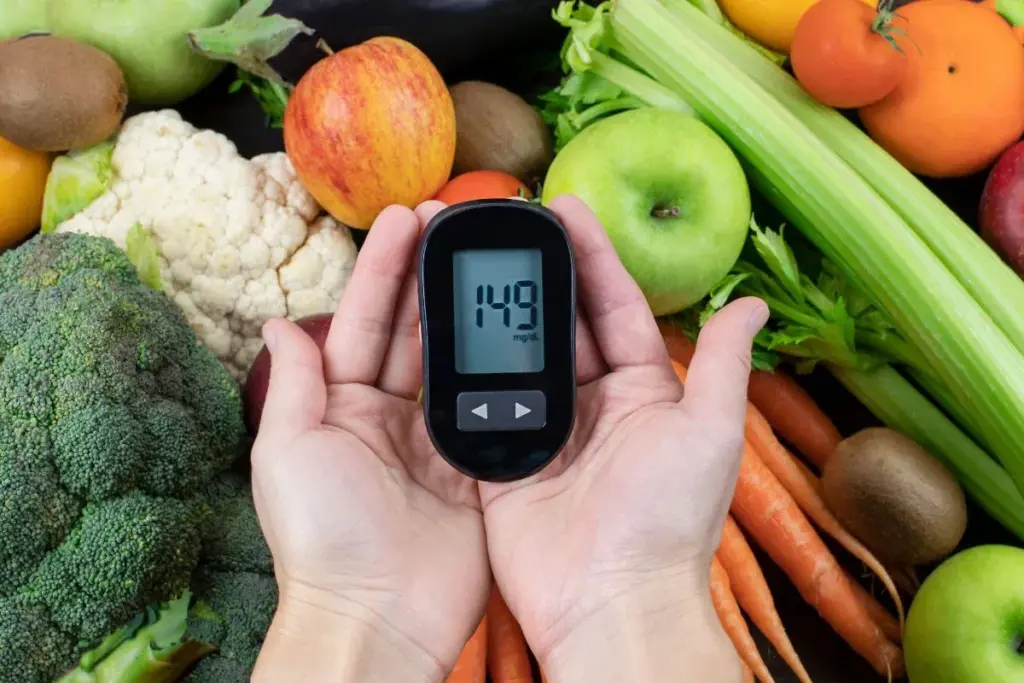
Did you know some foods can make your pancreas produce more insulin? Your diet is key to managing blood sugar and boosting insulin production naturally.
Recent studies show that dietary strategies can help control blood sugar and lower diabetes rates. Eating whole grains, lean proteins, fruits, and veggies can fight insulin resistance.
At Liv Hospital, we focus on patient care to show how food can fight metabolic issues. Learn about dietary strategies backed by science that support natural insulin production and empower you to manage your health.
Key Takeaways
- A healthy diet can help manage blood sugar levels and insulin production.
- Whole grains, lean proteins, fruits, and vegetables are beneficial for insulin sensitivity.
- Dietary changes can be a first line of defense against metabolic imbalances.
- Recent research supports the role of diet in managing insulin resistance.
- Liv Hospital offers expert care to help you understand and manage your condition.
1. Optimize Your Protein and Fiber Intake for Better Insulin Response
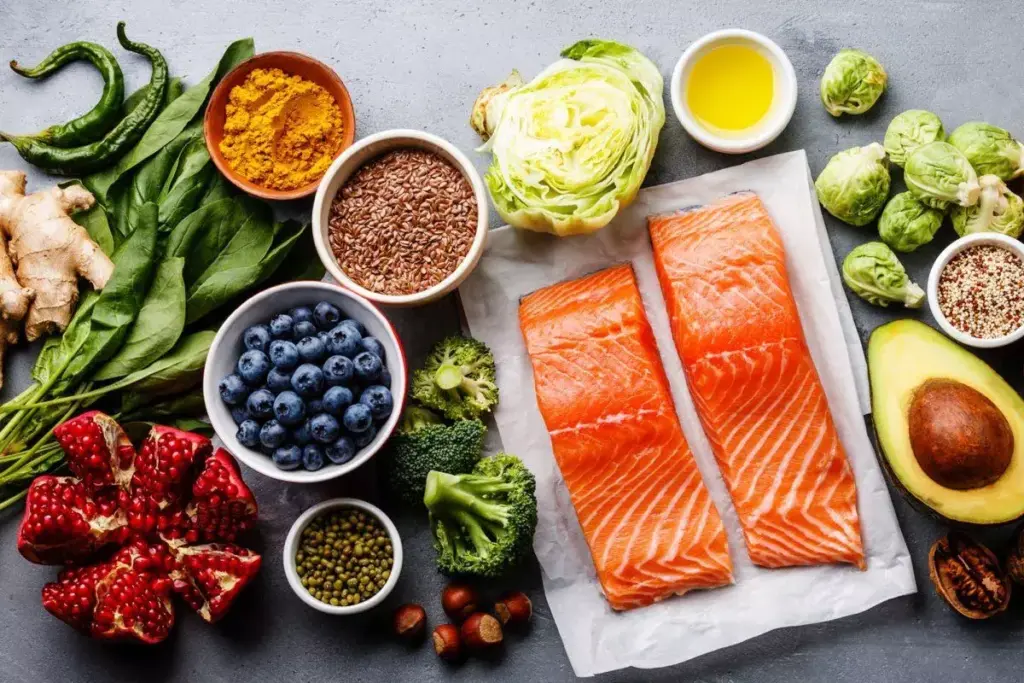
Improving insulin sensitivity starts with what you eat. Choosing the right amount of protein and fiber is key. These nutrients help your body respond better to insulin, boosting your health.
Choose Plant-Based Proteins to Trigger Insulin Production
Plant-based proteins are great for insulin sensitivity. Legumes, beans, and lentils are packed with protein and fiber. They also have nutrients that help insulin work right.
Studies show that eating more plant-based proteins can make your body more sensitive to insulin. This can lower your risk of getting type 2 diabetes. Adding different plant-based proteins to your meals is a smart move for your insulin health.
Incorporate Soluble Fiber-Rich Foods Daily
Soluble fiber slows down sugar absorption and boosts insulin sensitivity. Foods like oats, barley, nuts, and fruits are full of it. Apples, berries, and pears are good choices.
Eating these foods every day can help control blood sugar and improve insulin response. A diet rich in soluble fiber can also lower your risk of insulin resistance and type 2 diabetes.
| Food | Protein Content | Fiber Content |
| Legumes (lentils, chickpeas) | High | High |
| Oats | Medium | High |
| Nuts and Seeds | Medium | High |
| Whole Grains | Medium | Medium |
By eating more plant-based proteins and soluble fiber, you can greatly improve your insulin response. These changes not only help with insulin health but also make your diet more balanced and nutritious.
2. Add Insulin Friendly Foods: Herbs, Spices, and Nutrients
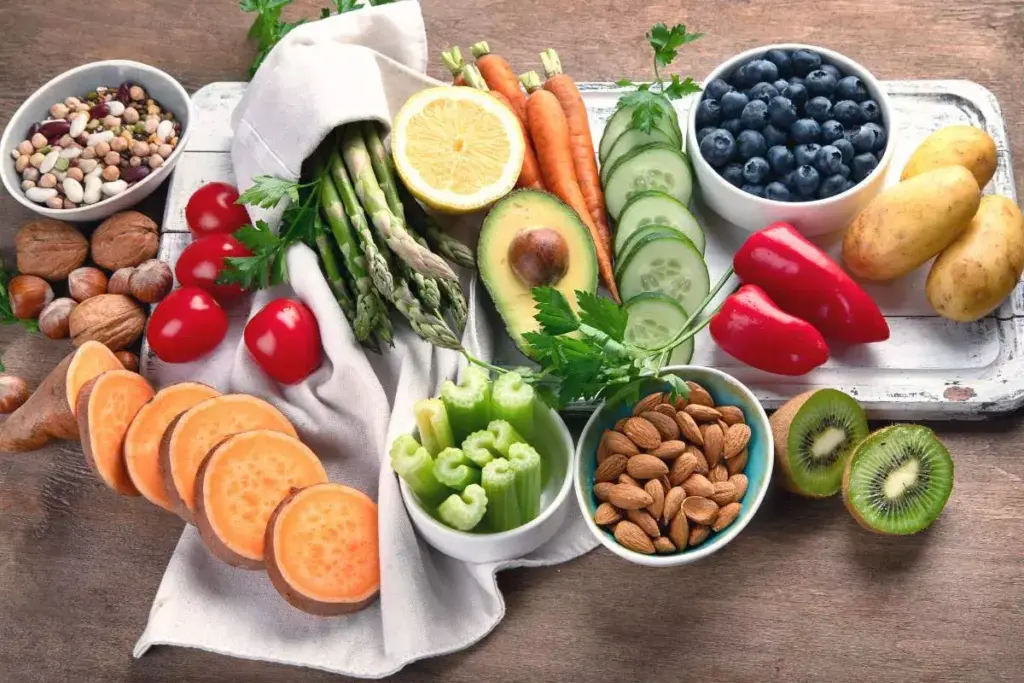
Adding certain herbs, spices, and nutrients to your diet can help your body make insulin naturally. These foods support the pancreas and improve how well your body uses insulin.
Use Therapeutic Herbs and Spices
Some herbs and spices have been used for years to control blood sugar and boost insulin production. Fenugreek is known for improving insulin sensitivity because of its fiber. Turmeric has curcumin, which fights inflammation and helps with insulin resistance.
Other herbs and spices that are good include:
- Cinnamon: It lowers blood sugar and makes insulin work better.
- Ginger: It reduces inflammation and helps with digestion, which supports insulin.
- Garlic: It has compounds that can lower blood sugar and improve insulin sensitivity.
Ensure Adequate Magnesium and Zinc Intake
Magnesium and zinc are key minerals for insulin production and sensitivity. Magnesium helps control blood sugar and is important for insulin. You can find magnesium in dark leafy greens, nuts, and whole grains.
Zinc is also vital for immune health and insulin production. You can get zinc from oysters, beef, chicken, and fortified cereals.
| Mineral | Food Sources | Benefits for Insulin Production |
| Magnesium | Dark leafy greens, nuts, whole grains | Regulates blood sugar levels, supports insulin secretion |
| Zinc | Oysters, beef, chicken, fortified cereals | Supports immune function, involved in insulin production and storage |
Include Fermented Foods for Gut Health
Fermented foods are full of probiotics, which are good for your gut and insulin sensitivity. A healthy gut is key for nutrient absorption and blood sugar control.
Some fermented foods that are good for your gut include:
- Yogurt: It’s full of probiotics and protein.
- Sauerkraut: It has vitamins and probiotics.
- Kefir: A fermented milk product with many beneficial bacteria.
- Kimchi: A spicy fermented vegetable dish with probiotics and vitamins.
By adding these foods to your diet, you can help manage your insulin levels and improve your health.
3. Conclusion
We can help our bodies make more insulin by eating the right foods. Foods high in soluble fiber and plant proteins are key. They help keep blood sugar levels in check.
Herbs, spices, magnesium, and zinc also play a big role in insulin function. Fermented foods boost gut health, which is linked to better insulin sensitivity. Making smart food choices can lower insulin resistance and improve our health.
Knowing how food affects insulin levels helps us control what we eat. Choosing low insulin foods and those that fight insulin resistance is important. This way, we can eat in a way that supports our health goals.
Using these dietary tips can help our bodies make insulin better. This leads to better blood sugar control and overall health.
FAQ
What foods help stimulate insulin production?
Protein-rich foods like eggs, fish, lean meat, and legumes can help stimulate insulin release after meals.
How can I improve insulin sensitivity through diet?
Eat fiber-rich vegetables, whole grains, healthy fats, and avoid processed carbs and added sugars to improve insulin sensitivity.
Are there specific foods that can help manage blood sugar levels?
Yes, non-starchy vegetables, whole grains, berries, legumes, nuts, and fatty fish help stabilize blood sugar.
Can dietary changes really impact insulin production?
Yes, balanced meals with protein, fiber, and healthy fats can enhance insulin response and reduce insulin resistance.
What role does gut health play in insulin production?
A healthy gut microbiome supports better glucose metabolism and may improve insulin sensitivity.
How do herbs and spices affect insulin production?
Cinnamon, turmeric, fenugreek, and ginger may help lower blood sugar and improve insulin sensitivity.
What are some low insulin producing foods that I should avoid?
Highly processed foods, sugary drinks, white bread, pastries, and refined grains can impair insulin response.
Can foods that decrease insulin resistance help with insulin production?
Yes, foods like fatty fish, leafy greens, nuts, and whole grains improve insulin sensitivity and optimize insulin use.
Are there any natural insulin in foods that I can consume?
No, foods do not contain insulin; they support your body’s own insulin production and sensitivity.
How can I naturally increase insulin production?
Eat balanced meals with protein and fiber, maintain healthy weight, exercise regularly, and manage stress for better insulin function.
References
Dietary proteins have an insulinotropic effect and thus promote insulin secretion, which indeed leads to enhanced glucose clearance from the blood.https://pubmed.ncbi.nlm.nih.gov/24986822/