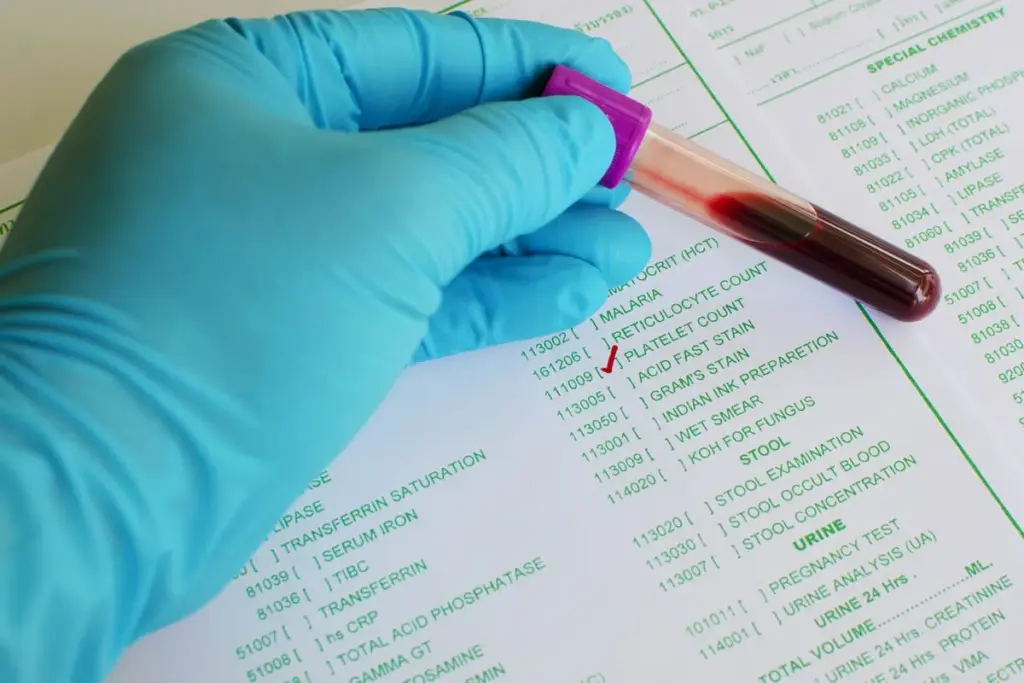
Understanding how to increase platelet count is key for managing conditions like immune thrombocytopenic purpura (ITP). We know that dealing with thrombocytopenia can be tough. That’s why we focus on the latest treatments backed by evidence.
Thrombopoietin receptor agonists (TPO-RAs) are drugs that help the bone marrow make more platelets. Medications like eltrombopag, romiplostim, and avatrombopag have been shown to work well in raising platelet counts for ITP patients. Around 50-80% of ITP patients see their platelet counts go up with TPO-RAs.
Key Takeaways
- Thrombopoietin receptor agonists (TPO-RAs) are used to stimulate platelet production.
- Medications like eltrombopag, romiplostim, and avatrombopag are FDA-approved TPO-RAs.
- TPO-RAs have shown significant efficacy in increasing platelet counts in ITP patients.
- About 50-80% of ITP patients respond to TPO-RAs with increased platelet count.
- These medications offer a targeted approach to treating thrombocytopenia.
Understanding Platelets and Their Function in the Body
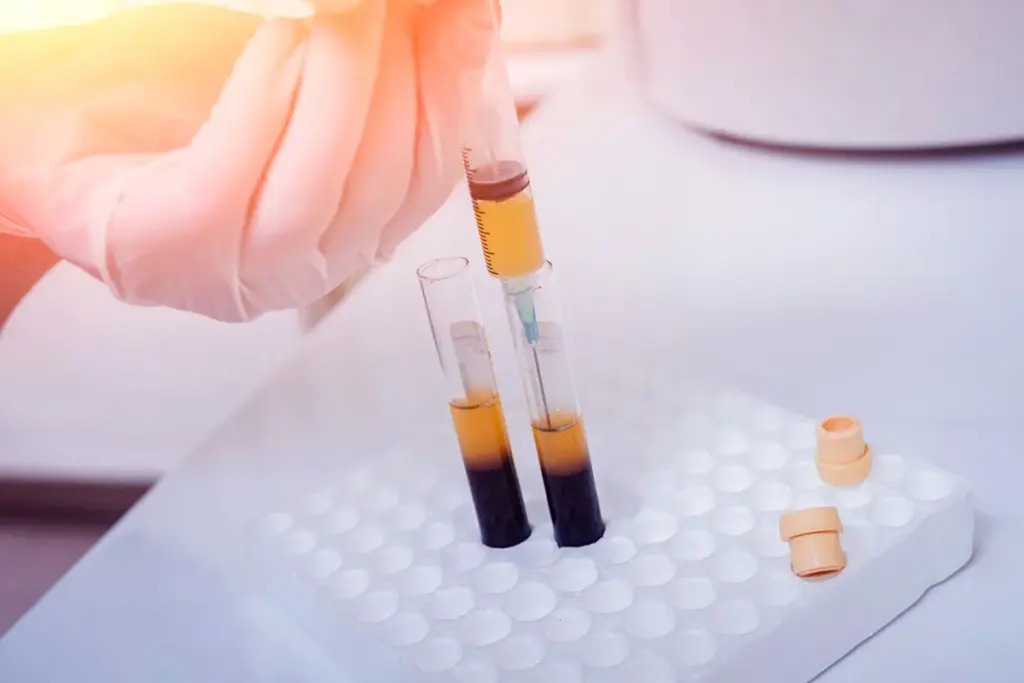
Platelets are tiny, colorless pieces that help stop bleeding by forming clots. They are key to our health and play a big role in keeping our blood flowing smoothly.
What Are Platelets and Normal Count Ranges
Platelets, or thrombocytes, are made in the bone marrow. A normal count is between 150,000 to 450,000 per microliter of blood. This number can vary slightly but stays close to this range.
Having a count in this range is crucial. It helps our body form clots and stop bleeding when needed.
The Role of Platelets in Blood Clotting
Platelets are vital for blood clotting, or hemostasis. When a blood vessel gets hurt, platelets gather to form a plug. This plug acts as a temporary fix to stop bleeding.
The clotting process gets stronger with a fibrin clot. Platelets are key here, as they not only create the initial plug but also help the clotting process along.
How Platelet Production is Regulated
Platelet production is controlled by a hormone called thrombopoietin (TPO). TPO is mainly made by the liver and kidneys. It tells the bone marrow to make megakaryocytes, which break down into platelets.
The process of making platelets is complex. It involves a balance between TPO and other factors that affect platelet production. Knowing this helps us understand how some medicines, like thrombopoietin receptor agonists (TPO-RAs), can raise platelet counts in people with low counts.
Common Causes of Low Platelet Count<SEP-1730_image_3>
A low platelet count can be caused by several factors. These include autoimmune diseases and certain medications. Knowing these causes helps in finding the right treatment.
Immune Thrombocytopenic Purpura (ITP)
Immune thrombocytopenic purpura (ITP) is an autoimmune disease. It happens when the immune system attacks and destroys platelets. This can lead to a low platelet count, causing bruising, bleeding, and serious health issues if not treated.
Bone Marrow Disorders
Bone marrow disorders, like leukemia or aplastic anemia, can affect platelet production. When the bone marrow is not working right, it may not make enough platelets. This results in a low platelet count.
Medication-Induced Thrombocytopenia
Some medications can cause a low platelet count as a side effect. These include heparin, antibiotics, and anti-seizure drugs. Some drugs directly affect platelet production, while others trigger an immune response against platelets.
Other Medical Conditions Affecting Platelets
Other conditions can also impact platelet count. For example, an enlarged spleen can hold more platelets, reducing the number in the blood. Infections like HIV or hepatitis C can also affect platelet production or lead to their destruction.
The following table summarizes the common causes of low platelet count:
|
Cause |
Description |
Effect on Platelets |
|---|---|---|
|
Immune Thrombocytopenic Purpura (ITP) |
Autoimmune disease destroying platelets |
Significantly reduces platelet count |
|
Bone Marrow Disorders |
Impaired platelet production due to marrow issues |
Reduces platelet production |
|
Medication-Induced Thrombocytopenia |
Certain medications causing platelet destruction or reduced production |
Varies; can directly reduce count or trigger immune destruction |
|
Splenomegaly and Infections |
Enlarged spleen or infections affecting platelet count |
Can sequester or destroy platelets |
Symptoms and Diagnosis of Low Platelet Count
It’s important to know the signs of low platelet count to manage and treat it well. Thrombocytopenia, or low platelet count, shows different symptoms that need quick diagnosis and care.
Recognizing the Signs of Thrombocytopenia
The symptoms of thrombocytopenia can vary based on how severe it is. Common signs include:
- Bruising or purpura (purple patches on the skin)
- Petechiae (small red or purple spots on the skin)
- Bleeding gums or nosebleeds
- Prolonged bleeding from cuts or injuries
- Fatigue or weakness
These symptoms happen because platelets help with blood clotting. With low platelet counts, the body can’t clot as well, causing more bleeding and bruising.
Diagnostic Tests and Procedures
To diagnose thrombocytopenia, several tests and procedures are used. The first step is usually a complete blood count (CBC). This test checks the number of platelets in your blood.
More tests might include:
- Bone Marrow Biopsy: To check platelet production and look for bone marrow disorders.
- Blood Tests: To find infections, autoimmune disorders, or other conditions affecting platelet count.
- Imaging Studies: Like ultrasound or CT scans to find underlying conditions causing thrombocytopenia.
Understanding Your Platelet Count Results
It’s key to understand your platelet count results to diagnose and manage thrombocytopenia. A normal platelet count is between 150,000 and 450,000 platelets per microliter of blood. Counts below this indicate thrombocytopenia.
|
Platelet Count Range |
Interpretation |
|---|---|
|
150,000 – 450,000/µL |
Normal platelet count |
|
50,000 – 149,000/µL |
Mild thrombocytopenia |
|
20,000 – 49,000/µL |
Moderate thrombocytopenia |
|
Severe thrombocytopenia |
Understanding these results in the context of your health and symptoms helps doctors find the best treatment for you.
When Medical Intervention is Necessary
Knowing when to seek medical help for low platelet counts is key. Thrombocytopenia, or low platelet count, can vary from mild to severe. It’s important to know when to act to avoid serious issues.
Critical Platelet Count Thresholds
A critical platelet count is below 20,000/μL. At this point, the risk of bleeding on its own goes up a lot. We watch patients closely with counts this low, as they might need quick treatment to stop dangerous bleeding.
Counts between 20,000/μL and 50,000/μL are also low and might need medical help. This is especially true if there’s bleeding or if the patient is having surgery.
Risk Assessment for Bleeding
Figuring out the bleeding risk looks at more than just platelet count. We also check the patient’s health, other medical conditions, and medicines that might affect platelets. This helps us decide the best way to handle thrombocytopenia.
- Platelet count: The lower the count, the higher the risk of bleeding.
- Presence of other medical conditions: Conditions like liver disease or kidney failure can increase bleeding risk.
- Medications: Certain medications, such as anticoagulants, can increase the risk of bleeding.
Emergency Situations Requiring Immediate Treatment
Emergency cases happen when there’s severe bleeding or a very low platelet count. Quick action is needed to avoid serious problems or death. We focus on patients with severe thrombocytopenia and those bleeding a lot.
Treatment might include platelet transfusions, medicines to boost platelet production, or other steps to control bleeding and prevent more issues.
First-Line Treatments for Low Platelet Count
Managing low platelet counts is key to avoiding serious issues. These treatments aim to boost platelet numbers and lower bleeding risks.
Corticosteroids: Mechanism and Effectiveness
Corticosteroids, like prednisone, are often the first choice for treating Immune Thrombocytopenic Purpura (ITP). They help by slowing down the immune system’s platelet destruction. While results can vary, they’re a top pick because they quickly raise platelet counts.
Key benefits of corticosteroids include:
- Rapid increase in platelet count
- Effective in managing ITP
- Flexibility in dosing
Intravenous Immunoglobulin (IVIG) Therapy
IVIG therapy is a first-line treatment for thrombocytopenia, especially in urgent cases. It temporarily changes how the immune system reacts to platelets.
IVIG is often recommended for:
- Acute bleeding episodes
- Pre-surgical preparation
- Patients unresponsive to corticosteroids
Anti-D Immunoglobulin for Specific Patients
Anti-D immunoglobulin is for patients with Rh-positive blood, to cut down on platelet loss. It’s an option for those who are Rh-positive and have a working spleen.
|
Treatment |
Mechanism |
Primary Use |
|---|---|---|
|
Corticosteroids |
Reduce immune destruction of platelets |
Initial treatment for ITP |
|
IVIG Therapy |
Temporarily modifies immune response |
Acute situations, pre-surgical |
|
Anti-D Immunoglobulin |
Reduces platelet destruction in Rh-positive patients |
Alternative for Rh-positive patients |
Thrombopoietin Receptor Agonists (TPO-RAs): The Game Changers
Thrombopoietin Receptor Agonists (TPO-RAs) are a new treatment for low platelet counts. They are especially helpful for people with Immune Thrombocytopenic Purpura (ITP). These drugs help make more platelets, which is key for those with low counts.
Stimulating Platelet Production
TPO-RAs work by turning on the thrombopoietin receptor in bone marrow cells. These cells make platelets. So, TPO-RAs help make more platelets. This is great for those who didn’t get better with other treatments or have long-term ITP.
Key TPO-RAs include eltrombopag, romiplostim, and avatrombopag. The FDA has approved these drugs. They have been tested in many clinical trials, showing they work well and are safe.
When TPO-RAs Are Recommended
TPO-RAs are suggested for those who didn’t get better with first treatments like corticosteroids or IVIG. They are especially good for people with chronic ITP who need ongoing care.
Doctors decide to use TPO-RAs based on how low the platelet count is, if there are bleeding symptoms, and the patient’s health. This way, doctors can make sure TPO-RAs work best for each patient.
Success Rates and Treatment Duration
About 50-80% of patients see a big jump in platelet count with TPO-RAs. How long treatment lasts depends on how well the patient responds and the drug used.
It’s important to keep checking how well TPO-RAs are working. This might mean regular blood tests to see if platelet counts are up. Adjustments to the treatment plan might be needed based on these results.
Eltrombopag (Promacta): Comprehensive Overview
Eltrombopag, also known as Promacta, is a big step forward in treating thrombocytopenia. It’s an oral drug that helps make more platelets in patients with immune thrombocytopenia (ITP).
Mechanism of Action and Dosing Guidelines
Eltrombopag binds to the thrombopoietin receptor on megakaryocytes. This action boosts platelet production. The starting dose is 50 mg daily, and it can be adjusted based on platelet count.
It’s important to check platelet counts often. This helps see if the treatment is working and if the dose needs to change.
The dosing guidelines for eltrombopag are as follows:
- Initial dose: 50 mg once daily
- Maximum dose: 75 mg once daily
- Dose adjustments should be made in increments of 25 mg
- Regular monitoring of platelet counts is required
Effectiveness in Different Patient Populations
Eltrombopag works well for many patients, especially those with chronic ITP who haven’t responded to other treatments. Studies show it can raise platelet counts in a lot of patients.
|
Patient Population |
Response Rate |
|---|---|
|
Chronic ITP |
60-80% |
|
Refractory ITP |
40-60% |
Potential Side Effects and Monitoring Requirements
Eltrombopag is usually safe, but it can cause liver enzyme issues, blood clots, and cataracts. It’s key to watch liver enzymes and platelet counts closely to avoid these problems.
Monitoring Requirements:
- Regular liver function tests
- Frequent platelet count monitoring
- Ophthalmological examinations to check for cataracts
Knowing how eltrombopag works, how to dose it, its benefits, and possible side effects helps doctors use it wisely. This is crucial for managing thrombocytopenia.
Romiplostim (Nplate): Detailed Analysis
Romiplostim, known as Nplate, is a big step forward in treating immune thrombocytopenia (ITP). It works by boosting platelet production, offering a new way to manage this condition.
Administration Method and Treatment Protocol
Romiplostim is given as a weekly subcutaneous injection. The first dose is 1 mcg/kg of body weight. Later doses are adjusted based on how well the platelet count responds. This tailored approach helps manage ITP effectively while reducing side effects.
Key aspects of romiplostim administration include:
- Subcutaneous injection once weekly
- Initial dose based on body weight (1 mcg/kg)
- Dose adjustments according to platelet count
Clinical Outcomes and Response Rates
Studies show romiplostim greatly increases platelet counts in ITP patients. Many patients see long-lasting results, with some keeping normal platelet counts for a long time. It works well for both patients who have had a spleen removed and those who haven’t.
The benefits of romiplostim include:
- Significant increase in platelet counts
- Durable responses in many patients
- Efficacy in diverse patient populations
Safety Profile and Long-term Use Considerations
Romiplostim is usually safe but can have risks like blood clots, bone marrow changes, and lower platelet counts when stopped. Long-term use needs close monitoring for side effects and adjusting treatment as needed to keep patients safe.
Monitoring requirements for romiplostim include:
- Regular platelet count monitoring
- Assessment for signs of thrombotic events
- Bone marrow examination if necessary
Avatrombopag (Doptelet): The Newer Option
Avatrombopag, also known as Doptelet, is a big step forward in treating thrombocytopenia. It works by boosting platelet production. This makes it a great choice for people with chronic immune thrombocytopenia (ITP) and those with chronic liver disease needing procedures.
Unique Features and Advantages
Avatrombopag stands out with its unique features. It allows for flexible dosing, adjusting based on how well platelets respond. This flexibility helps doctors tailor treatment to each patient’s needs.
One big plus of avatrombopag is its consistent and lasting effect on platelet counts. Studies show it can greatly increase platelet counts in ITP and chronic liver disease patients. This reduces the chance of bleeding problems.
Approved Indications and Off-Label Uses
Avatrombopag is approved for treating thrombocytopenia in adults with chronic ITP and those with chronic liver disease before procedures. Its approval comes from strong clinical data proving its safety and effectiveness.
Even though avatrombopag isn’t approved for all thrombocytopenia cases, its potential off-label uses are being looked into. Doctors might use it for other thrombocytopenia types that haven’t responded to usual treatments.
Comparative Efficacy with Other TPO-RAs
Studies comparing avatrombopag with other TPO-RAs like eltrombopag and romiplostim are ongoing. Early results show avatrombopag might be as good, if not better, at raising platelet counts and cutting down on bleeding.
|
TPO-RA |
Mechanism of Action |
Efficacy in ITP |
Dosing Flexibility |
|---|---|---|---|
|
Avatrombopag |
Stimulates platelet production |
High |
Yes |
|
Eltrombopag |
Stimulates platelet production |
High |
Limited |
|
Romiplostim |
Stimulates platelet production |
High |
Yes |
Avatrombopag’s strong performance against other TPO-RAs makes it a top choice for some patients. Its special features and benefits add a lot to the treatment options for thrombocytopenia.
How to Increase Platelet Count: Comparing Medication Options
Choosing the right TPO-RA is key to treating thrombocytopenia. It’s important to know the differences between options. The choice depends on the cause of thrombocytopenia, patient preferences, and cost.
Effectiveness Comparison Between TPO-RAs
TPO-RAs like eltrombopag, romiplostim, and avatrombopag help increase platelet counts. Eltrombopag is an oral drug that works well for many types of thrombocytopenia. Romiplostim is given by injection and is effective for ITP. Avatrombopag is used for liver disease and ITP.
Studies show these drugs have different effects on patients. For example, a study found eltrombopag and romiplostim both work, but results vary.
|
TPO-RA |
Administration Route |
Primary Indication |
Notable Side Effects |
|---|---|---|---|
|
Eltrombopag |
Oral |
Chronic ITP, Severe Aplastic Anemia |
Liver enzyme elevation, Cataracts |
|
Romiplostim |
Subcutaneous Injection |
Chronic ITP |
Bone marrow fibrosis, Thrombosis |
|
Avatrombopag |
Oral |
Thrombocytopenia in Chronic Liver Disease, ITP |
Headache, Fatigue |
Cost Considerations and Insurance Coverage
The cost of TPO-RAs is a big factor in treatment choices. Insurance coverage and out-of-pocket expenses can vary a lot. While these drugs are expensive, insurance can help. There are also programs for those who qualify.
Selecting the Right Medication for Individual Patients
Choosing the right TPO-RA depends on several things. These include the cause of thrombocytopenia, other health issues, how the patient prefers to take the drug, and cost. For example, some might prefer oral drugs like eltrombopag or avatrombopag. Others might need injections, making romiplostim a better choice.
The final decision should be made with a healthcare provider. They will consider what’s best for the patient’s specific situation.
Monitoring Treatment and Managing Complications
Managing thrombocytopenia well means watching closely and acting fast. It’s key to keep track of how treatment is going and make changes as needed.
Regular Blood Tests and Follow-up Schedule
Regular blood tests are key for checking on thrombocytopenia treatment. These tests, like Complete Blood Counts (CBCs), show us how platelet counts are doing. We then adjust the treatment based on these results.
A typical follow-up plan might include:
- First check-up: within 1-2 weeks after starting treatment
- Follow-ups: every 2-4 weeks, based on how the patient is doing
- More checks for those on TPO-RAs
By watching platelet counts closely, we can spot problems early. This helps us avoid bigger issues.
Managing Excessive Platelet Counts
TPO-RAs can sometimes cause too many platelets, or thrombocytosis. To handle this, we:
|
Platelet Count |
Action |
|---|---|
|
Moderately high (e.g., 400-600 x 10^9/L) |
Keep a close eye, might need to adjust the dose |
|
Very high (e.g., >600 x 10^9/L) |
Stop treatment for a bit, look at other options |
Handling too many platelets needs careful thought. We aim to control low counts without causing too many.
Strategies for Discontinuing Treatment Safely
Stopping treatment for thrombocytopenia safely is crucial. We use:
- Slowly reducing the medicine
- Watching platelet counts closely during this time
- Thinking about other treatments to keep platelets stable
These steps help avoid bad reactions and make stopping treatment smoother for patients.
Special Populations and Considerations
Thrombocytopenia treatment varies for different groups. It’s important to think about special factors for each group. These factors can change how well treatment works.
Treatment Approaches for Children
Children with Immune Thrombocytopenic Purpura (ITP) need special care. We look at their health, the effects of medicines, and if they might get better on their own. This helps us plan their treatment.
Key considerations for treating children include:
- Minimizing the use of corticosteroids due to their potential impact on growth and development
- Using intravenous immunoglobulin (IVIG) as a first-line treatment to rapidly increase platelet counts
- Monitoring for signs of bleeding and adjusting treatment accordingly
Managing Low Platelets During Pregnancy
Pregnancy makes treating thrombocytopenia harder. We watch platelet counts closely to keep mom and baby safe. We change treatment plans as needed to avoid problems.
|
Trimester |
Platelet Count Monitoring |
Treatment Considerations |
|---|---|---|
|
First Trimester |
Initial assessment and baseline platelet count |
Evaluation for underlying conditions that may affect platelet count |
|
Second and Third Trimester |
Regular monitoring for changes in platelet count |
Adjustment of treatment to maintain safe platelet counts and prevent bleeding |
Elderly Patients and Comorbidity Considerations
Elderly patients face unique challenges. We check their health and any other conditions they have. This helps us find the best treatment for them.
Considerations for elderly patients include:
- Assessing renal function to adjust medication dosing appropriately
- Evaluating the risk of bleeding due to comorbid conditions or concomitant medications
- Monitoring for potential drug interactions with other medications
By focusing on each person’s needs, we can better manage low platelet counts. This improves their health outcomes.
How to Increase Platelet Count Fast: Emergency Interventions
When platelet counts drop too low, quick action is needed to stop severe bleeding. We’ll look at the fast steps to raise platelet count.
Platelet Transfusions: Indications and Limitations
Platelet transfusions help when platelet counts are very low or when bleeding is happening. They add platelets to the blood to quickly increase the count. But, they can cause reactions and only raise the count temporarily.
High-Dose Steroid Protocols
High-dose steroids are another way to quickly increase platelet counts. Corticosteroids help by reducing the immune system’s attack on platelets. This is especially helpful for immune thrombocytopenic purpura (ITP).
Combination Therapies for Rapid Response
At times, mixing treatments can work faster. This might include IVIG with steroids or TPO-RAs. The right mix depends on the cause of low platelets, how bad the bleeding is, and the patient’s health.
It’s key for healthcare teams and patients to understand emergency options for low platelet counts. Knowing these can help manage the dangers of low platelets.
Natural Ways to Support Platelet Production
Medical treatments are key for managing thrombocytopenia. But, adding natural methods to your life can also help a lot. Eating a balanced diet full of important nutrients is crucial for health, including making blood cells.
Foods Rich in Essential Nutrients for Platelet Health
Eating foods packed with vitamins and minerals is important for platelet health. Some foods to focus on include:
- Leafy Greens: Spinach, kale, and collard greens are full of folate, which helps make blood cells.
- Citrus Fruits: Oranges, lemons, and grapefruits are rich in vitamin C, helping overall health and iron absorption.
- Nuts and Seeds: Almonds, pumpkin seeds, and sunflower seeds are good for vitamin E and minerals.
- Lean Proteins: Chicken, fish, and beans provide proteins for health.
- Whole Grains: Brown rice, quinoa, and whole-wheat bread are full of vitamins and minerals like iron and B vitamins.
Vitamins and Minerals That Support Blood Cell Production
Some vitamins and minerals are key for making blood cells. These include:
- Vitamin B12: Needed for red blood cells, found in animal products like meat, eggs, and dairy.
- Folate: Important for DNA, found in leafy greens, legumes, and fortified cereals.
- Iron: Essential for hemoglobin, found in red meat, beans, lentils, and fortified cereals.
- Vitamin K: Important for blood clotting, found in leafy greens, fish, and meat.
Foods to Avoid When Managing Low Platelet Count
Some foods can harm platelet health. It’s best to limit or avoid:
- Alcohol: Can hurt platelet production and health.
- Processed Foods: High in unhealthy fats, salt, and sugar, bad for health.
- Foods High in Sugar: Can cause inflammation and health problems.
By following these dietary tips, you can help your health and possibly improve your platelet count. Always work with your healthcare provider to create a full treatment plan.
Supplements and Lifestyle Changes for Platelet Support
Managing thrombocytopenia goes beyond just medical treatment. It also includes supplements and lifestyle changes. By using evidence-based supplements, exercising, and managing stress, people can help their platelets.
Evidence-Based Supplements for Platelet Health
Some supplements may help platelet health. Vitamin D might have a positive effect on platelet count. More research is needed to confirm this. Other nutrients like:
- Folic acid, essential for DNA synthesis and repair.
- Vitamin B12, crucial for blood cell production.
- Iron, vital for healthy red blood cells.
Always talk to a healthcare provider before starting supplements. This ensures they are safe and effective for you.
Exercise Recommendations for Thrombocytopenia Patients
Exercise is key for health, but it’s different for those with thrombocytopenia. Low-impact exercises like walking, yoga, or swimming are best. They keep you active without risking injury.
Talk to your healthcare provider before starting any new exercise. They can help you understand the risks and benefits for your condition.
Stress Management and Its Impact on Platelet Count
Stress can harm your health, including your platelet count. Meditation, yoga, and deep breathing can help manage stress. These activities can improve your overall health and platelet count.
Adding stress management to your care plan can lead to better health. It’s especially helpful for those with thrombocytopenia.
Conclusion: Creating a Comprehensive Treatment Plan
Managing thrombocytopenia well needs a detailed plan. This plan should include medical care, lifestyle changes, and regular checks. Knowing the cause and treatment options helps patients and doctors create a plan that fits them.
A good plan doesn’t just use medicine. It also includes making lifestyle changes and keeping up with doctor visits. This way, people with thrombocytopenia can handle their condition better and live a fuller life.
It’s key to have regular blood tests and doctor visits. These help keep track of platelet counts and make any needed changes. A proactive and all-around approach to managing thrombocytopenia leads to better health and fewer problems.
FAQ
What medications are used to increase platelet count?
To boost platelet production, doctors use thrombopoietin receptor agonists (TPO-RAs). These include eltrombopag, romiplostim, and avatrombopag.
How do TPO-RAs work to increase platelet count?
TPO-RAs activate the thrombopoietin receptor on megakaryocytes. This action boosts platelet production in the bone marrow.
What are the common causes of low platelet count?
Low platelet count can be caused by several factors. These include immune thrombocytopenic purpura (ITP), bone marrow disorders, and certain medications. Other causes include splenomegaly and infections.
How is thrombocytopenia diagnosed?
Diagnosing thrombocytopenia starts with a complete blood count (CBC). This test shows the platelet count. Sometimes, a bone marrow biopsy is needed to check platelet production.
What are the symptoms of thrombocytopenia?
Symptoms of thrombocytopenia include bruising, petechiae, and bleeding gums.
When is medical intervention necessary for thrombocytopenia?
Medical help is needed for severe thrombocytopenia or when there’s a high risk of bleeding. This usually happens when platelet counts drop below 20,000/μL.
What are the first-line treatments for thrombocytopenia?
The first treatments for thrombocytopenia are corticosteroids, intravenous immunoglobulin (IVIG) therapy, and anti-D immunoglobulin. These are used for ITP.
How do corticosteroids work to increase platelet count?
Corticosteroids help by reducing the immune system’s attack on platelets.
What is the role of platelet transfusions in emergency situations?
In emergencies, platelet transfusions quickly raise platelet counts. However, their effect is short-lived.
Are there natural ways to support platelet production?
Yes, eating foods rich in folate, vitamin B12, and iron can help. A balanced diet and a healthy lifestyle also support overall health.
Can supplements help increase platelet count?
Some supplements, like vitamin D, might help platelet counts. But more research is needed to confirm this.
How can lifestyle changes support platelet health?
Changes like stress management and exercise can improve health. They might also affect platelet count.
What are the potential side effects of TPO-RAs?
TPO-RAs can cause liver enzyme elevation, thrombotic events, and cataracts for eltrombopag. Romiplostim may lead to thrombotic events, bone marrow changes, and worsening thrombocytopenia when stopped.
How is treatment for thrombocytopenia monitored?
Treatment is monitored with regular blood tests, including CBCs. These tests help adjust the treatment plan as needed.
Reference
National Center for Biotechnology Information. Evidence-Based Medical Insight. Retrieved from https://pubmed.ncbi.nlm.nih.gov/30076175/