Did you know our bodies have a natural repair system? Learning how to increase stem cell production can help reverse some aging and damage. This system is powered by stem cells, which are key to our health and wellness.
Stem cells are special cells that can turn into different types of cells. They help fix tissues and grow new cells. As we get older, our stem cells don’t work as well. This makes our body’s repair system weaker.
There are ways to improve stem cell function and naturally boost their production for better health. In this article, we’ll look at how nutrition and lifestyle affect our cells.
Key Takeaways
- Stem cells play a key role in keeping us healthy and well.
- How well our cells regenerate depends on stem cell production.
- What we eat and how we live can affect our stem cells.
- Some supplements might help our stem cells.
- Living a healthy lifestyle is good for our overall well-being.
Understanding Stem Cells and Their Importance
Stem cells are key to keeping our bodies healthy. They help repair and grow new cells. This is because they can turn into many different types of cells in our body.
What Are Stem Cells?
Stem cells can differentiate into many cell types, like nerve or muscle cells. This makes them very important for fixing our bodies. They have a few main features:
- Self-renewal: They can grow without becoming specific cells.
- Potency: They can turn into many different cell types.
The Role of Stem Cells in Health and Healing
Stem cells are vital for keeping us healthy. They help fix damaged tissues and organs. They do several important things:
- Tissue repair: They help heal wounds by turning into the right cells.
- Organ regeneration: They help organs grow back, keeping them working well.
- Immune system support: They help our immune system fight off diseases.
Types of Stem Cells in the Human Body
There are many types of stem cells in us, each with its own job:
- Embryonic Stem Cells: These come from embryos and can turn into any cell type.
- Adult Stem Cells: These are in adult tissues and can only turn into a few cell types. But they’re key for fixing tissues.
- Induced Pluripotent Stem Cells (iPSCs): These are adult cells that can be changed to act like embryonic stem cells, turning into many cell types.
Knowing about the different stem cells and what they do is key to understanding their role in health and disease.
How to Generate Stem Cells: The Science Behind Production
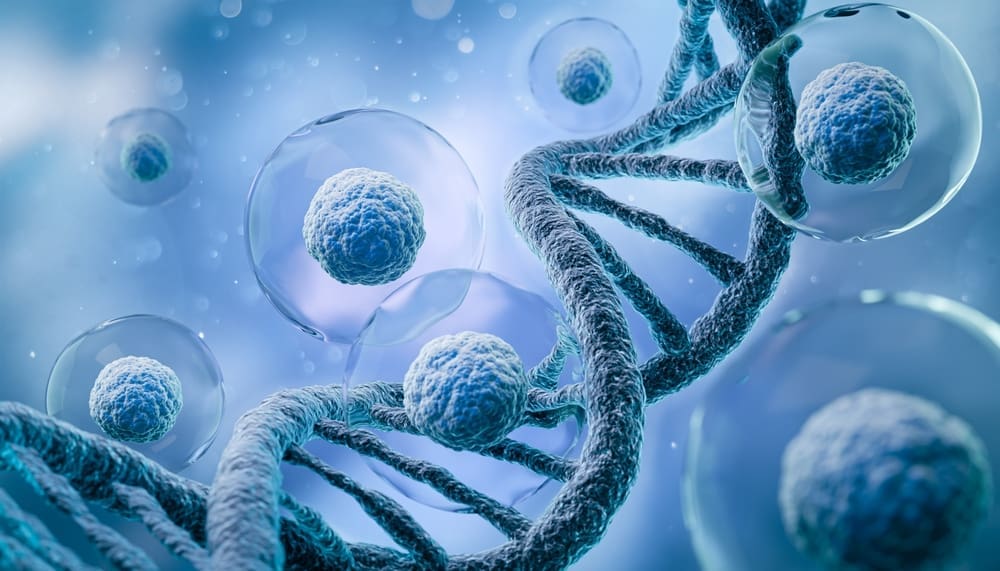
The human body can make stem cells, which are key for health and healing. Stem cells are like the body’s raw materials. They can turn into different cell types to fix or replace damaged tissues.
Natural Stem Cell Production in the Body
The body makes stem cells through a controlled process. Stem cell niches in places like the bone marrow keep stem cell numbers steady. These niches help stem cells grow and change into the right cell types.
“Stem cells are vital for keeping tissues healthy and for the body’s repair,” says Dr. Jane Smith, a stem cell expert. The body’s ability to make stem cells changes with age, health, and lifestyle.
Factors That Affect Stem Cell Generation
Many things can change how well the body makes stem cells. These include:
- Age: As we get older, we make fewer and lower-quality stem cells.
- Lifestyle factors: What we eat, how much we exercise, and our stress levels can affect stem cell production.
- Environmental exposures: Toxins and pollutants can harm stem cells.
Knowing these factors helps us find ways to boost natural stem cell production.
The Stem Cell Lifecycle
The life of a stem cell goes through stages like growing and changing. Stem cells can stay in a resting state for a long time. They only start working when the body needs them. The balance between growing more and changing into different cells is key for healthy stem cells.
Some nutrients and compounds can help stem cells by creating a good environment for them. For example, antioxidants protect stem cells from damage.
“Being able to control stem cell activity with food and lifestyle changes is a big step forward for health and disease prevention.”
Nutritional Approaches to Increase Stem Cells Naturally
Eating well is key to boosting stem cell production naturally. Certain foods help support stem cell health. Knowing which nutrients are best is important.
Macronutrients That Support Stem Cell Health
Macronutrients give us energy and help with stem cell production. Proteins are essential for cell growth. Adequate protein intake keeps stem cells healthy.
Healthy fats, like omega-3 fatty acids, are also vital. They keep cell membranes strong and fight inflammation, helping stem cells work better.
| Macronutrient | Role in Stem Cell Health | Food Sources |
| Proteins | Building blocks for cells | Lean meats, fish, eggs, dairy, legumes |
| Healthy Fats | Supports cell membrane integrity | Nuts, seeds, avocados, olive oil, fatty fish |
Micronutrients Essential for Stem Cell Production
Micronutrients, like vitamins and minerals, are key for stem cell health. Vitamin D helps stem cells grow and divide. Antioxidant vitamins like Vitamin C and E protect stem cells from damage.
Minerals such as zinc and iron help keep stem cells healthy. They support the body’s repair processes.
| Micronutrient | Role in Stem Cell Health | Food Sources |
| Vitamin D | Influences stem cell differentiation | Fatty fish, fortified dairy products, sunlight exposure |
| Vitamin C | Antioxidant properties | Citrus fruits, strawberries, bell peppers |
| Zinc | Supports immune function and healing | Oysters, beef, chicken, fortified cereals |
Optimal Nutrient Timing for Stem Cell Enhancement
When we eat can affect stem cell health. Eating a balanced meal supports overall health and stem cell function.
Intermittent fasting can boost stem cell regeneration. It may clean cells and renew them.
By using these nutritional tips, we can improve our stem cell production and health.
Foods That Increase Stem Cells
Certain foods can boost stem cell health and increase their numbers. Eating foods rich in nutrients is key to supporting the body’s stem cell production.
Antioxidant-Rich Foods for Stem Cell Support
Antioxidants protect stem cells from damage, helping them stay healthy. Foods packed with antioxidants include:
- Berries such as blueberries, strawberries, and raspberries
- Leafy greens like spinach and kale
- Nuts and seeds, like almonds and sunflower seeds
Berries are not just full of antioxidants. They also have phytochemicals that boost overall health.
Anti-Inflammatory Foods That Enhance Stem Cell Function
Chronic inflammation can harm stem cells. Eating anti-inflammatory foods can help. Some of these are:
- Fatty fish like salmon and sardines, rich in omega-3 fatty acids
- Turmeric, with curcumin, a strong anti-inflammatory
- Ginger, known for its anti-inflammatory effects
Omega-3 fatty acids in fatty fish are great for reducing inflammation and supporting stem cells.
Superfoods for Optimal Stem Cell Production
Some foods are called superfoods because they’re packed with nutrients. They’re good for stem cell health. These include:
| Superfood | Nutrient | Benefit |
| Blueberries | Antioxidants | Protects stem cells from oxidative damage |
| Salmon | Omega-3 fatty acids | Reduces inflammation, supporting stem cell health |
| Spinach | Antioxidants and folate | Supports overall cellular health |
Eating these foods can help support your stem cell health. A balanced diet and a healthy lifestyle are key for optimal stem cell function.
Herbs and Natural Compounds That Act as Stem Cell Activators
Nature offers many resources to boost stem cell production. This includes herbs and plant compounds. These natural substances have been used for centuries in traditional medicine. They are now being studied for their ability to enhance stem cell health.
Traditional Herbs Known to Boost Stem Cells
Several traditional herbs support stem cell health. These include:
- Ashwagandha: Known for its adaptogenic properties, ashwagandha has been shown to enhance stem cell production and improve overall health.
- Ginseng: This herb is believed to have a positive effect on stem cell activation, potentially improving energy levels and vitality.
- Turmeric: Containing curcumin, turmeric has anti-inflammatory properties that may support stem cell health.
A study published in the Journal of Ethnopharmacology found that certain herbal extracts can significantly increase stem cell proliferation
“Herbal extracts have been shown to promote stem cell growth and differentiation, showing great therapeutic benefits.”
Plant Compounds With Stem Cell-Enhancing Properties
Plant compounds like flavonoids and terpenes boost stem cell health. These compounds are found in various plants and herbs, including:
| Compound | Source | Benefit |
| Quercetin | Apples, Onions | Antioxidant properties |
| Curcumin | Turmeric | Anti-inflammatory effects |
| Ginkgo Biloba | Ginkgo Tree | Improves circulation |
How to Incorporate Medicinal Herbs Into Your Routine
Adding medicinal herbs to your daily routine is simple and beneficial. Here are a few methods:
- Teas and Infusions: Many herbs can be consumed as teas. This offers a soothing and effective way to support stem cell health.
- Supplements: Herbal supplements are available in various forms. This makes it easy to incorporate them into your diet.
- Cooking: Adding herbs like turmeric and ginger to your meals can enhance flavor and provide health benefits.
Understanding the role of herbs and natural compounds in stem cell activation helps individuals make informed health choices.
The Impact of Fasting on Stem Cell Growth

Fasting is gaining attention for its role in boosting stem cell growth and regeneration. It involves eating less for certain times. This has shown to improve health, including stem cell production.
Intermittent Fasting and Stem Cell Regeneration
Intermittent fasting, with its cycles of eating and fasting, is studied for stem cell benefits. It seems to help create new stem cells. This could help fix and grow tissues.
The science behind this is complex. It involves how fasting changes the body. These changes can make stem cells work better.
Extended Fasting Protocols for Maximum Stem Cell Benefits
Extended fasting, with longer fasting times, is also being looked into. Some research says it can increase stem cell production and regeneration more.
But, extended fasting needs careful handling. It can harm some people, like those with health issues. So, it’s important to be cautious and seek advice.
How to Fast Safely for Stem Cell Activation
To fast safely for stem cell benefits, start with short periods. Gradually increase the time as you get used to it. It’s also key to stay hydrated and listen to your body’s hunger signals.
Before starting any fasting, it’s wise to talk to a healthcare professional. This is true for anyone with health concerns or on medications.
Sleep and Stress Management for Optimal Stem Cell Function
Getting quality sleep and managing stress are key for stem cell health. Stem cells are very sensitive to our body’s environment. Sleep quality and stress levels greatly affect their health and ability to regenerate.
How Quality Sleep Affects Stem Cell Regeneration
Sleep is essential for our body’s repair and regeneration. This process is driven by stem cells. During deep sleep, our body releases hormones that help repair and regenerate cells.
Poor sleep or not enough sleep can harm this process. It might reduce stem cell activity. Research shows sleep deprivation can lower stem cell numbers and their ability to change into different cell types. So, getting enough quality sleep is vital for stem cell health.
Stress Reduction Techniques to Enhance Stem Cell Activity
Chronic stress hurts stem cells. It increases oxidative stress and inflammation, which can damage stem cell function. Using stress reduction techniques can help lessen these negative effects.
- Meditation and mindfulness practices
- Yoga and tai chi
- Deep breathing exercises
- Progressive muscle relaxation
These practices not only reduce stress but also support a healthier lifestyle. This lifestyle helps stem cell function.
Creating a Lifestyle That Supports Cellular Health
Creating a lifestyle that supports cellular health requires healthy habits. This includes a good diet, regular exercise, enough sleep, and managing stress. It’s about finding a balance that helps stem cells and overall health.
| Lifestyle Factor | Impact on Stem Cells | Recommended Practices |
| Sleep | Essential for regeneration and repair | 7-9 hours of quality sleep per night |
| Stress Management | Reduces oxidative stress and inflammation | Meditation, yoga, deep breathing exercises |
| Diet | Provides necessary nutrients for stem cell health | Balanced diet rich in fruits, vegetables, and whole grains |
By focusing on these lifestyle factors and making smart choices, we can support our stem cells. This helps us stay healthy overall.
Supplements to Increase Stem Cells in the Body
Stem cell supplements are gaining attention for boosting cellular health. As research grows, so does interest in natural supplements that help stem cells.
Vitamin and Mineral Supplements for Stem Cell Support
Vitamins and minerals are key for stem cell health. Some nutrients are more beneficial than others for stem cell support.
- Vitamin D: Essential for overall health, Vitamin D supports stem cell function.
- Omega-3 Fatty Acids: These anti-inflammatory fatty acids boost stem cell health.
- Magnesium: This mineral is vital for stem cell activity and other bodily functions.
Getting enough of these nutrients through diet or supplements is important for stem cell health.
Specialized Stem Cell Activator Supplements
There are supplements beyond basic vitamins and minerals for stem cell health. These include natural ingredients believed to boost stem cell production and function.
“The right supplements can make a significant difference in stem cell health, providing a natural way to support cellular regeneration.”
Top 5 Stem Cell Supplements on the Market
The market offers many supplements claiming to support stem cell health. Some stand out due to their ingredients and user reviews. Here are five top supplements:
| Supplement | Key Ingredients | User Reviews |
| StemEnhance | Cyclin, Fucoidan | 4.5/5 |
| StemActiv | Blueberry Extract, Green Tea Extract | 4.2/5 |
| RegeneMax | Alfalfa Extract, Black Cohosh | 4.8/5 |
| StemCellActivator | Resveratrol, Quercetin | 4.0/5 |
| CellularRenewal | Turmeric Extract, Ginger Extract | 4.6/5 |
Always talk to a healthcare professional before starting any new supplements.
Environmental Factors That Affect Stem Cell Health
The link between environmental factors and stem cell health is key for our well-being. Our daily exposure to different elements can greatly affect our stem cells.
Toxins That Damage Stem Cells
Environmental toxins harm stem cells and mess with their work. Common toxins include:
- Heavy metals like lead and mercury
- Pesticides and herbicides
- Air pollutants from industrial emissions and vehicle exhaust
- Chemicals found in plastics, such as BPA and phthalates
These toxins can mess with stem cell growth and change. It’s important to cut down on these toxins to keep stem cells healthy.
Creating an Environment That Supports Stem Cell Function
To support stem cell health, we need to make smart choices. This means:
- Choosing non-toxic cleaning and personal care products
- Staying away from smoking and secondhand smoke
- Eating organic foods to lower pesticide intake
- Drinking filtered water to get rid of contaminants
By doing these things, we can lower toxin exposure and help our stem cells stay healthy.
Detoxification Strategies for Stem Cell Optimization
Detoxification helps remove toxins from our bodies. Good detox strategies can boost stem cell function. Some include:
- Regular exercise to help with circulation and lymphatic drainage
- Stress-reducing activities like meditation and yoga
- Eating foods high in antioxidants and fiber
- Getting enough sleep to aid in detox
Adding these detox strategies to our daily lives can help our stem cells and overall health.
How to Increase Bone Marrow Production for More Stem Cells
Bone marrow is key for making stem cells. There are natural ways to help it. It’s important for healing and health.
The Connection Between Bone Marrow and Stem Cells
The bone marrow is a spongy tissue in bones like hips and thighbones. It makes stem cells. These cells turn into blood cells, helping your body heal and fight off sickness.
Natural Methods to Support Bone Marrow Health
There are natural ways to keep bone marrow healthy. Eating well, drinking plenty of water, and avoiding toxins are important. Also, some herbs and supplements can boost its function.
Nutritional Support: Eating foods full of antioxidants, vitamins, and minerals is key. Leafy greens, berries, and nuts are good choices.
Foods and Supplements Specific to Bone Marrow Function
Some foods and supplements are great for bone marrow. Here are a few:
- Beetroot: It’s full of antioxidants and nitrates, improving blood flow and oxygen.
- Garlic: It has compounds that boost your immune system and help get rid of toxins.
- Omega-3 fatty acids: In fish oil, they support health and lower inflammation.
| Food/Supplement | Benefit to Bone Marrow |
| Beetroot | Improves blood flow and oxygenation |
| Garlic | Supports immune function and detoxification |
| Omega-3 fatty acids | Reduces inflammation and supports overall health |
Eating these foods and taking these supplements can help your bone marrow. A healthy lifestyle, including exercise and sleep, is also important for your overall health.
Common Myths and Misconceptions About Stem Cell Enhancement
Stem cell research is growing fast. It’s important to know what’s true and what’s not about stem cell enhancement. As more people are interested in regenerative medicine, false information about stem cell therapies and natural methods is spreading.
Debunking Popular Stem Cell Claims
Many products and practices say they boost stem cell production or improve their function. But not all of these claims are supported by science. For example, some supplements claim to increase stem cell counts, but there is limited research supporting these assertions.
Looking closely at these claims shows that some are based on in vitro or animal studies. These studies might not work the same way in humans. Always check with trusted sources and healthcare professionals before trying any stem cell enhancement.
Understanding the Limitations of Natural Approaches
Natural ways to enhance stem cells, like changing your diet or taking supplements, seem appealing. But their effectiveness is often exaggerated or misrepresented. Remember, natural doesn’t always mean it works or is safe.
Some natural compounds might have benefits, but the science is just starting. For example, antioxidants and anti-inflammatory compounds could help stem cells. But we need more research to know for sure if they work in humans.
| Natural Compound | Potential Benefit | Current Research Status |
| Curcumin | Anti-inflammatory effects | Preclinical studies show promise |
| Resveratrol | Antioxidant properties | Early human trials are encouraging |
| Omega-3 Fatty Acids | Supports cellular health | Observational studies suggest benefits |
Recognizing Pseudoscientific Stem Cell Products
The market is full of products claiming to boost stem cells, but many are pseudoscientific and lack credible evidence. It’s key to be careful and spot the warning signs.
Signs of fake products include unsubstantiated claims, lack of transparency about ingredients or mechanisms, and testimonials used as evidence. Look for products that have been tested in solid clinical trials and have scientific proof.
Cellular Regeneration: Beyond Stem Cells
Cellular regeneration is more than just stem cells. It covers a wide range of cell health and function. “The regeneration of cells is a complex, highly orchestrated process involving numerous cell types, signaling pathways, and environmental factors,” experts say.
Understanding the Complete Regeneration Process
The regeneration process has several key stages. These include inflammation, cell proliferation, and tissue remodeling. Each stage is vital for effective regeneration and cell health.
Inflammation is the first step after tissue damage. It helps clear away debris and pathogens.
Cell proliferation comes next. Cells divide and grow to replace damaged tissue. This stage is essential for restoring tissue function. It needs a good diet and a healthy environment.
Supporting Overall Cellular Health
Keeping cells healthy is key for regeneration. This means eating a balanced diet full of antioxidants and nutrients. It also means managing stress and sleeping well.
“A healthy lifestyle that includes a balanced diet, regular exercise, and stress management is foundational to supporting cellular health and regeneration.”
Important factors for cell health include:
- Adequate nutrition
- Regular physical activity
- Stress management techniques
- Quality sleep
By focusing on these, people can help their cells regenerate and stay healthy.
Medical Approaches to Stem Cell Activation
Stem cell activation is key to regenerative health. Doctors are looking into different ways to boost this process. They aim to help the body fix and grow new tissues, which could treat many health issues.
Current Therapeutic Options
Doctors are using various methods to activate stem cells. One method is using growth factors. These are proteins that help cells grow and divide.
Growth Factor Therapy involves giving specific growth factors to the body. This has shown to help in repairing and growing new tissues.
| Therapy Type | Description | Potential Benefits |
| Growth Factor Therapy | Administration of proteins to stimulate cell growth | Enhanced tissue repair, regeneration |
| Stem Cell Transplantation | Transfer of healthy stem cells into the body | Replacement of damaged cells, improved organ function |
Emerging Treatments and Research
New treatments for stem cell activation are being developed. Scientists are working on making current therapies better and safer. They are looking into gene editing and using induced pluripotent stem cells (iPSCs).
Gene Editing Technologies, like CRISPR/Cas9, might change stem cells for treatment. This could help with genetic diseases.
When to Consider Medical Intervention
Deciding to use medical treatments for stem cell activation depends on each person’s health. It’s important to talk to doctors to find the best treatment.
People with degenerative diseases or injuries might benefit from these treatments. They could help in repairing and growing new tissues.
Conclusion: Sustainable Practices for Long-term Stem Cell Health
Keeping your health holistic is key for top stem cell function. Eating right, managing stress, and avoiding toxins help your body heal and grow. This supports your body’s natural repair and regeneration.
Practicing sustainable habits like a balanced diet, exercise, and sleep boosts stem cell health. These actions not only help stem cells but also improve your overall health.
Knowing what affects stem cell creation and using proven methods helps keep stem cells healthy. This supports your body’s healing and builds a strong health base.
Choosing a sustainable lifestyle is essential for stem cell health over time. Making smart choices about what you eat, how you handle stress, and your environment builds a strong health foundation.
FAQ
What are stem cells and why are they important for overall health?
Stem cells can turn into different cell types. They help repair and grow tissues. They are key to keeping our bodies healthy.
How can I naturally increase my stem cell production?
Eating well, exercising, and getting enough sleep boosts stem cells. Managing stress and avoiding toxins also helps. Some nutrients and supplements can aid in stem cell health.
What foods can help increase stem cells?
Antioxidant-rich foods like berries and leafy greens are good. So are anti-inflammatory foods like fatty fish and turmeric. Foods high in vitamins and minerals, like vitamin D and omega-3s, are also beneficial.
Can fasting help in stem cell regeneration?
Yes, fasting can help. Intermittent fasting, for example, can stimulate the body to make new stem cells.
Are there any supplements that can support stem cell health?
Yes, supplements like vitamin D and omega-3s may help. But always talk to a doctor before taking any supplements.
How does sleep and stress management affect stem cell health?
Good sleep and managing stress are vital for stem cells. Bad sleep and stress can harm them. But, enough sleep and stress relief can help.
What environmental factors can affect stem cell health?
Toxins and pollution can harm stem cells. Keeping a clean environment and avoiding harmful substances is important for their health.
How can I support my bone marrow health to increase stem cell production?
Eating a balanced diet and avoiding toxins helps bone marrow. A healthy lifestyle also supports stem cell production.
What are some common myths about stem cell enhancement?
Some myths say certain products can greatly increase stem cells overnight. Or that all stem cell products are proven. Be wary of false claims.
Can medical approaches help in stem cell activation?
Yes, there are medical treatments to activate stem cells. Talking to a doctor can help find the right treatment.
How can I ensure long-term stem cell health?
A healthy diet, exercise, stress management, and avoiding toxins are key. These habits support stem cell health over time.



 Departments
 Related Videos
 Our Doctors
 News
News