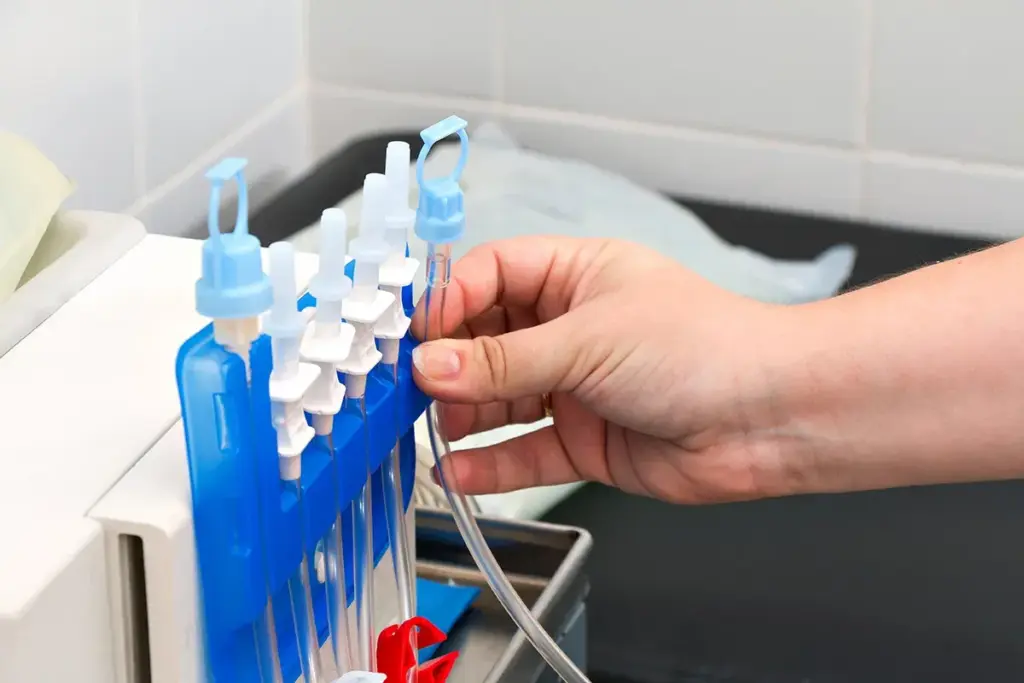
Peritoneal dialysis (PD) is a key treatment for those with severe kidney disease. It lets patients treat themselves at home and keeps their kidneys working longer. The success of PD depends a lot on placing a dialysis catheter peritoneal correctly. The modified Seldinger technique has made this process much better.
Studies show the modified Seldinger technique is very good. It uses ultrasound-guided Veress needle puncture. This makes the procedure safer, more precise, and less invasive than old methods. We will look at how this technique works and its benefits for patients needing kidney replacement.
The modified Seldinger technique has changed how we place peritoneal dialysis catheters. It leads to better results in peritoneal dialysis steps and fewer serious problems. This is very important for improving patients’ lives and making PD more successful in the long run.
Key Takeaways
- The modified Seldinger technique is a big step forward in placing peritoneal dialysis catheters.
- This method is safer, more precise, and less invasive than old ways.
- Ultrasound-guided Veress needle puncture is a key part of the modified Seldinger technique.
- Putting the catheter in right is key for PD to work well.
- The modified Seldinger technique lowers the risk of problems from old surgical methods.
Understanding Peritoneal Dialysis and Catheter Placement
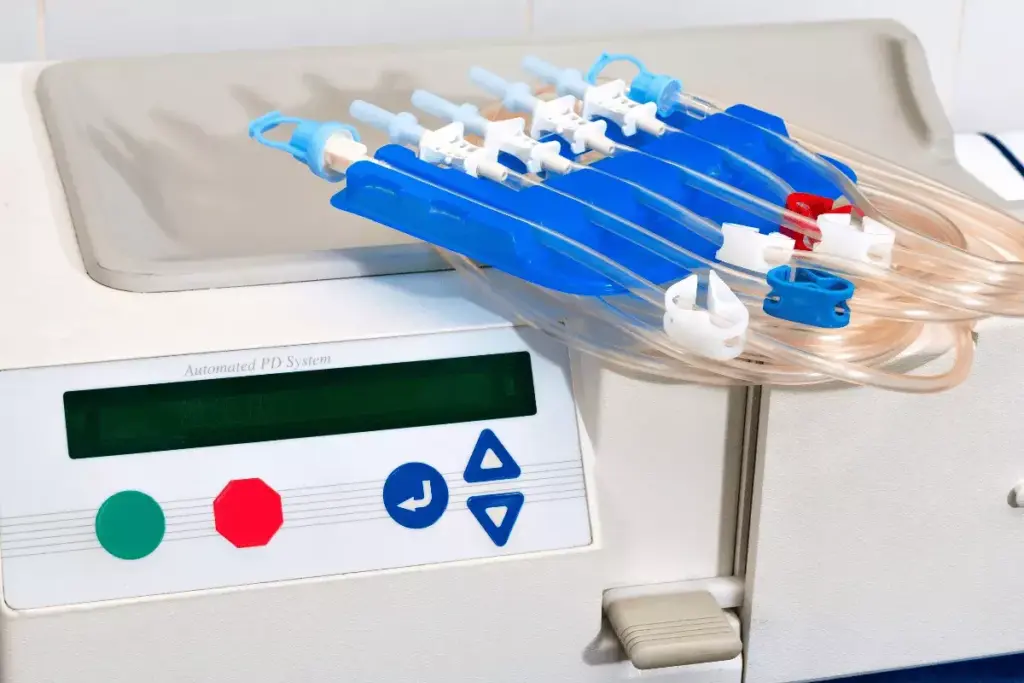
For those with end-stage renal disease, peritoneal dialysis is a lifeline. Its success depends on the right catheter placement. This dialysis method uses the peritoneum in the abdomen to filter waste from the blood.
The Role of Peritoneal Dialysis in End-Stage Renal Disease
Peritoneal dialysis is a key treatment for end-stage renal disease. It’s done at home and offers continuous therapy. This method gives patients more control and can be customized to fit their needs.
This dialysis helps remove waste and balance electrolytes and fluids. But, it only works well if the catheter is placed correctly.
Importance of Proper Catheter Placement
Getting the catheter right is key for dialysis success. A well-placed catheter boosts dialysis efficiency and lowers complication risks. The catheter’s spot in the peritoneum is vital for dialysate flow and dialysis effectiveness.
Studies show the modified Seldinger technique has a 97.9% success rate. It also cuts down on post-op complications, highlighting the need for precise placement.
Common Complications and Their Prevalence
Even with better placement methods, complications can happen. Issues like catheter migration, blockage, and infection are common. About 31% of patients face complications within a month, with 29% being catheter-related.
| Complication | Prevalence |
| Catheter Migration | 15% |
| Obstruction | 8% |
| Infection | 12% |
Knowing about these issues helps healthcare teams prevent and manage them better.
The Modified Seldinger Technique for Catheter Peritoneale Insertion

The modified Seldinger technique is a big step up from old methods for putting in peritoneal dialysis catheters. It fixes the problems of earlier methods, making it safer and more efficient for patients.
Evolution from Standard Seldinger to Modified Technique
The original Seldinger method was a big leap forward but had some big downsides. It had a higher chance of complications. The new method uses ultrasound-guided Veress needle puncture to lower these risks.
This new way makes placing the catheter more accurate. It has greatly improved the success rate of the procedure. This is very important for patients on peritoneal dialysis, as it affects their life quality and treatment success.
Key Advantages of the Modified Approach
The modified Seldinger technique has many benefits over old methods, including:
- Minimally invasive: It lowers the risk of problems and helps patients recover faster.
- Improved precision: It uses ultrasound to place the catheter exactly right.
- Bedside procedure: It can be done right at the patient’s bedside, saving time and resources.
Equipment and Materials Required
To do the modified Seldinger technique, you need:
- Ultrasound machine with the right probes.
- Veress needle.
- Guidewire.
- Dilators.
- Peritoneal dialysis catheter.
We make sure we have all the right stuff and it’s working well before starting. This ensures our patients get the safest and most effective care.
Step-by-Step Procedure Guide
Peritoneal dialysis needs the right placement of catheters. We’ll walk you through the steps of the modified Seldinger technique. Each step is important for success.
Pre-Procedure Patient Preparation
Before starting, patient preparation is key. We check the patient’s medical history and run lab tests. It’s also important that the patient knows what to expect and the possible risks. Good preparation helps avoid problems.
Ultrasound-Guided Veress Needle Puncture
Ultrasound helps place the Veress needle accurately. It uses real-time images to guide the needle safely. This step is vital for placing the catheter correctly.
Guidewire and Catheter Insertion Process
After the needle is in place, a guidewire is inserted. Then, the needle is taken out. The catheter goes over the guidewire, and it’s removed later. This method ensures precise placement with little harm to tissue.
Securing the Catheter and Exit Site Creation
Once the catheter is in, it’s secured to prevent it from moving. The exit site is made, and the catheter is tunneled under the skin. This is important for keeping the catheter working well.
| Step | Description | Key Considerations |
| Pre-Procedure Preparation | Patient assessment and education | Medical history, lab tests, patient consent |
| Ultrasound-Guided Puncture | Veress needle insertion under ultrasound guidance | Precision, safety, real-time imaging |
| Guidewire and Catheter Insertion | Guidewire and catheter placement | Accuracy, minimal tissue trauma |
| Securing the Catheter | Catheter fixation and exit site creation | Infection prevention, catheter stability |
For more on the modified Seldinger technique, check out this article. It offers detailed insights and benefits.
Conclusion
The modified Seldinger technique has greatly improved how we place peritoneal dialysis catheters. This method is less invasive and uses ultrasound for better results. It lowers the risk of problems and makes patients’ outcomes better.
When we look at the modified Seldinger technique versus the Seldinger technique, the former wins. It has a higher success rate and fewer complications after surgery. This shows the benefits of the new method.
The demand for peritoneal dialysis is rising. The modified Seldinger technique is key in caring for patients with kidney failure. It offers less harm to patients and faster recovery times.
Healthcare providers can give better care by learning about the modified Seldinger technique. It improves patients’ lives and their chances of a better future. The debate between the two techniques highlights the need for new, proven practices in healthcare.
FAQ
What is the modified Seldinger technique used for in peritoneal dialysis?
The modified Seldinger technique is a safe way to put in peritoneal dialysis catheters. It lowers the chance of problems and makes patients do better.
How does the modified Seldinger technique differ from the standard Seldinger technique?
The modified Seldinger technique is an update of the standard Seldinger technique. It uses ultrasound and other changes to make the procedure safer and more effective.
What are the benefits of using the modified Seldinger technique for peritoneal dialysis catheter placement?
It’s a gentle method that cuts down on risks. It can be done right at the bedside. This makes patients more comfortable and speeds up recovery.
What are the common complications associated with peritoneal dialysis catheter placement?
Problems like catheter movement, blockages, and infections can happen. These issues can really affect how well dialysis works for patients.
How is the risk of complications mitigated during peritoneal dialysis catheter placement using the modified Seldinger technique?
The risk is lowered by getting the patient ready carefully. Ultrasound helps place the catheter right. The catheter is then secured well, and the exit site is made right.
What is the role of ultrasound guidance in the modified Seldinger technique?
Ultrasound helps place the catheter exactly. This reduces the risk of damage to nearby tissues and makes the procedure safer.
Why is proper catheter placement so important for peritoneal dialysis success?
Proper placement is key because it affects how well dialysis works. It impacts the patient’s life quality and the success of the treatment.
What are the advantages of peritoneal dialysis over hemodialysis for patients with end-stage renal disease?
Peritoneal dialysis gives patients more freedom and a better life quality. It can be done at home, which is more flexible than hemodialysis.
What equipment and materials are required for the modified Seldinger technique?
You need a Veress needle, guidewire, catheter, and an ultrasound machine. These tools help place the catheter safely and effectively.
References
Government Health Resource. Evidence-Based Medical Guidance. Retrieved from https://evtoday.com/articles/2025-aug/urgent-start-peritoneal-dialysis-patient-selection-and-procedural-considerations