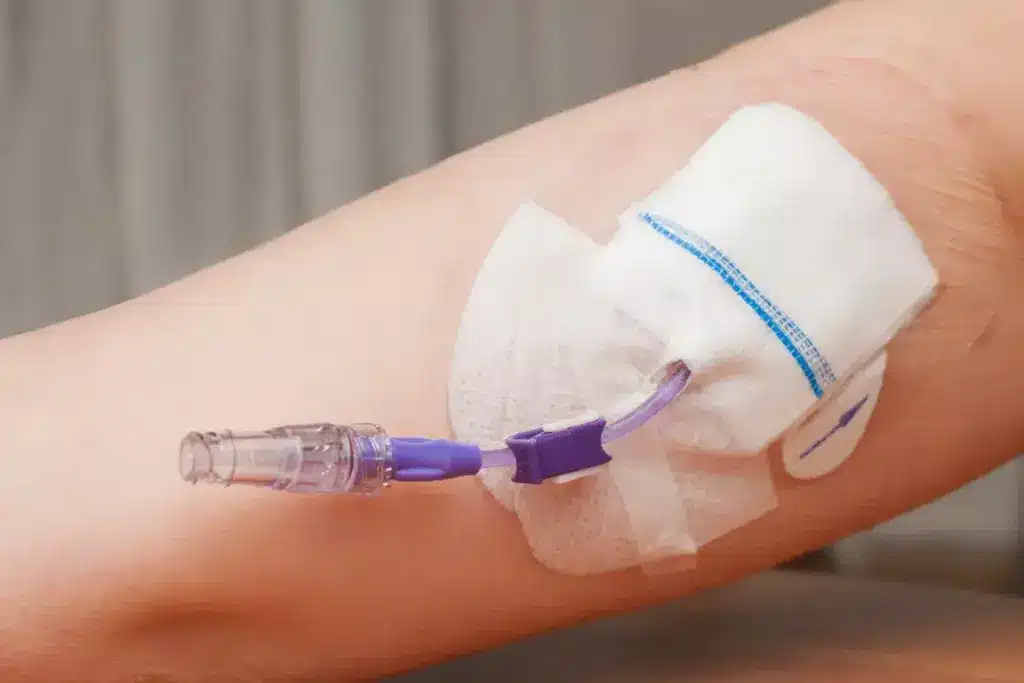
For patients with end-stage kidney disease, tunneled dialysis catheters are key. They allow for life-saving hemodialysis treatment .
At Liv Hospital, we know how important it is to place these devices correctly. About 65% of chronic hemodialysis patients start with a catheter. This shows the need for skilled tunneled hemodialysis catheter placement.
We use the latest technology for safe and effective placement. This includes real-time fluoroscopy and ultrasound. The procedure is done under local anesthesia, so patients can go home the same day.
Key Takeaways
- Tunneled dialysis catheters are a vital access point for hemodialysis patients.
- Precise placement is key for patient outcomes and quality of life.
- Liv Hospital uses advanced imaging for safe catheter placement.
- The procedure is minimally invasive, allowing for same-day discharge.
- Expertise in tunneled catheter placement is essential for healthcare providers.
Understanding Tunneled Dialysis Catheters
Tunneled hemodialysis catheters help make dialysis treatment more efficient and safer. They are key for patients with end-stage renal disease. These catheters give patients a way to get dialysis through their veins.
What is a Tunneled Dialysis Catheter (TDC)?
A tunneled dialysis catheter is a special tube for hemodialysis. It goes into a vein in the chest and reaches the heart. It has two parts: one for blood going to the dialysis machine and the other for clean blood coming back.
Indications for TDC Placement
Tunneled dialysis catheters are for patients needing long-term dialysis. They are best for those who need dialysis right away but don’t have a ready-made fistula or graft.
Preferred Insertion Sites
The right internal jugular vein is the top choice for putting in these catheters. It’s easy to insert and has fewer complications. Other veins, like the left internal jugular and femoral veins, are riskier.
| Insertion Site | Technical Difficulty | Complication Rate |
| Right Internal Jugular Vein | Low | Low |
| Left Internal Jugular Vein | Moderate | Moderate |
| Femoral Veins | High | High |
In short, tunneled dialysis catheters are essential for hemodialysis. Knowing what they are, why they’re used, and where to put them is key. This knowledge helps doctors and nurses place them safely and effectively.
Pre-Procedure Preparation
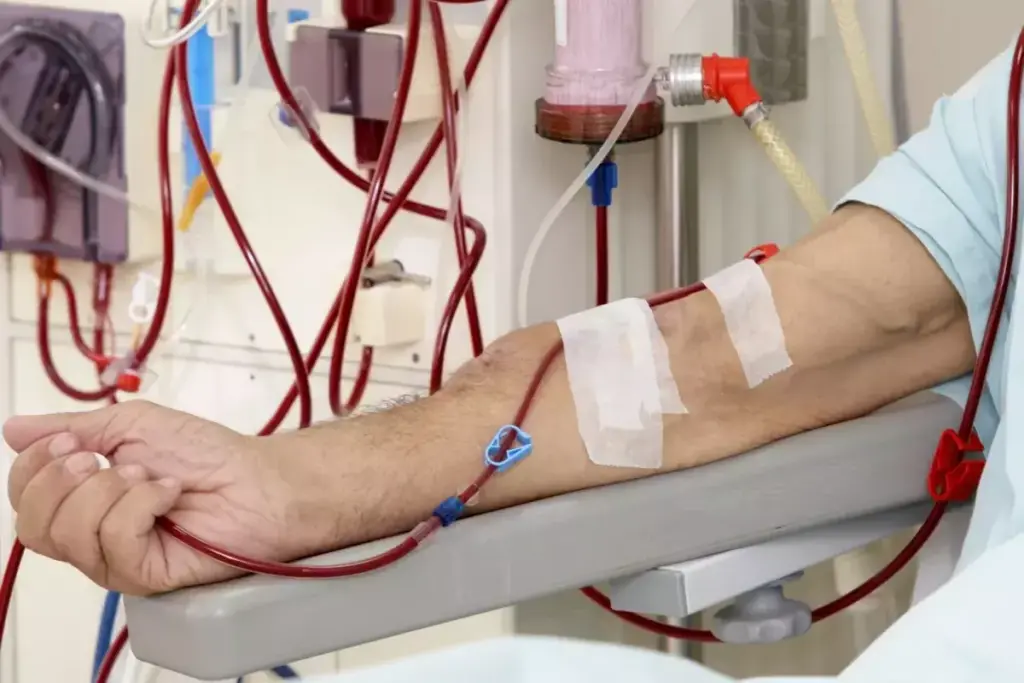
Before we place a tunneled dialysis catheter, we must prepare carefully. This ensures the procedure goes well and keeps the patient safe. We take several important steps to reduce risks and complications.
Patient Assessment and Consent
We start by checking the patient’s health to see if they can have the procedure. We look at their medical history, current medicines, and any allergies. Informed consent is given after explaining the procedure, its benefits, and possible risks.
Patients need blood tests a few days before. They should also bring all their medicines to the hospital on the day of the procedure.
Equipment and Materials Needed
Having the right tools is key for a successful procedure. We need:
- A tunneled dialysis catheter kit
- Ultrasound machine for vein access
- Fluoroscopy equipment for catheter guidance
- Sterile drapes and gown
- Local anesthetic
We make sure all equipment works well and we have enough sterile materials.
| Equipment | Purpose |
| Ultrasound Machine | Guiding vein access |
| Fluoroscopy Equipment | Catheter placement verification |
| Sterile Drapes and Gown | Maintaining sterility |
Sterile Technique and Setup
Keeping everything clean is vital to avoid infections. We follow strict sterile technique for the procedure. This means using sterile gloves, gowns, and drapes, and making sure all equipment is clean.
Positioning and Local Anesthesia
It’s important to position the patient correctly for the catheter placement. We arrange the patient so we can easily reach the insertion site. Local anesthesia is used to reduce pain during the procedure.
Patients are told not to eat solid food after midnight the night before. They can drink clear fluids, though. They also need to arrange for someone to drive them home after the procedure.
Tunneled Dialysis Catheter Placement Technique
Placing a tunneled dialysis catheter is a detailed process. It’s vital for patients needing long-term dialysis. The success of this procedure depends on the skill of the medical team.
Ultrasound-Guided Vein Access
The first step is to access the vein using ultrasound. This method has greatly improved the procedure’s success rate. It has a 98% success rate for optimal catheter tip positioning and function. Ultrasound lets the team see the needle and surrounding areas in real-time, lowering the risk of problems. For more details, check out this guide on tunneled central catheter placement.
Creating the Subcutaneous Tunnel
After accessing the vein, the next step is making a subcutaneous tunnel. A small incision is made, and a tunneler is used to create a pathway for the catheter. This tunnel helps keep the catheter in place and lowers the risk of infection.
Catheter Advancement Under Fluoroscopy
Next, the catheter is advanced through the tunnel and into the vein under fluoroscopy. Fluoroscopy gives real-time images, helping the team place the catheter tip accurately. This step is key to ensuring the catheter works right and to avoid complications.
Securing the Catheter
The last step is securing the catheter. The catheter is sutured to the skin, and the site is dressed to prevent infection. It’s important to secure the catheter well to keep it in place and working for a long time.
| Step | Description | Key Considerations |
| Ultrasound-Guided Vein Access | Gaining vein access using ultrasound guidance | Real-time visualization, reduced complications |
| Creating the Subcutaneous Tunnel | Making a small incision and creating a pathway for the catheter | Securing the catheter, reducing infection risk |
| Catheter Advancement Under Fluoroscopy | Advancing the catheter into the vein under fluoroscopic guidance | Accurate positioning, minimizing complications |
| Securing the Catheter | Suturing the catheter to the skin and dressing the site | Maintaining catheter position, preventing infection |
Conclusion
We’ve talked about the key parts of tunneled dialysis catheter placement. This procedure gives quick access for hemodialysis treatment. Tunneled dialysis catheters are key for both short-term and long-term dialysis needs.
Putting in a tunneled hemodialysis catheter is a common task. It needs a deep understanding of both the technical and clinical sides. Using new methods like ultrasound and fluoroscopy helps doctors get good results and avoid problems.
A dialysis tunneled catheter is a critical tool in patient care. It provides a steady way to get to the blood for dialysis. The steps to put it in, like making a tunnel under the skin and securing it, are very important for its success.
In short, the tunneled catheter placement is a big part of dialysis access. Its success depends on knowing the technical and clinical details well. By learning these skills, healthcare workers can give top-notch care to patients needing dialysis.
FAQ
What is a tunneled dialysis catheter?
A tunneled dialysis catheter is used for hemodialysis treatment. It’s a catheter inserted into a vein and tunneled under the skin. This provides a stable access point for dialysis.
Why is tunneled dialysis catheter placement necessary?
It’s needed for patients needing immediate hemodialysis. They’re waiting for a permanent access option like an arteriovenous fistula or graft.
What are the preferred insertion sites for tunneled dialysis catheters?
The right internal jugular vein is the best site. It’s straight to the superior vena cava, lowering complication risks.
How is a tunneled dialysis catheter placed?
First, vein access is gained with ultrasound. Then, a subcutaneous tunnel is created. The catheter is advanced under fluoroscopy and secured.
What are the benefits of using ultrasound guidance during tunneled dialysis catheter placement?
Ultrasound guidance reduces risks like arterial puncture or nerve injury. It allows for real-time visualization of the vein.
How is the catheter secured in place?
The catheter is secured with sutures or other devices. This prevents it from moving or migrating.
What is the role of fluoroscopy in tunneled dialysis catheter placement?
Fluoroscopy guides the catheter’s advancement. It confirms the tip is in the superior vena cava.
What are the risks associated with tunneled dialysis catheter placement?
Risks include infection, bleeding, and mechanical issues like malfunction or migration.
How is infection risk minimized during tunneled dialysis catheter placement?
Infection risk is lowered by using sterile techniques and antibiotics. Proper catheter care and maintenance are also key.
What is the significance of tunneled dialysis catheters in patient care?
They provide immediate hemodialysis access. They’re a temporary solution until a permanent option is available. They’re vital for patient care and management.
References
National Center for Biotechnology Information. Evidence-Based Medical Guidance. Retrieved from https://pubmed.ncbi.nlm.nih.gov/32298419/