


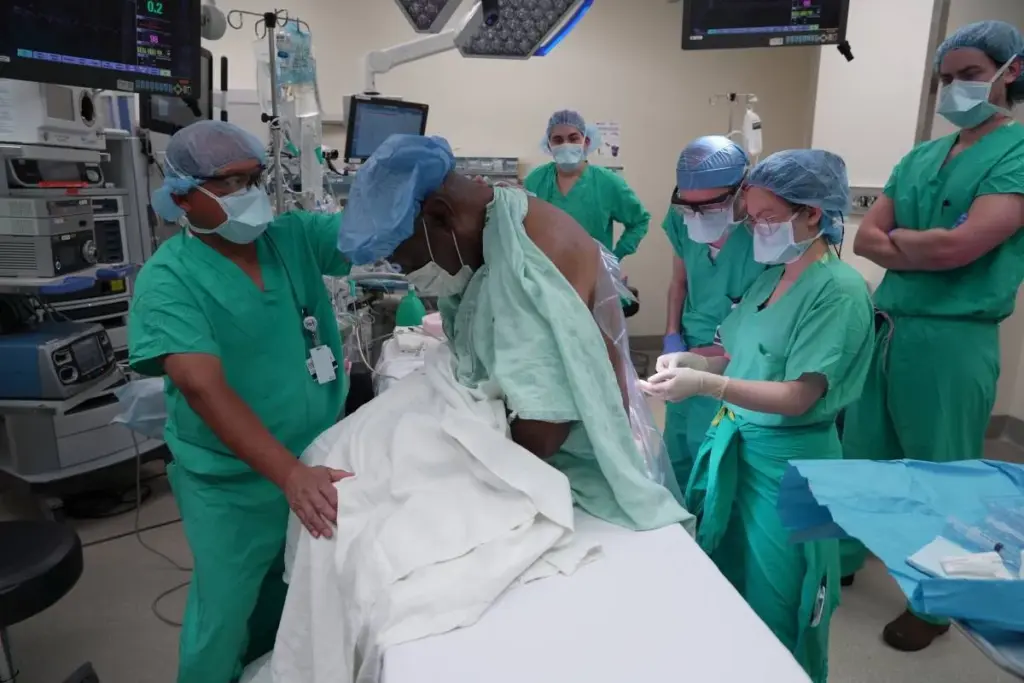
A kidney transplant is a life-saving treatment for those with end-stage renal disease. It greatly improves quality of life and can add about 10 years to your life compared to dialysis.
At Liv Hospital, we know how vital it is to provide top-notch care for patients getting a kidney transplant. Our team uses the latest surgical techniques and supportive services to help you every step of the way.
Getting ready for a kidney transplant procedure means learning about the surgery, checking if you’re a good candidate, and getting support on your journey.
Key Takeaways
- Understand the kidney transplant procedure and its benefits
- Learn about the comprehensive support services offered by Liv Hospital
- Discover the importance of preparation for a successful transplant
- Find out how Liv Hospital guides patients through the kidney transplantation process
- Gain insights into the life-changing benefits of a kidney transplant
Understanding Kidney Transplantation

People with kidney failure might find hope in kidney transplantation. This process can be complex but is essential to understand. Breaking it down helps.
What is a Kidney Transplant and Who Needs It
A kidney transplant is when a healthy kidney is put into someone with kidney failure. It’s for those with end-stage renal disease (ESRD). Their kidneys almost can’t work anymore.
Those with ESRD often need dialysis. But a transplant can be a lasting fix. It can greatly improve their health and life.
Types of Kidney Donors: Living vs. Deceased
Kidney donors can be living or deceased. Living donors are usually family or close friends. They give one of their kidneys. Living donor transplants have many benefits, like shorter wait times and better success rates.
Deceased donors are people who signed up to be organ donors after they pass away. While they’re a big help, the wait can be longer. Success rates might not be as high as living donor transplants.
Success Rates and Long-term Outcomes
Kidney transplant success rates have gotten better over time. This is thanks to better surgery and medicine. Living donor transplants usually do better than deceased donor ones.
How well a transplant works long-term depends on many things. This includes the person’s health, how well the donor and recipient match, and following care after the transplant. We help our patients get the best care and support every step of the way.
The Renal Transplant Evaluation Process

The journey to a kidney transplant starts with a detailed evaluation. This process checks if a patient is healthy enough for the transplant. It’s key to see if a patient is a good match for a kidney transplant.
Initial Medical Assessment
The first step is a thorough medical check-up. It looks at the patient’s health history and current condition. The team also checks for any health issues that might affect the transplant.
Key components of the initial medical assessment include:
- Review of medical history and current health status
- Blood tests to assess kidney function and overall health
- Imaging studies to evaluate the patient’s vascular and kidney anatomy
Comprehensive Testing Requirements
More tests are needed to check if a patient is ready for a transplant. These tests look for any health risks. They make sure the patient is strong enough for the surgery.
| Test Type | Purpose |
| Blood Tests | Assess kidney function, blood type, and overall health |
| Imaging Studies | Evaluate vascular and kidney anatomy |
| Cardiovascular Tests | Assess heart health and possible surgery risks |
For more detailed information on the transplant evaluation process, you can visit Kidney Fund’s resource page.
Psychological and Social Evaluation
A psychological and social check is also important. It looks at the patient’s mental readiness for the transplant. It also checks if they can follow post-transplant care instructions.
The evaluation considers factors such as:
- The patient’s mental health and stability
- Their support system and social network
- Their understanding of the transplant process and post-transplant requirements
Financial Planning and Insurance Considerations
Financial planning and insurance are also key parts of the process. Patients need to know the transplant costs. They also need to understand their insurance coverage.
Key financial considerations include:
- Understanding insurance coverage and out-of-pocket expenses
- Planning for post-transplant care and medication costs
- Exploring financial assistance options if needed
Preparing for Your Kidney Transplant Surgery
To get the best results from your kidney transplant, we’ll help you prepare for surgery and care after. Preparing for a kidney transplant surgery is key. It ensures a smooth and successful procedure.
Pre-Surgery Medical Instructions
Before your surgery, you’ll get specific medical instructions. It’s important to follow these instructions closely. This helps reduce risks and prepares your body for the transplant. Instructions might include:
- Changing or stopping certain medications that could affect the surgery or your new kidney.
- Doing more tests to check your health and if you’re ready for the transplant.
- Making lifestyle changes, like diet changes, to improve your health.
Your healthcare team will give you personalized advice. Make sure to follow their guidance carefully.
What to Bring to the Hospital
On the day of your surgery, pack the right items for the hospital. Packing early can reduce stress and make sure you have everything. You should bring:
- Comfortable clothes and personal items for your stay.
- Insurance info and ID.
- Any medical records or test results you need.
Understanding the Surgical Procedure
The kidney transplant surgery is a detailed process. The surgical team will make an incision in your abdomen to place the new kidney. The surgery takes several hours, and you’ll be under general anesthesia for comfort.
Knowing the basics of the surgery can help ease your worries and prepare you for what’s to come.
Recovery Timeline and Post-Transplant Care
The recovery after a kidney transplant is very important. Your healthcare team will watch your progress and guide you on post-transplant care. The recovery time can vary, but you can expect to:
- Stay in the hospital for a few days for initial recovery and monitoring.
- Take a strict regimen of immunosuppressive medications to prevent rejection.
- Go to follow-up appointments to check how your new kidney is doing.
Following your post-transplant care plan is key for your new kidney’s long-term health.
Conclusion
After a successful kidney transplant, patients need ongoing care. This helps manage their condition and prevent problems. We’ve covered the essential steps to get ready for a renal transplant.
This includes understanding the procedure and checking if you’re a good candidate. Also, preparing for surgery and recovering afterwards are key.
A kidney transplant is a big change that needs careful preparation and ongoing care. We stress the importance of regular medical check-ups and making lifestyle changes. These steps help ensure the transplant works well in the long run.
Support services are very important for transplant patients. They offer the help and resources needed to manage the condition and improve life quality. Knowing how important transplant care is helps people navigate the process better and get the best results.
We’ve talked about how a renal transplant is more than just surgery. It’s a lifelong commitment to health. We urge transplant recipients to stay informed and involved in their care. This way, they can get the best outcomes.
FAQ
What is the kidney transplant procedure?
The kidney transplant procedure replaces a diseased kidney with a healthy one from a donor. It’s done to treat severe kidney disease. The new kidney is connected to the recipient’s blood vessels and urinary system.
What are the different types of kidney donors?
There are two main types of kidney donors. Living donors give one of their kidneys to a loved one. Deceased donors give their organs after passing away. We check both donors to make sure the kidney is a good match.
What is the evaluation process for kidney transplant recipients?
The evaluation process includes many tests. These include blood work, imaging, and heart checks. We also look at the recipient’s mental and emotional health. Plus, we check their financial and insurance plans.
What are the contraindications for a kidney transplant?
Certain conditions make a transplant not possible. These include active cancer, severe heart disease, and some infections. We also consider the recipient’s health, age, and medical history.
What can I expect during the kidney transplant surgery?
The surgery involves making an incision in the lower abdomen. The new kidney is then connected to the recipient’s blood vessels and urinary system. The surgery can take several hours, and the recipient is under general anesthesia.
What is the recovery timeline after a kidney transplant?
Recovery time varies based on health and any complications. Recipients usually stay in the hospital for a few days to a week. It can take weeks to months to fully recover. We provide detailed care instructions.
How is the kidney transplant procedure performed?
A skilled surgical team performs the transplant. The process includes preparing the recipient’s body, implanting the new kidney, and connecting it. Advanced techniques and technology are used for success.
What are the benefits of a kidney transplant?
A transplant improves kidney function and reduces symptoms. It also enhances quality of life. A successful transplant can reduce dialysis needs and improve overall health.
What is the role of compassionate support services in the transplant journey?
Support services are vital in the transplant journey. They provide care and guidance throughout. We offer pre-transplant evaluation, post-transplant care, and ongoing management for success.
References
National Center for Biotechnology Information. Evidence-Based Medical Guidance. Retrieved from https://www.ncbi.nlm.nih.gov/books/NBK567755/[5



 Departments
 Related Videos
 Our Doctors
 News
News






















