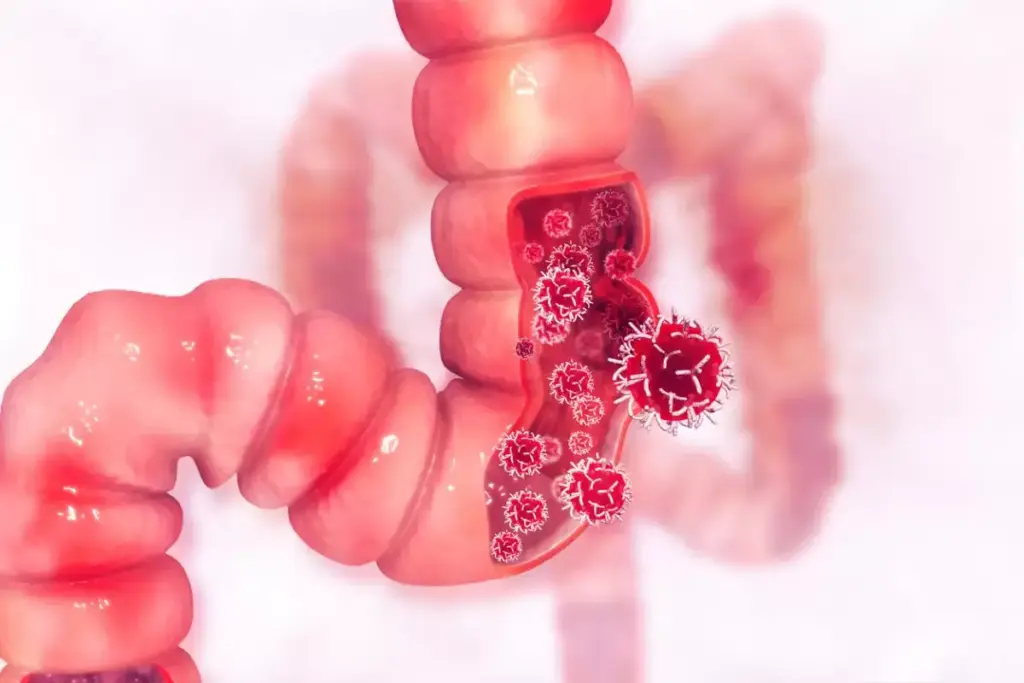
Recent studies show that some supplements might help lower the risk of colon cancer. Research points to vitamin D and calcium supplements as key players in colon cancer prevention. We look into the evidence backing their use in a complete prevention plan. Take proactive steps. Learn how to prevent colon cancer with specific supplements that have been proven to reduce tumor risk significantly.
At top hospitals like Liv Hospital, experts are looking into how supplements can boost preventive care. Vitamin D and calcium supplements have been shown to cut down colon cancer risk in studies. Knowing how these supplements work can help people make better health choices.
Key Takeaways
- Vitamin D and calcium supplements are linked to a reduced risk of colon cancer.
- Recent studies support the role of these supplements in colon cancer prevention.
- Strategic supplement use is becoming a key aspect of preventive cancer care.
- Leading healthcare institutions are now focusing on supplement-based prevention plans.
- Informed decisions about supplement use can enhance overall health and wellbeing.
The Growing Concern of Colorectal Cancer

Colorectal cancer is a big worry that needs our focus and action. It’s a major health problem worldwide. Knowing about its risks helps us find ways to prevent it.
Global Prevalence and Mortality Rates
Colorectal cancer is a common cancer globally, with high death rates. The numbers vary by place, with more cases in developed countries.
|
Region |
Incidence Rate |
Mortality Rate |
|---|---|---|
|
North America |
45.6 per 100,000 |
16.9 per 100,000 |
|
Europe |
42.1 per 100,000 |
18.3 per 100,000 |
|
Asia |
23.8 per 100,000 |
11.4 per 100,000 |
Risk Factors for Developing Colon Cancer
Many things can increase your risk of colon cancer. These include your genes, lifestyle, and the environment. Knowing these risks helps us protect those at higher risk.
- Genetic Predisposition: Family history of colorectal cancer or genetic syndromes like Lynch syndrome.
- Lifestyle Choices: Diet high in processed meat, low in fiber, physical inactivity, and smoking.
- Environmental Factors: Exposure to certain chemicals and radiation.
The Critical Connection Between Nutrition and Colon Health
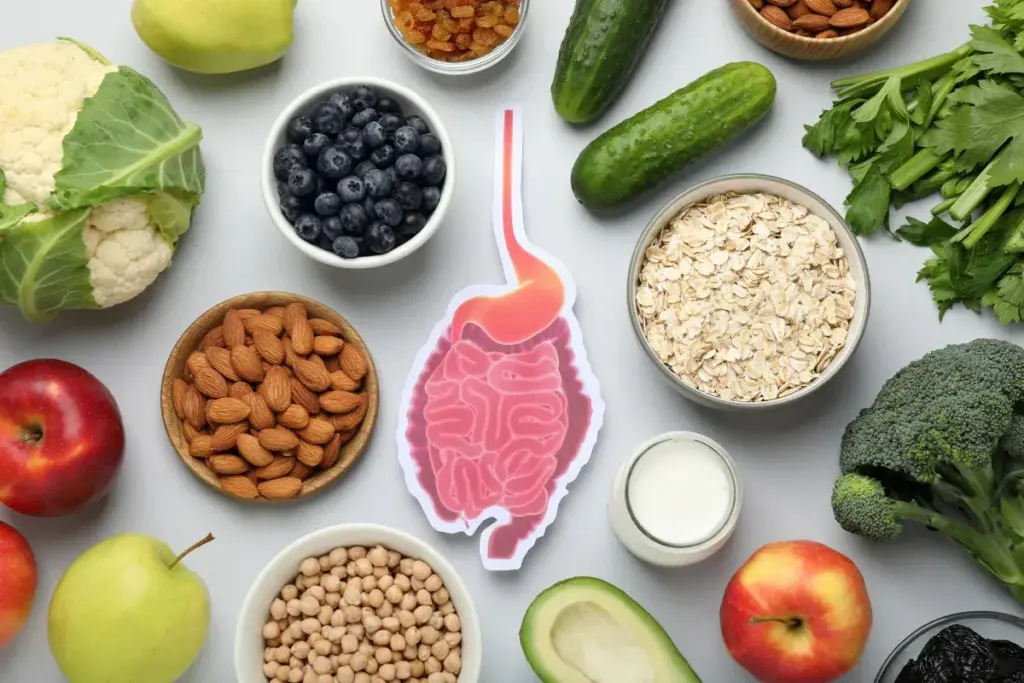
Nutrition is key to keeping the colon healthy and lowering colon cancer risk. Eating well supports overall health and cuts down colorectal cancer risk.
Dietary Patterns Associated with Lower Risk
Eating lots of fruits, veggies, and whole grains lowers colon cancer risk. These foods are full of fiber, vitamins, and minerals that help the colon stay healthy.
- Fruits and Vegetables: They’re packed with antioxidants and fiber, which fight inflammation and boost colon health.
- Whole Grains: They’re rich in fiber and nutrients that aid in digestion and keep the colon working well.
- Legumes: They’re full of protein, fiber, and micronutrients that are good for overall health.
Importance of Micronutrients in Colon Health
Micronutrients like vitamin D and calcium are vital for colon health. Vitamin D helps protect against colon cancer. Calcium helps control cell growth and lowers cancer risk in the colon.
- Vitamin D helps control cell growth and immune responses.
- Calcium binds to bile acids, reducing their cancer-causing effects.
The Supplement Approach to Prevention
While a balanced diet is important, supplements can also help prevent colon cancer. Vitamin D supplements and calcium supplements have shown promise.
Always talk to a healthcare provider before starting supplements. This ensures they fit your specific needs and health status.
Vitamin D: A Powerful Shield Against Colorectal Cancer
Vitamin D is key in fighting colorectal cancer. We’ll look at how it lowers disease risk. We’ll also check out the various vitamin D supplements out there.
Meta-Analysis Results: The 25% Risk Reduction
Many studies have linked vitamin D to lower colorectal cancer risk. They found a 25% risk reduction. This shows vitamin D’s power as a preventive tool.
Types of Vitamin D Supplements
Vitamin D supplements are mainly D2 and D3. Knowing the difference is key for choosing the right one.
|
Supplement Type |
Description |
Potency |
|---|---|---|
|
Vitamin D2 (Ergocalciferol) |
Derived from fungal sources |
Less potent |
|
Vitamin D3 (Cholecalciferol) |
Derived from animal sources or synthesized in the skin |
More potent |
Choosing the right vitamin D supplement is important. Both D2 and D3 can boost vitamin D levels. But, Vitamin D3 is often seen as more effective for keeping vitamin D levels up over time.
The Science Behind Vitamin D’s Protective Mechanisms
<SEP-1239_image_4>
Vitamin D helps protect against colorectal cancer in many ways. It affects gene expression, immune function, and reduces inflammation. These actions are key to preventing cancer.
Influence on Gene Expression and Cell Differentiation
Vitamin D binds to receptors in cells, changing how genes are expressed. This is important for controlling cell growth and preventing cancer.
It affects genes that help stop cells from growing too much, dying properly, and fixing DNA damage. Vitamin D keeps cells in balance, stopping cancer from starting.
Regulation of Immune Responses in the Colon
Vitamin D also helps control the immune system in the colon. It boosts the activity of immune cells and antimicrobial peptides. This is vital for fighting off infections and keeping the colon healthy.
Its role in immune regulation is key in preventing colorectal cancer by avoiding chronic inflammation and tissue damage.
Anti-inflammatory Properties and Cancer Prevention
Chronic inflammation increases the risk of colorectal cancer. Vitamin D fights this by reducing harmful inflammation and increasing helpful inflammation.
Here’s a table showing how vitamin D’s anti-inflammatory effects help prevent colorectal cancer:
|
Study |
Findings |
Impact on Colorectal Cancer Risk |
|---|---|---|
|
Study on vitamin D supplementation |
Reduced inflammation markers |
Lowered risk of colorectal cancer |
|
Meta-analysis of observational studies |
Higher vitamin D levels associated with reduced inflammation |
Reduced risk of colorectal cancer |
|
Experimental study on vitamin D’s effect on immune cells |
Enhanced anti-inflammatory response |
Potential reduction in colorectal cancer risk |
Vitamin D’s role in reducing inflammation is a major reason it protects against colorectal cancer.
Dose-Response Relationship: How Much Vitamin D Is Needed?
When we talk about vitamin D and colorectal cancer, the dosage question comes up. The link between vitamin D levels and colorectal cancer risk is complex. Knowing this helps us create better prevention plans.
Understanding Serum Vitamin D Measurements
Serum vitamin D levels are measured in nanograms per milliliter (ng/mL). This is the best way to check if someone has enough vitamin D. 25(OH)D levels help doctors see if a patient’s vitamin D is good, not enough, or too low.
To grasp how vitamin D affects colorectal cancer risk, we need to understand these measurements. Here’s a table that shows how vitamin D status is classified:
|
Vitamin D Status |
25(OH)D Level (ng/mL) |
|---|---|
|
Deficient |
Less than 20 |
|
Insufficient |
20-29 |
|
Sufficient |
30-50 |
|
Optimal for Cancer Prevention |
60 or higher |
The 21% Risk Reduction per 16 ng/mL Increase
Research shows that a 16 ng/mL increase in vitamin D levels lowers colorectal cancer risk by 21%. This shows how important it is to keep vitamin D levels up for cancer prevention. Higher vitamin D levels seem to offer more protection against colorectal cancer.
Recommended Blood Levels for Cancer Prevention
While there’s debate on the best vitamin D level for cancer prevention, research points to levels over 60 ng/mL. To reach these levels, people might need to take supplements. This depends on their starting vitamin D, skin color, and sun exposure.
Understanding the link between vitamin D and colorectal cancer risk helps doctors create better prevention plans. These plans can be tailored to each person’s needs.
Calcium Supplements: Another Key Player in Colon Cancer Prevention
<SEP-1239_image_5>
Calcium supplements are key in lowering colorectal cancer risk. They play a big role in colon cancer prevention. This has caught a lot of attention.
NIH-AARP Diet and Health Study Findings
The NIH-AARP Diet and Health Study is a big investigation. It shows how calcium supplements help lower colorectal cancer risk. This study followed many people for a long time.
It found that those who took calcium supplements had less colorectal cancer. This shows calcium supplements can help prevent colon cancer.
Stronger Protection Against Rectal Cancer
The study also found calcium supplements protect more against rectal cancer. Rectal cancer is aggressive and hard to treat. The link between calcium and less rectal cancer is strong.
Here’s a table to show the findings:
|
Cancer Type |
Risk Reduction with Calcium Supplements |
|---|---|
|
Colorectal Cancer |
Moderate Reduction |
|
Rectal Cancer |
Significant Reduction |
Population Studies Across Different Demographics
Studies have looked at different groups to see if calcium supplements work the same everywhere. They found that calcium supplements help lower colon cancer risk in most people.
But, some differences were seen. These depend on age, gender, and how much calcium people already get.
Looking at many studies helps us understand how calcium supplements fit into preventing colon cancer.
How Calcium Works to Protect Against Colorectal Cancer
It’s important to know how calcium helps prevent colorectal cancer. Calcium is a key nutrient that keeps the colon healthy and lowers cancer risk.
Binding of Carcinogenic Bile Acids
Calcium fights colorectal cancer by binding to harmful bile acids in the colon. Bile acids can turn bad when gut bacteria change them. Calcium stops these harmful effects on the colon lining.
This action is key because it reduces damage to colon cells. With less harmful bile acids, the colon is safer. This lowers the chance of cancer in colon cells.
Regulation of Cell Proliferation in the Colon
Calcium also controls how cells grow and divide in the colon. This is normal but can lead to tumors if out of control. Calcium keeps this process in check.
Research shows calcium affects genes that control cell growth. This helps keep cell growth normal. Taking calcium can lower the risk of colorectal cancer.
Influence on Cell Signaling Pathways
Calcium also affects cell signaling pathways. These pathways control cell growth, differentiation, and death. Calcium’s role in these pathways helps prevent cancer by getting rid of damaged cells and regulating growth.
Calcium’s effect on these pathways is complex. It involves many mechanisms. By influencing these pathways, calcium protects against colorectal cancer, showing its importance in cancer prevention.
|
Mechanism |
Description |
Effect on Colorectal Cancer Risk |
|---|---|---|
|
Binding of Carcinogenic Bile Acids |
Calcium binds to harmful bile acids, reducing their damaging effects on the colon lining. |
Reduces exposure to carcinogenic agents, lowering cancer risk. |
|
Regulation of Cell Proliferation |
Calcium influences gene expression to control cell growth and division. |
Prevents uncontrolled cell growth, reducing tumor formation. |
|
Influence on Cell Signaling Pathways |
Calcium modulates pathways controlling cell growth, differentiation, and apoptosis. |
Ensures proper cellular function, eliminating damaged cells and reducing cancer risk. |
Dietary vs. Supplemental Calcium: Which Is More Effective?
Both dietary and supplemental calcium can help lower colon cancer risk. But which one is better? Let’s look at the differences between these two calcium sources.
Food Sources Rich in Calcium
Dietary calcium comes from foods like dairy, leafy greens, and fortified items. These foods give you calcium and other nutrients that are good for your health.
Here are some top foods for calcium:
- Dairy products (milk, cheese, yogurt)
- Leafy greens (kale, broccoli, spinach)
- Fortified plant-based milk
- Tofu and other soy products
- Nuts and seeds (almonds, sesame seeds)
Bioavailability Differences
Bioavailability is how well your body can use calcium from different sources. Dietary calcium is often better because it’s naturally found in foods. But, supplemental calcium can also be very bioavailable, even more so when taken with meals.
It’s important to compare how well dietary and supplemental calcium work against colon cancer.
|
Calcium Source |
Bioavailability |
|---|---|
|
Dietary Calcium |
High |
|
Supplemental Calcium (with meals) |
High |
|
Supplemental Calcium (on an empty stomach) |
Moderate |
Supplement Formulations and Absorption
Calcium supplements come in different forms like calcium carbonate, calcium citrate, and calcium gluconate. The type you choose can affect how well it’s absorbed and its effectiveness in fighting colon cancer.
Calcium Citrate is good because it’s absorbed well, even without food. Calcium Carbonate needs stomach acid to work and is best with meals.
In summary, both dietary and supplemental calcium are key in preventing colon cancer. Dietary calcium is great for a balanced diet, while supplements can offer extra help. Knowing about bioavailability and types of calcium supplements can help you choose the best for your health.
How to Prevent Colon Cancer Through Strategic Supplementation
To prevent colon cancer, understanding the role of supplements is key. Research shows that some supplements can lower the risk of colon cancer. Vitamin D and calcium are two important supplements for prevention.
Optimal Vitamin D Dosing Strategies
Vitamin D supplements can help prevent colon cancer. Studies show that keeping vitamin D levels between 60-80 ng/mL is best. This helps stop colorectal tumors from growing.
Recommended Vitamin D Dosage: Adults usually need 2,000-4,000 IU of vitamin D daily. But, needs can change based on age, skin color, and where you live.
Calcium Supplementation Guidelines
Calcium is vital for colon health and cancer prevention. Taking calcium supplements can lower the risk of colon cancer. Adults should aim for 1,000-1,200 mg of calcium daily.
Choosing the Right Calcium Supplement: Calcium carbonate and calcium citrate are common types. Calcium citrate is better absorbed, which is good for those with low stomach acid.
Potential Synergistic Effects of Combined Supplementation
Using vitamin D and calcium together may offer more protection against colon cancer. Studies suggest that their combined effect is stronger than using either one alone.
Synergistic Benefits: Together, they can help control cell growth, boost the immune system, and reduce inflammation. These actions lower the risk of colon cancer.
Individual Factors Affecting Supplement Efficacy
When looking at supplements for colon cancer prevention, it’s key to know that personal factors can greatly affect how well they work. The success of vitamin D and calcium supplements can change based on several personal traits.
Gender-Specific Responses to Supplements
Studies show that men and women might react differently to vitamin D and calcium supplements. For example, some research points out that these supplements might protect women more than men against colon cancer. It’s important to understand these differences to make the right supplement plan for each person.
A study in the Journal of the National Cancer Institute found that calcium supplements might lower the risk of colon cancer in men. But the effect was less clear in women. Vitamin D’s benefits also seem to vary by gender, with women possibly getting more protection.
The Impact of Body Mass Index on Absorption
Body mass index (BMI) is another important factor that can change how well vitamin D and calcium supplements work. People with a higher BMI might absorb these nutrients differently. For instance, obesity can affect vitamin D levels, possibly because it gets stored in fat.
A study looked at how BMI affects vitamin D levels. It found that those with higher BMIs had lower vitamin D levels, even when taking the same amount as those with lower BMIs. This means that the amount of supplement needed might depend on BMI.
Age-Related Changes in Nutrient Metabolism
Age plays a big role in how our bodies process nutrients like vitamin D and calcium. As we get older, our ability to absorb these nutrients can change. This might affect how well supplements work.
|
Age Group |
Changes in Nutrient Metabolism |
Implications for Supplementation |
|---|---|---|
|
Younger Adults |
Higher absorption rates for calcium and vitamin D |
Standard supplementation doses may be effective |
|
Older Adults |
Reduced absorption efficiency, potentially lower serum vitamin D levels |
May require higher doses or more frequent monitoring |
Knowing these individual factors is key to getting the most out of vitamin D and calcium supplements for colon cancer prevention. By adjusting supplements based on personal traits, people can better protect themselves against this disease.
Comprehensive Approach: Supplements as Part of a Prevention Strategy
To prevent colon cancer, we need a complete plan. Supplements are important, but they’re just part of it.
Screening Recommendations for Early Detection
Regular screening is key to preventing colon cancer. We suggest starting screenings at age 45 for those at average risk. Early detection through screening can significantly improve treatment outcomes.
There are many screening options, like colonoscopy and stool DNA tests. The right choice depends on your risk and what you prefer.
Dietary Modifications Beyond Supplements
Eating right is also vital. A diet full of fruits, veggies, and whole grains can lower your risk. Increasing fiber intake helps keep your bowels regular and cuts down on cancer risk.
Try to eat less red and processed meat. These foods can increase your risk of colon cancer. Eating a variety of healthy foods supports your colon’s health.
Exercise and Physical Activity Benefits
Exercise is also essential for preventing colon cancer. It helps by making your body more sensitive to insulin, reducing inflammation, and boosting your immune system.
Aim for at least 150 minutes of moderate-intensity exercise or 75 minutes of vigorous-intensity exercise per week. Adding physical activity, like walking or cycling, to your daily life can help lower your risk.
Safety Considerations: Possible Risks of Supplementation
When we talk about supplements and colon cancer prevention, we must look at the downsides. Supplements are usually safe but can cause problems if not used right.
Vitamin D Toxicity: Symptoms and Thresholds
Vitamin D toxicity is rare but can happen with too much supplement. Signs include nausea, vomiting, and weakness. In bad cases, it can harm the kidneys because of too much calcium. The danger zone is usually when vitamin D levels go over 150 ng/mL.
It’s key to keep an eye on vitamin D levels when taking supplements. Regular blood tests can help adjust the dose to stay safe.
Calcium Supplementation Concerns
Calcium supplements help prevent colon cancer but can cause stomach issues like constipation and bloating. They can also raise the risk of kidney stones and interact with other medicines.
To lessen these risks, take calcium supplements in smaller doses with meals. This helps with absorption and reduces stomach problems.
Populations That Should Exercise Caution
Some groups need to be extra careful with supplements for colon cancer prevention. This includes people with kidney disease, as they might be more at risk from vitamin D and calcium.
- Those with a history of kidney stones should talk to their doctor before starting calcium supplements.
- People with sarcoidosis or other conditions that affect calcium should be careful with vitamin D supplements.
Choosing to use supplements should always be a talk with a healthcare provider. They can look at the risks and benefits for you.
Implementing a Supplement Regimen Under Medical Guidance
To get the most out of supplements for colon cancer prevention, getting medical advice is key. Always talk to a healthcare provider before starting any supplement plan.
Importance of Baseline Testing
Starting with baseline testing is vital when you begin a supplement plan. It sets a baseline for measuring how well the supplements work. It also spots any health issues or deficiencies that need attention.
Some important tests to think about include:
- Vitamin D level testing: To see if you need to take more.
- Calcium level testing: To make sure you’re not taking too much.
- Comprehensive metabolic panel: To check your overall health and how supplements might affect you.
Monitoring Effectiveness Through Follow-up
Regular check-ups with your doctor are key to seeing how well your supplements are working. You might need blood tests and checks for any side effects or health changes.
Important things to watch include:
- Changes in vitamin D and calcium levels.
- Any bad effects or interactions with other medicines.
- Any improvements or health concerns.
Adjusting Dosages Based on Individual Response
Everyone reacts differently to supplements. Your doctor might change your dosage based on how you’re doing, any side effects, or health changes.
Things that might lead to dosage changes include:
- Changes in blood test results.
- Reported side effects or bad reactions.
- New health issues or medicines that might affect supplements.
By teaming up with your healthcare provider and following these steps, you can make the most of your supplement plan. This way, you can enjoy the benefits while staying safe.
Emerging Research on Additional Promising Supplements
As we look into ways to prevent colon cancer, new research is uncovering more supplements that might help. Vitamin D and calcium have already shown promise. Now, other nutrients are being studied for their role in lowering colon cancer risk.
Omega-3 Fatty Acids and Inflammation Reduction
Omega-3 fatty acids, like EPA and DHA, are being looked at for their anti-inflammatory effects. They might help reduce inflammation in the colon, which is a risk factor for colon cancer. A study in a respected journal suggests omega-3s could protect against colon cancer. But, more research is needed to be sure.
Curcumin’s Anti-cancer Properties
Curcumin, from turmeric, is being studied for its anti-cancer effects. It might slow cancer cell growth and cause cancer cells to die. Curcumin’s anti-inflammatory and antioxidant properties make it a promising area for colon cancer prevention research.
Folate, B Vitamins, and DNA Methylation
Folate and B vitamins are key for DNA methylation, which affects gene expression and cell function. Research indicates that enough folate is important for preventing colon cancer. But, the link between folate supplements and colon cancer risk is complex and needs more study.
Probiotics and Gut Microbiome Health
The gut microbiome is essential for colon health, and probiotics are being studied for their benefits. They might help balance the gut microbiota and prevent colon cancer. Some probiotic strains could reduce inflammation and boost the immune system. But, more research is needed to find the best probiotics and dosages for colon cancer prevention.
In summary, new research on supplements like omega-3 fatty acids, curcumin, folate, and probiotics is giving us new insights into preventing colon cancer. These findings are encouraging, but more research is necessary to fully understand their benefits and how to use them best.
Conclusion: Building Your Personalized Colon Cancer Prevention Plan
A good plan to prevent colon cancer includes healthy habits, diet changes, and supplements. Knowing how important nutrients like vitamin D and calcium are helps us lower our risk. This way, we can fight colon cancer before it starts.
Creating a plan that fits you means looking at your age, gender, and weight. This makes your supplements work better and helps you make smart choices about your lifestyle. Eating foods high in calcium and exercising often can also help a lot.
Preventing colon cancer is not a one-size-fits-all deal. It’s about knowing what’s best for you and your health. Working with doctors and keeping up with new research helps make a plan that’s just right for you.
Being proactive and informed is key to preventing colon cancer. By combining healthy habits, diet changes, and the right supplements, we can protect ourselves. This way, we can fight colon cancer together.
FAQ
What supplements can help reduce the risk of colon cancer?
Vitamin D and calcium supplements can help protect against colon cancer. They are part of a good prevention plan.
How does vitamin D help prevent colon cancer?
Vitamin D affects genes, cell growth, and the immune system in the colon. This can prevent colon cancer. Studies show a 25% risk drop with enough vitamin D.
What is the optimal dose of vitamin D for colon cancer prevention?
The best vitamin D dose for prevention isn’t set yet. But, keeping levels above 30 ng/mL might help.
How does calcium help prevent colon cancer?
Calcium stops harmful bile acids, controls cell growth, and affects cell signals. This helps prevent colon cancer.
Is dietary or supplemental calcium more effective in preventing colon cancer?
Both dietary and supplemental calcium help prevent colon cancer. But, how well they work can depend on their source.
Can vitamin D and calcium supplements be taken together?
Yes, you can take vitamin D and calcium together. Studies show they might work better together to prevent colon cancer.
Are there any risks associated with vitamin D and calcium supplementation?
Yes, too much vitamin D can be toxic. Too much calcium can upset your stomach. Always talk to a doctor before starting supplements.
How can I incorporate supplements into my colon cancer prevention plan?
Use supplements as part of a bigger plan. This includes eating well, exercising, and getting screened. Talk to a doctor to find the right supplements for you.
Are there other supplements that may help prevent colon cancer?
Research is looking into omega-3s, curcumin, folate, and probiotics. They might help prevent colon cancer. But, we need more studies to be sure.
How can I ensure that my supplement regimen is effective and safe?
Keep in touch with your doctor to make sure your supplements are working and safe. Testing and adjusting your doses can help you get the most benefits.
References:
National Center for Biotechnology Information. Evidence-Based Medical Insight. Retrieved from https://pubmed.ncbi.nlm.nih.gov/14675335/