Pneumonia is a big health problem worldwide, killing over 700,000 kids under 5 each year. Prevention is key to lower these numbers. At Liv Hospital, we lead in preventive healthcare, mixing international standards with care that puts patients first.
Many pneumonia cases can be stopped by taking a few steps. This includes getting vaccinated and keeping good hygiene. In this article, we’ll share seven effective steps to help you avoid pneumonia and keep your health safe.
Key Takeaways
- Understand the risks and causes of pneumonia
- Learn about the importance of vaccination in preventing pneumonia
- Discover effective hygiene practices to reduce the risk of pneumonia
- Find out how to identify early symptoms of pneumonia
- Explore the role of a healthy lifestyle in preventing pneumonia
Understanding Pneumonia: A Serious Health Threat
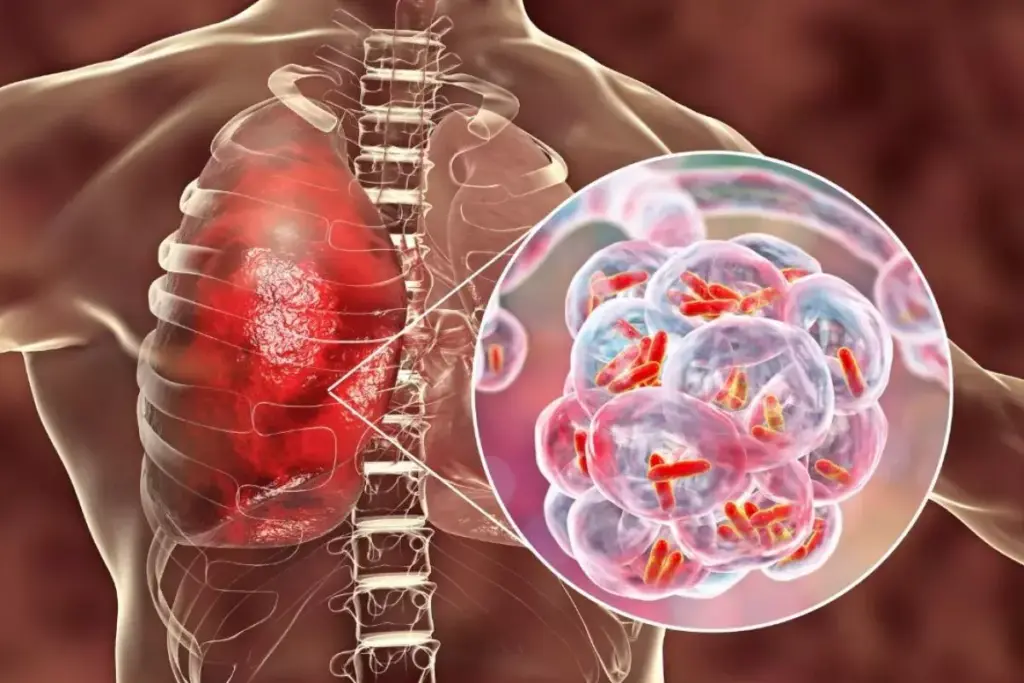
Pneumonia is a serious infection that can be life-threatening. It’s important to understand it well to prevent it. Pneumonia is not just a simple infection. It’s a serious health threat that can affect anyone, no matter their age or background.
What is Pneumonia and Who is Most Vulnerable?
Pneumonia is a lung infection that inflames the air sacs in one or both lungs. It can fill these sacs with fluid. Cleveland Clinic says some people are more at risk, like kids under 2 and adults over 65. These groups have weaker immune systems.
People with heart disease, diabetes, or chronic lung disease are also at higher risk. Knowing who is most at risk helps us find ways to prevent it.
Pneumonia Statistics and Mortality Rates
Pneumonia has a big impact worldwide. In 2021, it caused 2.1 million deaths. The most vulnerable are children under 5 and adults over 70. These numbers show how important it is to prevent pneumonia.
To prevent pneumonia, we need to understand its severity and who is most at risk. By knowing this, we can protect those who need it most.
How to Prevent Pneumonia: 7 Proven Strategies
We can lower pneumonia risk by using seven proven methods. Preventing pneumonia involves vaccines, hygiene, lifestyle changes, and more. It’s a detailed approach.
1. Get Vaccinated Against Pneumonia
Vaccination is a top way to stop pneumonia. The pneumococcal conjugate vaccine (PCV) and flu vaccines protect against pneumonia. The CDC says vaccines can greatly lower pneumonia risk in adults and kids.
“Vaccination is key in stopping pneumonia,” a health expert notes. “It greatly cuts down the chance of getting pneumonia.”
2. Practice Good Hygiene
Good hygiene is key in stopping pneumonia spread. Washing hands often, covering coughs, and staying away from sick people help. Keeping up with hygiene, like during flu season, is vital.
3. Avoid Smoking and Secondhand Smoke
Smoking and secondhand smoke raise pneumonia risk. Staying away from smoke is important for healthy lungs and preventing pneumonia. Quitting smoking is hard but key for health.
4. Strengthen Your Immune System
A healthy lifestyle boosts the immune system. Eating right, exercising, and sleeping well are key for a strong immune system. These habits help lower pneumonia risk.
Other ways to lower pneumonia risk include staying healthy, managing chronic conditions, and knowing about prevention. These steps help prevent pneumonia.
Conclusion
Pneumonia is a serious health threat, but it can be prevented. Understanding the risk factors and using proven prevention methods is key. Knowing how to prevent pneumonia is essential for staying healthy.
Following seven effective steps can greatly reduce your risk of pneumonia. These include getting vaccinated and practicing good hygiene. Avoiding smoking and secondhand smoke also helps. When sick, it’s important to know how to prevent pneumonia to avoid complications.
Preventing pneumonia is vital for your overall health. By understanding how to prevent pneumonia, you can protect your well-being. This reduces the risk of this serious illness.