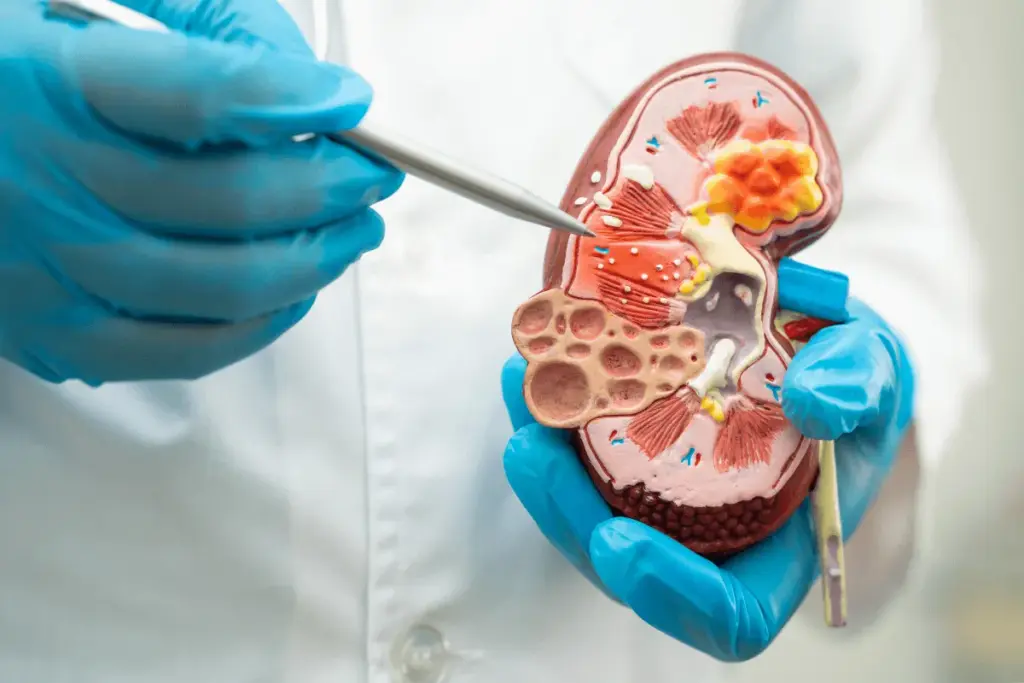
Kidney infections, also known as pyelonephritis, are serious and need quick medical help. It can be hard to spot the signs of a kidney infection. But, it’s key to catch them early to avoid bigger problems.
Symptoms of kidney infection include fever, chills, nausea, and vomiting. You might also feel pain in the kidney area. If you notice these signs together, it’s a sign of a serious issue that needs fast treatment. At Liv Hospital, we offer top-notch care for kidney infections.
Key Takeaways
- Kidney infections are a serious medical condition requiring immediate attention.
- Symptoms include fever, chills, nausea, vomiting, and kidney pain.
- Prompt recognition of these symptoms is key to prevent complications.
- Liv Hospital offers expert diagnosis and treatment for kidney infections.
- Knowing the symptoms of kidney infection can help avoid long-term damage.
Understanding Kidney Infections

It’s important to know about kidney infections to spot symptoms early and get treatment fast. Kidney infections, also called pyelonephritis, are UTIs that hit the kidneys. We’ll look into what they are, who’s at risk, and why quick medical help is key.
What is Pyelonephritis?
Pyelonephritis happens when bacteria from a UTI reach the kidneys. If not treated quickly, it can cause serious damage. Knowing the signs of pyelonephritis is vital to get medical help fast.
Doctors say pyelonephritis is a big problem, mainly for women.
Risk Factors and Prevalence
Some people are more likely to get kidney infections. Women are at higher risk because of their shorter urethra. Other factors include:
- Diabetes
- Weakened immune systems
- Urinary tract conditions, such as vesicoureteral reflux
- Obstruction of the urinary tract
Studies show women are more likely to get kidney infections. In fact, women are four times more likely to be hospitalized for pyelonephritis than men. This highlights the need for more awareness and education.
| Risk Factor | Description |
| Diabetes | Increases susceptibility to infections, including UTIs and pyelonephritis |
| Weakened Immune System | Reduces the body’s ability to fight off infections |
| Urinary Tract Conditions | Can facilitate bacterial entry and increase the risk of UTIs and pyelonephritis |
Why Immediate Medical Attention Matters
Getting medical help right away is critical for treatment and avoiding serious problems. Untreated pyelonephritis can lead to sepsis, a dangerous condition. Quick treatment can greatly improve outcomes and lower the risk of kidney damage.
If you have symptoms like severe back pain, fever, or trouble urinating, see a healthcare provider or hospital quickly. For those wondering “what do you do for a kidney infection,” the answer is to seek medical care. Treatment usually includes antibiotics, and sometimes, hospitalization is needed.
Lower Back Ache and UTI: Primary Warning Signs
Lower back ache and UTI symptoms are key signs of a kidney infection. Spotting these signs early is vital for quick medical help and avoiding serious issues.
Distinguishing Kidney Pain from Other Back Pain
Kidney pain is felt in the lower back or sides. It’s different from other back pain because of its location and how it feels. Kidney pain is:
- Between the ribs and hips
- A constant ache or sharp pain
- Often with fever or nausea
Kidney pain can also spread to the groin or abdomen. This makes it hard to diagnose. We need to look at the whole picture when checking back pain.
Urinary Symptoms
Urinary symptoms are a big clue for kidney infections. These include:
- Burning when you pee
- Needing to pee a lot or right away
- Seeing blood or pus in your pee
These symptoms happen because the infection irritates the urinary tract. This causes discomfort and changes in how you pee. If you have these symptoms and lower back pain, get medical help right away.
Systemic Symptoms Often Confused with Cold or Flu
Kidney infections can also show symptoms like cold or flu. These include:
| Symptom | Description |
| Fever | High temperature, often with chills |
| Nausea and Vomiting | Feeling queasy or vomiting, leading to dehydration |
| Fatigue | Feeling extremely tired or weak |
When you have these symptoms and lower back pain or pee issues, think about a kidney infection. Seeing a doctor quickly is key to telling these symptoms apart from flu or cold.
Gender Differences in Kidney Infection Presentation
Kidney infections can happen to anyone, but there are differences by gender. Women are more likely to get them because their urethra is shorter. This makes it easier for bacteria to reach the kidneys. Men are less likely but can have more severe infections.
Knowing these differences helps both patients and doctors spot kidney infection signs early. This ensures timely treatment.
Conclusion: When to Go to the Hospital
If you’re feeling symptoms of a kidney infection, it’s key to know when to go to the hospital. Not treating it can lead to serious problems like kidney damage and sepsis.
Dark urine, lower back pain, and feeling very tired are signs you shouldn’t ignore. Yes, kidney infections can make you very tired. If you have severe pain, a high fever, or signs of sepsis, get help right away.
It’s important to spot symptoms early and act fast. If you’re not sure about your symptoms or are worried about your health, go to the hospital. Getting help early can make a big difference and prevent serious damage.
FAQ
?
What are the symptoms of a kidney infection?
Symptoms include flank pain, fever, chills, nausea, vomiting, and frequent or painful urination.
How do I distinguish kidney pain from other types of back pain?
Kidney pain is usually located high in the back or sides and may be accompanied by urinary symptoms.
Can a kidney infection cause flu-like symptoms?
Yes, it can cause fever, chills, fatigue, and body aches similar to the flu.
Are kidney infections more common in certain populations?
Women, older adults, people with urinary tract abnormalities, or diabetes are at higher risk.
Can men get kidney infections?
Yes, men can develop kidney infections, though they are less common than in women.
What should I do if I suspect I have a kidney infection?
Seek medical evaluation promptly for diagnosis and treatment with antibiotics.
When should I go to the hospital for a kidney infection?
Go immediately if you have high fever, severe pain, vomiting, confusion, or signs of sepsis.
Can a kidney infection cause diarrhea?
Yes, some people may experience diarrhea along with nausea and abdominal discomfort.
How is a kidney infection diagnosed?
Diagnosis is made using urine tests, blood tests, and sometimes imaging studies.
Can a kidney infection make you tired?
Yes, fatigue is a common symptom due to infection and inflammation
References
National Institutes of Health. Evidence-Based Medical Insight. Retrieved from https://www.niddk.nih.gov/health-information/urologic-diseases/kidney-infection-pyelonephritis