

Discovering protein in urine can be scary. But, new studies show natural ways to lower proteinuria and keep kidneys healthy.
Proteinuria is a big problem worldwide, showing how important kidney health is. Eating less animal protein can really help lower proteinuria.
We know that good nutrition can help lower protein in urine naturally. This can also improve kidney health.
Key Takeaways
- A plant-based diet can help reduce proteinuria and slow the progression of renal disease.
- Dietary modifications play a critical role in managing proteinuria and protecting kidney health.
- Nutritional strategies can help individuals naturally reduce protein in urine.
- A holistic approach to nutrition can improve overall kidney health.
- Reducing animal protein intake can be beneficial in managing proteinuria.
Understanding Proteinuria and Its Impact on Kidney Health

Knowing about proteinuria is key to keeping your kidneys healthy. It shows up when there’s too much protein in your urine. This can mean your kidneys are damaged or sick. We’ll look at why this happens and how changing your diet can help.
What Causes Excess Protein in Urine?
There are many reasons for too much protein in your urine. High blood pressure, diabetes, and chronic kidney disease are common causes. These issues can harm your kidneys’ filters, letting proteins leak into your urine. Learn more about proteinuria and its effects on kidney health.
Your kidneys filter out waste and extra fluids. If they’re damaged, proteins can leak into your urine, causing proteinuria. It’s important to tackle the root causes to lower protein levels.
The Connection Between Diet and Proteinuria
Your diet is very important in managing proteinuria. Some foods can help, while others can make it worse. Eating a balanced diet low in sodium and protein can help manage proteinuria.
| Dietary Component | Effect on Proteinuria |
| High Sodium Intake | Can increase blood pressure, worsening proteinuria |
| Low-Protein Diet | Can reduce protein excretion and slow kidney damage |
| Balanced Omega-3 Intake | Can help reduce inflammation and support kidney health |
By understanding proteinuria and making smart food choices, you can manage your condition. This can improve your kidney health.
What Foods Reduce Protein in Urine? 7 Kidney-Friendly Options
Adding certain foods to your diet can help lower protein in your urine. Berries, full of antioxidants, are a great choice. Whole grains like oats and brown rice also support kidney health. Leafy greens, such as spinach, are another good option.
Berries
Berries are full of antioxidants and offer many health benefits. Blueberries, strawberries, and raspberries are tasty and good for you.
Whole Grains
Whole grains like oats, quinoa, and brown rice are high in fiber and nutrients. They help keep your body healthy and manage protein in urine.
Leafy Greens
Leafy greens like spinach and kale are rich in antioxidants and nutrients. They boost overall health and support kidney function.
Evidence-Based Dietary Strategies for Managing Proteinuria
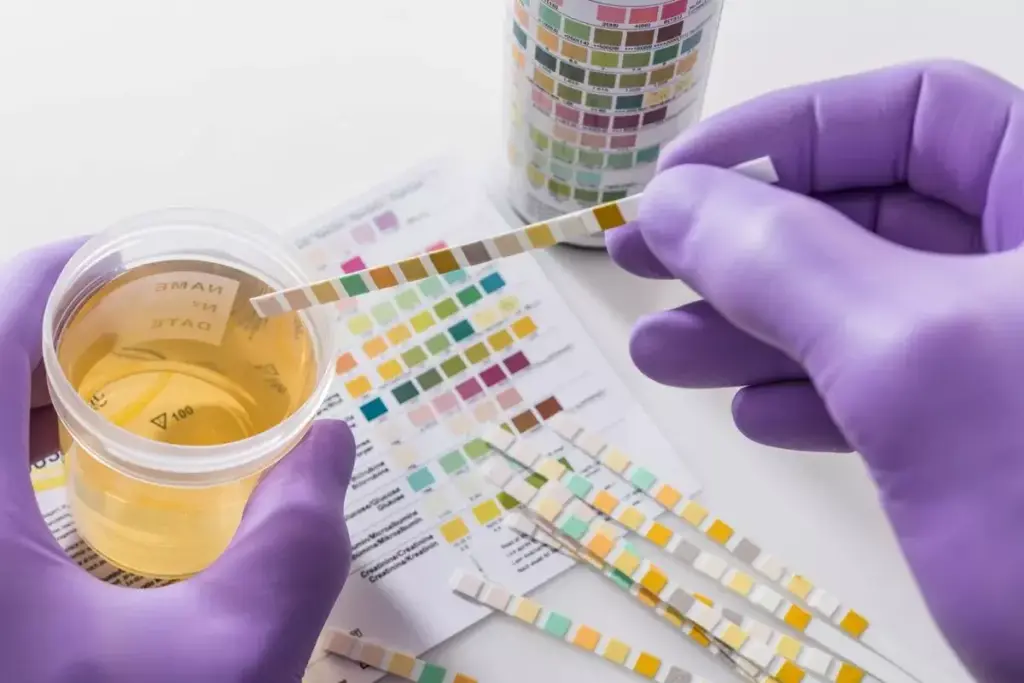
Managing proteinuria needs a full plan, including diet changes. A low-protein diet is a good start. It helps ease the load on your kidneys.
Research shows that eating less protein can slow kidney disease. A smart diet plan can control proteinuria and keep your kidneys healthy.
Knowing how diet affects your kidneys is key. Using proven nutrition plans can help manage proteinuria. This supports your kidney health.
Conclusion: Creating a Sustainable Kidney-Friendly Lifestyle
Managing proteinuria needs a full plan. This includes changing what you eat, how you live, and sometimes, medical help. Knowing why you have protein in your urine and how to lower it helps a lot. It makes your kidneys healthier.
Eating well is key. Focus on fruits, veggies, and whole grains. Don’t eat too much sodium. Drinking enough water and handling health issues are also important. These steps help protect your kidneys and improve your health.
Following the diet and lifestyle tips in this article helps manage proteinuria. It’s a step towards better kidney health. This approach not only improves kidney function but also leads to a healthier life.
FAQ
What is proteinuria and how is it related to kidney health?
Proteinuria is when too much protein is in your urine. It often means your kidneys are damaged or diseased. Healthy kidneys filter waste and keep proteins in the blood. But damaged kidneys let proteins leak into the urine, showing kidney trouble.
How can diet help manage proteinuria?
Eating a balanced diet with antioxidants, fiber, and omega-3s can help with proteinuria. Foods like berries, leafy greens, and whole grains are good. They help lower protein in urine and support your kidneys.
What are some natural remedies for reducing protein in urine?
Some natural ways to lower protein in urine include eating foods rich in antioxidants. Berries and green tea are good choices. Also, omega-3s from flaxseeds and walnuts are helpful. Keeping a healthy weight, exercising, and managing diabetes and high blood pressure also help.
Can a low-protein diet help reduce proteinuria?
A low-protein diet might help with proteinuria by easing kidney strain. But, talk to a doctor before changing your diet. They can make sure you get all the nutrients you need.
Are there any specific foods that can worsen proteinuria?
High amounts of processed foods, sugar, and saturated fats can harm your kidneys and worsen proteinuria. It’s best to limit or avoid these. Stick to a diet full of whole foods, fruits, and veggies.
How can I monitor my proteinuria levels at home?
There are urine test kits for at-home use, but see a doctor for accurate diagnosis and monitoring. They can guide you on managing proteinuria.
References
National Center for Biotechnology Information. Evidence-Based Medical Guidance. Retrieved from https://pmc.ncbi.nlm.nih.gov/articles/PMC9819984/