
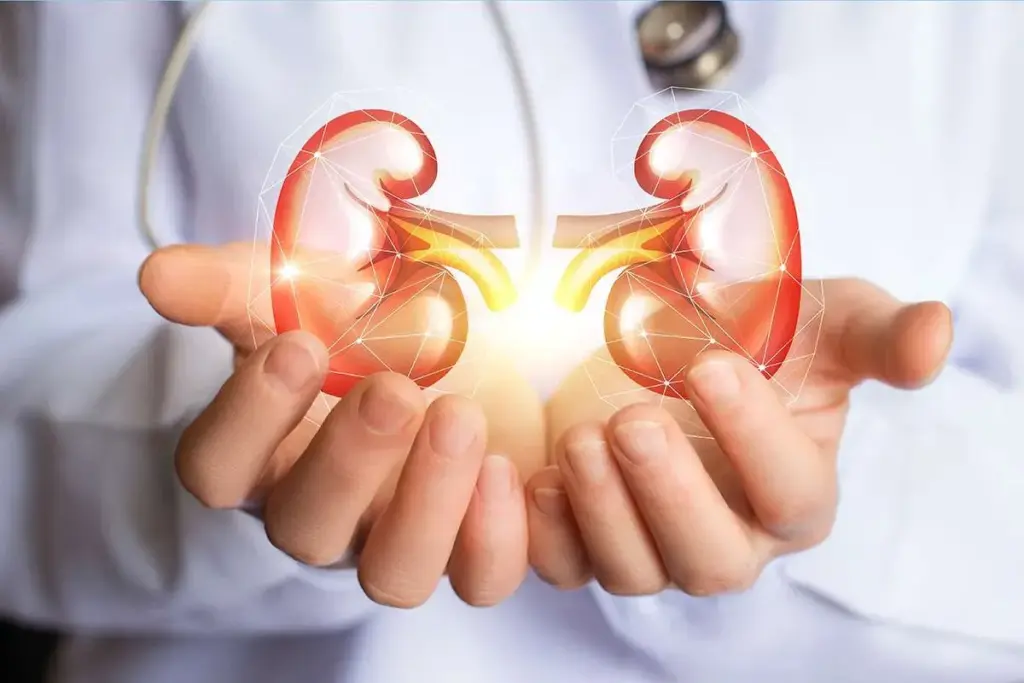
Chronic Kidney Disease (CKD) affects over 800 million people worldwide. Often, it goes unnoticed until serious damage is done. Effective management strategies are key to slow it down. Studies show that SGLT2 inhibitors can greatly lower the risk of kidney failure.Kidney Disease ProgressionPediatric Kidney Disease Life Expectancy
We understand the huge impact of CKD globally. It’s vital to manage blood pressure and diabetes to slow CKD. Top medical groups and patient-focused healthcare providers like Liv Hospital now offer proven seven-step strategies. These use the latest treatments.
Early detection and action are critical to better patient results. Our goal is to provide top-notch healthcare. We offer full support for patients from around the world.
Key Takeaways
- CKD affects over 800 million people globally.
- Managing blood pressure and diabetes is key to slowing CKD.
- SGLT2 inhibitors can lower the risk of kidney failure.
- Early detection and action are vital for better patient outcomes.
- Proven strategies can slow or stop CKD progression.
Understanding Chronic Kidney Disease and Its Progression

Diagnosing and managing Chronic Kidney Disease (CKD) is key to slowing it down. CKD is a condition where the kidneys gradually lose function over time.
What Is CKD and How Is It Diagnosed?
CKD is diagnosed through tests that check kidney function and look for damage. The main tests include:
- Serum Creatinine Test: This test measures creatinine in the blood. Creatinine is a waste product from muscle wear and tear.
- Urine Protein Tests: These tests find protein in the urine, which can show kidney damage.
- Glomerular Filtration Rate (GFR): This test estimates how well the kidneys filter waste from the blood.
For more details on kidney disease stages, visit https://www.kidneyfund.org/all-about-kidneys/stages-kidney-disease.
The Global Burden and Public Health Impact
CKD is a big global burden, affecting millions worldwide. It not only lowers the quality of life but also strains healthcare systems. The public health impact of CKD is worsened by its link to diabetes and hypertension.
The global CKD prevalence is high, making it a major public health issue. Contributing factors include:
- Diabetes: Diabetes damages kidney blood vessels over time.
- Hypertension: High blood pressure can harm kidneys and reduce their function.
- Aging Population: The risk of CKD grows with age, affecting older populations.
It’s vital to grasp the global burden and public health impact of CKD. While CKD is often seen as irreversible, early detection and care can slow its progression. This can greatly improve patient outcomes.
How to Slow Progression of Kidney Disease: 7 Evidence-Based Strategies
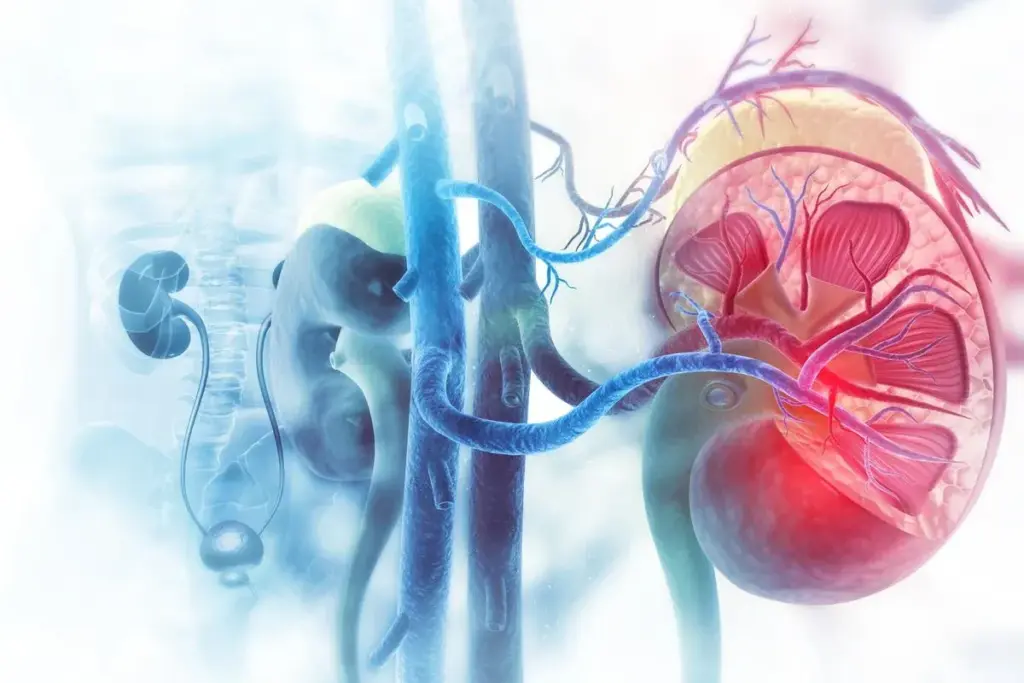
To slow kidney disease, we need a detailed plan based on the latest research. By using these strategies, patients can greatly improve their kidney health.
Optimize Blood Pressure Management
Keeping blood pressure in check is key to slowing CKD. High blood pressure can harm kidneys, so it’s important to keep it within a safe range. Regular checks and adjustments to blood pressure meds are recommended.
Table 1: Recommended Blood Pressure Targets for CKD Patients
| Patient Group | Recommended Blood Pressure Target |
| CKD without diabetes | <130/80 mmHg |
| CKD with diabetes | <130/80 mmHg |
Utilize SGLT2 Inhibitors Regardless of Diabetes Status
SGLT2 inhibitors help prevent kidney failure in both diabetic and non-diabetic patients. They work by reducing glucose in the kidneys, easing the strain on them.
Implement Intensive Glucose Control for Diabetic Patients
For diabetics, controlling blood sugar is critical. Tight glucose control can lower the risk of kidney damage and slow CKD.
Consider Bicarbonate Supplementation
Bicarbonate supplements may help CKD patients with metabolic acidosis. This condition can worsen kidney damage, and supplements can help counteract it.
By using these strategies, patients and doctors can slow kidney disease and improve health together.
Conclusion: Creating Your Personalized Kidney Protection Plan
Creating a personalized kidney protection plan is key for managing chronic kidney disease (CKD). It helps improve health outcomes. Working closely with healthcare providers is essential to make a plan that fits your needs.
A good plan includes several important steps. These are dietary changes, staying hydrated, exercising, managing weight, and controlling blood pressure and sugar. For example, following a KDIGO-recommended plant-based diet can slow CKD.
Personalized care plans can greatly improve CKD outcomes. By being proactive and tailored, you can manage your condition better. This might slow disease progression and improve your life quality. We suggest working with your healthcare providers to create a plan that meets your needs.
FAQ
What is chronic kidney disease (CKD) and how is it diagnosed?
CKD is a condition where your kidneys slowly lose function. Doctors use blood and urine tests to check how well your kidneys work. These tests help find any problems.
How can I slow the progression of kidney disease?
To slow CKD, we suggest several strategies. These include managing blood pressure well, using SGLT2 inhibitors, controlling blood sugar, and sometimes taking bicarbonate. These steps can help slow down the disease.
Can SGLT2 inhibitors help slow CKD progression?
Yes, SGLT2 inhibitors can greatly reduce the risk of kidney failure. They are effective for people with and without diabetes. This makes them a key treatment for slowing CKD.
Is CKD reversible?
CKD is usually not reversible, but early detection and proper care can slow its progress. In some cases, making lifestyle changes can improve kidney function.
How can I work with my healthcare provider to develop a personalized kidney protection plan?
To create a plan tailored to you, talk to your healthcare provider. Discuss your health and needs. This will help you follow the 7 evidence-based strategies to slow CKD.
Can stage 1 or 2 kidney disease be reversed?
Reversing stage 1 or 2 CKD depends on the cause and your situation. A healthy lifestyle and a personalized plan may improve kidney function in some cases.
What is the role of blood pressure management in slowing CKD progression?
Managing blood pressure is key to slowing CKD. High blood pressure can damage your kidneys. Work with your doctor to keep your blood pressure healthy.
Are there any additional interventions that can help slow CKD progression?
Yes, apart from SGLT2 inhibitors and blood pressure control, other steps can help. These include controlling blood sugar and taking bicarbonate. These may be beneficial based on your situation.
References
National Center for Biotechnology Information. Evidence-Based Medical Guidance. Retrieved from https://www.ncbi.nlm.nih.gov/pmc/articles/PMC7832832/



 Departments
 Related Videos
 Our Doctors
 News
News