

Chronic kidney disease affects about 14% of the global population. Hypertension and diabetes are the top causes. It’s vital to test kidney function to check overall health and catch kidney disease early.
Regular kidney function blood tests are key to spotting issues before they show symptoms. These tests show if your kidneys are removing waste from your blood well.
At Liv Hospital, we help international patients with advanced kidney function tests. Knowing the different blood tests for kidney function helps us detect and manage kidney disease better.
Key Takeaways
- Kidney function testing is essential for overall health.
- Chronic kidney disease affects 14% of the global population.
- Blood tests can detect kidney disease before symptoms appear.
- Liv Hospital offers advanced kidney function testing.
- Early detection is key to managing kidney disease.
Understanding Kidney Function and Why Testing Matters
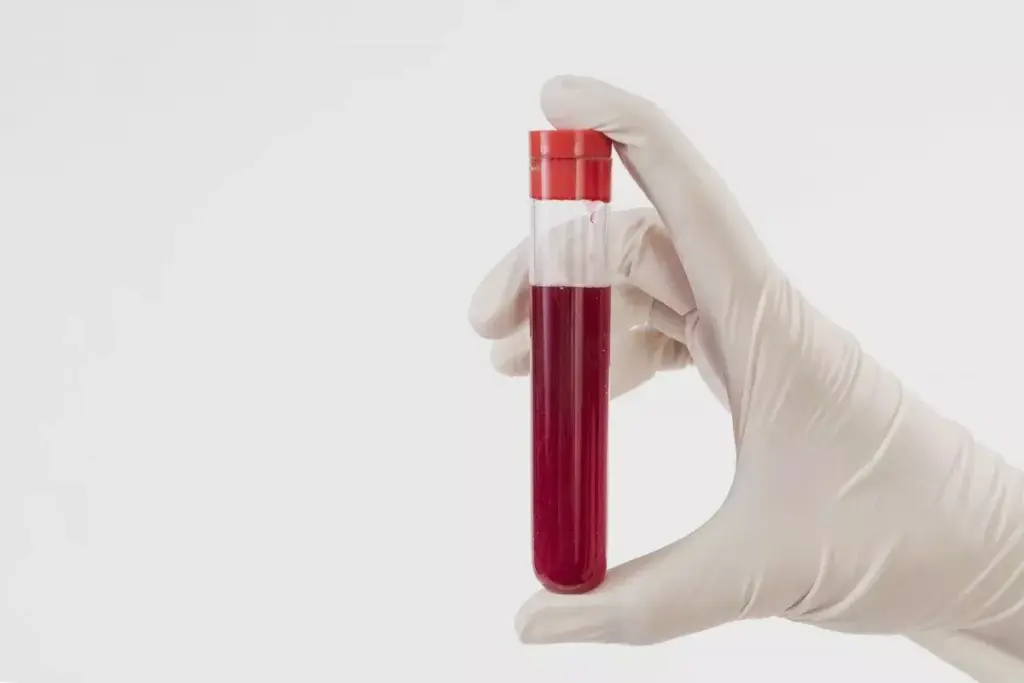
Our kidneys do many important jobs that affect our health and life quality. They remove waste from our blood, keep electrolyte levels balanced, and make hormones that control blood pressure. It’s key to know how our kidneys work to see why testing them is so important.
The Essential Role of Kidneys in Your Body
The kidneys are vital organs with several key functions. They filter out waste products and excess fluids from our blood, which we then get rid of in our urine. They also manage our body’s electrolyte levels, like sodium and potassium, which is vital for our muscles and nerves.
Kidneys also make hormones that help control blood pressure and help make red blood cells. The hormone erythropoietin, made by the kidneys, is important for making red blood cells. The renin-angiotensin-aldosterone system helps control blood pressure. Plus, kidneys activate vitamin D, which is key for our bones.
Prevalence and Causes of Chronic Kidney Disease
Chronic kidney disease (CKD) is a big health problem worldwide, affecting millions. The main causes are diabetes and hypertension, which can harm the kidneys’ blood vessels and make it hard for them to filter waste.
Other things that can lead to CKD include family history, age, being overweight, and certain ethnic backgrounds. Knowing these risk factors is key for catching CKD early and managing it.
| Cause | Description | Impact on Kidneys |
| Diabetes | High blood sugar levels damage blood vessels | Impaired filtering ability |
| Hypertension | High blood pressure strains kidney blood vessels | Reduced kidney function over time |
| Family History | Genetic predisposition to kidney disease | Increased risk of developing CKD |
Early detection of kidney disease through blood tests, like serum creatinine and blood urea nitrogen, can spot those at risk. Regular tests are vital for people with risk factors. They help catch problems early, so we can act fast to slow the disease’s progress.
How Can You Test Kidney Function: Primary Blood Tests

Primary blood tests are key to checking kidney health. They help us see how well your kidneys work and spot problems early.
Serum Creatinine Test
The serum creatinine test checks your blood for creatinine. Creatinine is a waste from muscle breakdown. Healthy kidneys remove creatinine from the blood. But if your kidneys aren’t working right, creatinine levels go up.
This test is important. It shows how well your kidneys filter waste. High serum creatinine levels might mean your kidneys aren’t working well or have disease.
Blood Urea Nitrogen (BUN) Test
The BUN test looks at nitrogen in your blood from protein breakdown. Kidneys that work right filter out this waste. High BUN levels could mean your kidneys aren’t doing their job.
We often use BUN tests with serum creatinine tests to understand kidney function better.
Estimated Glomerular Filtration Rate (eGFR)
The eGFR test estimates how fast your kidneys filter waste. It uses your serum creatinine level, age, sex, and other factors. A lower eGFR means your kidneys aren’t working as well.
“The eGFR is considered a more complete measure of kidney function because it considers many factors that affect kidney performance.”
Here’s a quick look at the main blood tests for kidney function:
| Test | Measures | Indications |
| Serum Creatinine | Creatinine levels in blood | High levels may indicate kidney disease |
| BUN | Nitrogen waste from urea | High levels suggest impaired kidney function |
| eGFR | Estimated filtration rate of kidneys | Lower eGFR indicates poorer kidney function |
Knowing about these tests and their results is key for diagnosing and managing kidney disease. If you’re worried about your kidney health, talk to your healthcare provider about getting these tests.
Additional Kidney Function Measurements and When to Get Tested
To understand kidney health better, several tests are used along with blood tests. These tests help find early signs of kidney damage. They also give a full view of how well the kidneys are working.
Urine Albumin-Creatinine Ratio (uACR)
The Urine Albumin-Creatinine Ratio (uACR) is key for spotting early kidney damage. It checks the urine for albumin (a protein) compared to creatinine. Normally, kidneys keep proteins and filter out waste. But, when damaged, they let proteins leak into the urine.
Early detection of kidney damage is vital for timely treatment. The uACR test is very important for people with diabetes or high blood pressure. These conditions raise the risk of kidney disease.
Comprehensive Kidney Function Panels
Comprehensive Kidney Function Panels offer a detailed look at kidney health. They include tests like serum creatinine, blood urea nitrogen (BUN), and estimated glomerular filtration rate (eGFR). Sometimes, they also check electrolyte levels.
- Serum creatinine and BUN tests check for waste buildup.
- eGFR shows how well the kidneys filter.
- Electrolyte tests find imbalances that might mean kidney problems.
For more info on kidney function tests, check out kidney function page.
Risk Factors That Warrant Regular Testing
Some factors increase the risk of kidney disease, making regular tests important. These include:
- Diabetes: High blood sugar can harm kidneys over time.
- Hypertension: High blood pressure can cause and be caused by kidney disease.
- Family History: Having a family history of kidney disease raises your risk.
- Age and Ethnicity: Older people and certain ethnic groups are at higher risk.
If you have these risk factors, talk to your doctor about regular kidney tests. Tests like uACR and kidney function panels can help manage and slow kidney disease.
Conclusion
Knowing your kidney function is key to staying healthy. Regular blood tests can spot kidney disease early. This lets doctors act fast to slow the disease.
We talked about tests like serum creatinine, BUN, and eGFR. These tests show how well your kidneys are working. They help doctors find and treat kidney problems.
If you’re worried about your kidneys, talk to your doctor. They can explain what the tests mean and how to keep your kidneys healthy. A simple blood test can help a lot in keeping your kidneys in good shape.
FAQ
What blood tests indicate kidney disease?
To check for kidney disease, doctors use serum creatinine, Blood Urea Nitrogen (BUN), and Estimated Glomerular Filtration Rate (eGFR).
Which blood test is commonly used to evaluate kidney function?
Serum creatinine and eGFR are key tests for kidney function. Serum creatinine shows creatinine levels in the blood. eGFR estimates how well the kidneys filter waste.
What blood test shows kidney disease?
Tests like serum creatinine, BUN, and eGFR show kidney disease. They measure waste products in the blood and estimate kidney function.
What is kidney blood test called?
Tests for kidney function are called serum creatinine, BUN, and eGFR. They check if the kidneys are working right.
What blood test checks your kidneys?
Tests like serum creatinine, BUN, and eGFR check kidney function. They measure waste levels and filter rate.
What lab tests kidney function?
Tests like serum creatinine, BUN, eGFR, and urine albumin-creatinine ratio (uACR) test kidneys. They find kidney disease.
What shows kidney function on blood test?
Serum creatinine and eGFR show kidney function on blood tests. They measure creatinine levels and filter rate.
What is a kidney function test called?
Kidney function tests are serum creatinine, BUN, and eGFR. They check if kidneys are working right.
How can you test kidney function?
You can test kidney function with blood tests like serum creatinine, BUN, and eGFR. Urine tests like uACR also work.
What blood test measures kidney function?
Serum creatinine, BUN, and eGFR measure kidney function. They check how well kidneys filter waste and find disease.
References
National Center for Biotechnology Information. Evidence-Based Medical Guidance. Retrieved from https://www.ncbi.nlm.nih.gov/books/NBK507821/https://www.ncbi.nlm.nih.gov/books/NBK507821/



 Departments
 Related Videos
 Our Doctors
 News
News