
Vitamin D deficiency affects over one billion people worldwide. Often, it goes unnoticed until serious health problems show up. At Liv Hospital, we understand how vital vitamin D is for bone health and overall well-being. It’s key for keeping bones strong and our immune system working right.
Discover the 3 key symptoms of vitamin D deficiency and learn how to treat it with our comprehensive guide.
Effective treatment of vitamin D deficiency needs the right dosing. Adults need 600-800 IU of vitamin D each day. We’ll share the dosing guidelines to help you treat this common health issue.
Key Takeaways
- Vitamin D is vital for bone health and immune function.
- More than one billion people worldwide have vitamin D deficiency.
- The daily vitamin D need changes with age.
- Adults should get 600-800 IU of vitamin D daily.
- Getting the right dose is key to treating it well.
Understanding Vitamin D Deficiency and Its Global Impact
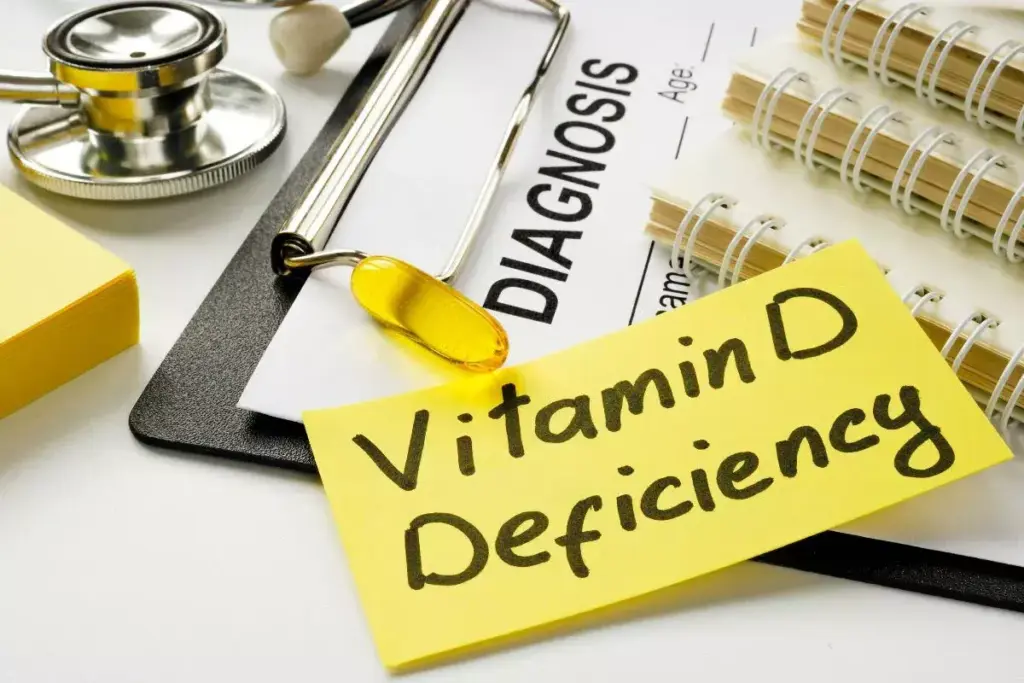
Vitamin D deficiency levels differ around the world. It’s a condition where the body doesn’t have enough vitamin D. This vitamin is key for strong bones, a healthy immune system, and overall health.
Definition and Diagnostic Criteria
Vitamin D deficiency is when your 25-hydroxyvitamin D levels are below 50 nmol/L or 20 ng/mL. In the US, about 2.6 percent have severe deficiency, and 22.0 percent have moderate deficiency. To check for vitamin D levels, doctors measure the serum 25-hydroxyvitamin D concentration. For more details, visit resource on Vitamin D.
Diagnostic Thresholds:
| Category | Serum 25-hydroxyvitamin D Levels |
| Deficient | Less than 20 ng/mL |
| Insufficient | 20-29 ng/mL |
| Sufficient | 30 ng/mL or higher |
Prevalence in the United States
In the US, vitamin D deficiency levels change based on age, sex, and ethnicity. Some groups, like older adults and those with darker skin, are at higher risk. For example, a level of 17 ng/mL is considered low and might need treatment.
Knowing about vitamin D deficiency is key to helping those at risk. By understanding who is most affected and the levels that indicate deficiency, doctors can take better steps to prevent and treat it.
What Are 3 Symptoms of Vitamin Deficiency

It’s important to know the signs of vitamin D deficiency to avoid long-term health problems. Vitamin D is key for strong bones, a healthy immune system, and overall health. Low levels of vitamin D can cause many health issues.
Muscle Weakness and Pain
Muscle weakness and pain are common signs of vitamin D deficiency. Vitamin D deficiency can make muscles weak, mainly in the upper body, making simple tasks hard. Studies show that taking vitamin D supplements can strengthen muscles and lower the chance of falls.
“Vitamin D deficiency can cause muscle weakness, which can make it hard to move and increase the risk of falls,” studies say. It’s important to keep vitamin D levels up to keep muscles strong and move easily.
Chronic Fatigue and Lethargy
Chronic fatigue and feeling tired all the time are also signs of vitamin D deficiency. Feeling tired or lacking energy for daily tasks might mean you need more vitamin D. Research shows that fixing vitamin D levels can help with feeling tired.
Fixing vitamin D levels through supplements or food can help with feeling tired. It’s important to talk to a doctor to find the right treatment.
Impaired Bone Health and Increased Fracture Risk
Vitamin D deficiency can also harm bone health, making bones more likely to break. Vitamin D helps the body absorb calcium and build strong bones. Without enough vitamin D, bones can become weak and break easily.
Doctors often suggest supplements to treat vitamin D deficiency and protect bones. Getting enough vitamin D from food, supplements, and sunlight is key for strong bones.
Knowing the symptoms of vitamin D deficiency helps people get the right treatment early. This can greatly improve their health and well-being.
Evidence-Based Treatment Guidelines and Dosing Protocols
Treating vitamin D deficiency needs a personal touch. It depends on how severe the deficiency is and the patient’s health. We suggest using vitamin D supplements. The amount and how long to take it varies by patient.
The usual dose for treating deficiency is between 2,000 to 5,000 IU daily. Some might need even more. Doctors should look at the patient’s age, health, and other medicines when setting the dose.
Following proven guidelines helps doctors create the right treatment plans. This way, patients can get their vitamin D levels back to normal. It’s a step towards better health for everyone.
FAQ
What is the recommended dose of vitamin D for treating deficiency?
The dose of vitamin D needed to treat deficiency varies. It depends on how severe the deficiency is and what each person needs. Usually, doctors recommend doses between 2,000 to 50,000 IU per week for a few weeks or months. Then, a smaller dose is needed to keep levels up.
How is vitamin D deficiency diagnosed?
Doctors use a blood test to find out if someone has a vitamin D deficiency. This test checks the level of 25-hydroxyvitamin D in the blood. If it’s below 20 ng/mL, it’s a deficiency. Levels between 20-29 ng/mL are considered insufficient.
What are the symptoms of vitamin D deficiency?
Signs of vitamin D deficiency include muscle weakness and pain. People might also feel very tired and have trouble sleeping. Bone health can suffer, leading to a higher risk of fractures. Mood changes and a weakened immune system are also symptoms.
What is the prevalence of vitamin D deficiency in different populations?
Vitamin D deficiency is common all over the world. It affects many groups, but some are more at risk. These include people who don’t get much sun, older adults, and those with certain health conditions.
How is vitamin D deficiency treated?
Treating vitamin D deficiency usually means taking supplements. These can be vitamin D2 or D3. The right supplement and how much to take depends on the person’s needs. The goal is to get vitamin D levels back to normal.
What is the maintenance dose of vitamin D after treating deficiency?
After treating a deficiency, a smaller dose of vitamin D is often needed to keep levels up. This dose is usually between 1,000 to 2,000 IU per day. It’s adjusted based on regular blood tests to make sure levels stay right.
Can vitamin D deficiency be prevented?
Yes, preventing vitamin D deficiency is possible. It can be done through sun exposure, eating foods with vitamin D, and taking supplements. People at risk, like those who don’t get enough sun or have certain health issues, should consider supplements to help prevent deficiency.
References
National Center for Biotechnology Information. Evidence-Based Medical Guidance. Retrieved from https://pmc.ncbi.nlm.nih.gov/articles/PMC9920487/)