Getting a diagnosis that needs an allogeneic hematopoietic cell transplantation can feel scary. But knowing the steps can help patients and families feel more in control.
At Liv Hospital, we follow top international standards and care with kindness. We help those going through this special treatment. It’s for blood cancers, immune disorders, and bone marrow failures.
We’ll walk you through the allogeneic blood transplant process. From finding a donor to recovering after, we’ll make sure you know what’s happening.
Key Takeaways
- Understanding the purpose and process of allogeneic hematopoietic cell transplantation
- Recognizing the conditions treated by this specialized procedure
- Outlining the step-by-step process involved in undergoing an allogeneic blood transplant
- Highlighting the importance of donor matching and post-transplant care
- Emphasizing the role of compassionate care in supporting patients throughout their journey
Understanding Allogeneic Blood Transplantation

Allogeneic blood transplantation is a complex medical procedure. It involves replacing a patient’s diseased or damaged stem cells with healthy ones from a donor. This treatment is used for various life-threatening conditions. It offers patients a chance for recovery and improved quality of life.
Definition and Medical Purpose
Allogeneic hematopoietic stem cell transplantation (HSCT) is a medical treatment. It involves taking stem cells from a donor and infusing them into the patient’s body. The main goal is to treat hematological malignancies, such as leukemia and lymphoma, and certain immune disorders and genetic diseases.
By replacing the patient’s stem cells with healthy donor cells, the treatment aims to restore the patient’s ability to produce healthy blood cells.
Conditions Treated with Allogeneic Transplants
Allogeneic transplants are used to treat a range of medical conditions, including:
- Leukemia
- Lymphoma
- Myelodysplastic syndromes
- Aplastic anemia
- Certain genetic disorders
- Immune system disorders
These conditions often involve the bone marrow’s inability to produce healthy blood cells. An allogeneic transplant offers a cure by replacing the defective marrow with healthy donor cells.
Difference Between Allogeneic and Autologous Transplants
The key difference between allogeneic and autologous transplants lies in the source of the stem cells. In an allogeneic transplant, stem cells are taken from a donor. In an autologous transplant, the patient’s own stem cells are used.
Allogeneic transplants offer the advantage of a graft-versus-tumor effect. This means the donor’s immune cells can help fight the patient’s cancer. But, they also carry a higher risk of graft-versus-host disease (GVHD). GVHD is a complication where the donor’s immune cells attack the patient’s tissues.
| Characteristics | Allogeneic Transplant | Autologous Transplant |
|---|---|---|
| Source of Stem Cells | Donor | Patient’s own cells |
| Graft-Versus-Tumor Effect | Yes | No |
| Risk of GVHD | Yes | No |
Determining If You’re a Candidate for Transplantation

Allogeneic blood transplantation is a complex process. It needs careful thought about if a patient is right for it. The choice to have allogeneic hematopoietic stem cell transplantation (HSCT) depends on many things. These include the patient’s health, age, and overall well-being.
Medical Conditions That May Require Transplantation
Some medical conditions might need allogeneic HSCT. These include leukemia, lymphoma, and certain genetic disorders. We look at each patient’s condition to see if transplant is the best choice. For example, those with acute myeloid leukemia (AML) or myelodysplastic syndromes might benefit from it.
To find out more about these conditions and allogeneic transplants, talk to a transplant specialist. They can give you personalized advice and support.
Age and Health Considerations
Age and health are key in deciding if someone can have allogeneic HSCT. While age isn’t a strict rule, older people might face more challenges. We check each patient’s health, including their heart, lungs, and kidneys.
- Comprehensive medical evaluation
- Assessment of possible risks and complications
- Review of past treatments and their results
For more details on who can get a bone marrow transplant, check Liv Hospital’s resource page.
Initial Consultations with Transplant Specialists
Talking to a transplant specialist is a big step in deciding on allogeneic HSCT. We go over the patient’s medical history, treatment choices, and possible results. This meeting is a chance for patients to ask questions and get to know the transplant process.
“The initial consultation is a critical moment for patients to understand their treatment options and the possible benefits and risks of allogeneic HSCT.” –Transplant Specialist
By looking at these factors and talking to experienced transplant specialists, we can figure out if someone is a good candidate for allogeneic blood transplantation.
Finding and Matching with a Compatible Donor
Finding the right donor match is key in allogeneic hematopoietic stem cell transplantation (HSCT). This process is complex and emotionally tough for patients and their families.
Understanding HLA Typing and Compatibility
HLA (Human Leukocyte Antigen) typing is vital for matching donors and recipients. HLA typing tests specific genetic markers to match immune systems. A close HLA match lowers the risk of graft-versus-host disease (GVHD) and boosts transplant success.
Potential Donor Sources
Potential donors come from different places. These include:
- Family members, like siblings or parents, who might be a good match.
- Unrelated donors found through national or international registries.
- Cord blood units, a source of stem cells.
Each source has its own evaluation process and considerations.
The 12-Week Timeline for Confirming a Donor Match
Finding and confirming a donor match can take up to 12 weeks. This depends on donor availability and HLA typing complexity. We do detailed evaluations to find the best match for the patient.
We’re dedicated to supporting our patients through this journey. Knowing the donor matching process and timeline can ease some of the uncertainty of allogeneic HSCT.
Preparing for Your Allogeneic Blood Transplant
Getting ready for an allogeneic hematopoietic cell transplantation (HSCT) means going through many steps. It’s important to make sure you’re healthy enough for the transplant. This helps avoid any problems during the process.
Comprehensive Pre-Transplant Evaluation
A detailed check-up is done to see if you’re ready for the transplant. This check-up includes tests and talks with your transplant team. Specialists like cardiologists and pulmonologists are part of this team.
This evaluation finds any health issues that might affect the transplant’s success. It’s key to making a treatment plan that fits your needs.
Central Venous Catheter Placement Procedure
Getting a central venous catheter (CVC) is a big part of preparing for the transplant. The CVC is used for giving you medicine, blood, and stem cells during the transplant.
The CVC is put in under local anesthesia. It goes into a big vein in your neck or chest. Your team will teach you how to take care of it to avoid infections.
Financial Planning and Insurance Navigation
Allogeneic HSCT can cost a lot, so planning your finances is important. Talk to your insurance to know what they cover and what you’ll have to pay.
Our financial counselors can help you with your insurance. They can also find financial help and make a budget for your care.
Psychological and Emotional Preparation
Going through an allogeneic stem cell transplant can be tough on your mind. It’s important to get ready for the emotional challenges ahead.
Reach out to family, friends, and mental health experts for support. Our team also offers counseling and support groups to help with the emotional side of the transplant.
| Preparation Step | Description | Timeline |
|---|---|---|
| Comprehensive Pre-Transplant Evaluation | Series of tests and consultations to assess overall health | Several weeks before transplant |
| Central Venous Catheter Placement | Insertion of a catheter for medication and stem cell administration | Before conditioning regimen begins |
| Financial Planning and Insurance Navigation | Understanding insurance coverage and costs | Ongoing, starting early |
| Psychological and Emotional Preparation | Seeking support from family, friends, and professionals | Ongoing, throughout the process |
The Conditioning Regimen Before Transplantation
The conditioning regimen is a key step before an allogeneic stem cell transplant. It uses chemotherapy and sometimes radiation. The goal is to get rid of the patient’s old bone marrow and weaken the immune system. This makes it easier for the new stem cells to take hold.
Purpose of Conditioning Therapy
Conditioning therapy has two main goals. First, it kills any cancer cells or bad marrow left behind. Second, it makes the patient’s immune system weaker. This lowers the chance of the body rejecting the new stem cells.
Types of Conditioning Protocols
There are two main types of conditioning: myeloablative and non-myeloablative. Myeloablative uses strong chemotherapy and radiation to wipe out the bone marrow. Non-myeloablative uses lower doses to just weaken the immune system, not destroy the marrow.
Managing Side Effects During Conditioning
Patients often face side effects like nausea, fatigue, and hair loss during conditioning. We help manage these with supportive care. This includes giving anti-nausea meds, ensuring they eat well, and watching their health closely.
What Happens During an Allogeneic Blood Transplant Procedure
Exploring the allogeneic blood transplant procedure is key. It involves many steps, from collecting donor stem cells to infusing them into the recipient.
Donor Stem Cell Collection Process
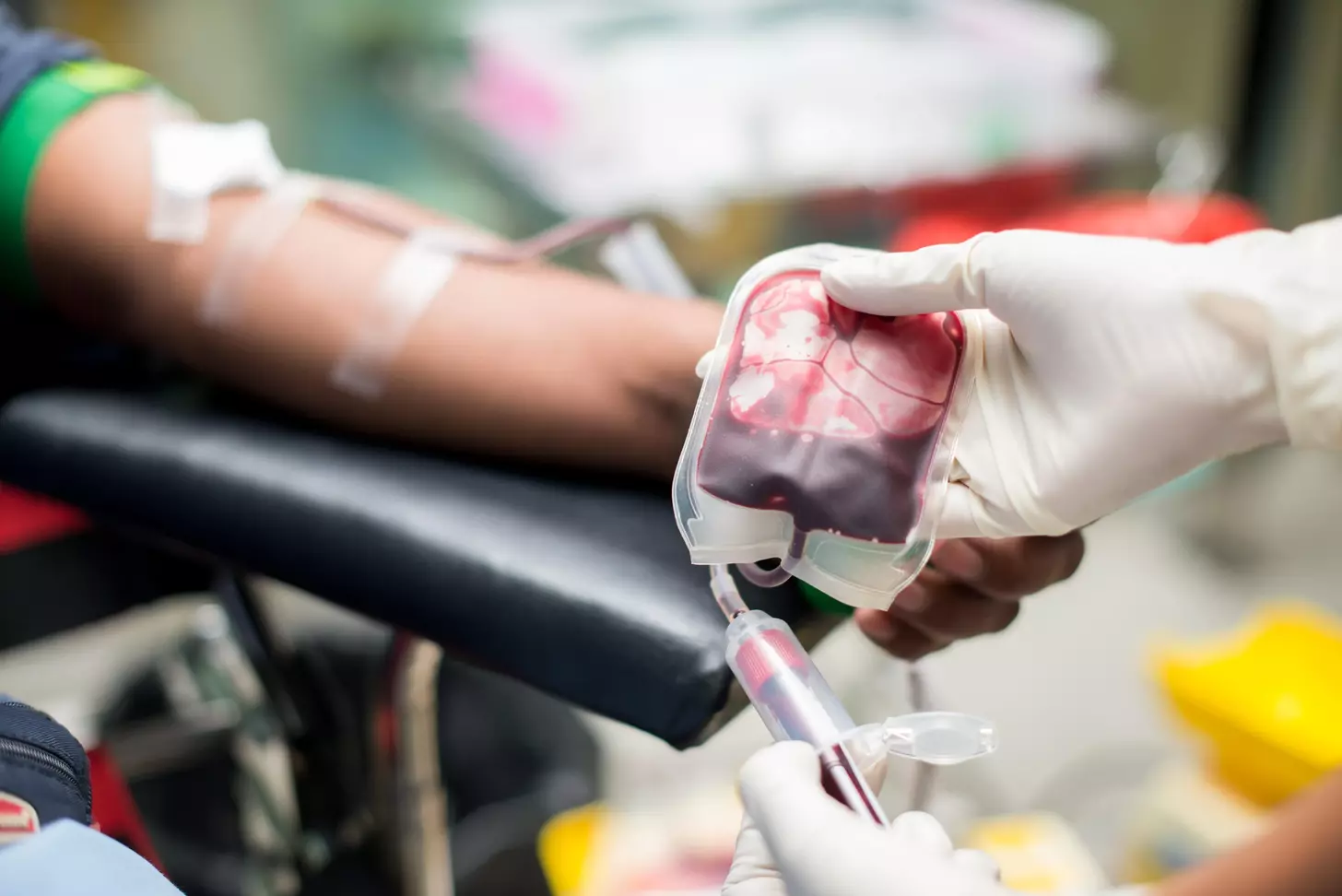
The donor stem cell collection is a vital first step. Stem cells are taken from the donor’s blood or bone marrow. This is done through apheresis, a method that separates stem cells from blood.
After collection, the stem cells are prepared for the recipient. They are tested for quality and quantity to ensure they are ready for transplant.
Hospital Admission and Final Preparations
Before the transplant, patients are admitted to the hospital. They undergo a medical check-up to prepare for the transplant. A central venous catheter is also placed for stem cell and medication infusion.
Patients and their families get detailed instructions on what to expect. They also receive emotional and psychological support for the upcoming transplant.
The Day of Stem Cell Infusion
The stem cell infusion day is a major step. The stem cells are infused into the recipient’s bloodstream through a catheter. This process is painless and can take hours.
During infusion, medical staff watch for any reactions. This is a critical moment in the patient’s recovery journey.
What You’ll Experience During the Procedure
Patients may feel mild side effects during infusion. Some might feel a cold or flu-like sensation, but it’s temporary.
As the stem cells engraft, patients start their recovery. The medical team closely monitors them for complications or graft-versus-host disease.
The medical team’s care and expertise are essential for a successful allogeneic blood transplant.
Critical Post-Transplant Recovery Phase
After an allogeneic stem cell transplant, patients face a critical recovery phase. This phase needs careful monitoring and care. It’s key for the transplant’s success and the patient’s health.
The Waiting Period for Engraftment
The waiting for engraftment is a big part of recovery. Engraftment is when the new stem cells start making blood cells. This usually happens in 2-4 weeks after the transplant.
During this time, patients get regular blood tests. These tests check if the engraftment is going well.
Daily Medical Monitoring and Care
Daily medical checks are very important during recovery. Patients have to go for regular visits. These visits include blood tests, checking vital signs, and physical exams.
Infection Prevention Protocols
Stopping infections is a big part of care after transplant. Patients are told to follow strict rules to avoid infections. This includes staying away from crowded places, wearing masks, and keeping clean.
They might also get antibiotics or antifungal meds to lower infection risk.
Managing Common Side Effects
Handling side effects is also key in recovery. Patients can feel tired, sick to their stomach, and get graft-versus-host disease (GVHD). Doctors and patients work together to deal with these issues.
They use medicine, change lifestyles, and offer support to manage side effects.
Knowing about the recovery phase helps patients get through it better. It improves their chances for a good outcome.
Recognizing and Managing Transplant Complications
People who get allogeneic blood transplants face risks like graft-versus-host disease and infections. It’s key to spot and handle these issues to ensure a good outcome.
Identifying Graft-Versus-Host Disease
Graft-versus-host disease (GVHD) is a big problem after allogeneic blood transplants. It happens when the donor’s immune cells attack the recipient’s body. GVHD can be mild or severe.
- Acute GVHD usually starts within 100 days after the transplant. It can cause skin rash, liver problems, and stomach issues.
- Chronic GVHD starts after 100 days. It can affect many parts of the body, like the skin, eyes, mouth, and liver.
Spotting GVHD early and treating it right away is very important.
Dealing with Infections During Immune Suppression
People getting allogeneic blood transplants are more likely to get infections because their immune system is weak. These infections can be bacterial, viral, or fungal.
To lower this risk, patients often get:
- Prophylactic antibiotics to stop infections.
- Antiviral medications to keep viruses from coming back.
- Antifungal treatments to prevent fungal infections.
Watching for infection signs and treating them fast is key.
Organ Toxicity and Management
Organ damage is another risk after allogeneic blood transplants. The treatment can harm organs like the liver, lungs, and heart.
To reduce this risk, we:
- Check how well organs work before the transplant.
- Adjust the treatment to lessen harm.
- Keep a close eye on organ health after the transplant.
When to Seek Emergency Care
It’s important for patients to know when to go to the emergency room. Look out for symptoms like:
- High fever.
- Severe pain.
- Significant bleeding or bruising.
- Shortness of breath.
- Severe nausea or vomiting.
Quick medical help can make a big difference in these cases.
Transitioning to Home Care After Hospitalization
Going home after a hospital stay for an allogeneic stem cell transplant needs careful planning. It’s important to know what care you’ll need at home for a smooth recovery.
Hospital Discharge Requirements
Before leaving the hospital, patients must meet certain criteria. This includes stable vital signs, enough blood cells, and being able to take care of basic needs. We help patients and their families get ready for discharge.
Some key things to meet include:
- Stable medical condition
- Understanding of medication regimen
- Arrangements for follow-up care
- Adequate support system at home
Creating a Safe Home Environment
Making your home safe for recovery is key. This means:
- Removing tripping hazards
- Ensuring good lighting
- Preparing a clean and comfortable space for rest
- Having essential supplies within easy reach
We suggest talking to your healthcare team about these needs. This way, you can make your home environment safe and comfortable.
Essential Caregiver Responsibilities
Caregivers are very important in the recovery process. Their tasks may include:
| Caregiver Role | Description |
|---|---|
| Medication Management | Administering medications as prescribed by the healthcare team |
| Monitoring Health | Tracking the patient’s temperature, blood pressure, and overall health status |
| Daily Care | Assisting with daily activities such as bathing, dressing, and eating |
Outpatient Follow-up Schedule
After going home, patients will see their healthcare team regularly. This includes check-ups, blood tests, and watching for complications. Keeping up with this schedule is key for a good recovery.
“The period following hospital discharge is critical for monitoring the patient’s recovery and addressing any complications early. Regular follow-up appointments are essential for adjusting care as needed.”
By understanding and preparing for these home care aspects, patients can better navigate their recovery after a transplant.
Conclusion: Life After an Allogeneic Blood Transplant
Getting an allogeneic blood transplant is a big step for treating serious diseases. This process has many important stages. These include finding the right donor and going through the transplant and recovery.
After the transplant, patients need to keep up with medical care. They must follow a strict schedule to watch for any problems. This helps make sure the transplant works well.
Even though it’s tough, many people get better and live well after the transplant. With the right help, they can look forward to a better future. It’s key to have good care and support all the way through this journey.
What is an allogeneic blood transplant?
An allogeneic blood transplant is a medical procedure. It involves putting healthy stem cells from a donor into a patient. This is to treat serious diseases like cancer and blood disorders.
How does an allogeneic transplant differ from an autologous transplant?
An allogeneic transplant uses stem cells from a donor. An autologous transplant uses the patient’s own stem cells. Allogeneic transplants are for when a patient’s bone marrow is sick or damaged.
What conditions are treated with allogeneic blood transplants?
These transplants treat many conditions. This includes leukemia, lymphoma, multiple myeloma, and genetic blood and immune system disorders.
How is a compatible donor found for an allogeneic transplant?
Finding a compatible donor involves HLA typing. This matches the donor’s and recipient’s immune system markers. The search can take up to 12 weeks to find a match.
What is the conditioning regimen before an allogeneic blood transplant?
The conditioning regimen prepares the patient’s body for the transplant. It gets rid of diseased cells and weakens the immune system. This prevents the body from rejecting the donor stem cells.
What are the possible complications of an allogeneic blood transplant?
Complications include graft-versus-host disease and infections. There’s also organ toxicity and side effects from the conditioning regimen and immunosuppression.
How long does it take to recover from an allogeneic blood transplant?
Recovery time varies. It usually takes weeks to months of close medical care. The waiting period for new blood cells to start is critical.
What kind of care is required after being discharged from the hospital following an allogeneic transplant?
After discharge, patients need ongoing medical care. This includes regular check-ups, infection prevention, and managing side effects. Caregivers are key in supporting the patient’s recovery.
Can I lead a normal life after an allogeneic blood transplant?
Many patients can live active, fulfilling lives after recovery. It’s important to keep up with follow-up care and monitoring. This helps manage any long-term effects and ensures the best outcome.
What is graft-versus-host disease, and how is it managed?
Graft-versus-host disease (GVHD) happens when donor immune cells attack the recipient’s tissues. Management includes immunosuppressive medications and treatments to reduce symptoms and prevent complications.
How does HLA typing work in the context of allogeneic transplantation?
HLA typing identifies genetic markers on white blood cells. It’s used to match donors and recipients closely. This reduces the risk of graft rejection or GVHD.
What is hematopoietic stem cell transplantation (HSCT)?
Hematopoietic stem cell transplantation (HSCT) is another name for bone marrow transplantation. It includes allogeneic transplants. The goal is to restore the recipient’s bone marrow and immune system.
References
- American Society of Hematology. (n.d.). ASH Publications. Retrieved from https://ashpublications.org/ Ash Publications
- Wikipedia contributors. (n.d.). Blood (journal). In Wikipedia. Retrieved from https://en.wikipedia.org/wiki/Blood_%28journal%29 en.wikipedia.org