For those with life-threatening blood disorders, hematopoietic cell transplantation is a lifesaving option. We know how complex and challenging this procedure is. We’re here to guide you through every step.
An allogenic stem cell transplant replaces bad bone marrow with healthy stem cells from a donor. This needs careful planning, kindness, and the best care from trusted doctors.
At Liv Hospital, we’re known worldwide for our care in transplanting. We’ll take you through the whole process, from finding a donor to recovering after the transplant.
Key Takeaways
- Allogeneic bone marrow transplant is a life-saving treatment for certain blood disorders.
- The process involves replacing diseased bone marrow with healthy donor stem cells.
- Precision and expert care are key for a successful transplant.
- Liv Hospital offers full support to international patients through the transplant journey.
- Knowing the step-by-step process can ease worries and prepare you for what’s next.
Understanding Allogeneic Bone Marrow Transplants

An allogeneic bone marrow transplant is a medical procedure. It involves transferring stem cells from a donor to a patient. This offers hope for a cure in some cases. It’s very important for patients with certain life-threatening blood disorders.
Definition and Purpose
Allogeneic bone marrow transplants use stem cells from a compatible donor. The main goal is to replace a patient’s diseased or damaged bone marrow. This is done to cure conditions like leukemia and lymphoma.
Healthy stem cells are introduced into the patient’s body. This aims to restore the patient’s ability to produce normal blood cells. It can be a lifesaving treatment for those with specific blood cancers or disorders.
Differences Between Allogeneic and Autologous Transplants
A big difference in bone marrow transplantation is between allogeneic and autologous transplants. An allogeneic transplant uses stem cells from a donor. An autologous transplant uses the patient’s own stem cells. This difference affects the treatment’s risks and outcomes.
Allogeneic transplants can offer a graft-versus-tumor effect. This means the donor’s immune cells help fight the patient’s cancer. But, they also carry a higher risk of complications like graft-versus-host disease (GVHD).
Common Conditions Treated
Allogeneic bone marrow transplants treat serious health conditions. These include:
- Leukemia: A cancer of the blood or bone marrow.
- Lymphoma: A cancer of the lymphatic system.
- Multiple myeloma: A cancer of plasma cells in the bone marrow.
- Aplastic anemia: A condition where the bone marrow fails to produce blood cells.
These conditions can greatly affect a patient’s quality of life and survival. Understanding and using allogeneic bone marrow transplants is very important.
Determining If You’re a Candidate
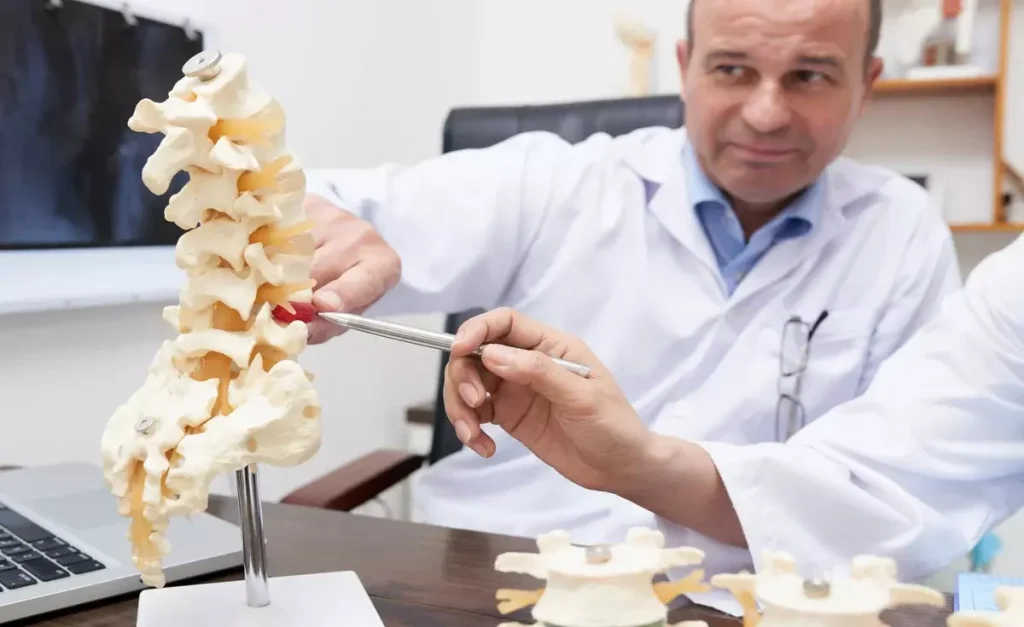
To see if you’re a good fit for an allogeneic bone marrow transplant, we check your health and medical history. This helps us decide if the transplant’s benefits are worth the risks for you.
Medical Conditions That May Require an Allogeneic Transplant
Some health issues might need an allogeneic bone marrow transplant. These include:
- Leukemia: Both acute and chronic forms of leukemia may be treated with an allogeneic transplant.
- Lymphoma: Certain types of lymphoma that are resistant to other treatments may require an allogeneic transplant.
- Myelodysplastic Syndromes: These are conditions where the bone marrow fails to produce healthy blood cells.
- Other Conditions: Such as aplastic anemia and certain genetic disorders affecting the bone marrow.
Age and Health Considerations
Age and health are key in deciding if you’re a candidate for an allogeneic bone marrow transplant. While age isn’t a deal-breaker, older patients might face more risks. We look at your overall health, including:
- Organ Function: The working state of vital organs like the heart, lungs, liver, and kidneys.
- Performance Status: How well you can do daily tasks and your physical state.
- Comorbidities: Any other health issues that could affect the transplant’s success.
Initial Consultations and Evaluations
The first step is a series of consultations and evaluations. These include:
- Medical History Review: A detailed look at your medical past to see how it might impact the transplant.
- Physical Examination: A full physical check-up to see how you’re doing now.
- Diagnostic Tests: Blood tests, imaging, and sometimes bone marrow biopsies to check your condition and if the transplant is right for you.
With these checks, we can figure out if an allogeneic bone marrow transplant is a good choice for you.
Finding a Compatible Donor
Finding the right donor is key for patients getting an allogeneic bone marrow transplant. This journey includes several important steps. These steps help figure out the best donor type and confirm if they match.
Types of Donors: Related vs. Unrelated
Donors can be related or not. Related donors are family members like siblings or parents. They share genes with the patient. Unrelated donors are people not related to the patient but found through registries.
We look at many things when picking a donor. We check their health, age, and genetic match with the patient.
HLA Typing and Matching Process
HLA (Human Leukocyte Antigen) typing is a key step. It tests the proteins on white blood cells to find the patient’s genetic markers. A good HLA match lowers the risk of problems like GVHD.
Finding a good HLA match is a detailed process. We compare the HLA types of donors with the patient’s to find the best match.
The 12-Week Timeline for Donor Confirmation
Finding a donor can take up to 12 weeks. This time includes searching for donors, HLA typing, and confirming the match. We keep patients and their families updated during this time.
- Initial donor search: 1-2 weeks
- HLA typing and matching: 4-6 weeks
- Donor confirmation: 2-4 weeks
National Marrow Donor Program
The National Marrow Donor Program (NMDP) is key for unrelated donor transplants. The NMDP has a donor registry and supports the search and transplant process. We team up with the NMDP to find donors and ensure a smooth transplant for our patients.
Using the NMDP’s resources, we can find a wide range of donors. This increases the chance of finding a good match for our patients.
Pre-Transplant Medical Evaluation
A pre-transplant medical check is key to see if a patient can get an allogeneic bone marrow transplant. It includes many tests to make sure the patient is healthy enough. We’ll explain what this process involves.
Required Medical Tests
Before the transplant, patients get many tests to check their health. These tests look for any problems that might make the transplant harder. Here are some of the tests:
- Blood Tests: To check blood cell counts, blood chemistry, and for infections.
- Imaging Tests: Like X-rays, CT scans, or MRI scans to see how internal organs are doing.
- Cardiac Evaluation: To check the heart’s function, which might include echocardiograms or stress tests.
- Pulmonary Function Tests: To see how well the lungs are working and the overall respiratory health.
Psychological Evaluation
A psychological check is also very important before the transplant. It helps find any mental health issues that might affect how well the patient can handle the transplant. It’s a chance for patients to talk about their worries and get support.
The goal is to make sure patients are emotionally ready for the transplant’s challenges.
Financial and Insurance Considerations
It’s important to know the financial side of an allogeneic bone marrow transplant. Patients should check their insurance to see what’s covered and what they’ll have to pay for. Here are some things to talk about with your insurance:
- The total cost of the transplant procedure.
- Coverage for pre-transplant evaluations and post-transplant care.
- Any extra costs for the transplant, like travel and staying somewhere else.
The Allogeneic Bone Marrow Transplant Process
The journey through an allogeneic bone marrow transplant is complex. It involves many medical and logistical steps. Knowing the process can help ease worries and make the experience smoother.
Central Venous Catheter Placement
A key first step is getting a central venous catheter (CVC). This catheter helps with medication, blood transfusions, and blood tests. It’s done under local anesthesia and sedation to reduce pain.
Having a CVC makes the transplant process easier. It allows for quick access to treatments. Healthcare providers rely on it for quality care during this time.
Fertility Preservation Options
Many patients worry about infertility after a bone marrow transplant. Luckily, there are fertility preservation options. These include sperm banking for men and egg or embryo freezing for women. It’s important to talk to a fertility specialist before starting the transplant.
Learning about these options and their effects is key. It helps patients make informed choices about their reproductive health. We suggest exploring these early to get the best results.
Living Arrangements During Treatment
Patients often need to stay near the transplant center for a while. This means arranging for a place to stay, transportation, and other needs. Some centers have on-site housing or suggest hotels that meet patient needs.
Assembling Your Support Team
A strong support team is essential for an allogeneic bone marrow transplant. This team includes family, friends, and healthcare professionals. They provide emotional, practical, and medical support.
- Family and friends offer emotional support and help with daily tasks.
- Healthcare professionals provide medical care and guidance.
- Support groups connect patients with others facing similar challenges.
Understanding and preparing for the transplant process helps patients face challenges better. A well-prepared patient is more likely to have a successful transplant and recovery.
The Conditioning Regimen
To get ready for a new immune system, patients go through a conditioning regimen before their allogeneic bone marrow transplant. This important step uses chemotherapy and/or radiation. It kills the patient’s sick bone marrow, making room for the donor’s healthy cells.
Purpose of Conditioning
The main goal of the conditioning regimen is to remove the patient’s sick bone marrow. It also weakens the immune system to stop the body from rejecting the donor cells. This makes room for the new marrow to grow and produce healthy blood cells.
This process greatly lowers the chance of the disease coming back. It helps make the transplant successful.
Types of Conditioning: Myeloablative vs. Reduced Intensity
There are two main types of conditioning regimens: myeloablative and reduced intensity conditioning (RIC). Myeloablative conditioning uses high doses of chemotherapy and/or radiation. It aims to completely destroy the patient’s bone marrow.
This method is more aggressive. It’s usually used for patients with certain types of leukemia or lymphoma.
Reduced intensity conditioning, on the other hand, uses lower doses of chemotherapy and/or radiation. It’s less aggressive. This type is often recommended for older patients or those with other health issues.
Common Chemotherapy and Radiation Protocols
The specific chemotherapy and radiation protocols can vary. They depend on the patient’s disease, overall health, and the transplant center’s protocols. Common chemotherapy agents include cyclophosphamide and busulfan.
Total body irradiation (TBI) is a common radiation therapy used.
| Conditioning Type | Chemotherapy Agents | Radiation Therapy |
|---|---|---|
| Myeloablative | Cyclophosphamide, Busulfan | Total Body Irradiation (TBI) |
| Reduced Intensity | Fludarabine, Melphalan | Low-dose TBI or none |
Managing Side Effects During Conditioning
Managing side effects is key during the conditioning regimen. Common side effects include nausea, fatigue, hair loss, and increased risk of infections. To help, patients receive supportive care.
This includes anti-nausea medications, antibiotics, and nutritional support.
Understanding the conditioning regimen helps patients prepare for this critical phase of treatment.
Stem Cell Collection Methods
Stem cell collection is a key part of the allogeneic bone marrow transplant process. It’s important because it affects the quality and amount of stem cells for the transplant. This directly impacts the treatment’s success.
Bone Marrow Harvest Procedure
The bone marrow harvest procedure takes bone marrow from the donor’s pelvic bones. It’s done under general anesthesia to reduce pain. The whole process usually takes a few hours, and the donor can go home the same day or the next.
Key aspects of bone marrow harvest include:
- Performed under general anesthesia
- Involves extracting marrow from pelvic bones
- Procedure duration is typically a few hours
Peripheral Blood Stem Cell Collection (Apheresis)
Peripheral blood stem cell collection, or apheresis, is another way to get stem cells. Donors take medications to release stem cells into their blood. Then, an apheresis machine separates these stem cells from the rest of the blood.
Key aspects of apheresis include:
- Donors receive stem cell mobilization medication
- Blood is drawn and processed through an apheresis machine
- Stem cells are separated and collected
Processing and Preparing Stem Cells
After collection, the stem cells are processed for transplant. This step isolates the stem cells, removes contaminants, and checks if they’re ready for infusion.
The processing stage is critical and involves:
- Isolating stem cells from other blood components
- Removing contaminants and unwanted cells
- Testing for cell viability and count
Here’s a summary of the stem cell collection methods:
| Method | Description | Key Features |
|---|---|---|
| Bone Marrow Harvest | Extracting marrow from pelvic bones under anesthesia | Performed under general anesthesia, few hours duration |
| Peripheral Blood Stem Cell Collection (Apheresis) | Collecting stem cells from donor’s blood after mobilization | Stem cell mobilization medication, apheresis machine used |
The Transplant Day: What to Expect
On transplant day, a detailed plan ensures the safe infusion of donor stem cells. This is a key moment for those getting an allogeneic bone marrow transplant.
The Infusion Process
The infusion is like a blood transfusion. The stem cells go through a tube in a big vein, usually in the chest. This happens in a hospital or clinic where doctors can watch the patient closely.
Patients sit or lie down while the infusion happens. It usually takes about 30 minutes to an hour. Our team keeps an eye on the patient’s health to make sure they’re okay.
Duration and Monitoring
The whole transplant process takes several hours. After it’s done, patients are watched for any quick reactions. This is important to catch and fix any problems early.
- Vital signs are closely monitored.
- Patients are observed for signs of an allergic reaction or other complications.
- Medical staff are prepared to intervene if necessary.
Immediate Post-Infusion Care
After the infusion, patients go to a recovery area. There, they’re watched for a bit longer. We give them instructions on what to do next, including any medicines and when to come back for more checks.
Following these instructions is key for a smooth recovery. Some things to expect include:
- Managing possible side effects.
- Watching for signs of infection or graft-versus-host disease.
- Going to all scheduled follow-up appointments.
Knowing what to expect on transplant day helps patients prepare. Our team is here to give you the best care and support every step of the way.
The Engraftment Process in Allogeneic HSCT
The engraftment process is key in allogeneic hematopoietic stem cell transplantation (HSCT). It’s when the transplanted stem cells start making new blood cells. This is a big step in a patient’s recovery after allogeneic HSCT.
What Is Engraftment
Engraftment is when donor stem cells start making new blood cells in the recipient’s body. It shows the transplant is working and the donor cells are doing their job.
Timeline for Blood Cell Regeneration
The time it takes for blood cells to regrow varies. But usually, it’s a few weeks for white blood cells to come back. Neutrophil recovery, a key sign, happens in 2-4 weeks after the transplant. Platelets might take 3-6 weeks or more to recover.
During this time, patients get regular blood tests to check on engraftment. These tests help us adjust treatment plans to help with recovery.
Signs of Successful Engraftment
Signs of successful engraftment include the return of neutrophils and platelets, and no big transplant problems. Chimerism studies also show if donor cells are working in the bone marrow.
Managing Complications During Engraftment
Even though engraftment is good, it comes with risks. Problems like graft-versus-host disease (GVHD), infections, and graft failure can happen. We watch closely and act fast to manage these issues.
Patients should tell their healthcare team about any symptoms or worries right away. Working together, we can tackle problems early and help ensure a successful engraftment.
Understanding and Managing Graft-Versus-Host Disease
Graft-versus-host disease (GVHD) is a serious issue after an allogeneic bone marrow transplant. It happens when the donor’s immune cells see the recipient as foreign. Then, they attack the recipient’s tissues.
Acute vs. Chronic GVHD
GVHD can be acute or chronic. Knowing the difference is key to managing it well.
Acute GVHD usually starts within 100 days after the transplant. It can harm the skin, liver, and gut. Symptoms range from mild to severe, like rashes, diarrhea, and stomach pain.
Chronic GVHD can start after 100 days and last for years. It affects many organs and tissues. This can cause skin scarring, dry eyes, and lung issues.
Prevention Strategies
Stopping GVHD before it starts is very important. This includes using medicines to suppress the immune system, choosing the right donor, and watching for GVHD signs.
Treatment Options
Treatment for GVHD depends on how severe it is. For mild cases, creams and supportive care might be enough. But for more serious cases, stronger medicines are needed.
Recent Advances in GVHD Management
New ways to manage GVHD include better medicines and cell therapies. These help control the immune system’s response.
Recovery and Rehabilitation After Transplant
Recovering from an allogeneic bone marrow transplant is a big job. It involves physical therapy and nutritional advice. After the transplant, patients start a key recovery phase. They need careful care to get the best results.
Physical Therapy and Exercise Guidelines
Physical therapy is key for patients to get strong and move well again. Gentle exercises like walking, stretching, and yoga help. They improve blood flow, reduce tiredness, and boost health. We suggest patients see a physical therapist for a custom exercise plan.
Nutritional Considerations
Eating right is very important during recovery. Patients should eat a balanced diet with lots of fruits, veggies, whole grains, and lean proteins. Drinking lots of water is also key. We team up with dietitians to give patients nutrition advice that fits their needs.
Immune System Recovery Timeline
Getting the immune system back after a transplant takes time. It can take months to a year or more. Patients are at risk for infections and may need medicines to prevent problems. We keep a close eye on their immune health and adjust their care as needed.
Returning to Normal Activities
As patients get better, they can start doing things they love again. This includes going back to work, school, or spending time with friends. But, they should take it easy and not push too hard. We help them know how to safely start doing things again and adjust to daily life.
Conclusion: Long-Term Follow-Up and Life After Transplant
After an allogeneic bone marrow transplant, patients start a key recovery phase. It’s vital to keep up with long-term follow-up care. This helps watch for late effects and keeps patients healthy.
Life after transplant means managing health closely. This includes regular doctor visits, sticking to medication, and living a healthy lifestyle. We help patients create care plans that fit their needs for the best health.
We focus on long-term care to help patients deal with transplant life’s challenges. Our goal is to improve their quality of life. We’re dedicated to top-notch healthcare and support for patients worldwide.
What is an allogeneic bone marrow transplant?
An allogeneic bone marrow transplant uses stem cells from a donor. It replaces a patient’s diseased or damaged bone marrow. This method treats blood-related disorders and cancers.
How does an allogeneic bone marrow transplant differ from an autologous transplant?
Allogeneic transplants use donor stem cells. Autologous transplants use the patient’s own stem cells. Allogeneic transplants are for when the bone marrow is too damaged.
What are the common conditions treated with allogeneic bone marrow transplants?
We treat leukemia, lymphoma, multiple myeloma, and genetic disorders with allogeneic transplants. The condition affects the transplant process and outcome.
How do we determine if a patient is a suitable candidate for an allogeneic bone marrow transplant?
We check the patient’s health, medical history, and the condition being treated. Age, health, and donor availability are also key factors.
What is HLA typing, and why is it important in allogeneic bone marrow transplants?
HLA typing identifies tissue types of patient and donor. It’s vital for a match to reduce risks like graft-versus-host disease (GVHD).
How long does it take to find a compatible donor for an allogeneic bone marrow transplant?
Finding a donor can take up to 12 weeks. This is through the National Marrow Donor Program or other registries.
What is the conditioning regimen in an allogeneic bone marrow transplant, and what are its side effects?
The conditioning regimen prepares the body for the transplant. It destroys diseased bone marrow and suppresses the immune system. Side effects include nausea, fatigue, and hair loss, managed with supportive care.
What is graft-versus-host disease (GVHD), and how is it managed?
GVHD occurs when donor immune cells attack the patient’s tissues. We treat it with immune-suppressing medications. The approach varies based on the type of GVHD.
What is the engraftment process, and how long does it take?
Engraftment is when transplanted stem cells start producing new blood cells. It takes weeks for donor stem cells to engraft and produce healthy blood cells.
What are the guidelines for physical activity and exercise after an allogeneic bone marrow transplant?
We suggest starting with gentle exercises like walking or yoga after the transplant. The specific guidelines depend on the patient’s health and transplant outcome.
How long does it take for the immune system to recover after an allogeneic bone marrow transplant?
Immune system recovery takes several months to a year or more. It varies based on individual recovery.
What are the nutritional considerations after an allogeneic bone marrow transplant?
We recommend a balanced diet rich in nutrients for recovery. Patients may need to follow specific dietary guidelines to manage side effects and prevent infections.
When can patients return to their normal activities after an allogeneic bone marrow transplant?
The timeline for returning to normal activities varies. We provide personalized guidance on when it’s safe to resume daily activities, work, or other responsibilities
References
- National Cancer Institute. Stem cell transplant fact sheet. Retrieved from https://www.cancer.gov/about-cancer/treatment/types/stem-cell-transplant/stem-cell-transplant-fact-sheet
- National Health Service (UK). Bone marrow transplant. Retrieved from https://www.nhs.uk/conditions/bone-marrow-transplant/



 Departments
 Related Videos
 Our Doctors
 News
News