At Liv Hospital, we aim to provide top-notch healthcare. We support patients from around the world. It’s key to know about allogeneic stem cell transplants for those fighting serious diseases.
Allogeneic stem cell transplantation means giving a patient healthy stem cells from another person. This replaces the patient’s sick cells. It’s a critical method for treating diseases like leukemia and lymphoma.
We understand the significance of this treatment. We’re here to give our patients the best care during their allogenic stem cell transplant.
Key Takeaways
- Allogeneic stem cell transplantation is a complex process used to treat life-threatening diseases.
- Healthy stem cells are transferred from a donor to replace a patient’s unhealthy cells.
- This medical procedure is vital for treating conditions like leukemia and lymphoma.
- Liv Hospital is committed to delivering world-class healthcare with international patient support.
- Our patient-centered approach ensures the best care for those undergoing allogeneic stem cell transplants.
What Are Allogeneic Stem Cell Transplants?
Allogeneic stem cell transplants move stem cells from a donor to a patient. This is a key treatment for serious diseases like blood cancers and bone marrow issues.
Definition and Basic Concepts
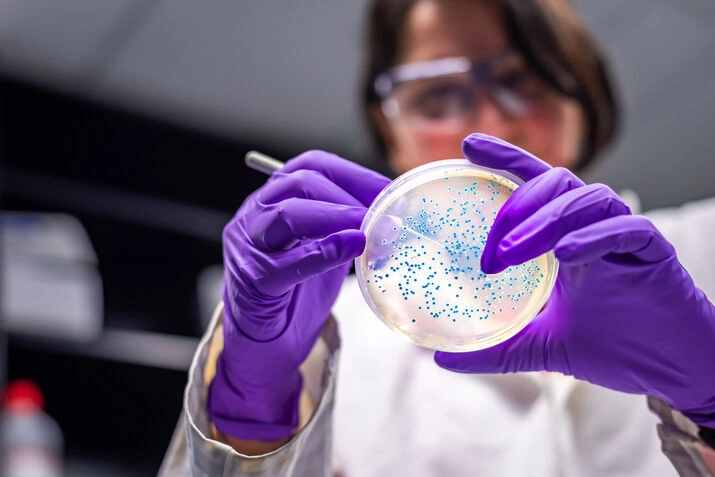
Allogeneic stem cell transplantation, or allogeneic hematopoietic stem cell transplantation (HSCT), is a medical process. It moves healthy stem cells from a donor to a patient. The aim is to replace unhealthy stem cells with healthy ones, helping the body make normal blood cells.
The term “allogeneic” means the transplant comes from a genetically different person, often a donor. This is different from autologous transplants, where the patient’s own stem cells are used.
Difference Between Allogeneic and Autologous Transplants
The main difference is where the stem cells come from. In allogeneic transplants, they come from a donor, like a family member or an unrelated person. On the other hand, autologous transplants use the patient’s own stem cells, collected, stored, and then given back after treatment.
Allogeneic transplants have benefits, like a graft-versus-tumor effect where donor immune cells fight cancer. But, they also have risks like graft-versus-host disease (GVHD), where donor immune cells attack the patient’s body.
Knowing the differences between these transplants is key to finding the right treatment for each patient. We’ll look at the medical conditions treated with allogeneic stem cell transplants next.
Medical Conditions Treated with Allogeneic Stem Cell Transplants
Allogeneic stem cell transplants are a key treatment for serious diseases. They help patients worldwide with critical health issues. This advanced therapy is a big step forward in medicine.
Blood Cancers: Leukemia and Lymphoma
Allogeneic stem cell transplants are mainly used for blood cancers like leukemia and lymphoma. These diseases make the bone marrow produce bad cells. This crowds out good cells, causing big problems.
For acute leukemia, this transplant can give patients a second chance. It kills the bad cells and brings back healthy ones. Lymphoma patients who didn’t get better with other treatments might also find relief here.

Bone Marrow Disorders: Aplastic Anemia
Aplastic anemia is another condition treated with these transplants. It’s a rare disease where the bone marrow doesn’t make enough blood cells. This can cause infections, bleeding, and anemia.
By using stem cells from a donor, the transplant can fix the bone marrow. This lets the body make healthy blood cells again. It greatly improves the patient’s life.
Other Conditions Benefiting from Transplantation
Allogeneic stem cell transplants are also being looked at for other serious diseases. These include genetic disorders, immune system problems, and more. They might help by replacing bad cells with good ones from a donor.
As research grows, so does the hope for these transplants. They offer new hope to those with few treatment options before.
The Science Behind Allogeneic Stem Cell Therapy
The science of allogeneic stem cell therapy is amazing. It uses hematopoietic stem cells to make new blood cells. These cells can turn into any blood cell type. This is key for fixing blood problems in patients.
Understanding Hematopoietic Stem Cells
Hematopoietic stem cells (HSCs) live in the bone marrow. They make all blood cells, like white and red blood cells, and platelets. Their power to grow and change into different cells makes them great for allogeneic cell transplantation.
First, a donor is found. Then, their HSCs are taken from the bone marrow or blood. These cells can replace the sick blood cells in the recipient, fixing their blood system.
How Donor Cells Replace Unhealthy Blood Cells
Donor HSCs are given to the recipient through the blood. They go to the bone marrow and start growing and changing. This makes healthy blood cells, slowly replacing the sick ones.
The success of this depends on a few things. Like how well the donor and recipient match, the prep of the recipient, and keeping the immune system from attacking the new cells. When the donor cells work, patients see big improvements. This is because the donor cells fix the blood system, helping to cure serious diseases.
The Allogeneic Stem Cell Transplant Process
Understanding the allogeneic stem cell transplant process is key for patients. It’s a journey with several stages. We’ll explain each step in detail.
Pre-Transplant Evaluation and Planning
The first step is a thorough pre-transplant evaluation. This includes tests to check the patient’s health and if they’re a good match for the transplant. Our medical team looks at the patient’s history and health to plan the treatment.
Patients have many tests, like blood work and imaging. These help find any risks during the transplant.
Conditioning Regimen: Chemotherapy and Radiation
Before the transplant, patients get a conditioning regimen. This includes high-dose chemotherapy and radiation. It kills diseased cells and weakens the immune system to prevent rejection.
The conditioning regimen is key to getting ready for the transplant. It depends on the patient’s health and condition.
| Conditioning Regimen Component | Purpose | Potential Side Effects |
|---|---|---|
| Chemotherapy | Eradicate diseased cells | Nausea, hair loss, fatigue |
| Radiation Therapy | Suppress immune system | Fatigue, skin reactions |
Stem Cell Collection from Donors
After the conditioning, stem cells are collected from the donor. They can come from bone marrow, blood, or umbilical cord. The choice depends on the patient and donor.
Infusion Process and Initial Recovery
The collected stem cells are infused into the patient’s blood. This is like a blood transfusion and is usually okay.
After infusion, the patient starts recovery. They’re watched for complications like GVHD or infection. Supportive care helps manage side effects and keeps the patient comfortable.
Finding the Right Donor for Allogeneic Stem Cell Transplants
Finding a compatible donor is key to a successful allogeneic stem cell transplant. This is done through HLA matching. It helps lower the risk of graft-versus-host disease (GVHD).
HLA Matching and Compatibility Factors
HLA matching is vital for allogeneic stem cell transplants. HLA genes help our immune system fight off infections. A close match between donor and recipient is needed to avoid GVHD and ensure the transplant works.
HLA matching tests for genetic markers to find compatibility. The more markers that match, the lower the risk of problems. Ideally, a match at 8 out of 8 or 10 out of 10 markers is best. But, the acceptable match level can change based on the transplant’s details.
Types of Donors: Related vs. Unrelated
Donors can be related or unrelated to the recipient. Related donors, like siblings, are often preferred because of a better HLA match. But, unrelated donors are also an option, thanks to better HLA typing and matching tech.
| Donor Type | HLA Match Likelihood | Advantages |
|---|---|---|
| Related Donor | Higher | Potentially better HLA match, familial support |
| Unrelated Donor | Lower, but improving with technology | Availability of a large donor pool, altruistic donation |
The 12-Week Donor Search Process
Finding a suitable donor can take up to 12 weeks. This includes HLA typing, checking medical suitability, and getting ready for stem cell collection. We team up with donor registries and medical teams to speed up the search while finding the best match.
“The search for a compatible donor is a complex but vital process. Advances in HLA typing have greatly improved our ability to find suitable donors, even when a related match is not available.”
We offer full support to patients and their families during this time. We make sure they are well-informed and ready for the transplant process.
Potential Complications of Allogeneic Stem Cell Transplants
Allogeneic stem cell transplants can lead to serious complications. These risks are important to know and manage to get the best results. This procedure can cure life-threatening diseases but comes with big risks.
We will look at graft-versus-host disease, infection risks, and other possible problems.
Graft-Versus-Host Disease (GVHD)
Graft-versus-host disease (GVHD) is a big problem after allogeneic stem cell transplants. It happens when the donor’s immune cells attack the recipient’s body. GVHD can be acute or chronic, with different symptoms and treatments.
GVHD can harm many organs, like the skin, liver, and gut. Symptoms can be mild or severe, including rash, diarrhea, and liver problems. The risk of GVHD depends on how well the donor and recipient match, the source of stem cells, and the treatment used.
To prevent and treat GVHD, doctors use immunosuppressive drugs. These drugs can lower GVHD risk but also increase infection and disease relapse risk.
Infection Risks and Prevention
Infections are a big risk after allogeneic stem cell transplants. This is because the treatment weakens the immune system and takes time to recover.
Common infections include bacteria, viruses (like CMV), and fungi. To prevent infections, doctors use antibiotics, watch for signs of infection, and give vaccines before and after the transplant.
Infection Prevention Strategies:
- Prophylactic antimicrobial therapy
- Monitoring for early signs of infection
- Vaccination before and after transplantation
- Isolation precautions to reduce exposure to pathogens
Other Possible Complications
Other problems can happen, like organ damage, graft failure, and new cancers.
| Complication | Description | Risk Factors |
|---|---|---|
| Organ Toxicity | Damage to organs like the liver, lungs, and heart from treatment | How intense the treatment is, if organs were already damaged |
| Graft Failure | The graft doesn’t work, leading to long-term or permanent lack of blood cells | Not enough stem cells, poor match, infections |
| Secondary Malignancies | New cancers can develop, possibly because of treatment or weakened immune system | How intense and type of treatment, how much immune suppression |
Understanding these complications helps doctors manage risks better. This can improve outcomes for patients getting allogeneic stem cell transplants.
Recovery and Life After an Allogeneic Stem Cell Transplant
Recovering from an allogeneic stem cell transplant is a big deal. It involves medical care, lifestyle changes, and emotional support. This recovery phase is key for long-term health and happiness.
Engraftment and Immune System Reconstitution
The first step in recovery is engraftment. Here, donor stem cells start making new blood cells. This is vital for rebuilding the immune system. Engraftment usually happens in 2-4 weeks after the transplant.
During this time, patients watch for signs of engraftment and possible problems. As the immune system gets stronger, patients face risks of infections. They might need medicines to prevent these issues.
It can take months to a year or more for the immune system to fully recover. Patients must stay careful about their health during this time.
Long-term Follow-up Care
After an allogeneic stem cell transplant, ongoing care is a must. Regular visits to healthcare providers are key. They help catch any late transplant effects, like graft-versus-host disease (GVHD), and manage any issues that come up. Liv Hospital notes that hospital stays can vary, but care continues beyond discharge.
| Follow-up Care Aspect | Description | Timeline |
|---|---|---|
| Regular Check-ups | Monitoring for complications and managing late effects | Ongoing, starting from discharge |
| Infection Prevention | Prophylactic medications and lifestyle adjustments | Several months to a year or more |
| GVHD Management | Monitoring and treatment for graft-versus-host disease | Ongoing, with increased vigilance in the first year |
Lifestyle Adjustments and Quality of Life
Patients often need to change their lifestyle after a transplant. This includes eating differently, avoiding infections, and managing tiredness. As they get better, they can start doing more, but it’s important to balance rest and activity.
Quality of life is very important during recovery. Patients might feel many emotions, from worry to relief. Support from doctors, family, and groups can help a lot in dealing with these feelings.
Understanding the recovery process and following care advice can help patients have a better outcome and quality of life after a transplant.
Recent Advances in Allogeneic Stem Cell Transplantation
Recent years have brought big changes to allogeneic stem cell transplantation. This has opened up new treatment options for serious diseases. Now, these transplants are safer and work better for patients.
Innovative Approaches to Reduce Complications
One big challenge is graft-versus-host disease (GVHD), a serious side effect. Innovative approaches are being tried to lower this risk. For example, post-transplant cyclophosphamide is being tested as a way to prevent GVHD. It seems to work well without harming the transplant’s benefits.
Haploidentical transplantation, where donors are half-matched, is another new area. This has made it easier to find donors for patients. Research shows that with the right prevention, haploidentical transplants can be as good as those from fully matched donors.
Modern Hematopoietic Transplantation Protocols
New transplant protocols are getting smarter, thanks to new tech and understanding of how the immune system works. For instance, reduced-intensity conditioning (RIC) regimens are now common. They make transplants safer for older patients or those with health issues by using less intense treatments.
Also, finding the right donor is getting easier. Thanks to better HLA typing and matching, even patients from different backgrounds can find a good match.
Adding cellular therapies, like CAR-T cell therapy, is also changing things. These therapies can help before or after a transplant. They offer new hope for patients with hard-to-treat diseases.
Conclusion: The Future of Allogeneic Stem Cell Transplants
Allogeneic stem cell transplants have changed how we treat serious diseases like blood cancers and bone marrow disorders. This process replaces a patient’s sick blood cells with healthy ones from a donor. It’s a hopeful treatment for many.
Looking ahead, the future of these transplants is bright. Scientists are working hard to make them even better. They’re learning more about how our immune system fights diseases. This knowledge helps match donors better and lowers risks.
As research keeps moving forward, we’ll see more progress in allogeneic transplants. This means more people will have access to this life-saving treatment. With new discoveries, the hope for those facing these serious illnesses will grow.
What is an allogeneic stem cell transplant?
An allogeneic stem cell transplant is a medical procedure. It involves moving healthy stem cells from a donor to a patient. This is key for treating diseases like leukemia and lymphoma.
How does an allogeneic stem cell transplant differ from an autologous transplant?
In an allogeneic transplant, stem cells come from a donor. But in an autologous transplant, the patient’s own stem cells are used. Allogeneic transplants help treat blood cancers and other conditions where the patient’s stem cells are damaged.
What medical conditions can be treated with allogeneic stem cell transplants?
Allogeneic stem cell transplants treat many conditions. These include blood cancers like leukemia and lymphoma. They also treat bone marrow disorders and other conditions that benefit from this transplant.
What is hematopoietic stem cell transplantation?
Hematopoietic stem cell transplantation is the transfer of stem cells. These stem cells can turn into different blood cell types. It helps patients recover by replacing unhealthy blood cells with healthy ones.
How long does it take to find a compatible donor for an allogeneic stem cell transplant?
Finding a compatible donor can take up to 12 weeks. The search looks for HLA matches and other compatibility factors. This ensures the best match between donor and patient.
What are the possible complications of allogeneic stem cell transplants?
Complications include graft-versus-host disease (GVHD) and infection risks. It’s important to understand these risks and how to manage them for patients and their families.
What is graft-versus-host disease (GVHD)?
GVHD is a complication where donated stem cells attack the patient’s body. It can be acute or chronic. Managing GVHD is critical to prevent serious problems.
How do patients recover after an allogeneic stem cell transplant?
Recovery involves engraftment and immune system reconstitution. Patients need long-term care and may need lifestyle changes for the best quality of life.
What recent advances have been made in allogeneic stem cell transplantation?
Recent advances include new ways to reduce complications and improve outcomes. Modern protocols are evolving to make transplants more successful.
What is the role of HLA matching in allogeneic stem cell transplantation?
HLA matching is key for compatibility between donor and patient. A close match reduces GVHD risk and improves transplant success.
What is the difference between related and unrelated donors in allogeneic stem cell transplantation?
Related donors are family members who match HLA-wise. Unrelated donors are found through registries but are not family. Both can be used for transplants, depending on the match.
References
- https://pmc.ncbi.nlm.nih.gov/articles/PMC11652702/ — “Allogeneic Stem Cell Transplant in Hematological Disorders: A Decade of Experience”PMC
- https://pubmed.ncbi.nlm.nih.gov/28680446/ — “Donor Selection for Allogenic Hemopoietic Stem Cell Transplantation: Clinical and Ethical Considerations”PubMed
- https://ashpublications.org/blood/article/141/1/60/486184/Allogeneic-stem-cell-transplantation-compared-to — “Allogeneic-stem cell transplantation compared to conservative management in adults with inborn errors of immunity”ASH Publications
- https://www.nature.com/articles/s41423-023-01007-y — “A perfect mismatch: haploidentical hematopoietic stem cell transplantation overtakes a bend”Nature
- https://www.frontiersin.org/journals/medicine/articles/10.3389/fmed.2023.1036939/full — “Allogeneic hematopoietic stem cell transplantation to cure sickle cell disease: A review”Frontiers
- https://www.mdpi.com/2073-4409/13/24/2067/review_report — “HLA and Non-HLA Factors for Donor Selection in Hematopoietic Stem Cell Transplantation with Post-Transplant Cyclophosphamide GvHD Prophylaxis”mdpi.com



 Departments
 Related Videos
 Our Doctors
 News
News