Looking for the hsc meaning? Get the ultimate definition of what this term stands for in medical, educational, and professional contexts.
The acronym HSC has many meanings in the medical field. It shows how complex and diverse healthcare is.
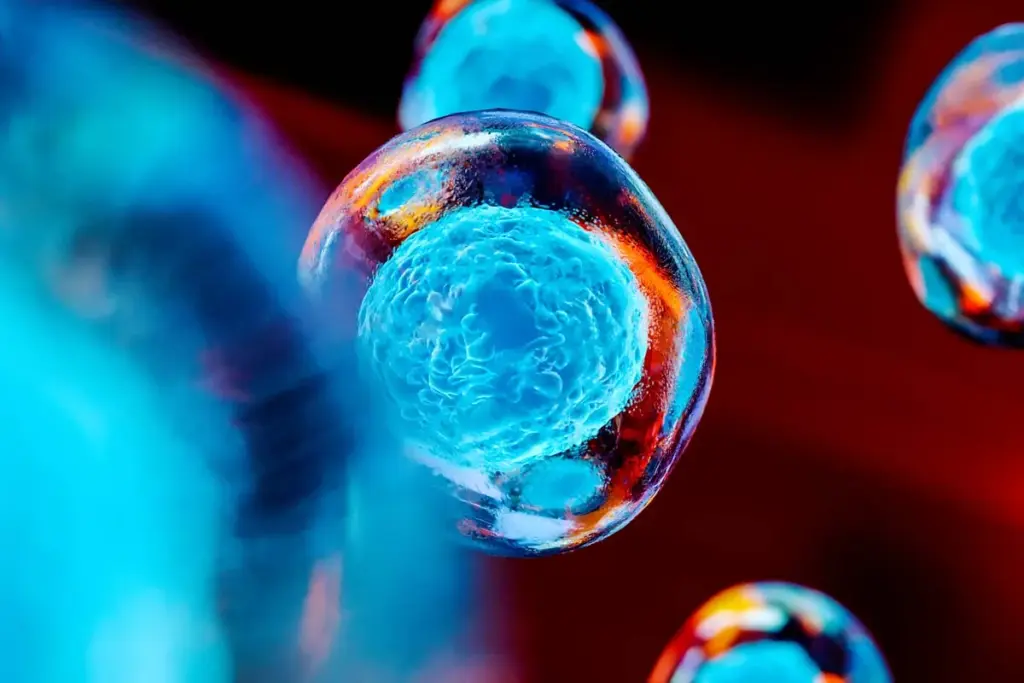
In medical terms, HSC usually means Hematopoietic Stem Cells. These cells are key in making blood and the immune system. They can turn into different blood cell types, which is important for many medical treatments.
Knowing what HSC means is key to understanding healthcare. It can also stand for Hysteroscopy, a way to look at the uterus. And it can mean Health and Social Care in healthcare systems.
Key Takeaways
- HSC mainly means Hematopoietic Stem Cells in medical terms.
- Hematopoietic Stem Cells are essential for blood and immune system creation.
- HSC can also mean Hysteroscopy and Health and Social Care.
- Understanding HSC meanings is vital for navigating healthcare.
- HSC has many uses in medical treatments and procedures.
The Multiple Meanings of HSC
Knowing what HSC means is important due to its various applications in healthcare and research. The acronym HSC is used in various contexts, making it essential to understand its meanings to prevent confusion.
Overview of Common HSC Definitions
HSC has three primary meanings in medicine: Hematopoietic Stem Cells, Hysteroscopy, and Health and Social Care. Each one is important for health care.
- Hematopoietic Stem Cells (HSC): These cells make blood cells and help treat blood diseases.
- Hysteroscopy (HSC): It’s a way doctors look inside the uterus. It helps diagnose and treat uterine problems.
- Health and Social Care (HSC): It’s about services that help people stay healthy and well. This is common in the UK and similar places.
Why Understanding HSC Abbreviations Matters
Knowing what HSC means is key for clear talk among health workers and between them and patients. Getting it wrong can cause confusion, wrong diagnoses, or bad treatments.
|
Context |
Definition |
Significance |
|---|---|---|
|
Hematopoietic Stem Cells |
Cells responsible for blood cell production |
Crucial for treating blood-related diseases |
|
Hysteroscopy |
A procedure to examine the uterus |
Aids in diagnosing and treating uterine conditions |
|
Health and Social Care |
Services supporting health and wellbeing |
Essential for providing complete care to individuals |
Knowing the different HSC meanings helps health workers give the right care. This leads to better health outcomes for patients.
HSC: Hematopoietic Stem Cells Explained

Hematopoietic Stem Cells can turn into all types of blood cells. This makes them key for the body’s blood-making system. They help keep the blood cell supply going.
Definition and Basic Function
Hematopoietic Stem Cells (HSCs) can grow themselves and turn into all blood cell types. This is vital for keeping the blood cell supply up. It’s important for carrying oxygen, fighting off infections, and stopping bleeding.
The main jobs of HSCs are self-renewal and differentiation. Self-renewal keeps their numbers steady. Differentiation lets them become different blood cell types.
Where Hematopoietic Stem Cells Are Found
Hematopoietic Stem Cells live mainly in the bone marrow. This is the soft tissue inside bones like the hips and thighbones. The bone marrow helps HSCs grow and work well.
But HSCs can also be found in the blood and umbilical cord blood, though in smaller amounts. These places are sometimes used for HSC transplants.
The Biology of Hematopoietic Stem Cells
HSCs can self-renew and turn into different blood cell types. This is key to keeping the blood system healthy throughout our lives.
Cell Differentiation Process
The cell differentiation in HSCs is complex and well-controlled. It involves many molecular steps that guide stem cells to become specific blood cells. Transcription factors and signaling pathways are vital in this process, ensuring the right mix of blood cells.
As HSCs differentiate, their genes change a lot. This change is due to both their own programs and signals from outside. This leads to a variety of blood cells, each with its own job.
Self-Renewal Properties
HSCs’ ability to self-renew is key to keeping their numbers up in the bone marrow. This ensures a steady supply of stem cells. Regulation of self-renewal is managed by both the cell itself and signals from its environment.
Important factors like Wnt/β-catenin signaling help control HSC self-renewal. If these pathways go wrong, HSC numbers and function can be affected.
Role in Blood Formation
HSCs are vital for making all blood cells, from red blood cells to immune cells. Their ability to turn into these cells is essential for our body’s blood needs.
HSCs do more than just make blood cells. They also adjust their growth and development in response to stress or injury. This flexibility is important for the blood system to meet changing needs.
Medical Applications of Hematopoietic Stem Cells
Hematopoietic Stem Cells are key in medical science and treatments. They can turn into different blood cells. This makes them very useful in treating blood disorders.
Bone Marrow Transplantation
Bone marrow transplantation is a major use of HSCs. It replaces a patient’s bad bone marrow with good HSCs. Bone marrow transplantation saves many lives with blood cancers and disorders.
The bone marrow transplant process has gotten better. Better donor matches and care after transplant have helped patients more.
Treatment for Blood Cancers
HSCs are vital in fighting blood cancers like leukemia and lymphoma. They help replace bad bone marrow with healthy cells. This way, doctors can treat these diseases more effectively.
Using HSCs in treatments lets doctors be more aggressive. This has led to better survival rates for patients.
Emerging Therapies and Research
Research on HSCs is always going on, with new hopes. Gene therapy with HSCs might cure genetic blood diseases. Also, HSCs could lead to new treatments for many illnesses.
The future of HSCs in medicine is exciting. With more research, their uses will likely grow even more.
HSC Transplantation: Process and Procedures
The process of HSC transplantation is complex and detailed. It includes matching donors, collecting stem cells, and watching over patients after the transplant. Healthcare teams work together to make sure everything goes well.
Donor Selection and Matching
Finding the right donor is the first step. Human Leukocyte Antigen (HLA) typing helps match donors and recipients. This reduces the chance of graft-versus-host disease (GVHD).
Donors can be family or not related to the patient. They test for HLA compatibility to find the best match.
The donor selection process has several steps:
- Initial screening for HLA compatibility
- Further testing for infectious diseases and genetic markers
- Evaluation of donor health and medical history
Collection Methods
There are different ways to get HSCs from donors. Bone marrow harvest is one, where marrow is taken from the hip bones. Another is peripheral blood stem cell collection, where HSCs are moved into the blood and then collected.
|
Collection Method |
Description |
Advantages |
|---|---|---|
|
Bone Marrow Harvest |
Surgical removal of marrow from hip bones |
Traditional method, well-established protocols |
|
Peripheral Blood Stem Cell Collection |
Collection of HSCs from the bloodstream after mobilization |
Less invasive, quicker recovery for donors |
Post Transplant Care
After the transplant, patients need close monitoring. They get immunosuppressive drugs to prevent GVHD. They also get checked for infections and get nutritional support.
Post-transplant care includes:
- Monitoring for GVHD and other complications
- Managing immunosuppressive therapy
- Providing patient education on self-care and follow-up appointments
Global Impact of HSC Transplants
HSC transplants have changed how we treat blood disorders worldwide. They offer hope to patients with life-threatening diseases. This treatment has become key in saving lives.
Annual Transplant Statistics
Every year, over 50,000 HSC transplants are done globally. This shows how often this treatment is used. It’s for diseases like leukemia and some autoimmune issues.
These numbers show the growing use of HSC transplants. They also highlight progress in matching donors and improving care after the transplant.
Success Rates and Outcomes
The success of HSC transplants depends on many things. These include the disease being treated, the patient’s health, and how well the donor and recipient match. Success rates have gotten much better thanks to new technology and understanding of the transplant process.
“The improvement in HSC transplant outcomes is a testament to the progress in hematopoietic stem cell research and its clinical applications.” –
A leading hematologist
Geographical Variations in Access
Even though HSC transplants are used worldwide, access to them varies a lot. This is due to differences in healthcare, donor registries, and money available.
- Rich countries usually have better access to transplant services and experts.
- Poorer countries struggle to set up donor registries and provide care after the transplant.
- There are efforts to make HSC transplants more available everywhere.
It’s important to understand these differences. This helps those making policies and working in healthcare to make HSC transplants more accessible worldwide.
HSC: Hysteroscopy in Gynecological Care
Hysteroscopy has gained increasing importance in diagnosing and treating uterine issues. This procedure lets doctors see inside the uterus. It helps them understand many uterine conditions.
Definition and Purpose
Hysteroscopy uses a thin, flexible or rigid telescope to look inside the uterus. Its main goal is to find and sometimes fix uterine issues. It’s great for checking abnormal bleeding, finding infertility causes, and spotting problems like polyps or fibroids.
The procedure can be both diagnostic and therapeutic. It lets doctors see the uterus directly. This helps them find and fix problems that cause heavy bleeding or infertility.
When Hysteroscopy Is Recommended
Hysteroscopy is recommended for various gynecological concerns. It’s very helpful for women with abnormal bleeding, suspected uterine problems, or fertility issues. It can find and sometimes fix the root causes of these problems.
|
Condition |
Hysteroscopy Role |
Benefits |
|---|---|---|
|
Abnormal Uterine Bleeding |
Diagnose and treat causes |
Reduces bleeding, improves quality of life |
|
Infertility |
Identify uterine abnormalities |
Enhances fertility treatment success |
|
Suspected Uterine Abnormalities |
Direct visualization and removal of abnormalities |
Improves uterine health, reduces symptoms |
Knowing when hysteroscopy is needed helps patients see its value. About 30% of infertile patients benefit from it. This shows how important it is in fertility treatments.
The Hysteroscopy Procedure Explained
It’s important for patients to understand the hysteroscopy procedure before it happens. This procedure lets a healthcare provider see inside the uterus with a tool called a hysteroscope.
Preparation Requirements
Before a hysteroscopy, patients need to follow some steps. These include:
- Telling their healthcare provider about any medications they take
- Stopping certain medications that could affect the procedure
- Having someone to drive them home after the procedure
Getting ready for the procedure is key for a smooth experience. Patients might also need to do some tests before the procedure.
Step-by-Step Procedure Overview
The hysteroscopy procedure has several steps:
- The patient lies on an examination table for easy access
- They might get local or general anesthesia, depending on the procedure and their needs
- The hysteroscope is carefully inserted through the cervix into the uterus
- A fluid might be used to make the uterus bigger for a clearer view
- The healthcare provider looks inside the uterus, might take samples, or remove any issues
The whole procedure usually takes less than an hour. But, the time at the healthcare facility might be longer.
Recovery and Aftercare
After the procedure, patients are watched for a bit before going home. They get instructions for recovery and aftercare, including:
- Resting for the rest of the day
- Avoiding hard activities for a few days
- Following up with their healthcare provider as advised
Some patients might feel mild cramping or spotting. But, these symptoms usually go away in a few days.
|
Procedure Aspect |
Description |
|---|---|
|
Preparation |
Informing healthcare provider about medications, avoiding certain medications, arranging for accompaniment home |
|
Procedure Steps |
Positioning on examination table, administering anesthesia, inserting hysteroscope, expanding uterus with fluid, examining uterus |
|
Recovery |
Resting, avoiding strenuous activities, following up with healthcare provider |
Diagnostic Applications of Hysteroscopy
Hysteroscopy is used for many things, like finding uterine problems and checking fertility. It lets doctors see inside the uterus. This helps them understand many health issues related to a woman’s reproductive system.
Identifying Uterine Abnormalities
Hysteroscopy is great for finding issues like polyps, fibroids, and adhesions in the uterus. These can cause bleeding, pain, and trouble getting pregnant. It helps doctors see these problems clearly.
Common Uterine Abnormalities Diagnosed by Hysteroscopy:
- Endometrial polyps
- Uterine fibroids
- Intrauterine adhesions
- Congenital uterine anomalies
Fertility Investigation
Hysteroscopy is key in checking why some women can’t get pregnant. It lets doctors see if there are any problems in the uterus that might be causing infertility. It can also help fix these issues, like removing polyps or fibroids.
“Hysteroscopy has revolutionized the diagnosis and treatment of uterine abnormalities, giving women a less invasive way to tackle fertility and other reproductive health issues.”Gynecologist
Abnormal Bleeding Diagnosis
Many women experience abnormal bleeding, and hysteroscopy helps find the cause. It lets doctors see inside the uterus. This can show things like polyps or fibroids that might be causing the bleeding.
|
Cause of Abnormal Bleeding |
Hysteroscopic Findings |
Treatment Options |
|---|---|---|
|
Endometrial Polyps |
Visible polyps within the uterine cavity |
Polyp removal during hysteroscopy |
|
Uterine Fibroids |
Fibroids visible within or protruding into the uterine cavity |
Myomectomy or other fibroid removal procedures |
|
Intrauterine Adhesions |
Scarring within the uterine cavity |
Adhesiolysis to remove adhesions |
In conclusion, hysteroscopy is a powerful tool in women’s health care. It can diagnose and sometimes treat problems in one go. This makes it very valuable for managing gynecological conditions.
Therapeutic Uses of Hysteroscopy
Hysteroscopy is a key tool in gynecology, helping treat many uterine issues. It’s a minimally invasive method that lets doctors see and treat problems inside the uterus. This improves health outcomes for patients.
Polyp and Fibroid Removal
Hysteroscopy is great for removing polyps and fibroids. These can cause bleeding, infertility, and other issues. Hysteroscopic resection is precise, often avoiding the need for bigger surgeries.
Doctors use a hysteroscope to see and remove these growths. This method cuts down on recovery time and lowers surgery risks.
Adhesion Treatment
Hysteroscopy treats adhesions or scar tissue in the uterus, known as Asherman’s syndrome. These can cause bleeding, infertility, and miscarriage. Hysteroscopic adhesiolysis carefully cuts and removes these adhesions.
This treatment can greatly improve symptoms and fertility. It’s a precise way to treat adhesions, thanks to hysteroscopy.
Endometrial Ablation
Another use of hysteroscopy is endometrial ablation. It treats abnormal bleeding by destroying the uterine lining. Hysteroscopy guides the ablation, making it more accurate.
It’s good for women with heavy bleeding who’ve tried other treatments. The procedure is done on an outpatient basis, leading to faster recovery.
Risks and Benefits of Hysteroscopy
Hysteroscopy is a tool for diagnosing and treating gynecological issues. It’s popular for helping with fertility problems and other uterine issues.
Success Rates in Fertility Treatment
Hysteroscopy is very effective in fertility treatments. It can greatly improve fertility by fixing uterine problems. It’s most successful when removing polyps, fibroids, or adhesions that block fertility.
Key benefits include:
- Improved fertility outcomes
- Minimally invasive procedure
- Quick recovery time
Common Complications
Even though hysteroscopy is safe, there are risks. These include infection, bleeding, and damage to the uterus or nearby areas. But these issues are rare, happening in about 7% of cases.
Common complications may include:
- Infection
- Bleeding or hemorrhage
- Uterine perforation
Patient Satisfaction Statistics
Most patients are very happy with hysteroscopy results. They often see better symptoms and quality of life. This is because the procedure is good at finding and fixing gynecological issues.
Statistics show that:
- Over 90% of patients report satisfaction with the procedure
- More than 80% experience improvement in symptoms
HSC in Healthcare Systems: Health and Social Care
Grasping the concept of Health and Social Care (HSC) is essential for comprehending the dynamics of modern healthcare. It combines health and social services to help patients. This change makes care more focused on the patient.
Definition and Scope
Health and Social Care means combining health and social services. It aims to meet all a patient’s needs, from medical to social support.
“The integration of health and social care is not just a policy aspiration, but a necessity for delivering high-quality, person-centered care,” as noted by healthcare professionals. This approach ensures that care is coordinated and tailored to the individual’s needs.
Key Components of Health and Social Care
The main parts of HSC include various services and practices for patient care. These are:
- Integrated health and social services
- Patient-centered care planning
- Coordination between healthcare providers
- Support for social determinants of health
By focusing on these, HSC aims to better patient outcomes and care quality. It also hopes to cut healthcare costs by being more efficient.
The integration of HSC is vital for meeting complex patient needs, like those with chronic conditions or needing long-term care. As healthcare evolves, HSC’s role in providing holistic care will stay important.
Health and Social Care Pathways
Health and Social Care systems have many pathways for different patient needs. These paths make sure patients get the right care at the right time. They cover everything from the first check-up to ongoing care.
Patient Journey Through HSC Systems
The patient journey is key in Health and Social Care. It shows the steps a patient takes, from being referred to getting care. Knowing this journey helps healthcare providers give better care.
Key stages in the patient journey include:
- Initial assessment and referral
- Diagnostic testing and evaluation
- Treatment planning and implementation
- Ongoing care and follow-up
The “Two Week Wait” Protocol
The “Two Week Wait” protocol is for patients with suspected cancer. It makes sure they see a specialist within two weeks. This helps get a diagnosis and start treatment quickly.
The benefits of the “Two Week Wait” protocol include:
- Reduced anxiety for patients
- Timely diagnosis and treatment
- Improved patient outcomes
The table below shows how the “Two Week Wait” protocol helps patients.
|
Protocol |
Average Wait Time |
Diagnosis Rate |
Treatment Initiation Rate |
|---|---|---|---|
|
Two Week Wait |
12 days |
85% |
90% |
|
Standard Referral |
30 days |
70% |
80% |
Integration of Services
Effectively integrating Health and Social Care services is crucial. This means working together to make care smooth and continuous. It helps patients get better care and improves health outcomes.
By working together, healthcare systems can also save money and improve care quality.
HSC Professionals and Their Roles
Professionals in Health and Social Care (HSC) are key to keeping people and communities healthy. They include nurses, social workers, and other healthcare experts.
Types of HSC Practitioners
HSC practitioners have different roles and duties. Some main professionals are:
- Nurses and midwives who care for patients directly
- Social workers who help those in need
- Healthcare managers who run care services
- Allied health professionals, like physiotherapists and occupational therapists
Each plays a big part in making sure patients get the care they need.
Educational Requirements
The education needed for HSC jobs varies by role. For example:
|
Profession |
Typical Educational Requirement |
|---|---|
|
Nurses |
Diploma or Degree in Nursing |
|
Social Workers |
Degree in Social Work or related field |
|
Healthcare Managers |
Degree in Healthcare Management or related field |
These education levels help ensure HSC professionals can give top-notch care.
Career Pathways in Health and Social Care
HSC professionals can choose from many career paths. These depend on their interests and skills. Some options are:
- Specializing in a healthcare area, like pediatrics or gerontology
- Getting into management or leadership roles
- Going for more education or research
By growing their careers, HSC professionals can make a bigger impact on healthcare and better patient care.
Other Less Common Meanings of HSC
The acronym HSC has many meanings, each for a different field. It’s not just about Hematopoietic Stem Cells and Health and Social Care. It also has important roles in other areas.
Higher School Certificate
In schools, HSC means Higher School Certificate. It’s given to students who finish their secondary education in some places. This certificate is needed to get into university.
Hepatic Stellate Cells
In biology, HSC is about Hepatic Stellate Cells. These cells are key to the liver’s work and problems. They store vitamin A and help control liver fibrosis.
|
Cell Type |
Function |
Pathological Role |
|---|---|---|
|
Hepatic Stellate Cells |
Vitamin A storage, regulation of extracellular matrix |
Liver fibrosis, cirrhosis |
Hardware Security Component
In computer security, HSC means a Hardware Security Component. It’s a physical device that adds extra security for things like storing cryptographic keys.
Harmonized System Code
HSC also stands for Harmonized System Code. It’s a global system for naming and numbering products. It’s used for customs and international trade.
Knowing all the meanings of HSC is key for clear communication. Whether it’s about school achievements, biology, or computer security, the context matters a lot.
Conclusion
Understanding HSC is key in healthcare. This article looked at its many meanings, like Hematopoietic Stem Cells and Health and Social Care. It also covered Hysteroscopy.
Hematopoietic Stem Cells are vital for blood. They help in treatments like bone marrow transplants and for blood cancers. Hysteroscopy is a big help in gynecology for both diagnosis and treatment.
In Health and Social Care, HSC means working together for better patient care. The many meanings of HSC show how complex and varied healthcare can be. Knowing these meanings helps healthcare workers talk clearly and give top-notch care.
In conclusion, knowing the different HSC meanings is very important. It helps in clear communication in healthcare. This clarity can lead to better patient care and higher quality services.
FAQ
What does HSC stand for in medical terms?
In medicine, HSC usually means Hematopoietic Stem Cells. These cells are key for making blood. They are used in treatments like bone marrow transplants.
What is the role of Hematopoietic Stem Cells in the body?
Hematopoietic Stem Cells are important for making blood cells. They help create red blood cells, white blood cells, and platelets. This process is called hematopoiesis.
What is Hysteroscopy, and when is it recommended?
Hysteroscopy is a procedure to look inside the uterus. A healthcare provider uses a hysteroscope for this. It’s used to diagnose and treat uterine issues, like abnormal bleeding and polyps.
What are the benefits of Hysteroscopy in fertility treatment?
Hysteroscopy can help with fertility. It can find and treat problems in the uterus that might cause infertility. This includes adhesions, polyps, and fibroids.
What is Health and Social Care, and what does it entail?
Health and Social Care covers services for people with health needs. This includes medical care, social support, and rehabilitation services.
What are the different types of HSC professionals, and what are their roles?
HSC professionals include doctors, nurses, social workers, and more. They work together to give patients the best care.
What is the Higher School Certificate, and how is it related to HSC?
The Higher School Certificate (HSC) is a school qualification. It’s given to students who finish secondary school in places like Australia. It’s not related to the medical term HSC.
How is HSC used in the context of bone marrow transplantation?
In bone marrow transplantation, HSC stands for Hematopoietic Stem Cells. These cells are taken from a donor or the patient. They are then given to the patient to replace bad bone marrow.
What are the risks and benefits associated with Hysteroscopy?
Hysteroscopy’s benefits include accurate diagnosis and treatment of uterine issues. But, there are risks like infection, bleeding, and damage to the uterus.
How do HSC transplants impact patients with blood cancers?
HSC transplants can save lives for patients with blood cancers. They replace the patient’s bad bone marrow with healthy stem cells.
What is the significance of understanding the multiple meanings of HSC?
Knowing the different meanings of HSC is key. It helps avoid confusion and ensures clear communication in healthcare. It also shows the various uses of HSC in medical treatments and healthcare systems.
References
National Center for Biotechnology Information. Evidence-Based Medical Insight. Retrieved from https://www.ncbi.nlm.nih.gov/books/NBK279393/