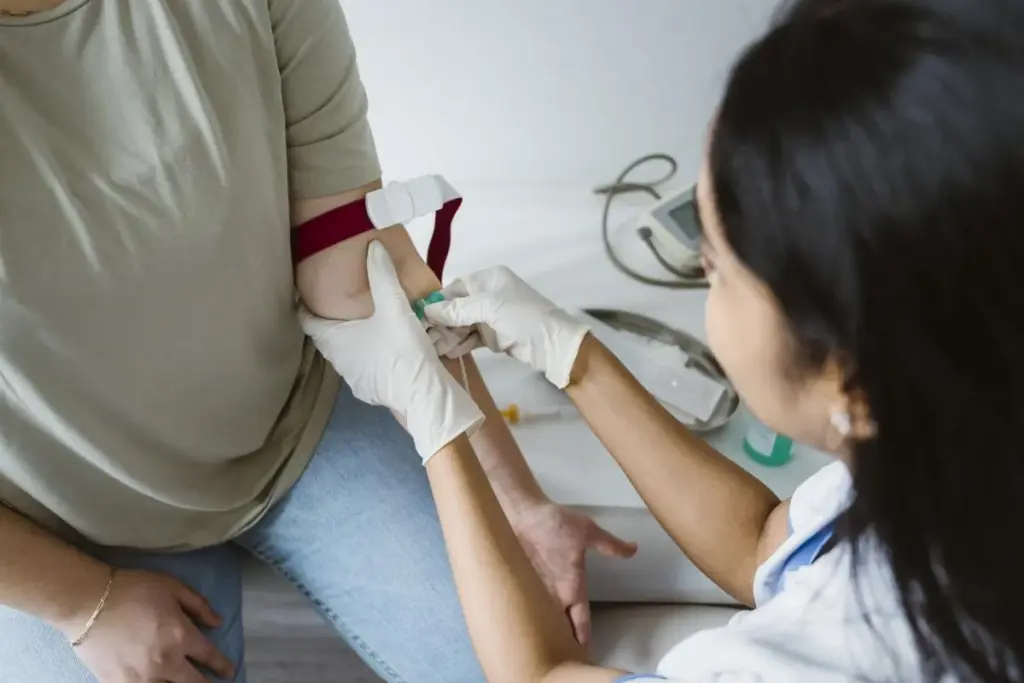
HSC treatment is a revolutionary healing method. Learn how hematopoietic stem cells are used to treat cancer and various blood disorders.
Hematopoietic stem cell therapy is a life-saving treatment for blood-related disorders. This includes diseases like leukemia and autoimmune issues.
This therapy uses stem cells to replace blood cells and balance the immune system.
Doctors use stem cell transplant to give patients with tough diseases a new chance. It offers hope for recovery and a better life.
Key Takeaways
- Hematopoietic stem cell therapy is a life-saving treatment for blood-related disorders.
- It involves the transplantation of hematopoietic stem cells to replenish blood cells.
- This therapy modulates the immune system, providing new hope for patients.
- Stem cell transplant is a key part of this innovative therapy.
- Bone marrow transplant is a related procedure that can be used with hematopoietic stem cell therapy.
Understanding Hematopoietic Stem Cell Treatment

HSC treatment uses stem cells to fix the body’s blood cell system. It’s getting a lot of attention for treating serious diseases.
Definition and Basic Principles
HSC treatment uses stem cells to fix the blood cell system. The hematopoietic stem cell transplantation (HSCT) process replaces bad stem cells with good ones. This helps the body make blood cells again.
The core concept revolves around harnessing the healing potential of stem cells. These cells can turn into different blood cells. By filling up the body’s stem cell tank, HSC treatment tries to make the blood system healthy again.
Types of Stem Cells Used in HSC Treatment
Two main types of stem cells are used: Hematopoietic Stem Cells (HSCs) and Mesenchymal Stem Cells (MSCs). HSCs are key for making blood cells. They’re used to treat blood diseases and cancers.
MSCs are good at calming the immune system. They help prevent bad reactions to the transplant. Using both HSCs and MSCs makes treatments safer and more effective.
Knowing how these stem cells work is important. As research grows, HSCs and MSCs will help more people with different health issues.
The History and Evolution of HSC Treatment

The journey of Hematopoietic Stem Cell (HSC) treatment is filled with innovation and hard work. From the first transplant many years ago, the field has grown a lot. It has seen many big steps forward.
Early Developments in Stem Cell Transplantation
In the mid-20th century, the idea of HSC transplantation started to take shape. Early tests used bone marrow transplants to treat radiation sickness. This was a big step in HSC treatment history.
The early days were tough because of not knowing enough about histocompatibility and the high risk of GVHD. But, thanks to ongoing research and trials, better transplant methods were developed.
Milestones in HSC Treatment Advancement
There have been many important moments in the growth of HSC treatment:
- Improved Donor Matching: Better HLA typing has made matching donors and recipients safer. This has lowered the risk of GVHD and made transplants more successful.
- Stem Cell Sources: Finding stem cells in places other than bone marrow has made more cells available for transplants.
- Conditioning Regimens: New, less harsh ways to prepare patients for transplants have made them more comfortable. This has also cut down on complications after the transplant.
- Supportive Care: Better care for patients, like fighting infections and managing GVHD, has led to better results for patients.
These changes have made HSC treatment a powerful tool against many blood cancers and other serious diseases. As research keeps going, we can look forward to even more progress in HSC transplant procedures. This will help make care and results even better for patients.
Medical Conditions Treated with HSC Therapy
HSC therapy is a new hope for patients with severe medical conditions. It has been used to treat life-threatening diseases. This improves patient outcomes and quality of life.
Hematological Malignancies
Hematological malignancies include leukemia, lymphoma, and multiple myeloma. These cancers affect the blood, bone marrow, and lymphatic system. HSC therapy is an effective treatment option.
Leukemia is a blood cancer treated with HSC therapy. It offers patients a chance at remission. Allogeneic HSC transplants replace diseased bone marrow with healthy donor cells.
Autoimmune Diseases Responsive to HSC Treatment
Autoimmune diseases happen when the body attacks its own tissues. HSC therapy shows promise in treating diseases like multiple sclerosis and rheumatoid arthritis.
It resets the immune system, reducing disease severity. Autologous HSC transplants use the patient’s own stem cells. This reduces graft-versus-host disease risk.
Other Conditions Benefiting from HSC Therapy
HSC therapy is also explored for genetic disorders and aplastic anemia. It’s being looked at for some solid tumors too.
HSC therapy’s versatility in treating various conditions highlights its importance in medicine. As research grows, it will offer more treatment options for patients globally.
The HSC Treatment Process Explained
Understanding the HSC treatment process is key for those considering it. It involves several important steps. Each step is vital for the treatment’s success.
Pre-Transplant Evaluation and Preparation
Before HSC treatment, patients go through a detailed evaluation. This checks their health and if they’re a good match for the treatment. Tests like blood work and imaging studies are used to make sure they can handle the treatment.
They also talk about possible side effects and complications. This helps prepare them for what might happen.
Key components of pre-transplant evaluation include:
- Comprehensive medical history review
- Physical examination
- Laboratory tests (e.g., blood counts, chemistry profiles)
- Cardiac and pulmonary function assessments
Stem Cell Collection Methods
Collecting stem cells is a key part of HSC treatment. There are two main ways to do this: peripheral blood stem cell (PBSC) collection and bone marrow harvest.
PBSC collection uses growth factors to release stem cells into the bloodstream. Then, apheresis separates these cells from other blood components.
Benefits of PBSC collection include:
- Less invasive than bone marrow harvest
- Faster recovery time
- Ability to collect a large number of stem cells
Conditioning Regimens
Conditioning regimens prepare the body for the transplant. They use chemotherapy and/or radiation to kill diseased cells and weaken the immune system. This makes room for the new stem cells.
The type of regimen depends on the disease, the patient’s health, and the transplant protocol.
The Transplantation Procedure
The transplant procedure involves infusing stem cells into the patient’s bloodstream. This is done through an intravenous line, like a blood transfusion. The stem cells then go to the bone marrow to produce new blood cells.
Post-transplant care is vital for recovery and managing side effects. It also helps prevent complications like graft-versus-host disease (GVHD).
The cost of HSC treatment varies a lot. It depends on the type of transplant, location, and treatment protocols. Knowing this helps patients and families prepare financially for the treatment.
Types of HSC Transplants
HSC transplants are divided into autologous, allogeneic, haploidentical, and cord blood types. Each type is based on the source of stem cells and donor match. Knowing these types helps find the best treatment for different health issues.
Autologous Transplants
Autologous transplants use the patient’s own stem cells. They are often used for cancers like multiple myeloma or lymphoma. The process collects, stores, and then reinfuses the patient’s stem cells after a treatment.
Advantages include less risk of GVHD and quicker recovery. But, there’s a chance of getting cancer cells back if the bone marrow isn’t fully cleared.
Allogeneic Transplants
Allogeneic transplants use stem cells from a donor. The donor can be a relative or someone with a matching HLA type. This transplant is for patients with blood cancers or bone marrow failure.
The benefits include fighting cancer cells and a graft-versus-tumor effect. But, there’s a risk of GVHD, which can be serious.
Haploidentical Transplants
Haploidentical transplants use stem cells from a half-match family member. They are useful when a full match is not found.
Recent advancements have made haploidentical transplants a good option for those without a full match donor.
Cord Blood Transplants
Cord blood transplants use stem cells from the umbilical cord after birth. They are often used for kids and some adults with blood diseases.
Key benefits include lower GVHD risk and quick availability. But, the cell dose can be a problem, and engraftment might be slower.
In conclusion, choosing the right HSC transplant depends on the patient’s condition, donor availability, and the transplant’s risks and benefits.
Success Rates and Outcomes of HSC Treatment
HSC treatment has seen big improvements in survival rates and quality of life. The success of HSC treatment is key to understanding its value as a treatment option.
Current Survival Statistics
Survival rates for HSC treatment are looking good, with up to 79% surviving three years. Bone marrow transplant success rates have also hit 92% in some studies. These numbers show HSC treatment’s strong promise for better patient results.
Recent studies show a steady rise in survival rates for HSC transplant patients. For example, a study on found a three-year survival rate of 78%. This marks a major breakthrough in treatment success.
Factors Affecting Treatment Success
Several factors can impact HSC treatment success. These include:
- The type of HSC transplant (autologous, allogeneic, haploidentical, or cord blood)
- Patient age and overall health
- Disease stage at the time of transplant
- Donor-recipient HLA matching
Knowing these factors is key to better treatment results and patient care.
Quality of Life After HSC Transplantation
Improving quality of life after HSC transplant is a big goal for patients and doctors. Many patients see a big boost in their quality of life after the transplant. But, some may face issues like GVHD or long-term side effects.
Recent Improvements in Outcomes
Recent advances in HSC treatment have led to better outcomes. Improvements in transplant techniques, conditioning regimens, and post-transplant care have boosted survival rates and quality of life.
In summary, HSC treatment’s success rates and outcomes are very promising. Ongoing research and advancements will likely lead to even better results for patients.
Potential Risks and Complications
HSC treatment offers hope for many, but it comes with risks. It’s used to treat serious conditions like blood cancers and autoimmune diseases. Understanding these challenges is key.
Short-Term Side Effects
Right after HSC treatment, patients often feel tired, nauseous, and lose their hair. This is because of the treatment’s side effects. Managing these side effects is vital for comfort and recovery.
A study found that fatigue is a big issue for HSC patients. To tackle these side effects, doctors use a team approach. This includes medicines, nutrition, and counseling.
Graft-Versus-Host Disease (GVHD)
GVHD is a big risk with HSC treatment. It happens when the donated stem cells attack the body. GVHD can be acute or chronic, hitting hard in the first few months.
“GVHD remains one of the most significant complications of allogeneic HSC transplantation, affecting both the quality of life and survival of patients.”
Doctors fight GVHD with medicines and close monitoring. Research has led to new ways to reduce GVHD’s impact, like graft engineering.
Infection Risks
HSC patients face a high risk of infections because of the treatment’s effects. These infections can be deadly.
|
Infection Type |
Risk Period |
Preventive Measures |
|---|---|---|
|
Bacterial |
Early post-transplant |
Prophylactic antibiotics |
|
Viral |
Throughout |
Antiviral medications, monitoring |
|
Fungal |
Early post-transplant |
Antifungal prophylaxis |
To lower infection risks, doctors use preventive medicines and strict infection control.
Long-Term Health Considerations
HSC survivors may face long-term health issues. These include organ damage, secondary cancers, and endocrine problems. Long-term care is vital to manage these risks.
Survivors need ongoing care for late treatment effects. This includes watching for organ problems and cancers, and trying to prevent them.
Breakthrough Advances in HSC Treatment
The field of HSC treatment is changing fast. New breakthroughs in graft engineering, gene editing, and more are happening. These changes are making a big difference for patients with blood diseases and autoimmune disorders.
Graft Engineering Innovations
Graft engineering has made big strides. New methods like T-cell depletion and CD34+ cell selection are improving HSC transplants. They help lower the risk of graft-versus-host disease (GVHD) and make engraftment better.
Gene Editing Applications
Gene editing, like CRISPR/Cas9, is opening new doors in HSC treatment. It lets researchers fix genes that cause diseases. This could lead to cures for sickle cell anemia, beta-thalassemia, and other blood disorders.
Immune Modulation Techniques
Immune modulation is key in HSC treatment. It helps manage GVHD and keep the graft alive. Researchers are looking into post-transplant cyclophosphamide and regulatory T cells to improve immune response and patient results.
AI and Machine Learning in Donor Matching
AI and machine learning are changing how we match donors. These technologies make matching more efficient and accurate. They analyze donor and recipient traits to predict transplant success, improving patient outcomes.
|
Advancement |
Description |
Potential Impact |
|---|---|---|
|
Graft Engineering |
Techniques like T-cell depletion and CD34+ cell selection |
Reduced GVHD, improved engraftment |
|
Gene Editing |
CRISPR/Cas9 technology for genetic disease treatment |
Potential cure for genetic blood disorders |
|
Immune Modulation |
Post-transplant cyclophosphamide, regulatory T cells |
Better management of GVHD, improved graft survival |
|
AI in Donor Matching |
Machine learning for predicting transplant success |
More efficient and accurate donor matching |
The Growing Global Market for HSC Treatment
The global market for Hematopoietic Stem Cell (HSC) treatment is growing fast. This is thanks to new medical technologies and a higher need for effective treatments.
HSC treatment is used for many things, like fighting blood cancers and autoimmune diseases. As scientists learn more, the market keeps getting bigger.
Current Market Size and Projections
The global HSCT market is expected to hit $8.14 billion by 2025. This growth shows how much people rely on HSC treatments for health issues.
Things like better transplant success rates and more donors are helping this growth. Also, new ways to prepare for and care after transplants are important.
Regional Differences in Treatment Availability
Where you live affects how easy it is to get HSC treatment. Places like North America and Europe have strong HSC treatment systems. They have top-notch hospitals and many donors.
But, countries that are just starting to grow their healthcare systems are also getting into HSC treatment. They’re doing this because more people need healthcare and their medical setups are getting better.
Economic Factors Driving Market Growth
The cost of HSC treatment is a big deal for the market. It can make it hard for people to get the treatment they need, mainly in places with limited healthcare.
But, as the market grows, costs are likely to go down. This will help more people get HSC treatment.
The need for HSC treatment is going up, and so is the research and development. This makes the HSC treatment market very exciting and fast-changing in the healthcare world.
Donor Registries and the Matching Process
The success of Hematopoietic Stem Cell (HSC) treatment depends a lot on finding compatible donors. This shows how important donor registries are.
Donor registries are huge databases that hold info on possible stem cell donors. They are key for patients getting HSC treatment. They help find a donor that matches well.
How Donor Registries Work
Donor registries collect and store donor info, like Human Leukocyte Antigen (HLA) typing. This is key for matching donors with patients. Here’s how it works:
- Potential donors sign up by giving a cheek swab or blood sample for HLA typing.
- Their HLA info is added to the registry.
- When a patient needs a transplant, their HLA typing is checked against the registry to find matches.
The HLA Matching Process
HLA matching is a big part of finding the right donor. It compares the HLA genes of the donor and the patient. This helps avoid problems like graft-versus-host disease (GVHD).
The HLA matching process is detailed and needs precise typing. Advanced methods are used to check the HLA genes. This helps find the best match between donor and patient.
Challenges in Finding Suitable Donors
Finding a suitable donor can be hard, even with big donor registries. This is because HLA genes vary a lot. Patients from different ethnic backgrounds might find it harder to find a match.
There are ongoing efforts to make donor registries more diverse. This aims to help all patients find a match.
Becoming a Stem Cell Donor
Becoming a stem cell donor is easy. You just need to sign up with a donor registry. You should be healthy and ready to donate, which can be through bone marrow or blood stem cells.
Deciding to donate can save a patient’s life. It’s a selfless act that can change someone’s life for the better.
LIV Hospital’s Approach to HSC Treatment
LIV Hospital is known for its innovative and patient-focused HSC treatment. It leads in hematopoietic stem cell treatment, using the latest technology and care.
Academic Protocols and Standards
LIV Hospital follows strict academic protocols and standards for HSC treatment. Its treatments are based on the latest research and trials. This ensures patients get the safest and most effective care.
Multidisciplinary Treatment Teams
The success of LIV Hospital’s HSC treatment comes from its multidisciplinary treatment teams. These teams include experts from hematology, oncology, and more. They work together to create personalized plans for each patient.
|
Specialty |
Role in HSC Treatment |
|---|---|
|
Hematology |
Diagnosis and treatment of blood disorders |
|
Oncology |
Cancer treatment and management |
|
Immunology |
Immune system management and GVHD prevention |
Advanced Technologies and Facilities
LIV Hospital has state-of-the-art facilities and technologies for HSC treatment. It has advanced diagnostic tools and stem cell processing equipment. This infrastructure helps improve patient care and outcomes.
Patient Success Stories
LIV Hospital’s HSC treatment success is shown in its patient success stories. Many patients have seen big health improvements. They’ve been able to live normal lives after treatment.
- Patients report improved quality of life post-transplant
- High success rates in treating hematological malignancies
- Comprehensive care from initial consultation to post-transplant follow-up
Conclusion
Hematopoietic Stem Cell (HSC) treatment is showing great promise for many blood-related diseases. of treatments like Ryoncil, Omisirge, and Lyfgenia are exciting. They suggest a bright future for HSC therapy.
Success rates for HSC treatment have really improved. It’s now used to treat more conditions, like graft-versus-host disease and sickle cell disease. As research keeps moving forward, we’ll see even more new treatments.
The outlook for HSC therapy is very positive. Trials are ongoing, and new techniques like graft engineering and gene editing are being explored. As the field grows, HSC treatment will likely become a key option for many patients.
FAQ
What is HSC treatment and how does it work?
HSC (Hematopoietic Stem Cell) treatment helps with blood-related issues. It uses stem cells to make new blood cells. This helps the body heal.
What are the different types of HSC transplants available?
There are a few types of HSC transplants. You can use your own stem cells (autologous) or get them from a donor (allogeneic). There are also haploidentical and cord blood transplants.
What is the role of MSCs in HSC treatment?
MSCs (Mesenchymal Stem Cells) help with the treatment. They support the stem cells and help with the immune system.
What are the possible risks and complications with HSC treatment?
Risks include short-term side effects and Graft-Versus-Host Disease (GVHD). There are also infection risks and long-term health issues.
How is the HSC treatment cost determined?
The cost depends on the transplant type and procedure complexity. The patient’s health also plays a role.
What is the significance of donor registries and HLA matching in HSC treatment?
Donor registries and HLA matching are key. They help find a compatible donor. This reduces risks and complications.
What are the recent breakthroughs and advancements in HSC treatment?
New advancements include graft engineering and gene editing. Immune modulation and AI in donor matching are also improving treatment results.
What is the current state of the global market for HSC treatment?
The market is growing. Demand is up, and technology is advancing. More people can get treatment now.
How does LIV Hospital approach HSC treatment?
LIV Hospital follows strict protocols. They use teams and the latest technology. This ensures top-quality care.
What are the success rates and outcomes of HSC treatment?
Success rates vary. They depend on the transplant type, patient health, and disease. But, treatment results have improved a lot.
What is HSC regeneration therapy?
HSC regeneration therapy aims to grow new stem cells. It’s a new way to treat blood disorders.
Are there any innovative HSC treatment solutions available?
Yes, new solutions like graft engineering and gene editing are being used. They aim to better treatment results.
How can I become a stem cell donor?
To donate, register with a donor registry. Then, get HLA typed. You’ll be ready to help patients in need.
References
National Center for Biotechnology Information. Evidence-Based Medical Insight. Retrieved from https://pmc.ncbi.nlm.nih.gov/articles/PMC11809095/