Lyme disease is a tick-borne infection causing fever, fatigue, and rash. Early diagnosis is crucial. Liv Hospital provides advanced diagnosis and personalized care.
Send us all your questions or requests, and our expert team will assist you.
Overview and Definition of Lyme Disease
The overview and definition of Lyme disease provides essential insight for patients and clinicians alike, especially for those traveling to or residing in endemic regions. Lyme disease is a tick‑borne infection caused by the bacterium Borrelia burgdorferi, transmitted primarily through the bite of infected Ixodes ticks. Each year, an estimated 300,000 cases are reported in the United States alone, with increasing numbers of cases identified across Europe and Asia, underscoring its global relevance.
This page is designed for international patients and healthcare professionals seeking a clear, comprehensive understanding of Lyme disease—from its biological basis and clinical manifestations to diagnostic pathways, treatment options, and preventive measures. By presenting a detailed overview and definition, we aim to empower readers to recognize early signs, seek timely care, and make informed decisions about management, whether at home or while traveling.
Throughout the following sections, you will find evidence‑based information, practical guidelines, and a look at how Liv Hospital supports international patients dealing with Lyme disease, ensuring seamless coordination of care across borders.

Understanding Lyme Disease: Causes and Transmission
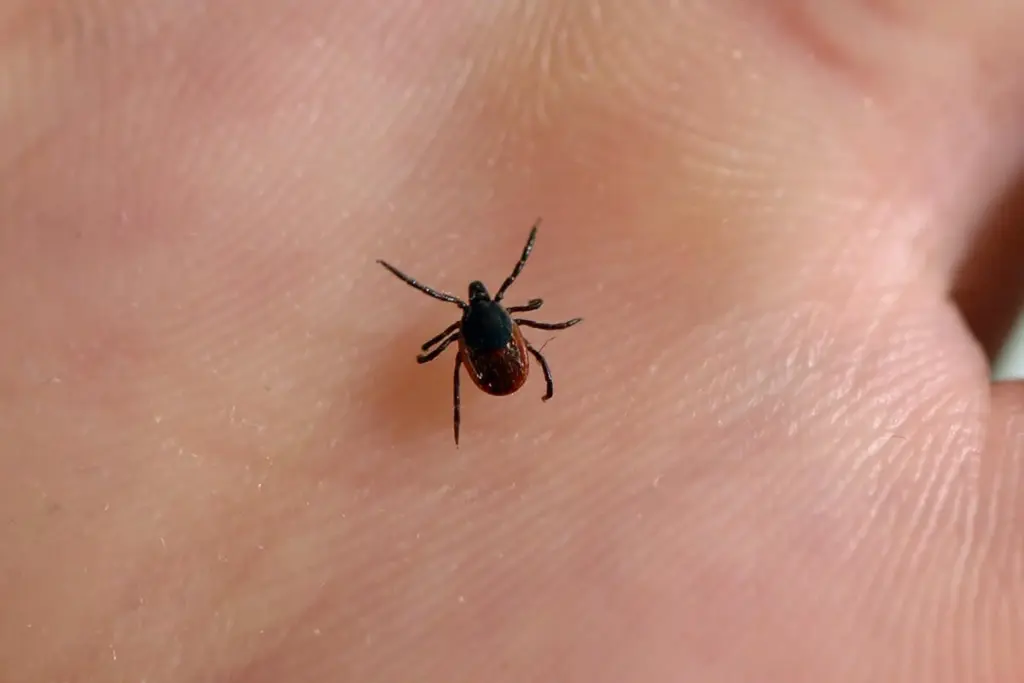
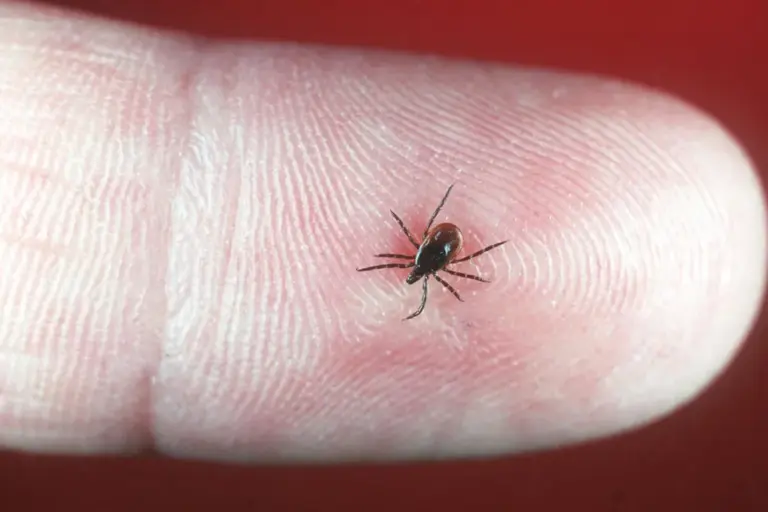
Lyme disease originates from the spirochete bacterium Borrelia burgdorferi, which resides in the midgut of adult and nymphal Ixodes ticks. These ticks acquire the pathogen during a blood meal from infected small mammals, such as mice or deer. Human infection typically occurs when an infected tick remains attached for 36–48 hours, allowing bacterial migration into the skin.
Key environmental factors influencing transmission include:
Geographically, Lyme disease is most prevalent in the Northeastern United States, parts of the Upper Midwest, and several European countries such as Germany, Austria, and the United Kingdom. Emerging reports from Turkey and the Middle East indicate expanding endemic zones, making awareness crucial for travelers.
Prevention hinges on understanding tick behavior. Ticks are most active during daylight hours, but can attach at any time. Early removal within 24 hours dramatically reduces infection risk, as the bacterium requires time to migrate from the tick’s gut to its salivary glands.
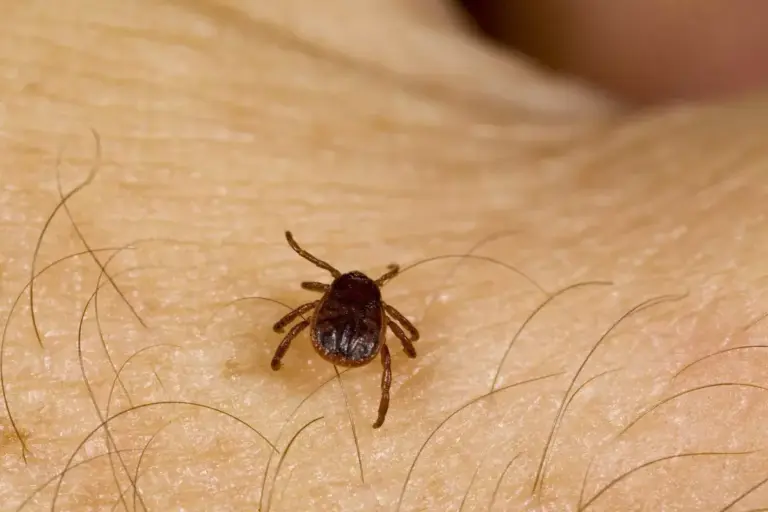
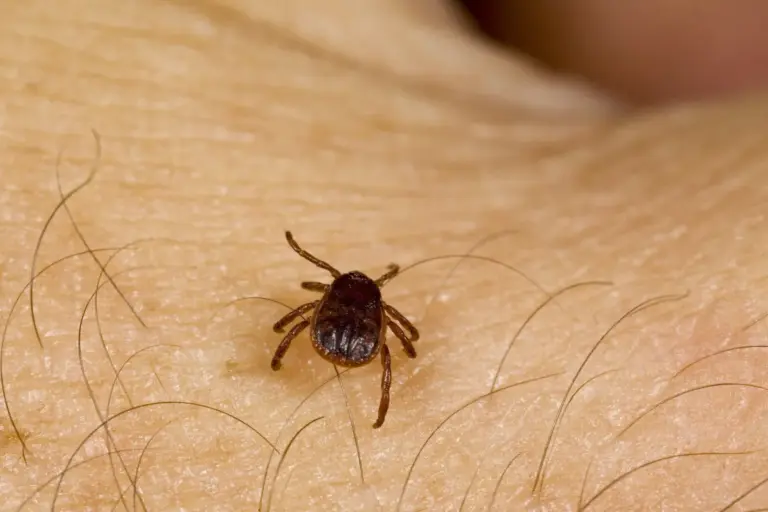
The tick lifecycle comprises four stages: egg, larva, nymph, and adult. Only the nymph and adult stages commonly transmit B. burgdorferi to humans. Nymphs, being smaller than a poppy seed, often go unnoticed, which is why many infections are acquired silently.
Stage | Size | Typical Hosts | Transmission Potential
|
|---|---|---|---|
Larva | 0.5–1 mm | Small rodents | Low (usually uninfected) |
Nymph | 1–2 mm | Rodents, birds | High |
Adult | 2–3 mm | Deer, large mammals | Moderate to high |
Understanding this lifecycle is central to the broader overview and definition of Lyme disease, as it informs both preventive strategies and public health messaging.

Clinical Presentation: Symptoms and Stages
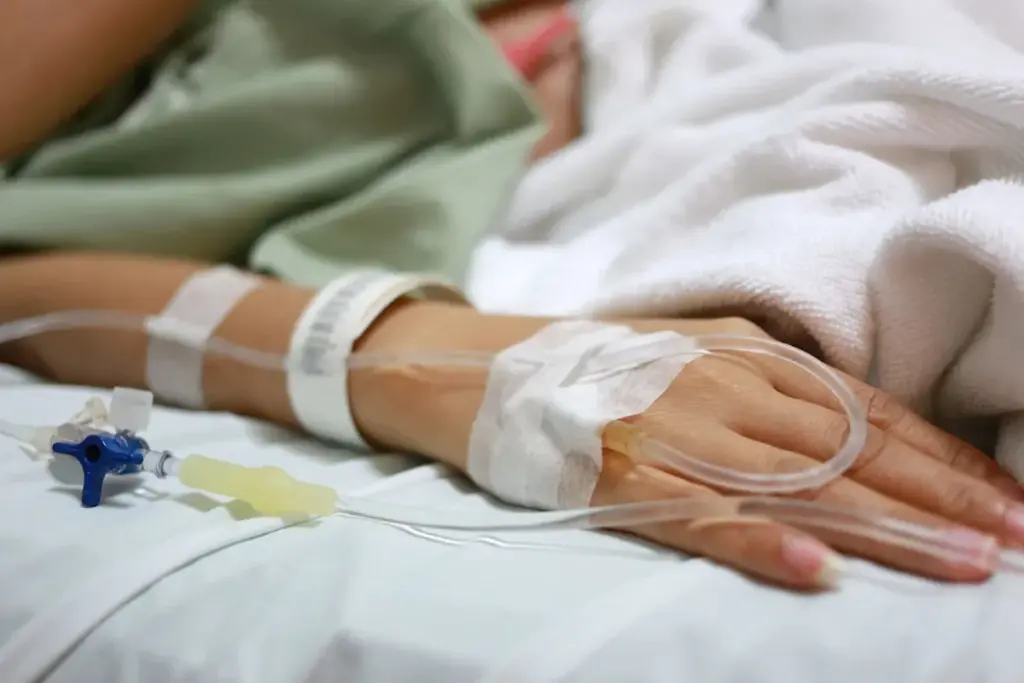
Lyme disease unfolds in three overlapping stages, each characterized by distinct clinical features. Recognizing these patterns is vital for early diagnosis and treatment.
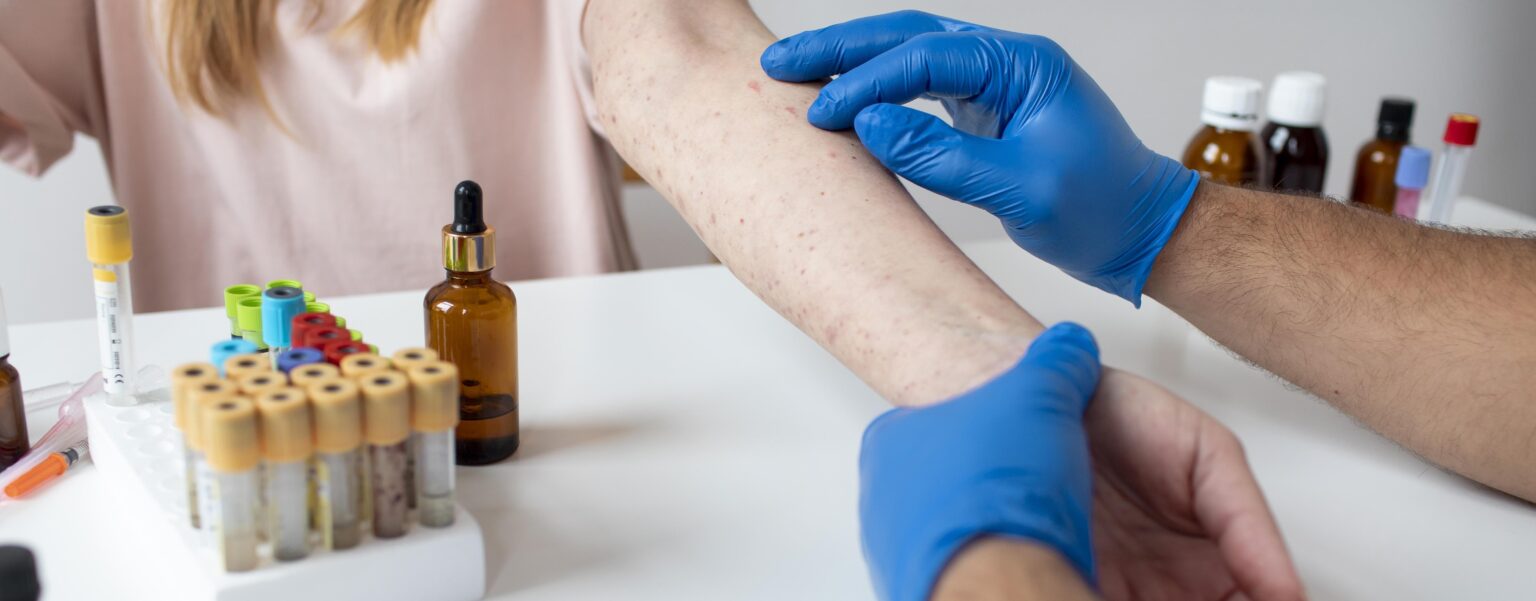
The hallmark sign is the erythema migrans (EM) rash, appearing in up to 80 % of infected individuals. It typically begins as a red macule at the bite site and expands over days, often developing a “bull’s‑eye” appearance with central clearing. Accompanying symptoms may include:
If untreated, bacteria disseminate via the bloodstream, leading to multiple systemic manifestations:
Chronic arthritis and neurocognitive deficits may develop, commonly termed “Lyme arthritis” or “post‑treatment Lyme disease syndrome.” Persistent fatigue, memory problems, and diffuse musculoskeletal pain are reported, though the exact pathophysiology remains under investigation.
While the overview and definition of Lyme disease emphasizes a stepwise progression, individual experiences can vary widely. Prompt recognition of early signs, especially the EM rash, dramatically improves therapeutic outcomes.
Diagnostic Approach: Tests and Evaluation
Accurate diagnosis of Lyme disease combines clinical assessment with laboratory testing. No single test is definitive; rather, a tiered algorithm enhances sensitivity and specificity.
The standard approach begins with an enzyme‑linked immunosorbent assay (ELISA) to detect IgM and IgG antibodies against B. burgdorferi. A positive or equivocal ELISA is followed by a confirmatory Western blot, which identifies specific protein bands.
Test | Purpose | Typical Sensitivity | Typical Specificity
|
|---|---|---|---|
ELISA (IgM/IgG) | Screening | 70‑80 % (early), >90 % (late) | 95 % |
Western Blot | Confirmation | 80‑90 % (late) | 98‑99 % |
Polymerase Chain Reaction (PCR) | Direct detection in synovial fluid or CSF | Variable, higher in joint fluid | High when positive |
When neurological or cardiac involvement is suspected, cerebrospinal fluid (CSF) analysis and electrocardiography become essential. Imaging modalities such as MRI may reveal meningeal enhancement or cranial nerve inflammation.
Clinical judgment remains paramount; serology can be negative in the early localized stage before antibodies develop. Therefore, a high index of suspicion based on exposure history and symptomatology is crucial.
Treatment Strategies: Antibiotics and Emerging Therapies
Antibiotic therapy is the cornerstone of Lyme disease management. Treatment regimens vary according to disease stage, symptom severity, and patient factors such as age and pregnancy.
Neurological involvement may require intravenous ceftriaxone 2 g daily for 14–28 days, while cardiac manifestations often respond to the same IV regimen.
Research is exploring the role of combination antibiotic therapy, anti‑inflammatory agents, and immunomodulators for persistent symptoms. Clinical trials investigating oral azithromycin‑based regimens and the use of corticosteroids for severe arthritis are ongoing, though current guidelines advise against routine use outside study protocols.
Patient education about medication adherence, potential side effects, and the expected timeline for symptom resolution is integral to successful outcomes. A clear overview and definition of treatment pathways helps international patients coordinate care with their home physicians and Liv Hospital specialists.
Prevention and Post‑Treatment Care
Preventing Lyme disease hinges on minimizing tick exposure and prompt removal of attached ticks. Travelers and residents in endemic areas should adopt the following measures:
Post‑treatment follow‑up is essential, especially for patients with lingering symptoms. Liv Hospital offers comprehensive after‑care, including repeat serologic testing, physiotherapy for joint involvement, and neurocognitive assessments when indicated.
Patients should be counseled that while most recover fully after appropriate antibiotic therapy, a minority may experience persistent fatigue or musculoskeletal pain. Ongoing research aims to clarify the mechanisms behind these post‑treatment syndromes, and multidisciplinary support can mitigate functional impact.
International Patient Considerations for Lyme Disease Management
For travelers and expatriates, navigating Lyme disease diagnosis and treatment across borders can be challenging. Liv Hospital’s 360‑degree international patient services streamline this process, ensuring continuity of care from the point of entry to follow‑up.
Logistical assistance—including airport transfers, accommodation near the hospital, and assistance with insurance documentation—ensures that international patients can focus on recovery without administrative burdens.
By integrating clinical excellence with personalized patient navigation, Liv Hospital embodies a holistic overview and definition of Lyme disease care that transcends geographic boundaries.
Why Choose Liv Hospital ?
Liv Hospital is a JCI‑accredited private facility in Istanbul, dedicated to delivering world‑class medical care to international patients. Our multidisciplinary team includes infectious disease experts, neurologists, cardiologists, and orthopedic surgeons experienced in managing complex Lyme disease cases. We provide a seamless patient journey—from visa assistance and airport transfers to interpreter‑supported consultations and comfortable accommodation options. Leveraging advanced diagnostics, state‑of‑the‑art treatment facilities, and a commitment to personalized care, Liv Hospital ensures that patients receive accurate diagnoses, effective therapies, and comprehensive follow‑up, all within a culturally sensitive environment.
Ready to take control of your health? Contact Liv Hospital today to schedule a personalized consultation with our infectious disease specialists and start your journey toward recovery.
Our dedicated international patient team will guide you through every step, from travel arrangements to post‑treatment follow‑up.

Send us all your questions or requests, and our expert team will assist you.
Within 3–30 days after a tick bite, up to 80 % of infected individuals develop an expanding red rash called erythema migrans. The rash may start as a small red macule and grow to several centimeters, sometimes showing central clearing. Common systemic symptoms at this stage include low‑grade fever, chills, headache, muscle aches, and generalized fatigue. Some patients also notice mild lymphadenopathy. Recognizing this combination of rash and flu‑like symptoms is crucial because early antibiotic therapy can prevent progression to more severe disease stages.
The bacterium Borrelia burgdorferi resides in the midgut of adult and nymphal Ixodes ticks. When a tick feeds on an infected small mammal, it acquires the spirochete. Human infection occurs most often during the nymph stage because the ticks are tiny and often go unnoticed. If the tick stays attached for at least 36–48 hours, the pathogen moves to the salivary glands and is injected into the host during feeding. Prompt removal of the tick within 24 hours dramatically reduces the risk of transmission.
Diagnosis begins with a clinical assessment based on exposure history and symptoms. The two‑tier algorithm starts with an ELISA to detect IgM and IgG antibodies against B. burgdorferi. If the ELISA is positive or equivocal, a Western blot is performed to identify disease‑specific protein bands, increasing specificity. Sensitivity varies: ELISA is 70‑80 % in early disease and >90 % later; Western blot reaches 80‑90 % in late disease. For neurological or cardiac involvement, cerebrospinal fluid analysis and PCR of synovial fluid or CSF can provide direct detection, though PCR sensitivity is variable. Imaging such as MRI may support diagnosis of neuro‑Lyme.
In the early localized and early disseminated stages, oral doxycycline 100 mg twice daily for 10–21 days is the preferred regimen for adults and children over 8 years. Patients who cannot tolerate doxycycline receive amoxicillin 500 mg three times daily or cefuroxime axetil 500 mg twice daily for a similar duration. When the infection involves the central nervous system or the heart, intravenous ceftriaxone 2 g daily for 14–28 days is recommended. Treatment length may be extended for persistent arthritis. Emerging therapies, such as combination antibiotics or adjunctive anti‑inflammatory agents, are under investigation but are not standard care.
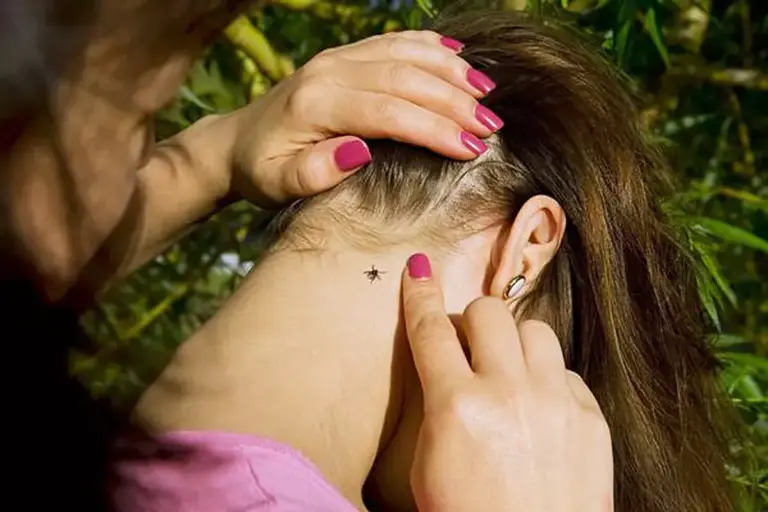
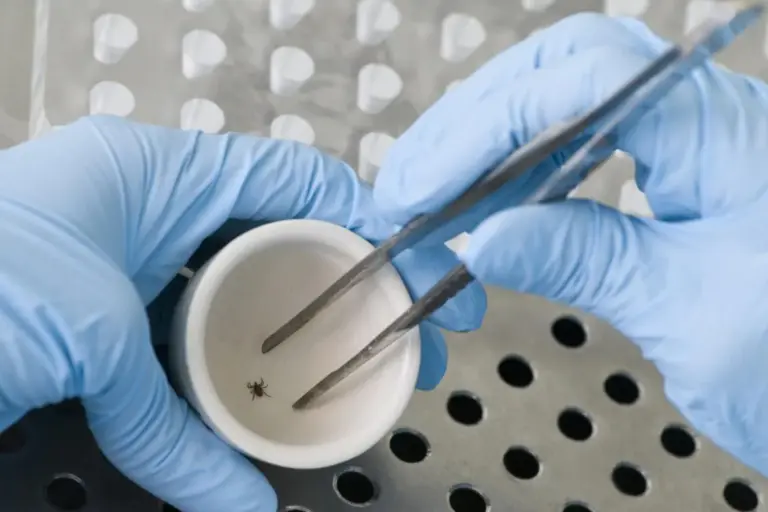
Travelers to endemic regions should apply DEET, picaridin, or IR3535 repellents to exposed skin and clothing. Wearing long sleeves, long pants, and tucking pants into socks reduces skin exposure. After outdoor activities, conduct a thorough body inspection, paying special attention to hidden areas such as the scalp, behind ears, and groin. If a tick is found, grasp it close to the skin with fine‑toothed tweezers and pull upward steadily; then clean the bite site. Showering within two hours of returning indoors can help dislodge unattached ticks. Landscape modifications, such as keeping grass trimmed and removing leaf litter, are useful for residents of endemic areas.

 Infectious Diseases
 Infectious Diseases
 Infectious Diseases
 Infectious Diseases
 Infectious Diseases
 Infectious DiseasesInfectious DiseasesInfectious DiseasesInfectious DiseasesInfectious DiseasesInfectious DiseasesInfectious Diseases
Leave your phone number and our medical team will call you back to discuss your healthcare needs and answer all your questions.
Your Comparison List (you must select at least 2 packages)