
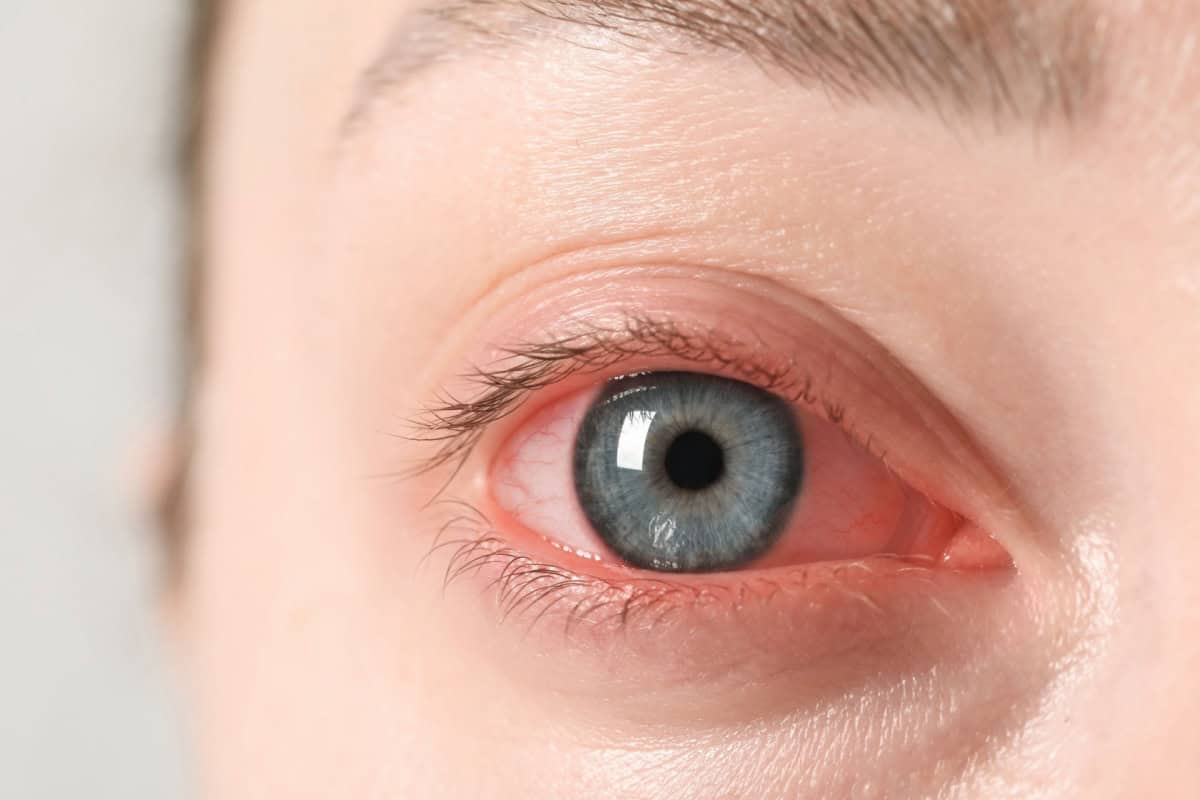
Allergic conjunctivitis, also known as allergic pink eye, is not contagious. It’s an inflammation of the conjunctiva caused by allergens like pollen, dust, and pet dander. Unlike viral or bacterial pink eye, it doesn’t spread easily from person to person. Is allergic conjunctivitis pink eye contagious? Learn the difference between viral infection and non-spreadable allergic irritation.
The Medical organization says pink eye is the inflammation or infection of the transparent membrane that lines your eyelid and eyeball. Knowing the difference between allergic and infectious forms of conjunctivitis is key for proper diagnosis and treatment.
We will look into the causes, symptoms, and treatment options for allergic conjunctivitis. This will help you tell it apart from other types of pink eye.
Key Takeaways
- Allergic conjunctivitis is not contagious.
- It’s caused by allergens like pollen, dust, and pet dander.
- Understanding the differences between allergic and infectious conjunctivitis is critical for proper diagnosis.
- Treatment options vary depending on the cause of conjunctivitis.
- Accurate diagnosis is essential for effective treatment.
Understanding Allergic Conjunctivitis
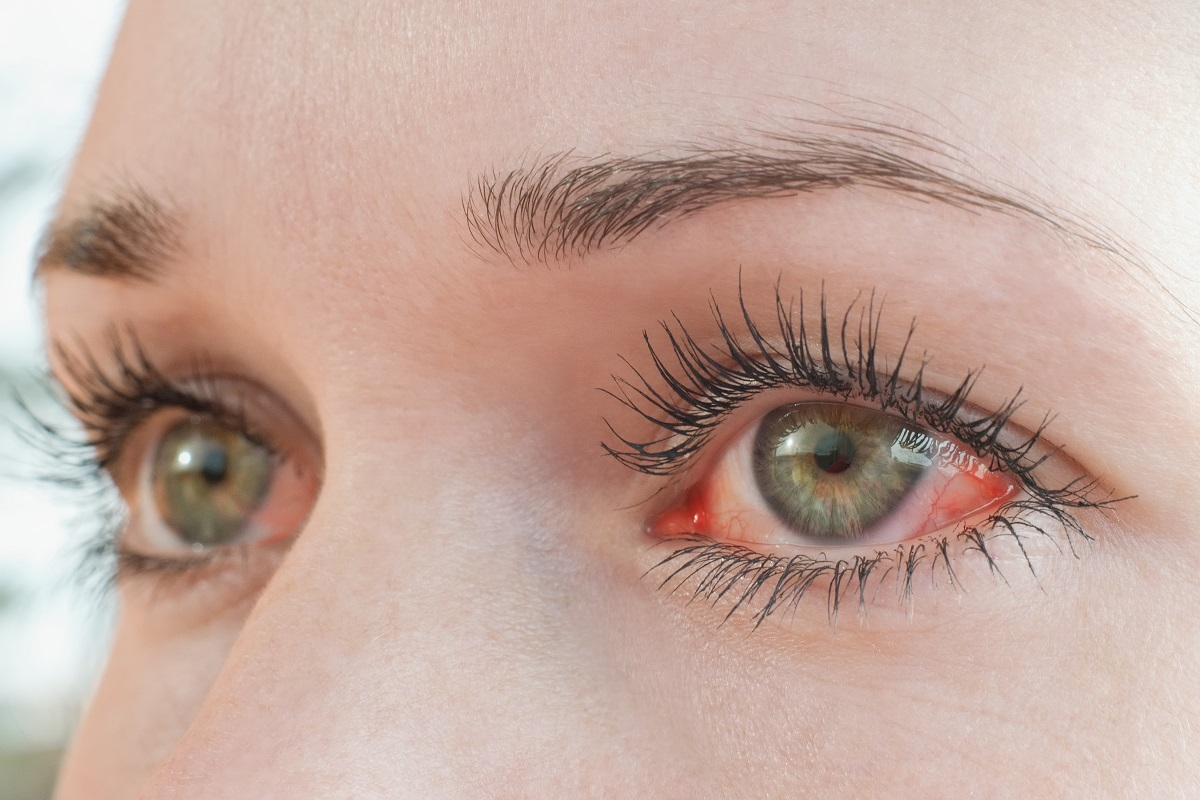
Allergic conjunctivitis is more than just a minor eye problem. It happens when the body reacts to certain allergens. This reaction causes inflammation in the conjunctiva, the thin membrane covering the eye and eyelids.
What Is Allergic Conjunctivitis?
Allergic conjunctivitis is an inflammatory response to allergens like pollen, pet dander, or dust mites. According to Northeast Allergy, these allergens trigger histamine and other chemicals. This leads to the symptoms of allergic conjunctivitis.
This condition is not contagious. It’s not spread from person to person. Instead, it’s the body’s immune system reacting to specific allergens.
The Immune Response Behind Allergic Pink Eye
The immune response behind allergic pink eye involves histamine and other chemicals from mast cells in the conjunctiva. This leads to blood vessel dilation. The eyes then become red, swollen, and itchy.
Understanding this immune response is key to finding effective treatments. These treatments aim to address the condition’s root cause.
Common Types of Allergic Conjunctivitis
There are several types of allergic conjunctivitis, including:
- Seasonal allergic conjunctivitis, triggered by pollen and other seasonal allergens.
- Perennial allergic conjunctivitis, caused by allergens present throughout the year, such as dust mites and pet dander.
- Vernal keratoconjunctivitis, a more severe form often associated with eczema and asthma.
Each type needs a specific management and treatment approach.
Is Allergic Conjunctivitis Pink Eye Contagious?
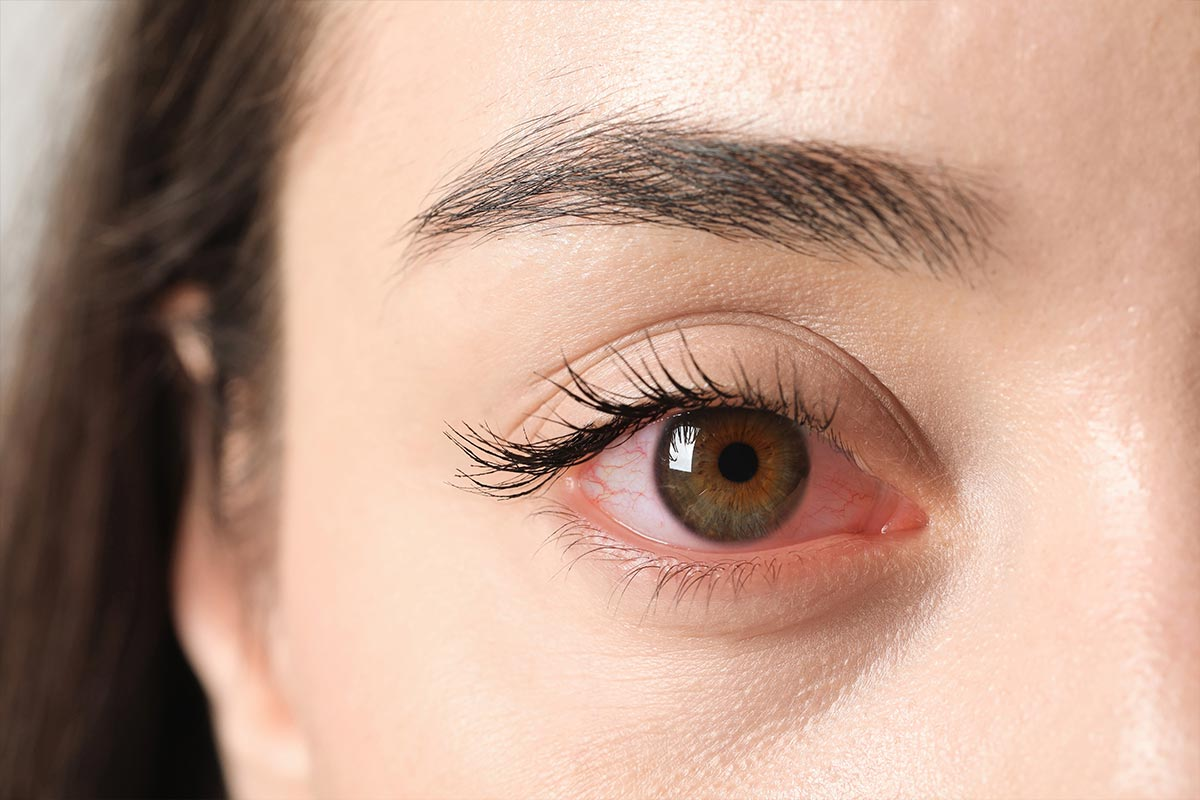
Many people wonder if allergic pink eye is contagious. Allergic conjunctivitis is not contagious. It’s a condition where the eyes get inflamed because of an allergic reaction.
The Non-Contagious Nature of Allergic Pink Eye
Allergic conjunctivitis happens when the eyes react to allergens like pollen or pet dander. This reaction makes the eyes red, itchy, and watery. The Medical organization says it’s not contagious because it’s not caused by a virus or bacteria.
The symptoms of allergic conjunctivitis can look like those of contagious pink eye. But, the cause is an allergic reaction, not an infection.
Why Allergic Reactions Cannot Be Transmitted
Allergic reactions are unique to each person and specific allergens. They can’t be passed from one person to another. When someone has allergic conjunctivitis, their immune system is reacting to an allergen, not a virus or bacteria.
It’s important to know the difference between allergic and infectious conjunctivitis. While infectious conjunctivitis spreads easily, allergic conjunctivitis does not. This is key to managing the condition and easing worries about spreading it.
Dispelling Common Misconceptions
Some think that if someone in your household has pink eye, you’ll get it too. But, if it’s allergic, you can’t catch it from them. You might, though, get exposed to the same allergen, which could make you react too.
Knowing that allergic conjunctivitis isn’t contagious can help reduce worry. It lets people focus on managing their symptoms and avoiding allergens. It’s best to talk to a healthcare professional to figure out what’s causing your symptoms and get the right treatment.
Causes of Allergic Conjunctivitis
Knowing what causes allergic conjunctivitis is key to managing symptoms and avoiding future issues. This condition, also known as allergic pink eye, happens when the body reacts to certain allergens.
Outdoor Allergens: Pollen, Mold Spores
Outdoor allergens are big triggers for allergic conjunctivitis. Pollen from trees, grasses, and weeds is a major offender, mainly in spring and early summer. According to Northeast Allergy, pollen is a top allergen causing reactions. Mold spores also play a role, worsening symptoms in damp places.
Indoor Allergens: Dust Mites, Pet Dander
Indoor allergens are just as bad for those with allergic conjunctivitis. Dust mites, tiny creatures in bedding, carpets, and furniture, are common allergens. Their waste can make eyes itch. Pet dander, tiny skin flakes from pets, is another indoor allergen causing allergic pink eye.
Chemical Irritants and Contact Lens Solutions
Chemical irritants and some contact lens solutions can also trigger allergic conjunctivitis. Preservatives in eye drops or contact lens care can irritate eyes, leading to allergic reactions. It’s important for contact lens wearers to check their lens care product ingredients.
|
Allergen/Type |
Common Sources |
Prevention Measures |
|---|---|---|
|
Pollen |
Outdoor plants, trees, grasses |
Stay indoors during peak pollen hours, use HEPA filters |
|
Dust Mites |
Bedding, carpets, upholstered furniture |
Use allergen-proof bedding, vacuum regularly with HEPA filters |
|
Pet Dander |
Pets, specially cats and dogs |
Bathe pets regularly, use HEPA air purifiers |
|
Chemical Irritants |
Preservatives in eye drops, contact lens solutions |
Choose preservative-free products, consult with an eye care professional |
By understanding the causes of allergic conjunctivitis, people can take steps to reduce their exposure to allergens. This helps manage symptoms and prevent future problems.
Seasonal vs. Perennial Allergic Conjunctivitis
Seasonal and perennial allergic conjunctivitis differ in when symptoms appear. Various allergens can cause these symptoms, leading to either short-term or ongoing issues.
Spring and Summer Allergic Eye Symptoms
In spring and summer, outdoor allergens like pollen often trigger allergic conjunctivitis. Symptoms include itchy, red, and watery eyes. These can be tough for people with allergies.
Pollen counts increase, making allergic reactions worse. Tree pollen in spring and grass pollen in summer are common offenders. To manage symptoms, a mix of avoiding allergens and medical treatments is often needed.
Year-Round Allergic Eye Conditions
Perennial allergic conjunctivitis happens all year, often due to dust mites, pet dander, and mold indoors. Symptoms can last long and don’t follow a seasonal pattern like outdoor allergens do.
Those with perennial allergic conjunctivitis may face ongoing eye discomfort. It’s key to find and reduce exposure to the allergens causing the issue.
Tracking Your Allergic Conjunctivitis Patterns
Knowing if your allergic conjunctivitis is seasonal or perennial is vital. Keeping a symptom diary can help spot patterns and triggers.
By tracking symptoms and possible causes, you can better prepare for and handle your allergic conjunctivitis. This proactive step can greatly enhance life quality for those dealing with pink eye allergies.
Recognizing Allergic Pink Eye Symptoms
Knowing the signs of allergic pink eye is key to telling it apart from other eye infections. It shows up as red, itchy, watery, and swollen eyes. These signs happen because your body reacts to certain allergens.
Characteristic Signs: Redness, Itching, Tearing
Allergic pink eye is marked by red, itchy, and watery eyes. The Medical organization says it also causes burning and swollen eyelids. The itchiness can be very uncomfortable.
Common symptoms include:
- Redness of the eyes
- Intense itching
- Excessive tearing
- Swollen eyelids
- Burning sensation
Differences Between Allergic and Infectious Discharge
One big difference is the discharge type. Allergic pink eye has clear, watery discharge. But, infectious conjunctivitis has thick, yellow or green discharge.
|
Characteristic |
Allergic Conjunctivitis |
Infectious Conjunctivitis |
|---|---|---|
|
Discharge Type |
Clear, watery |
Thick, yellow or green |
|
Itching |
Present |
May be present |
|
Redness |
Present |
Present |
Accompanying Allergy Symptoms
Allergic pink eye often comes with other allergy symptoms. These can be sneezing, nasal congestion, and an itchy throat. Spotting these symptoms can help diagnose allergic conjunctivitis.
“Allergic conjunctivitis is often associated with other allergic conditions such as allergic rhinitis and asthma.”
– American Academy of Ophthalmology
Contagious Forms of Pink Eye
Allergic conjunctivitis isn’t contagious, but other pink eye types can spread easily. Knowing the differences helps us take the right steps to stay safe.
Bacterial Conjunctivitis: Highly Contagious
Bacterial conjunctivitis comes from bacteria like Staphylococcus aureus or Streptococcus pneumoniae. It’s very contagious and spreads through touching infected eye discharge. Sharing makeup or touching your eyes and then others can spread it fast.
Viral Conjunctivitis: Easily Transmitted
Viral conjunctivitis, often from adenovirus, is also very contagious. It spreads quickly through touching an infected person or touching things they’ve touched. It’s a big problem in crowded places or during outbreaks.
How Infectious Pink Eye Spreads
Infectious pink eye spreads in several ways. Common ways include:
- Direct contact with an infected person’s eye discharge
- Touching things that have the virus
- Sharing things like towels or makeup
- Being in close contact in crowded areas or during outbreaks
Knowing how pink eye spreads helps us prevent it. Simple steps like washing hands often, staying away from sick people, and keeping clean can help a lot.
Diagnosing Different Types of Conjunctivitis
Diagnosing conjunctivitis means looking closely at the cause. This is key to finding the right treatment.
Medical Evaluation Process
We start with a detailed medical history and physical check-up. This helps us spot possible causes like allergens or infections. We look for signs like redness, itching, and discharge.
We also ask about allergies, recent sicknesses, and exposure to irritants. This information is vital.
- Review of medical history
- Physical examination of the eyes
- Questions about symptoms and possible exposures
Tests to Identify Allergic Triggers
To find out what’s causing the allergy, we might do skin or blood tests. These tests show which allergens are at fault. Common culprits include pollen, dust mites, and pet dander.
Ruling Out Infectious Causes
We also check for infections with lab tests, like eye discharge cultures. This helps us tell if it’s an allergy or an infection. The right treatment depends on it.
Key diagnostic tests include:
- Culture tests to identify bacterial or viral infections
- Blood tests to check for signs of infection or inflammation
- Skin tests to identify specific allergens
By using these tests and the patient’s history and symptoms, we can pinpoint the conjunctivitis type. Then, we can create a treatment plan that works.
Risk Factors for Developing Allergic Conjunctivitis
Several factors can increase your chance of getting allergic conjunctivitis. These include your genes, the environment, and your lifestyle. If you or your family members have allergies, you’re more likely to get it. Studies show that people with allergies, asthma, or eczema are at higher risk.
Personal and Family History of Allergies
Having allergies in your family raises your risk. If your parents have allergies, you might get them too. “A family history of allergies is a strong predictor of developing allergic diseases,” doctors say. This means people with allergy history should be careful and take steps to prevent it.
Asthma and Eczema Connection
Asthma and eczema often go hand in hand with allergic conjunctivitis. If you have these conditions, you’re more likely to get allergic conjunctivitis. The reason is the same: allergic inflammation in all three diseases. Medical Expert, a leading allergist, states, “Patients with asthma and eczema should be monitored for signs of allergic conjunctivitis due to the shared allergic pathways.”
Environmental and Lifestyle Factors
Things around you and how you live can also affect your risk. Pollen, dust mites, and pet dander can cause allergic reactions. Wearing contact lenses, using certain eye products, or being exposed to chemicals can also increase your risk. It’s important to know these factors and try to avoid them.
Knowing these risk factors can help you prevent allergic conjunctivitis. Avoid allergens, keep your eyes clean, and see a doctor if symptoms don’t go away.
Treatment Options for Allergic Conjunctivitis
There are many ways to treat allergic conjunctivitis. It involves both medical treatments and comfort measures. Knowing these options helps manage the condition better.
Antihistamine Eye Drops and Oral Medications
Antihistamine eye drops are a common treatment. They block histamine, a chemical that causes allergic reactions. Oral antihistamines help when the allergy is more widespread.
Benefits of Antihistamine Treatments:
- Quick relief from itching and redness
- Effective for managing both eye and systemic allergy symptoms
- Available over-the-counter or by prescription
Mast Cell Stabilizers and Anti-Inflammatory Treatments
Mast cell stabilizers are also important. They stop mast cells from releasing mediators, reducing the allergic reaction. For severe cases, anti-inflammatory treatments like corticosteroid eye drops are used.
|
Treatment |
Mechanism of Action |
Use Case |
|---|---|---|
|
Antihistamine Eye Drops |
Block histamine release |
Relieve itching and redness |
|
Mast Cell Stabilizers |
Prevent mediator release from mast cells |
Reduce allergic response |
|
Corticosteroid Eye Drops |
Suppress inflammation |
Severe allergic conjunctivitis |
Home Remedies and Comfort Measures
Home remedies and comfort measures also help. Cold compresses reduce swelling. Artificial tears flush out allergens. Avoid rubbing your eyes.
Combining these treatments and comfort measures helps manage allergic conjunctivitis. It reduces symptoms’ impact on daily life.
Preventing Allergic Conjunctivitis Flare-Ups
To prevent allergic conjunctivitis, making lifestyle changes and using protective strategies is key. Knowing what triggers it and taking steps to avoid them can help. This way, people can lessen the chances of getting allergic pink eye symptoms.
Allergen Avoidance Strategies
Avoiding allergens is a big step in preventing allergic conjunctivitis. For pollen, staying inside during peak hours and using air purifiers helps. For dust mites and pet dander, cleaning regularly and using allergen-proof bedding is advised.
Key allergen avoidance strategies include:
- Monitoring pollen counts and staying indoors when counts are high
- Using HEPA filters in air conditioning and vacuum cleaners
- Regularly cleaning surfaces and washing bedding in hot water
- Reducing exposure to pets if you have pet allergies
Protective Eyewear and Hygiene Practices
Wearing protective eyewear can block allergens from reaching your eyes. Wraparound sunglasses are great because they cover the sides. Also, good hygiene, like washing hands often and not rubbing your eyes, can help prevent flare-ups.
Good hygiene practices to adopt:
- Washing hands before touching your face or eyes
- Avoiding sharing makeup or makeup brushes
- Regularly cleaning eyeglasses and contact lenses
Preventive Medications During High-Risk Seasons
For those who get allergic conjunctivitis seasonally, using preventive meds before and during peak seasons helps. Antihistamine eye drops and mast cell stabilizers can manage symptoms when used correctly.
Preventive medication options include:
- Antihistamine eye drops to relieve itching and redness
- Mast cell stabilizers to prevent the release of histamine
- Oral antihistamines for broader allergy symptom control
By using these strategies, people can prevent or lessen allergic conjunctivitis flare-ups. This improves their life quality during allergy season.
Conclusion
It’s important to know if allergic conjunctivitis is contagious. We’ve found out it’s not. This condition happens when your body reacts to things like pollen or pet dander.
Knowing the difference between allergic and infectious conjunctivitis is key. The latter can spread easily. By understanding symptoms and causes, you can manage your condition better. Treatments like eye drops and pills can help ease symptoms.
To avoid allergic conjunctivitis, stay away from allergens and use protective measures. Knowing the difference between types of pink eye helps you manage it better. Remember, allergic conjunctivitis isn’t contagious. With the right care, you can feel better and live better.
FAQ
Is allergic conjunctivitis contagious?
No, allergic conjunctivitis is not contagious. It happens when your body reacts to things like pollen or pet dander. You can’t pass it to others.
What causes allergic pink eye?
Allergic pink eye comes from an allergic reaction. This can be to pollen, dust mites, or pet dander. Chemicals and contact lens solutions can also cause it.
How do I know if my pink eye is allergic or infectious?
Allergic pink eye makes your eyes itch, feel red, and tear up. Infectious pink eye has thick, yellow or green discharge. If you’re not sure, see a doctor.
Can allergic conjunctivitis be treated?
Yes, you can treat allergic conjunctivitis. Use antihistamine eye drops, mast cell stabilizers, or take oral meds. Cold compresses and avoiding allergens can also help.
How can I prevent allergic conjunctivitis flare-ups?
To avoid flare-ups, stay away from allergens and wear protective eyewear. Use preventive meds in high-risk seasons. Keeping clean and practicing good hygiene also helps.
Is pink eye from allergies contagious to others?
No, pink eye from allergies isn’t contagious. But, if you have pink eye, see a doctor. They can check if it’s infectious, which can spread.
What are the risk factors for developing allergic conjunctivitis?
If you have allergies, asthma, or eczema, you’re more likely to get allergic conjunctivitis. Being around allergens also increases your risk.
Can I have both allergic and infectious conjunctivitis at the same time?
It’s rare but possible to have both at once. A doctor can diagnose and treat both conditions.
How is allergic conjunctivitis diagnosed?
Doctors diagnose allergic conjunctivitis by looking at your symptoms and medical history. They might do tests to find out what’s causing it and rule out infections.
References
National Health Service (NHS). Allergic Conjunctivitis: Non-Contagious Inflammation from Allergens. Retrieved from https://www.nhs.uk/conditions/allergic-conjunctivitis/