
Clear the confusion! Find out: is aplastic anemia is a cancer and discover who is most at risk for developing this serious blood disorder.
Aplastic anemia is a rare and serious blood disorder. It affects how blood cells are made. Studies have found that certain ages, genetics, and environmental factors increase the risk.
Two age groups are most at risk: people under 30 and those over 60. The number of cases varies worldwide. In East and Southeast Asia, the rates are higher.
Knowing who is at risk is key to catching aplastic anemia early. Factors like chemicals, radiation, and viruses play a big role. Understanding these can help in treating the condition.
Key Takeaways
- Aplastic anemia affects two main age groups: under 30 and over 60.
- The condition’s incidence varies globally, with higher rates in East and Southeast Asia.
- Exposure to chemicals, radiation, and viral infections are significant risk factors.
- Early diagnosis and understanding of risk factors are critical for effective treatment.
- Aplastic anemia is a rare but life-threatening disorder.
Understanding Aplastic Anemia
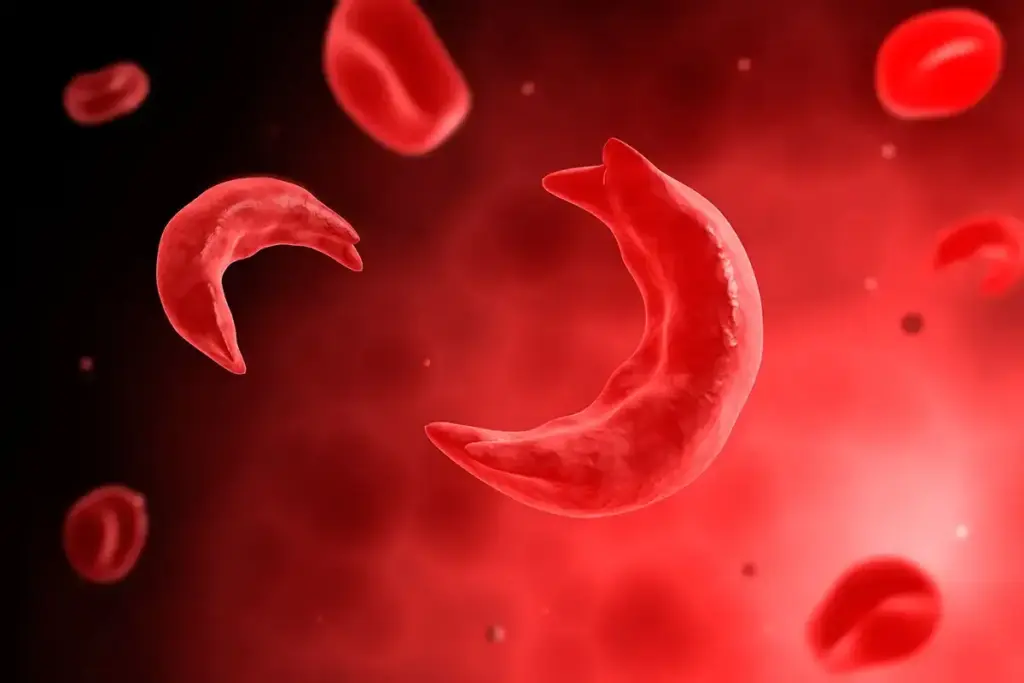
Aplastic anemia is a rare and serious condition. It happens when the bone marrow can’t make enough blood cells. This leads to a big drop in red, white blood cells, and platelets.
Definition and Basic Mechanism
Aplastic anemia is when the bone marrow can’t make enough blood cells. Aplastic anemia damages the stem cells within the bone marrow. The exact cause is often unknown, but it’s thought to be a mix of genetics and environment.
Some chemicals, radiation, and viruses can cause it. Chemicals like benzene, pesticides, and exposure to radiation therapy can all adversely affect the bone marrow. Viruses like hepatitis and HIV can also mess with bone marrow.
Impact on Bone Marrow Function
The bone marrow is key for making blood cells. In aplastic anemia, it can’t do this well. This causes:
- Anemia from not enough red blood cells
- Higher risk of infections from low white blood cells
- Bleeding problems from too few platelets
Understanding how aplastic anemia impacts bone marrow function is essential for identifying effective treatments. We’ll look at these treatments next.
Is Aplastic Anemia a Cancer?

Many people wonder if aplastic anemia is a type of cancer. But, it’s important to know they are not the same. Aplastic anemia is a rare blood disorder where the bone marrow can’t make enough blood cells.
Distinguishing Between Aplastic Anemia and Cancer
Aplastic anemia and cancer are different in how they affect the body. Cancer is when cells grow out of control. Aplastic anemia is when the bone marrow can’t make enough blood cells.
Key differences include how the bone marrow works. In aplastic anemia, the marrow can’t make new blood cells. In cancer, like leukemia, the marrow makes bad cells that take over.
Common Misconceptions
There is a common misconception that aplastic anemia may lead to cancer. But, they have different causes and ways to find out if you have them. Aplastic anemia might come from immune problems, toxins, or viruses. Cancer is caused by genetic changes that let cells grow too much.
Why the Confusion Exists
People might get confused because both can affect the bone marrow. They might need treatments that weaken the immune system or transplant bone marrow. But, the treatments and outlooks are very different.
It is crucial to understand that aplastic anemia is distinct from cancer. This helps patients get the right care. By clearing up these differences, we aim to help patients find the right path for diagnosis and treatment.
Age-Related Risk Factors
It’s important to know the age-related risk factors for aplastic anemia. We look at how age affects different groups.
Bimodal Age Distribution
Aplastic anemia has a bimodal age distribution. It affects people under 30 and those over 60. This shows age is a big factor in getting this condition.
Risk in Young Adults Under 30
Young adults under 30 face a higher risk of aplastic anemia. This is due to genetics and environmental toxins. Knowing these risks helps us act fast.
Risk in Older Adults Over 60
Older adults over 60 also face a higher risk. This is because bone marrow function declines with age. They may also have been exposed to harmful substances over time. Understanding these risks helps manage the condition better.
By knowing the age-related risk factors and the bimodal age distribution, we can spot who’s at risk. Then, we can offer the right care and support.
Geographical and Ethnic Distribution
The global spread of aplastic anemia shows interesting patterns linked to where people live and their ethnicity. This condition makes it hard for the bone marrow to make blood cells. Its occurrence changes a lot around the world.
Global Incidence Patterns
Research shows aplastic anemia isn’t spread evenly worldwide. Regional variations in how often it happens have been found. Some groups get it more often than others. This hints at both genes and environment affecting aplastic anemia.
Higher Rates in East and Southeast Asia
In East and Southeast Asia, aplastic anemia is more common than in Western countries. Epidemiological studies show it’s two to three times more common there. The exact reasons are unclear but might involve genes, environment, or both.
Impact of Genetic Consanguinity
Genetic consanguinity, or marrying close relatives, also affects aplastic anemia rates. In places where this is common, aplastic anemia happens more often. This points to genetic factors being key in causing the condition. The increased rates might be because of genes that affect bone marrow.
Knowing where aplastic anemia is more common helps in making better health plans. It also improves how we diagnose and treat it for those affected.
Gender Distribution in Aplastic Anemia
It’s important to know how gender affects aplastic anemia. This condition happens when the bone marrow can’t make enough blood cells. This leads to serious health problems.
Equality in Incidence
Research shows that aplastic anemia affects both men and women equally. Studies found no big difference in how often it happens in each gender. This means men and women face the same risk of getting aplastic anemia.
Evidence of Slight Male Predominance
Some studies hint at a slight edge for men in getting aplastic anemia. The difference is small, but it shows there might be a gender difference in risk. Scientists are looking into this more.
Biological Factors
Many biological factors could explain the gender differences in aplastic anemia. These include genetic differences, hormones, and environmental factors. Knowing about these is key to understanding the condition better.
For example, some genetic conditions are more common in men and might raise their risk. Also, differences in lifestyle or work exposures could affect gender distribution.
Medication-Related Risk Factors
Certain medications can increase the risk of aplastic anemia. We will look at specific drugs linked to this condition. We will also explore how these drugs can harm the bone marrow.
Chloramphenicol and Antibiotic Risks
Chloramphenicol, a broad-spectrum antibiotic, can cause aplastic anemia in some patients. The risk is higher with long-term or high-dose use. Other antibiotics may also pose a risk, but the evidence is not as strong as for chloramphenicol.
Table: Antibiotics Associated with Aplastic Anemia
|
Antibiotic |
Risk Level |
Comments |
|---|---|---|
|
Chloramphenicol |
High |
Well-documented risk; dose-dependent |
|
Other broad-spectrum antibiotics |
Variable |
Risk not as well quantified |
Gold Compounds and Other Medications
Gold compounds, used for rheumatoid arthritis, increase the risk of aplastic anemia. Other drugs, like certain anticonvulsants and anti-inflammatory drugs, have also been linked to this condition.
“The use of gold compounds in rheumatoid arthritis has been associated with a range of hematologic side effects, including aplastic anemia.”
Mechanisms of Drug-Induced Aplastic Anemia
The exact ways drugs cause aplastic anemia are not fully known. It’s thought that these drugs can trigger an immune response against the bone marrow. They can also directly harm the marrow cells.
It’s important to know the risks of certain medications to prevent and catch aplastic anemia early. Healthcare providers should watch patients closely on these drugs.
Chemical Exposure Risks
Working with hazardous chemicals can increase the risk of aplastic anemia. We look at the chemicals and jobs that raise this risk.
Benzene and Industrial Chemicals
Benzene is a chemical linked to aplastic anemia. It’s used in manufacturing and the petroleum industry. Prolonged exposure to benzene can harm the bone marrow, leading to aplastic anemia.
Other chemicals, like solvents and fuels, also raise the risk. We talk about how these chemicals affect the bone marrow and ways to reduce exposure.
Pesticides and Agricultural Exposures
Pesticides are chemicals that increase the risk of aplastic anemia. Agricultural workers are at high risk. Epidemiological studies show a link between pesticide use and aplastic anemia in rural areas.
The exact way pesticides harm the bone marrow is not clear. But, they can affect the bone marrow’s blood cell production.
Occupational Risk Assessment
Understanding the risk of aplastic anemia in work settings is key. It involves knowing the chemicals used, how long workers are exposed, and safety measures. Workers in high-risk jobs, like manufacturing and mining, should be watched for bone marrow problems.
We stress the need for strict safety protocols and regular health checks for workers at risk. This helps prevent and catch aplastic anemia early.
Radiation and Chemotherapy as Risk Factors
Radiation therapy and chemotherapy are lifesaving for cancer patients. Yet, they can also increase the risk of aplastic anemia. These treatments target fast-growing cancer cells but can harm the bone marrow’s blood cell production.
Prior High-Dose Radiation Exposure
High-dose radiation is a major risk for aplastic anemia. It can damage the bone marrow severely, leading to less blood cell production. This damage might cause aplastic anemia.
Research shows that the risk of aplastic anemia grows with the radiation dose. The more and longer the radiation, the worse the bone marrow damage.
Chemotherapy-Induced Bone Marrow Damage
Chemotherapy is also a big risk for aplastic anemia. Chemotherapy kills fast-growing cells, including cancer and bone marrow cells. This can lead to bone marrow suppression.
The risk of aplastic anemia from chemotherapy depends on the type and dose. Some chemotherapy regimens are more likely to cause severe bone marrow suppression.
Timeline and Dose Relationships
The dose and duration of radiation and chemotherapy are key to understanding aplastic anemia risk. Generally, higher doses and longer treatments increase the risk of bone marrow damage.
Knowing how dose and duration affect aplastic anemia risk is vital. Healthcare providers must weigh cancer treatment benefits against bone marrow risks carefully.
|
Risk Factor |
Impact on Bone Marrow |
Risk Level |
|---|---|---|
|
High-Dose Radiation |
Severe damage to bone marrow cells |
High |
|
Chemotherapy |
Suppression of bone marrow activity |
Variable, depending on regimen |
|
Combination Therapy |
Enhanced risk of bone marrow failure |
High to Very High |
Understanding radiation and chemotherapy risks helps healthcare providers. They can watch for bone marrow failure signs and reduce these risks.
Viral Infections and Aplastic Anemia
Research shows that certain viral infections can cause aplastic anemia by harming the bone marrow. Aplastic anemia is a serious condition where the bone marrow can’t make blood cells. This leads to severe health problems. We will look at how viral infections lead to aplastic anemia, focusing on different viruses.
Hepatitis Viruses
Hepatitis viruses are linked to a higher risk of aplastic anemia. Studies indicate that these viruses can cause bone marrow failure. The risk is higher with hepatitis B and C infections, which are common worldwide.
Epstein-Barr Virus
The Epstein-Barr virus (EBV), which causes infectious mononucleosis, is also linked to aplastic anemia. EBV can infect B lymphocytes and lead to bone marrow suppression. The immune response to EBV can destroy bone marrow cells, causing aplastic anemia.
HIV and Other Viral Associations
HIV infection is a major risk factor for aplastic anemia. HIV can harm the bone marrow, reducing blood cell production. Other viruses, like parvovirus B19, can cause temporary aplastic crises, mainly in those with hemolytic conditions.
Mechanisms of Virus-Induced Bone Marrow Failure
The ways viruses cause bone marrow failure are complex. Viruses can directly infect bone marrow cells, causing their destruction or dysfunction. Immune responses to viral infections also play a key role, as they can target the bone marrow, leading to aplastic anemia.
Understanding the link between viral infections and aplastic anemia is key to finding effective treatments. More research is needed to uncover the exact mechanisms and find new treatments.
Genetic Predisposition and Inherited Syndromes
Genetic factors play a big role in the risk of getting aplastic anemia. This includes inherited syndromes like Fanconi anemia. We’ll look into how these genetic factors lead to aplastic anemia.
Fanconi Anemia
Fanconi anemia is a rare genetic disorder. It causes bone marrow failure, birth defects, and a higher risk of cancer. It’s passed down in an autosomal recessive pattern, meaning a child needs two bad genes to have it.
Key Features of Fanconi Anemia:
- Congenital abnormalities
- Bone marrow failure
- Increased cancer risk
- Genetic testing for diagnosis
Telomerase Gene Defects
Telomerase is key for keeping telomeres long. Problems with telomerase genes can cause aplastic anemia. This is because it leads to telomeres getting too short and the bone marrow failing.
Telomerase gene defects really affect aplastic anemia. They make it hard for the bone marrow to regrow.
Other Inherited Bone Marrow Failure Syndromes
Other syndromes like Dyskeratosis Congenita and Shwachman-Diamond Syndrome can also cause bone marrow failure. These conditions show how important genetics are in aplastic anemia.
|
Inherited Syndrome |
Key Characteristics |
Risk of Aplastic Anemia |
|---|---|---|
|
Fanconi Anemia |
Congenital anomalies, bone marrow failure, increased cancer risk |
High |
|
Dyskeratosis Congenita |
Nail dystrophy, oral leukoplakia, bone marrow failure |
Moderate to High |
|
Shwachman-Diamond Syndrome |
Exocrine pancreatic insufficiency, bone marrow failure, skeletal abnormalities |
Moderate |
It’s key to understand these genetic factors and syndromes for early diagnosis and treatment of aplastic anemia. We need to think about these when checking patients, and kids in particular, to give them the right care and support.
Recognizing Symptoms and Diagnosis
It’s important to spot the signs of aplastic anemia early. This rare condition stops the bone marrow from making blood cells. Knowing the symptoms can help start treatment sooner.
Early Warning Signs
The first signs of aplastic anemia can be tricky to spot. They might look like other health issues. Common signs include:
- Fatigue and weakness from not enough red blood cells
- Frequent infections because of low white blood cells
- Bleeding or bruising easily due to low platelets
These symptoms can be like those of other diseases. So, seeing a doctor is key.
Diagnostic Procedures
To diagnose aplastic anemia, doctors use several tests:
|
Diagnostic Test |
Purpose |
|---|---|
|
Blood Tests |
To check for low blood cell counts |
|
Bone Marrow Biopsy |
To examine the bone marrow for aplasia |
|
Cytogenetic Analysis |
To identify any chromosomal abnormalities |
These tests help confirm the diagnosis and rule out other conditions.
Differential Diagnosis Challenges
Differential diagnosis is key in telling aplastic anemia apart from other bone marrow issues. Challenges include:
- Distinguishing aplastic anemia from other causes of bone marrow failure
- Identifying underlying causes or triggers
A detailed diagnostic process is vital for accurate diagnosis and treatment of aplastic anemia.
Idiopathic Aplastic Anemia
About 65% of aplastic anemia cases are idiopathic, meaning we don’t know what causes them. This shows how hard it is to find and treat this disease.
Understanding Unexplained Cases
Idiopathic aplastic anemia is when we can’t find the cause, even after looking hard. We look at different things that might cause it.
It’s hard to understand idiopathic aplastic anemia because it involves many factors. We’re studying genetics, environment, and the immune system to learn more.
Potential Autoimmune Mechanisms
Some research suggests that the immune system might attack the bone marrow in some cases. This could lead to aplastic anemia.
Studies show that some patients with idiopathic aplastic anemia get better with immunosuppressive therapy. This supports the idea that autoimmunity plays a role.
|
Mechanism |
Description |
Potential Impact |
|---|---|---|
|
Autoimmune |
Immune system targets bone marrow |
Effective immunosuppressive therapy |
|
Genetic |
Inherited mutations affecting bone marrow |
Potential for gene therapy |
|
Environmental |
Exposure to chemicals or radiation |
Risk reduction through avoidance |
Research Directions in Idiopathic Cases
Research on idiopathic aplastic anemia is ongoing. It includes genetic studies, looking at the immune system, and checking the environment. Finding the causes is key to creating better treatments.
We’re getting closer to understanding idiopathic aplastic anemia. This will help us find new ways to treat it and improve patient care.
Treatment Options and Survival Rates
It’s important to know about the different treatments for aplastic anemia. The right treatment depends on how severe the disease is, the patient’s age, and their health.
Stem Cell Transplantation
Stem cell transplantation can cure aplastic anemia. It replaces damaged bone marrow with healthy stem cells from a donor. Thanks to new techniques, this treatment is getting better.
The success of this treatment depends on the donor and recipient matching well. Improvements in HLA typing and immunosuppressive regimens have made this treatment more effective.
Immunosuppressive Therapy
For those who can’t or don’t want to get a stem cell transplant, immunosuppressive therapy is an option. It helps the bone marrow recover by reducing the immune system’s attack.
Antithymocyte globulin (ATG) and cyclosporine are often used. Together, they help many patients get better.
Supportive Care Approaches
Supportive care is key in managing aplastic anemia. It helps ease symptoms and prevent problems. This includes blood transfusions and antibiotics to fight infections.
It’s also important to watch for signs of bleeding or infection. Quick action is vital to avoid serious issues.
Improvements in Long-term Survival
New treatments have greatly improved survival rates for aplastic anemia patients. Studies show a big increase in survival rates over the years.
|
Treatment Modality |
5-Year Survival Rate |
|---|---|
|
Stem Cell Transplantation |
70-80% |
|
Immunosuppressive Therapy |
60-70% |
|
Supportive Care |
40-50% |
The table shows stem cell transplantation has the best survival rates. Immunotherapy comes next. Supportive care is important for managing the disease.
“The treatment of aplastic anemia has become more effective with the advent of new therapies and improved supportive care. Patients now have a better chance of achieving long-term survival and improved quality of life.”
—Hematologist
We’re seeing more progress in treating aplastic anemia. This gives patients new hope. Knowing about the treatments helps patients and doctors make better choices.
Conclusion: Living with Aplastic Anemia
Aplastic anemia is a complex condition with many risk factors and demographics. Knowing these is key for early diagnosis and effective management. Thanks to advances in treatment, outcomes for those affected have greatly improved.
Managing aplastic anemia requires a detailed approach. This includes regular check-ups and sticking to treatment plans. With better stem cell transplants, immunosuppressive therapy, and supportive care, the outlook for those with aplastic anemia has brightened.
Research is ongoing to find new treatments and management strategies for aplastic anemia. This gives hope for even better care and outcomes in the future. As we learn more about this condition, we can better support those living with aplastic anemia.
FAQ
What is aplastic anemia?
Aplastic anemia is a rare blood disorder. It happens when the bone marrow can’t make blood cells. This includes red and white blood cells and platelets.
Is aplastic anemia a type of cancer?
No, it’s not cancer. Aplastic anemia is when the bone marrow fails to make blood cells. Cancer is when cells grow too much.
What are the risk factors for developing aplastic anemia?
Certain chemicals, radiation, and viral infections can increase the risk. Also, some medications and genetic factors play a role.
Which age groups are most at risk for aplastic anemia?
Young adults under 30 and older adults over 60 are most at risk. These age groups have a higher risk.
Are there geographical or ethnic variations in the incidence of aplastic anemia?
Yes, East and Southeast Asia have higher rates. Genetic consanguinity also affects the incidence.
Does gender influence the risk of developing aplastic anemia?
The risk is relatively equal between genders. But, some studies suggest a slight male predominance. Biological factors might explain any gender differences.
Can certain medications cause aplastic anemia?
Yes, some medications like chloramphenicol and gold compounds can increase the risk.
How does chemical exposure affect the risk of aplastic anemia?
Exposure to chemicals like benzene and pesticides can raise the risk. It’s important for workers to assess their occupational risk.
Can radiation and chemotherapy lead to aplastic anemia?
Yes, high-dose radiation and chemotherapy can damage the bone marrow. The dose and timeline of exposure matter.
Are viral infections linked to aplastic anemia?
Yes, viruses like hepatitis, Epstein-Barr, and HIV can lead to aplastic anemia.
What is the role of genetic predisposition in aplastic anemia?
Genetic factors, including inherited syndromes like Fanconi anemia, play a big role. Telomerase gene defects also contribute.
How is aplastic anemia diagnosed?
Diagnosis involves recognizing early signs and using diagnostic tests. It can be tricky because it’s similar to other conditions.
What are the treatment options for aplastic anemia?
Treatment includes stem cell transplants, immunosuppressive therapy, and supportive care. These approaches have improved survival rates.
What is idiopathic aplastic anemia?
Idiopathic aplastic anemia is when the cause is unknown. Researchers are studying autoimmune mechanisms to understand and treat it.
References:
• National Center for Biotechnology Information. (2022). Aplastic anemia – StatPearls – NCBI Bookshelf. https://www.ncbi.nlm.nih.gov/books/NBK534212/
• Centers for Disease Control and Prevention. (n.d.). Blood disorders. https://www.cdc.gov/ncbddd/hematologic/blooddisorders.html
• Sobol, M., Karpinski, P., Zdziarska, B., Skowron, K., Zawilinska, B., Polonski, A., Chmiel, L., Parzy, M., & Glinski, J. (2023). Incidence, risk factors and clinical outcomes of primary prolonged thrombocytopenia in patients with severe aplastic anemia. PubMed. https://pubmed.ncbi.nlm.nih.gov/40347202/
• Dorrington, M. G., et al. (2020). Soluble programmed death ligand-1 (sPD-L1): a potential biomarker of response to immune checkpoint blockade in solid tumors. Nature. https://www.nature.com/articles/s41586-020-03139-9
• McLeod, M. C., et al. (2008). Aplastic anemia and paroxysmal nocturnal hemoglobinuria. Blood. https://ashpublications.org/blood/article/111/4/1781/24734/Aplastic-anemia-and-paroxysmal-nocturnal
• UpToDate. (n.d.). Epidemiology and risk factors of aplastic anemia. https://www.uptodate.com/contents/epidemiology-and-risk-factors-of-aplastic-anemia
National Center for Biotechnology Information. Evidence-Based Medical Insight. Retrieved from https://pubmed.ncbi.nlm.nih.gov/26545772/