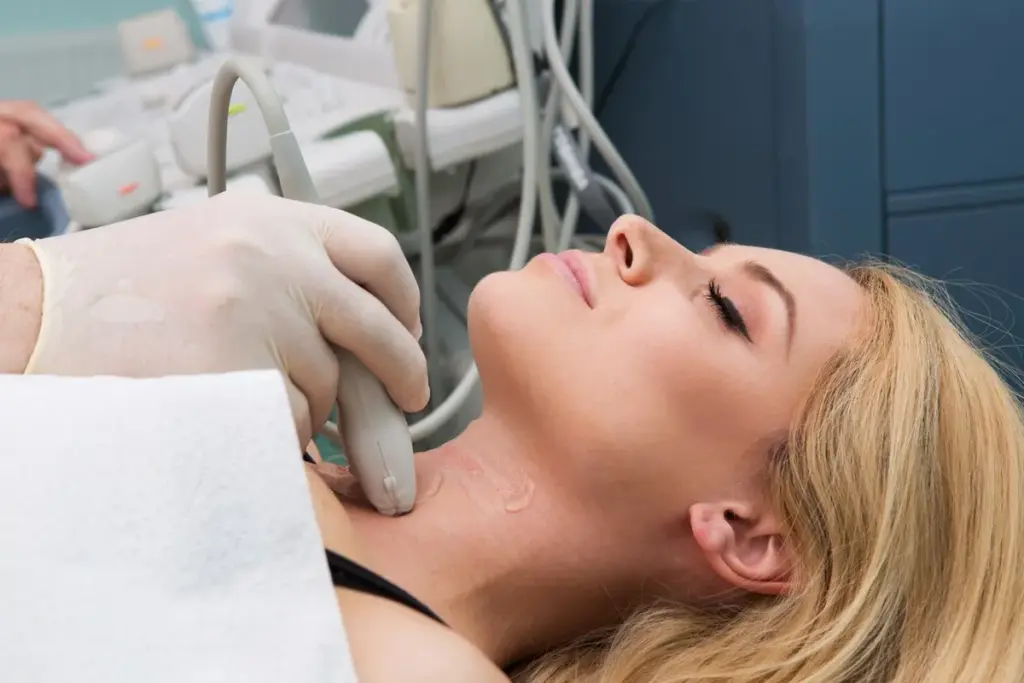
Throat cancer is a serious disease that can be life-threatening. It is often linked to a common sexually transmitted disease (STD). The primary STD associated with throat cancer is the human papillomavirus (HPV), including high-risk strains like HPV-16 and HPV-18.
Protect your future. Learn if is hpv curable and how this common STD is the leading cause of throat cancer in young adults today.
Studies show that HPV is now responsible for 40–90% of all throat cancers. This change shows a big shift in how we understand this disease. We will look into how HPV causes throat cancer and its effects on public health.
Knowing the main cause of throat cancer is key to finding ways to prevent and treat it. As we dive into the facts and figures about HPV and throat cancer, we will also talk about how you can lower your risk.
Key Takeaways
- The human papillomavirus (HPV) is the primary STD linked to throat cancer.
- High-risk HPV strains, such as HPV-16 and HPV-18, are closely tied to throat cancer.
- HPV is responsible for 40–90% of all throat cancer cases.
- The number of HPV-related throat cancer cases is increasing, affecting public health.
- Understanding throat cancer’s cause is essential for prevention and treatment.
- There are steps you can take to lower your risk of throat cancer.
The Link Between STDs and Throat Cancer

Recently, there’s been a lot of concern about the link between STDs and throat cancer. It’s important to understand how STDs, like Human Papillomavirus (HPV), relate to throat cancer. This knowledge helps in preventing and treating the disease.
Overview of Sexually Transmitted Diseases and Cancer Risk
STDs are infections spread mainly through sex. HPV is a big risk factor for throat cancer. About 53,000 new cases of oral and oropharyngeal cancer are diagnosed annually in the United States. This shows how serious it is.
STDs can lead to health problems, but the link to cancer is complex. HPV is a major risk for throat cancer. It works by getting into the host’s DNA and causing cancerous changes.
The Emerging Connection Between Oral Health and Sexual Activity
Studies show a link between oral sex and throat cancer. The risk of HPV-positive throat cancer increases five-fold among individuals reporting six or more lifetime oral sexual partners. This highlights the need for safe sex to prevent HPV and throat cancer.
It’s key to understand the link between oral health and sex. As we learn more, teaching safe sex and HPV risks becomes more important. This can help lower throat cancer rates.
Human Papillomavirus (HPV): The Primary Culprit

HPV, or Human Papillomavirus, is a common virus that can cause health problems, including some cancers. It’s found in most sexually active adults, making it a big public health issue.
What is HPV?
Human Papillomavirus (HPV) is a viral infection that can affect the skin and mucous membranes. It causes health issues like genital warts and various cancers. HPV is highly contagious and spreads through skin-to-skin contact, common among those who are sexually active.
High-Risk HPV Strains: HPV-16 and HPV-18
Not all HPV strains are the same. Some, like HPV-16 and HPV-18, are high-risk and linked to cancer. These strains are dangerous because they can cause cancerous cells in infected tissues.
Recent studies show HPV-16 and HPV-18 cause a lot of HPV-related throat cancers. For more info on HPV and throat cancer, check out this resource.
How HPV Differs from Other STDs
HPV is different from other STDs. Unlike some STDs, HPV has no cure. But, the body’s immune system can fight it off. The problem is, HPV can stay hidden for years, making it hard to detect and treat before it causes serious health problems.
Knowing how HPV is different from other STDs is key to finding good prevention and treatment plans. We’ll dive into these plans later in the article.
The Rising Epidemic of HPV-Related Throat Cancer
Recent studies have shown a worrying trend: throat cancer linked to HPV is on the rise. This has led to a closer look at the numbers, who gets it, and why. It’s a serious health issue that needs attention.
Statistical Trends in the United States
In the United States, throat cancer cases linked to HPV are increasing. Data shows a 225% increase in the last twenty years. This is a big concern for public health.
“The increasing incidence of HPV-related oropharyngeal cancers is a concerning trend that warrants further investigation into risk factors and prevention strategies.”
The 225% Increase Over Two Decades
The 225% surge in HPV-related throat cancer over twenty years is alarming. It shows how the disease is changing. We need better awareness, prevention, and treatment plans.
Demographics: Who Is Most at Risk?
Men are more likely to get HPV-related throat cancer, being four times more likely than women. Knowing who is at risk helps us create better prevention and treatment plans.
We must understand these trends and demographics to fight HPV-related throat cancer. By doing so, we can lower the number of cases and help those affected.
How HPV Causes Throat Cancer
HPV plays a big role in throat cancer, starting with infection and ending with cancer. We’ll look at how HPV infects throat tissue, the journey from infection to cancer, and why some infections turn to cancer while others don’t.
The Mechanism of HPV Infection in Throat Tissue
HPV enters the body through oral contact. It then integrates into host cells’ DNA, changing cell behavior. The virus mainly targets throat cells, where it can stay dormant or multiply.
HPV’s integration into host cells is key in throat cancer development. High-risk strains like HPV-16 and HPV-18 are more likely to cause cancerous changes in cells.
From Infection to Cancer: The Progression Timeline
The journey from HPV infection to throat cancer takes decades. Not all infected people will get throat cancer. Knowing the timeline and factors is important for early detection and prevention.
Research shows the time from HPV infection to throat cancer can be 15 to 30 years or more. During this time, infected cells may change, some of which can be caught through screenings.
|
Stage |
Description |
Timeline |
|---|---|---|
|
Initial Infection |
HPV enters the body and infects throat cells. |
0-5 years |
|
Viral Integration |
HPV integrates into host cell DNA. |
5-15 years |
|
Cancer Development |
Cells become cancerous due to genetic changes. |
15-30+ years |
Why Only Some Infections Lead to Cancer
Only a small number of people with HPV will get throat cancer. Several factors, like HPV strain, immune response, and lifestyle, affect this risk. Smoking and drinking alcohol also play a role.
Knowing these risk factors helps identify who’s at higher risk. Screening and HPV vaccines are key in preventing throat cancer.
While the risk is there, it’s low for most. Being aware and taking preventive steps can greatly lower the chance of getting throat cancer.
Is HPV Curable? Understanding Treatment Options
HPV can cause serious health problems, but knowing how to treat it is key. The human papillomavirus (HPV) is complex, and its curability depends on many factors. These include how well the body fights the virus and the success of medical treatments.
The Body’s Natural Response to HPV
Often, the body can fight off HPV by itself. Most HPV infections are cleared by the immune system within two years. This natural process is a big part of managing HPV, as it might not need medical help.
But sometimes, HPV stays in the body and can cause health problems. It’s important to know what affects the body’s ability to clear the virus. Things like overall health, immune strength, and other infections can influence how well the body fights HPV.
Medical Interventions for HPV Infections
There are many medical treatments for HPV infections and related health issues. For those with persistent HPV, treatments aim to manage symptoms and stop cancer from developing. These treatments include:
- Regular check-ups to watch the infection
- Removal of lesions or abnormal cell growth
- Procedures to stop cancer from forming
It’s important to remember that these treatments might not get rid of the virus completely. The main goal is to control the infection and avoid serious problems.
The Difference Between Treating HPV and Treating HPV-Related Cancer
Treating HPV is different from treating HPV-related cancer. HPV treatment aims to manage the infection, while cancer treatment is more aggressive to remove cancer cells. Knowing this difference helps patients choose the right treatment.
Getting vaccinated against HPV in childhood can prevent most HPV-related cancers. Understanding treatment options and prevention is key to managing HPV-related health risks.
HPV in the Mouth and Throat: Specific Manifestations
HPV infection can show up in different ways in the mouth and throat. This can lead to serious health problems. It’s important to know the risks and what they mean.
HPV Infection in Oral Tissues
HPV can cause problems in the mouth. It can lead to painful lesions and other issues. Oral HPV infection is linked to a higher risk of oropharyngeal cancer.
The mouth is a good place for HPV to grow, like on the tonsils and the base of the tongue. HPV-related oropharyngeal cancer is a growing concern. It affects certain groups more than others.
- Common sites for HPV infection in the oral cavity include the tonsils and the base of the tongue.
- Oral HPV infections can be asymptomatic, making regular screening critical for early detection.
- The risk of oral HPV infection is higher among individuals with a history of oral sex or multiple sexual partners.
HPV Tongue Lesions and Symptoms
HPV tongue lesions are a sign of HPV infection in the mouth. These lesions can look like abnormal growths on the tongue. Symptoms include pain, discomfort, or trouble swallowing.
Common symptoms of HPV tongue lesions include:
- Persistent sores or ulcers on the tongue.
- White or red patches on the tongue’s surface.
- Difficulty swallowing or speaking due to lesions.
If you notice these symptoms, see a doctor right away. Early treatment can make a big difference. Knowing how HPV shows up in the mouth and throat helps us tackle health risks better.
Recognizing HPV Throat Infection Symptoms
Spotting HPV throat infection symptoms early is key to getting the right treatment. This could stop throat cancer from happening. We’ll look at the first signs, when to see a doctor, and how to tell these symptoms from others.
Early Warning Signs
The first signs of HPV throat infection might be small and not seem serious at first. Look out for:
- Persistent sore throat that doesn’t get better with usual treatments.
- Difficulty swallowing or feeling like there’s a lump in your throat.
- Hoarseness or changes in your voice.
- Unexplained weight loss, which could mean the disease is getting worse.
These signs can be like those of other throat problems. So, it’s important to watch out and see a doctor if they don’t go away.
When to Seek Medical Attention
If you notice any of these, you should see a doctor right away:
- A sore throat that lasts more than a few weeks.
- Having trouble swallowing or breathing.
- Pain in the throat or ear that you can’t explain.
- Seeing lesions or strange growths in your throat or on your tongue.
Getting a diagnosis early can really help with treating HPV-related throat cancer.
Distinguishing HPV Symptoms from Other Throat Conditions
HPV throat infection symptoms can look like other common issues like tonsillitis or a viral infection. But, if symptoms keep going or get worse, it might be serious. Keep in mind:
- How long symptoms last: HPV symptoms can get worse over time.
- Having more than one symptom at once.
- Being at risk because of HPV history or risky behavior.
If you’re not sure what’s going on, it’s best to talk to a doctor.
Diagnosing HPV-Related Throat Cancer
Getting a correct diagnosis for HPV-related throat cancer is key for good treatment and better health outcomes. Doctors use many ways to find this condition. These include different tests and checks.
Screening Methods and Tests
There are several ways to find HPV-related throat cancer. These include:
- Physical examination of the throat and oral cavity
- Endoscopy to see inside the throat and larynx
- Imaging tests like CT scans, MRI, or PET scans
- Biopsy to check tissue samples for cancer cells
These methods help doctors find any problems and see if there are cancer cells.
The Role of Biopsies and Imaging
Biopsies and imaging tests are very important for diagnosing HPV-related throat cancer. A biopsy takes a tissue sample from the throat to check for cancer. Imaging tests show how big the cancer is and if it has spread.
Imaging techniques like CT scans and MRI give clear pictures of the throat and nearby areas. They help doctors understand the tumor’s size and where it is.
HPV Testing Protocols
HPV testing is a big part of diagnosing HPV-related throat cancer. Doctors use different HPV testing methods to find high-risk strains like HPV-16 and HPV-18. These tests are done on tissue samples from a biopsy.
The HPV test results help doctors plan the best treatment and predict how well the patient will do.
By using all these diagnostic methods, doctors can accurately find HPV-related throat cancer. Then, they can create effective treatment plans.
Risk Factors for HPV Throat Cancer
Several factors can increase the risk of getting HPV throat cancer. Knowing these factors helps in preventing and managing the disease.
Sexual Behavior and Transmission Risk
Sexual behavior is a big factor in getting HPV, which causes throat cancer. HPV spreads through skin-to-skin contact. Certain sexual acts raise the risk of getting HPV.
Oral sex with many partners raises the risk of getting HPV and throat cancer. The more partners, the higher the risk of getting high-risk HPV strains. HPV can be in the mouth and throat without symptoms.
The Impact of Multiple Oral Sex Partners
Having many oral sex partners increases the risk of HPV throat cancer. Studies show those with many partners are at higher risk. Safe sex and fewer partners can lower this risk.
Other Contributing Factors: Smoking, Alcohol, and Immune Status
Other factors also raise the risk of HPV throat cancer. Smoking and drinking too much alcohol are big risks. Smoking harms the throat and mouth, making them more likely to get HPV. Drinking too much alcohol weakens the immune system, raising cancer risk.
A person’s immune status is key in fighting off HPV. Those with weak immune systems, like those with HIV/AIDS, are more at risk. They can’t fight off HPV infections as well.
Understanding these risks helps people take steps to lower their chance of HPV throat cancer. This includes safe sex, avoiding smoking and drinking too much, and keeping the immune system strong.
HPV Transmission: Gender Dynamics
HPV is not just a women’s issue; men can get it too. It’s important to understand how HPV spreads to prevent it. This knowledge helps in making public health better.
Transmission Between Partners
HPV can spread through sex. It can pass through vaginal, anal, or oral sex. This makes it a big worry for anyone who’s sexually active. The risk depends on how many partners you have and if you have other STIs.
So, “Can a man give a woman HPV?” Yes, men can pass HPV to women. This can happen even if the man doesn’t show symptoms. It’s why safe sex and regular tests are so important.
Male HPV Infection
“Can males contract HPV?” Yes, men can get HPV too. They can then spread it to their partners. HPV in men can cause health problems like genital warts and, rarely, cancer.
Sexual and Non-Sexual Transmission Pathways
HPV is mostly spread through sex, but it can also spread through skin contact. Non-sexual transmission is rare. Knowing how it spreads helps in stopping it.
|
Transmission Pathway |
Description |
Risk Level |
|---|---|---|
|
Sexual Contact |
Vaginal, anal, or oral sex with an infected partner |
High |
|
Skin-to-Skin Contact |
Direct contact with infected skin |
Low |
|
Vertical Transmission |
From mother to child during childbirth |
Rare |
A health expert once said, “
HPV transmission is a complex issue that involves understanding both sexual and non-sexual pathways. Education and awareness are key to prevention.
” This shows how important it is to learn about HPV and get tested.
In short, HPV spreads between genders and needs a big effort to stop it. We must practice safe sex, get tested often, and learn about HPV risks.
HPV Prevalence: How Many People Have HPV?
Most sexually active adults will get HPV at some point. It’s a big health issue. The number of people with HPV changes based on who they are and where they live.
Global and US Statistics
HPV is very common around the world. A lot of sexually active people will get it. In the US, almost 80 million Americans have HPV. About 14 million new cases happen every year.
|
Region |
Estimated HPV Prevalence |
|---|---|
|
Global |
High variability; significant in sexually active populations |
|
United States |
Approximately 80 million currently infected |
Age-Related Infection Rates
Young adults get HPV a lot. People aged 20-24 years have the highest rates. Rates go down as people get older. This shows why health efforts should focus on the young.
- 20-24 years: Highest prevalence
- 25-29 years: Prevalence begins to decline
- 30+ years: Continued decline, but remains a concern
What Percentage of High-Risk HPV Turns to Cancer?
Many people get HPV, but not all will get cancer. Some types of HPV increase cancer risk, like throat cancer. A small number of people with these types will get cancer. This is why it’s key to watch and manage HPV infections.
Knowing how common HPV is helps us plan for health. It helps people make smart choices about their health. By understanding HPV, we can tackle its challenges better.
Prevention Strategies for HPV Throat Cancer
To prevent HPV throat cancer, we need to use several methods. These include getting vaccinated, practicing safe sex, and getting regular check-ups. By doing these things, we can lower the risk of getting HPV throat cancer a lot.
“The best way to stop HPV-related cancers is by getting vaccinated,” says a top health expert. HPV vaccination is very good at stopping infections from the high-risk HPV types that cause most cancers.
HPV Vaccination: The First Line of Defense
HPV vaccine is recommended for both boys and girls, usually at age 11 or 12. But it can be given as early as 9. The vaccine works best before you get HPV, which happens through sex. Getting vaccinated as a child can stop most HPV-related cancers, making it a key step.
The Centers for Disease Control and Prevention (CDC) says a two-dose series is best for those starting before 15. For those starting between 15 and 26, or with certain health issues, a three-dose series is needed.
Safe Sex Practices
Even with the HPV vaccine, safe sex is important. Using condoms correctly can lower HPV risk, but it’s not 100% safe. HPV can be on parts not covered by a condom.
Having fewer sexual partners and avoiding those with many partners can also help. This can lower the chance of getting HPV.
Regular Screening and Early Detection
Regular check-ups are key for catching HPV throat cancer early. There’s no test for throat cancer like there is for cervical cancer. But, regular oral exams can spot problems early.
People who smoke or drink a lot, or have had HPV before, should get checked often. Finding cancer early makes treatment work better. So, seeing your doctor regularly is very important.
“Prevention is key when it comes to HPV-related throat cancer. By combining vaccination, safe sex practices, and regular screening, we can make a significant impact on reducing the incidence of this disease,” said a renowned oncologist.
HPV Treatment Approaches and Cure Rates
HPV treatment includes many options, from medical treatments to natural remedies. There’s no cure for HPV itself. But, treatments can help manage symptoms and lower cancer risk.
Conventional Medical Treatments
Medical treatments for HPV aim to manage symptoms and health issues. For example, treatments for genital warts, caused by low-risk HPV, include:
- Topical medications to reduce wart size and discomfort
- Cryotherapy to freeze off warts
- Surgical removal in more severe cases
For high-risk HPV strains that may lead to cancer, treatments are more intense. They may include:
- Monitoring through regular Pap smears and HPV tests
- Surgical removal of precancerous lesions
- Chemotherapy or radiation therapy for cancerous lesions
HPV Natural Remedies and Complementary Approaches
Some people try natural remedies and complementary approaches to manage HPV symptoms. These may include:
- Dietary changes to boost immune function
- Supplements such as folic acid and vitamin B12
- Stress management techniques like meditation and yoga
It’s important to talk to a healthcare provider before trying these therapies. They can help ensure they’re safe and work well with medical treatments.
HPV Cure Rate: What the Research Shows
Studies show that the body can clear HPV in many cases. In fact, 90% of HPV infections are cleared within two years. But, the risk of persistent infection and cancer depends on several factors.
Knowing about HPV cure rates and treatment outcomes is key to managing the infection well. Ongoing research aims to improve our understanding of HPV and treatment options.
Throat Cancer Survival Rates and Prognosis
The outlook for throat cancer patients changes a lot based on several things, like HPV status. Knowing these factors helps both patients and doctors make better treatment plans.
HPV-Positive vs. HPV-Negative Cancer Outcomes
Studies show that HPV-positive throat cancer patients usually live longer than those with HPV-negative cancer. A study in the NYU Langone article found that HPV-positive oropharyngeal cancer has a 78% five-year survival rate. In contrast, HPV-negative cancers have a 45% survival rate.
|
Cancer Type |
Five-Year Survival Rate |
|---|---|
|
HPV-Positive Oropharyngeal Cancer |
78% |
|
HPV-Negative Oropharyngeal Cancer |
45% |
Factors Affecting Survival
Many things can affect how long throat cancer patients live. These include:
- Stage at Diagnosis: Finding cancer early greatly improves chances of survival.
- HPV Status: Patients with HPV-positive cancer usually do better.
- Overall Health: Those with fewer health problems tend to live longer.
- Treatment Response: How well the treatment works is very important.
Long-term Quality of Life Considerations
Survival is just one part of the story. How well a patient feels after treatment is also key. Patients often struggle with swallowing, speaking, and emotional issues. Rehabilitation and support services are essential for improving their quality of life.
Getting a throat cancer diagnosis can feel overwhelming. But with the right info and support, patients can handle their treatment better. Doctors can tailor care to meet each patient’s specific needs by understanding survival and prognosis factors.
Conclusion: The Future of HPV Prevention and Treatment
HPV-related throat cancer is a big challenge we face today. But, thanks to new research, we’re making progress in fighting it. This means we might see fewer cases of this disease in the future.
New studies are helping us find better ways to prevent and treat HPV. This includes stronger vaccines and public health programs. We’re also seeing new treatments that could lead to better results for those affected.
Our goal is to make HPV-related throat cancer much less common. To do this, we need to keep researching and improving care. Healthcare experts, scientists, and public health teams must work together. They need to make sure everyone has access to the latest in HPV prevention and treatment.
FAQ
What is the primary cause of throat cancer?
The main cause of throat cancer is the Human Papillomavirus (HPV). This includes high-risk strains like HPV-16 and HPV-18.
Can a man give a woman HPV?
Yes, a man can pass HPV to a woman. This can happen through vaginal, anal, or oral sex.
Is HPV curable?
HPV itself can’t be cured. But, the body might clear it on its own. Treatments are available for related issues like genital warts or cancer.
What are the symptoms of HPV throat infection?
Symptoms include a sore throat, trouble swallowing, ear pain, and a neck lump. Some people might not show any symptoms.
How is HPV-related throat cancer diagnosed?
Doctors use screening, biopsies, imaging, and HPV tests to find and check cancer.
What are the risk factors for HPV throat cancer?
Risks include certain sexual behaviors, smoking, drinking alcohol, and a weak immune system.
Can males contract HPV?
Yes, men can get HPV. It can cause health problems like genital warts and some cancers.
What percentage of high-risk HPV turns to cancer?
The exact percentage is not known. But, many high-risk HPV infections can lead to cancer if not treated.
How can HPV throat cancer be prevented?
Prevention includes HPV vaccines, safe sex, and regular screenings for early detection.
What are the treatment options for HPV-related throat cancer?
Treatments include surgery, radiation, and chemotherapy. There are also complementary methods.
What is the survival rate for throat cancer?
Survival rates depend on cancer stage, HPV status, and overall health. HPV-positive throat cancer often has a better outlook than HPV-negative.
Are there any natural remedies for HPV?
Some natural remedies and complementary methods might help with HPV issues. Always talk to a healthcare professional before trying them.
References
• The Institute of Cancer Research (ICR). IVF Immunotherapy gives head and neck cancer patients extra years disease‐free. https://www.icr.ac.uk/about-us/icr-news/detail/immunotherapy-gives-head-and-neck-cancer-patients-extra-years-disease-free
• CDC (Centers for Disease Control and Prevention). HPV and Oropharyngeal Cancer. https://www.cdc.gov/cancer/hpv/oropharyngeal-cancer.html
• CDC. Cancers Linked with HPV Each Year. https://www.cdc.gov/cancer/hpv/cases.html
National Center for Biotechnology Information. Evidence-Based Medical Insight. Retrieved from https://pmc.ncbi.nlm.nih.gov/articles/PMC11606068/