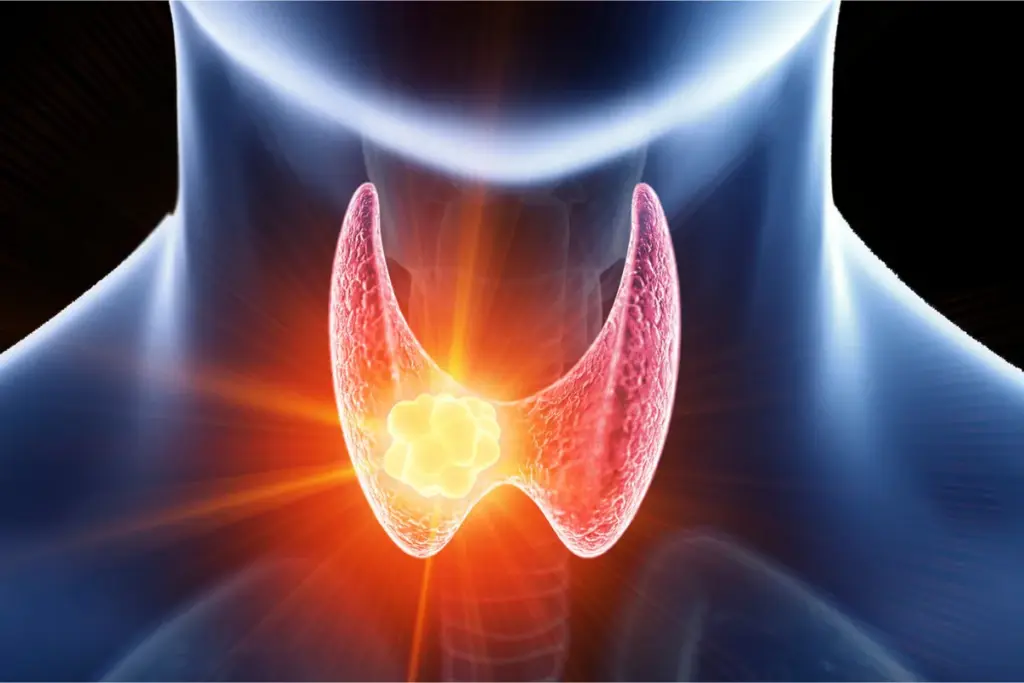
Throat cancer cases are rising worldwide. A big reason is the Human Papillomavirus (HPV). About 70% of throat cancers in the U.S. are caused by HPV. This shows how big a role the virus plays in the disease.
It’s important to know what causes throat cancer and how HPV fits into it. This knowledge helps us prevent and treat the disease better. The link between HPV and throat cancer has changed how we see risks. It’s made us realize the need for more awareness and action.
Key Takeaways
- HPV is a significant cause of throat cancer, with a substantial percentage of cases linked to the virus.
- Understanding HPV’s role is key for prevention and treatment.
- The link between HPV and throat cancer has changed risk profiles.
- Awareness and intervention are key to managing throat cancer related to HPV.
- Prevention strategies are being reshaped due to the rise in HPV-related throat cancer.
The Rising Epidemic of Throat Cancer

Throat cancer cases are on the rise, with a big jump due to the Human Papillomavirus (HPV). This is worrying because it shows a change in who gets this disease and why.
Current Statistics and Trends in the United States
In the United States, throat cancer cases are going up fast. About 38,000 cases linked to HPV happen every year. This shows how big a problem HPV-related throat cancers are.
Key statistics include:
- Oropharyngeal cancers, which are in the middle of the throat, are becoming more common.
- More people from certain groups are getting throat cancer, showing a change in who’s at risk.
Changing Demographics of Throat Cancer Patients
Who gets throat cancer is changing. Before, it was mostly older people who smoked and drank a lot. But now, more young people are getting it because of HPV.
This change is because of how people are having sex and the spread of HPV. HPV spreads through sex and is linked to some throat cancers.
We need to spread the word and take steps to prevent throat cancer. This includes getting vaccinated against HPV.
Human Papillomavirus (HPV): The Primary Cause of Throat Cancer

HPV, or Human Papillomavirus, is now seen as a main cause of throat cancer. This virus can affect the mouth and throat, causing serious health problems.
What is HPV and How It Affects the Body
Human Papillomavirus (HPV) is a group of over 100 related viruses. Some types can cause cancer or other diseases. HPV infection is common, and most people will get it at some point.
HPV can infect the skin and mucous membranes. In the mouth and throat, it can cause oropharyngeal cancers. The virus spreads easily through sexual contact.
High-Risk HPV Types: HPV-16 and HPV-18
Not all HPV types are the same; some are high-risk for cancer. HPV-16 and HPV-18 are two high-risk types that cause most HPV-related cancers.
- HPV-16 is the most common high-risk type and is linked to oropharyngeal cancers.
- HPV-18 is another high-risk type that can cause various cancers, including throat cancer.
These high-risk HPV types can integrate into the host’s DNA. This leads to cellular changes that can cause cancer over time.
The Link Between HPV and Oropharyngeal Cancers
Oropharyngeal cancers are found in the middle part of the throat, including the tonsils and the base of the tongue. HPV-positive oropharyngeal cancers are different from HPV-negative cancers.
Studies show that HPV is responsible for a big part of oropharyngeal cancers, mainly in younger people. The exact how is being studied, but it’s clear HPV plays a big role in these cancers.
Knowing the link between HPV and oropharyngeal cancers is key for better prevention and treatment. Vaccination against HPV has been shown to lower the risk of HPV-related cancers.
How Many People Have HPV? Understanding the Prevalence
It’s important to know how widespread HPV is to understand its impact on health. HPV, or Human Papillomavirus, is a common virus that affects millions worldwide.
HPV’s spread varies by population and region. To truly grasp the extent of HPV infections, we need to look at global rates and the U.S. situation.
Global HPV Infection Rates
HPV is a leading sexually transmitted infection globally. The World Health Organization (WHO) says around 630 million people worldwide have HPV. This number shows the urgent need for awareness and prevention worldwide.
HPV is found in about 11.7% of women with normal cervical cytology. This means many people carry the virus without symptoms or cervical issues.
|
Region |
Estimated HPV Prevalence |
|---|---|
|
Global |
11.7% |
|
North America |
14.3% |
|
Europe |
10.4% |
|
Asia |
12.1% |
HPV Prevalence in the United States
In the U.S., HPV is a major health issue. It’s believed that nearly 80% of sexually active people will get HPV at some point. The Centers for Disease Control and Prevention (CDC) says about 42,000 new HPV-related cancers happen each year in the U.S..
HPV’s impact varies by age and group in the U.S. Knowing these trends helps in creating better prevention and treatment plans.
Reasons for HPV Infection and Risk Factors
HPV spreads through many factors, like sexual behavior and how well the immune system works. Knowing these risks helps us find better ways to prevent and manage HPV.
Sexual Transmission and Behavioral Risk Factors
HPV often spreads through sex. Having many sexual partners raises the risk because you’re exposed to more viruses. Starting sex early also increases risk, as you’re exposed for longer. Plus, not using protection makes it easier for HPV to spread.
A study found that people with many partners are at higher risk. This shows why safe sex is so important.
“The incidence of HPV infection is closely linked to sexual behavior, stressing the need for good sex education and HPV vaccines.”
Immune System Factors and Susceptibility
The immune system is key in fighting off HPV. People with weak immune systems, like those with HIV or on immunosuppressants, are more at risk. Their immune system’s strength affects how well they can fight off HPV.
It’s vital to understand how HPV and the immune system interact. As research digs deeper, doctors can give better advice on how to lower risk.
HPV Transmission Between Partners
HPV can spread through sexual contact, affecting both men and women. It can pass through various sexual activities, like vaginal, anal, and oral sex. Knowing how HPV spreads is key to preventing and managing it.
Can a Man Give a Woman HPV? Understanding Cross-Gender Transmission
Yes, a man can give a woman HPV. The virus spreads through skin-to-skin contact during sex. Men can carry HPV without symptoms and pass it to their partners. Risks include having many partners, not using protection, and a weak immune system.
Prevention strategies include safe sex with condoms, though they’re not foolproof. Being in a monogamous relationship can also lower transmission risks.
Can Males Contract HPV? Debunking Common Misconceptions
Yes, males can get HPV. It’s a myth that HPV mainly affects women. Men can get it from infected partners and can carry it themselves. HPV can cause health problems in men, like genital warts and cancer.
Common misconceptions about HPV in men include thinking they’re not at risk or that it only harms women. Education and awareness are vital to understanding risks and taking steps to prevent them.
The spread of HPV between partners shows the need for open communication and safe sexual practices. Regular health checks and talking to doctors can help catch and manage HPV early.
HPV in the Mouth and Throat: Recognition and Symptoms
Oral HPV infection can cause lesions and symptoms in the mouth and throat. These signs often show up quietly. It’s important to spot them early for better treatment.
Clinical Manifestations of HPV Virus on Mouth
HPV in the mouth can lead to different signs. These include oral lesions, which might look like white or red patches. If not treated, these can get worse.
Common symptoms of oral HPV infection include:
- Persistent sores or ulcers in the mouth
- White or red patches on the tongue, gums, or other oral surfaces
- Unusual bleeding or pain in the mouth
HPV Tongue Lesions and Oral Presentations
HPV can cause lesions on the tongue. These might look flat, raised, or ulcerated. They can hurt and bleed easily. Regular dental visits are key to catching these early.
It’s critical to tell apart harmless and serious lesions. A doctor can do a biopsy to figure out what the lesion is.
Throat HPV Infection: Silent Progression
Throat HPV infection often starts quietly, without early symptoms. As it grows, it can lead to serious issues like oropharyngeal cancer.
Recognizing the risk factors and knowing how throat HPV infection grows is important. Regular screenings and being aware of its signs help manage it better.
From HPV Infection to Cancer Development
The journey from HPV infection to cancer involves many factors. Both the host and the virus play roles. Knowing this helps us find better ways to prevent and treat cancer.
What Percentage of High-Risk HPV Turns to Cancer?
Not every high-risk HPV infection turns into cancer. Most infections are cleared by the immune system. But, some infections can lead to cancer.
About 10-15% of women with high-risk HPV may get precancerous lesions. A small part of these will become invasive cancer. The exact number depends on the HPV type, other risk factors, and the immune system.
The Cellular Transformation Process
HPV infection can cause cancer by changing host cells. HPV DNA gets integrated into the host genome. This disrupts normal cell control.
High-risk HPV types make proteins (E6 and E7) that block tumor suppressor proteins. This leads to uncontrolled cell growth and genetic changes.
These changed cells can get more mutations over time. They can go from dysplasia to invasive cancer. The transformation process is affected by many factors, like other carcinogens and immune status.
Understanding how cells change is key to better treatments for HPV-related cancers.
Is HPV Curable? Current Medical Understanding
HPV is a big worry because it can cause cancers like throat cancer. People often wonder if it can be cured. HPV infections are common and usually go away by themselves. But, some cases can cause serious health problems.
It’s important to know if HPV can be cured. This knowledge helps in treating related health issues.
Can HPV Be Cured? Addressing Common Questions
There’s no sure cure for HPV yet. But, the body can fight off the virus in many cases. Treatment focuses on managing symptoms and health problems caused by HPV.
It’s key to understand the difference between treating HPV-related conditions and curing the virus itself. Treatments for conditions like genital warts or precancerous lesions can work. But, they don’t get rid of the virus.
Regular check-ups and screenings are important for catching HPV-related health issues early. For those with ongoing HPV infections, watching for complications is critical. Sometimes, the immune system can clear HPV. But, other times, it stays and can cause serious health issues.
HPV Cure Research: Latest Developments
Scientists are working hard to find a cure for HPV. They’re looking into ways like immunotherapies to help the body fight the virus. Research on therapeutic vaccines is also promising. These vaccines aim to treat existing HPV infections and related diseases.
Even though there’s hope, finding a cure for HPV is an ongoing effort. Current treatments aim to manage the virus’s effects.
The medical field is getting better at understanding HPV and finding treatments. As research keeps going, there’s hope for better management and maybe even a cure for HPV in the future. It’s important to stay updated on the latest research for both healthcare providers and those affected by HPV.
Other Viruses That Cause Throat Cancer
HPV is well-known for causing throat cancer, but other viruses also play a role. It’s important to know about these viruses for better prevention and treatment.
Epstein-Barr Virus (EBV) and Nasopharyngeal Carcinoma
The Epstein-Barr Virus (EBV) is linked to several cancers, including nasopharyngeal carcinoma. This cancer starts in the nasopharynx. EBV is common and often causes mild infections, but it can lead to serious diseases in some.
EBV’s link to nasopharyngeal carcinoma is clear. This cancer is more common in some areas, like Asia and Africa. This suggests that genetics, environment, and viruses all play a part in its development.
Key Facts About EBV and Nasopharyngeal Carcinoma:
- EBV infects more than 90% of adults worldwide at some point in their lives.
- Nasopharyngeal carcinoma is relatively rare globally but has higher incidence rates in specific populations.
- EBV-positive nasopharyngeal carcinoma tumors often have distinct characteristics that can influence treatment approaches.
HIV and Its Role in Increasing Cancer Risk
HIV weakens the immune system, making people more likely to get infections and cancers, including throat cancer. HIV itself doesn’t cause cancer, but it makes it easier for cancer to develop.
Those with HIV/AIDS face a higher risk of many cancers, including throat cancer. This is partly because they can also get other viruses like HPV and EBV.
Implications of HIV Infection for Throat Cancer:
- Increased susceptibility to viral co-infections that can lead to cancer.
- Impaired immune surveillance against tumor cells.
- Potential for more aggressive cancer behavior in immunocompromised individuals.
It’s key to understand how HIV, other viruses, and cancer risk interact. This knowledge helps in creating better prevention and treatment plans for throat cancer in different groups of people.
What Causes Throat Cancer Beyond Viral Infections
Many factors contribute to throat cancer, not just viruses. Viruses like HPV are known causes. But other factors also play a big role in this disease.
Traditional Risk Factors: Tobacco and Alcohol Use
Tobacco and alcohol are major risks for throat cancer. Using tobacco products, like cigarettes, raises the risk a lot. Drinking alcohol, and even more so with tobacco, increases it even more.
Tobacco and Alcohol Use Statistics
|
Risk Factor |
Relative Risk |
Population Attributable Risk |
|---|---|---|
|
Tobacco Use |
5-10 times |
30-40% |
|
Alcohol Consumption |
2-3 times |
20-30% |
|
Combined Tobacco and Alcohol Use |
15-20 times |
50-60% |
Environmental Exposures and Occupational Hazards
Some environmental and work-related hazards also raise throat cancer risk. Asbestos, for example, is a known carcinogen. It can cause throat cancer, mainly in those exposed at work. Other substances, like polycyclic aromatic hydrocarbons and certain metals, also increase the risk.
Occupational Exposures and Throat Cancer Risk
- Asbestos exposure: significantly increases the risk of throat cancer
- Polycyclic aromatic hydrocarbons: linked to increased risk
- Certain metals: associated with higher risk of throat cancer
Genetic Predisposition and Family History
Genetics and family history also affect throat cancer risk. People with a family history of throat or head and neck cancers are at higher risk. Certain genetic syndromes, like Fanconi anemia, increase the risk of head and neck cancers, including throat cancer.
Knowing these risk factors is key to preventing and catching throat cancer early. Recognizing causes beyond viruses helps individuals lower their risk. It also helps healthcare providers spot those at higher risk.
Diagnosing HPV-Related Throat Cancer
Getting a correct diagnosis for HPV-related throat cancer is key for good treatment. Doctors use a mix of clinical checks, imaging, and lab tests. These steps help find cancer and see if it’s linked to HPV.
Screening Methods and Diagnostic Procedures
First, doctors look at your medical history and do a physical check. They focus on your head and neck. They might use endoscopy with a biopsy to look at your throat and take tissue samples.
They also use HPV DNA testing to check for high-risk HPV types linked to throat cancer. CT scans and MRI help see how far the disease has spread.
Distinguishing HPV-Positive from HPV-Negative Cancers
Telling HPV-positive from HPV-negative throat cancers is important. It affects treatment and how well you might do. HPV-positive cancers usually have a better outlook and might react differently to treatment.
p16 immunohistochemistry tests help figure out if the tumor is HPV-positive. Knowing this helps doctors make a treatment plan that fits you best.
Throat Cancer Survival Rate and Prognosis
The outlook for throat cancer patients depends on several things. HPV status is a big factor. Knowing this helps both patients and doctors make better choices.
Survival Statistics for HPV-Related vs. Non-HPV Throat Cancers
Research shows that HPV-related throat cancers have a better outlook than non-HPV ones. HPV-positive throat cancers often do well with treatment, leading to higher survival rates.
The five-year survival rate for HPV-positive oropharyngeal cancer is much higher than for HPV-negative ones. This shows how key HPV status is in predicting outcomes.
Factors That Influence Treatment Outcomes
Many things affect how well throat cancer treatment works. These include the cancer’s stage, the patient’s health, and if they have HPV infection.
- The cancer’s stage at diagnosis is very important for survival rates.
- Early-stage throat cancer patients have a much better chance of survival.
- The patient’s overall health, including any other health issues, impacts treatment success.
Grasping these factors helps in creating treatment plans that fit each patient’s needs. This can lead to better results.
Prevention of HPV-Related Throat Cancer
It’s important to know how to prevent HPV-related throat cancer. By taking the right steps, we can lower the risk of getting this disease.
HPV Vaccination: Guidelines and Effectiveness
The HPV vaccine is key in stopping throat cancer caused by HPV. The CDC says all teens should get the HPV vaccine. This is usually when they are 11 to 12 years old, but it can start as early as 9.
Key Benefits of HPV Vaccination:
- It protects against the most common HPV types that cause throat cancer.
- It also lowers the risk of other HPV-related cancers like cervical and anal cancers.
- It could greatly reduce the number of HPV-related diseases.
Research shows the HPV vaccine works well in stopping HPV infections. This includes infections that can lead to throat cancer. By getting vaccinated, people can greatly lower their risk of throat cancer later on.
Safe Practices and Risk Reduction Strategies
There are also safe practices to help lower the risk of throat cancer. These include:
- Using condoms for safe sex to lower HPV transmission, though it’s not 100% effective.
- Staying away from tobacco products, as they increase throat cancer risk.
- Drinking less alcohol, as too much can also raise throat cancer risk.
- Living a healthy lifestyle with a good diet and exercise to boost the immune system.
Remember, while these steps can help, they’re not perfect. Vaccination is the best way to prevent it.
By getting vaccinated and following safe practices, we can greatly lower our risk of HPV-related throat cancer. It’s vital to spread the word and encourage people to take these steps to fight this disease.
Treatment Approaches for HPV-Related Throat Cancer
It’s important to know the best ways to treat HPV-related throat cancer. This knowledge helps improve survival rates and quality of life. As this cancer type becomes more common, doctors are working to make treatment better.
Standard Treatment Protocols and Modalities
HPV-related throat cancer treatment often combines surgery, radiation, and chemotherapy. The choice depends on the cancer’s stage, the patient’s health, and other factors.
Surgery is used to remove tumors and affected lymph nodes. New surgical methods, like transoral robotic surgery (TORS), have made recovery faster and outcomes better.
Radiation therapy is also key, used alone or with surgery or chemotherapy. Intensity-modulated radiation therapy (IMRT) targets tumors precisely, reducing harm to nearby tissues.
|
Treatment Modality |
Description |
Benefits |
|---|---|---|
|
Surgery |
Removal of tumor and affected lymph nodes |
Potential for cure, reduced risk of recurrence |
|
Radiation Therapy |
Targeted radiation to kill cancer cells |
Preserves organ function, reduces risk of surgical complications |
|
Chemotherapy |
Systemic treatment to kill cancer cells |
Effective for advanced or metastatic disease |
De-escalation Strategies for HPV-Positive Cancers
HPV-positive throat cancers often respond better to treatment than HPV-negative ones. This has led to new strategies to reduce treatment intensity. These strategies aim to lessen long-term side effects without lowering cure rates.
“De-escalation trials are ongoing to determine the optimal approach for reducing treatment intensity while maintaining high cure rates for HPV-positive patients.”
Multidisciplinary Care and Survivorship
Patients with HPV-related throat cancer need care from a team of specialists. This team includes head and neck surgeons, radiation oncologists, and medical oncologists. They work together to create a treatment plan that meets the patient’s needs.
Survivorship care is also key. It focuses on managing long-term side effects, meeting nutritional needs, and supporting patients after treatment.
Living with HPV: Psychological and Social Considerations
Living with HPV is more than just dealing with the virus. It also means coping with the emotional and social impacts. An HPV diagnosis can deeply affect a person’s mental health and how they interact with others.
Coping with Diagnosis and Reducing Stigma
Getting an HPV diagnosis can bring up many emotions, like shock, denial, and anxiety. It’s important for people to find ways to cope, like counseling or joining support groups.
Reducing Stigma around HPV is key to improving life for those diagnosed. By spreading awareness and education, we can make the virus less scary and create a more supportive world.
|
Coping Mechanisms |
Benefits |
|---|---|
|
Counseling |
Provides emotional support and guidance |
|
Support Groups |
Connects individuals with others who have experienced similar diagnoses |
|
Education and Awareness |
Reduces stigma and promotes understanding |
Communication with Partners and Healthcare Providers
Talking openly with sexual partners is essential for those living with HPV. Sharing the diagnosis can help build stronger relationships and reduce feelings of loneliness.
It’s also important to talk well with healthcare providers. Patients should feel free to ask questions and get clear answers about their diagnosis and treatment.
Creating a supportive environment and encouraging open talks can help people with HPV face the emotional and social challenges of their diagnosis.
Conclusion
Research has made big strides in fighting HPV-related throat cancer. This has led to better care for patients. It’s clear that HPV vaccines and treatments play a key role in lowering cancer risk. Knowing the link between HPV and throat cancers has helped doctors. They can now target treatments more effectively. This has raised survival rates for those with HPV-related throat cancer. Dealing with HPV-related throat cancer needs a team effort. This includes vaccines, early detection, and effective treatments. Keeping up with research and spreading awareness are key to fighting this disease. By learning about HPV-related throat cancer, people can lower their risk. Doctors can also offer better care. As research grows, so will the chances of beating this cancer.
FAQ
What is HPV and how is it related to throat cancer?
Human Papillomavirus (HPV) is a virus that can cause throat cancer. Types like HPV-16 and HPV-18 are linked to throat cancers.
Can a man give a woman HPV?
Yes, a man can pass HPV to a woman through sex. This includes vaginal, anal, or oral sex. The virus can be spread even if the person doesn’t show symptoms.
Can males contract HPV?
Yes, men can get HPV from an infected person during sex. They can also spread the virus without showing symptoms.
What percentage of high-risk HPV turns to cancer?
Not all high-risk HPV infections lead to cancer. But, if the virus stays in the body, it can increase cancer risk. The exact percentage that turns to cancer is small, but it’s a concern.
Is HPV curable?
HPV itself can’t be cured, but the body might clear it on its own. Treatments are available for diseases caused by HPV, like cervical lesions and some cancers.
What are the symptoms of HPV in the mouth and throat?
HPV in the mouth and throat might not show symptoms. But, some people might get lesions or other signs. Throat HPV can grow silently until it might turn into cancer.
How is HPV-related throat cancer diagnosed?
Doctors use tests and biopsies to find HPV-related throat cancer. It’s important to know if the cancer is HPV-positive or not to choose the right treatment.
What are the risk factors for throat cancer beyond viral infections?
Other than viruses, throat cancer risks include tobacco, alcohol, and certain jobs. These factors can raise the risk of throat cancer, even with HPV.
Can HPV vaccination prevent throat cancer?
Yes, the HPV vaccine can prevent some throat cancers. The CDC suggests getting the vaccine for boys and girls around ages 11-12 to protect against HPV-related diseases.
What are the treatment approaches for HPV-related throat cancer?
HPV-related throat cancer treatments might include surgery, radiation, and chemotherapy. Doctors are looking into ways to make treatments less intense for HPV-positive cancers.
How can I cope with an HPV diagnosis?
Dealing with an HPV diagnosis means understanding it and talking openly. Getting support from doctors, friends, and groups can help with the emotional and social sides of living with HPV.
References
National Center for Biotechnology Information. Evidence-Based Medical Insight. Retrieved from https://pubmed.ncbi.nlm.nih.gov/26443515/



 Departments
 Related Videos
 Our Doctors
 News
News