

Managing chronic kidney disease (CKD) means following strict diets. But, new studies show that peanut butter might be okay. It’s not as bad as old rules made it out to be. It has low potassium and no harmful phosphorus.
Knowing what foods are good for your kidneys is key. A small serving of peanut butter has about 200 mg of potassium. It also has 100 mg of phosphorus and 7 grams of protein. The peanut butter’s phytate helps keep phosphorus levels down.
Key Takeaways
- Peanut butter is generally considered kidney-friendly when consumed in moderation.
- A 2-tablespoon serving of peanut butter contains about 200 mg of potassium.
- The phytate in peanut butter reduces phosphorus absorption.
- Peanut butter is a good source of plant-based protein for individuals with CKD.
- Current research supports the inclusion of peanut butter in a renal diet.
Understanding Kidney Disease and Dietary Considerations

Managing kidney disease means making big changes in what you eat. Chronic Kidney Disease (CKD) makes it hard for kidneys to filter waste and fluids. This is why eating right is key to slowing the disease and staying healthy.
How CKD Affects Nutrient Processing
CKD messes with how the body uses nutrients, causing toxins to build up. Normally, kidneys filter out waste and extra water. But with CKD, this process gets worse, affecting nutrient handling.
Nutrient processing gets off track, leading to imbalances. This can make health problems worse. For example, kidneys help with vitamin D, calcium, phosphorus, and electrolyte balance.
Key Nutrients to Monitor: Phosphorus, Potassium, and Protein
People with CKD must watch their intake of phosphorus, potassium, and protein. Too much of these can harm because kidneys can’t filter them well.
| Nutrient | Role in the Body | Considerations for CKD |
| Phosphorus | Important for bone health and many bodily functions | High levels can lead to bone disease and cardiovascular issues |
| Potassium | Crucial for heart function and muscle contractions | Elevated levels can cause heart arrhythmias and muscle weakness |
| Protein | Essential for muscle repair and overall health | Excessive intake can strain the kidneys, while too little can lead to malnutrition |
Keeping an eye on these nutrients is critical for CKD patients. Knowing how CKD affects nutrient use and being careful with these nutrients can help manage the disease. This improves life quality.
Nutritional Profile of Peanut Butter for Kidney Health
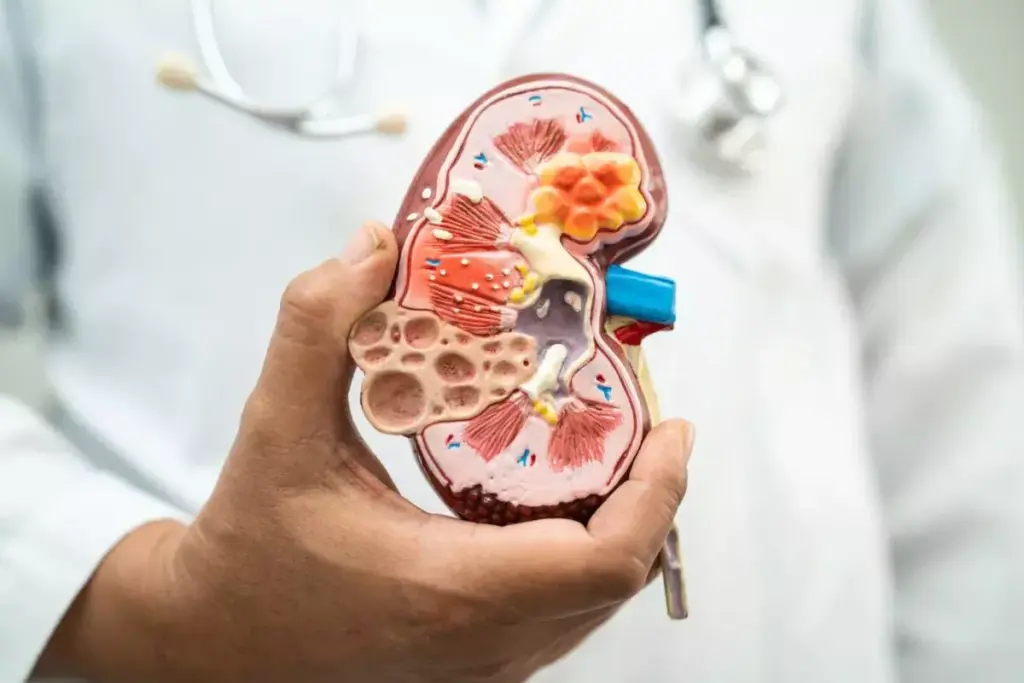
Peanut butter’s nutritional makeup is key for kidney health. We must look at its nutrients and how they affect kidney disease patients.
Phosphorus, Potassium, and Protein Content
Peanut butter is rich in protein and healthy fats. But, for those with kidney disease, it’s important to watch phosphorus, potassium, and protein intake.
Two tablespoons of peanut butter have about 2 grams of protein, 120 mg of phosphorus, and 200 mg of potassium. These amounts can add up, so it’s important to consider them in your diet.
| Nutrient | Amount per 2 tbsp | % Daily Value |
| Protein | 8g | 16% |
| Phosphorus | 120mg | 12% |
| Potassium | 200mg | 6% |
Natural vs. Processed Peanut Butter Options
The choice between natural and processed peanut butter affects its nutrition. Natural peanut butter has fewer additives and less sodium than processed types.
Key differences include:
- Less added salt in natural peanut butter
- Fewer preservatives in natural options
- Potential for higher healthy fat content in natural peanut butter
The Role of Phytates in Phosphorus Absorption
Peanut butter is good because it has phytates. Phytates help lower phosphorus absorption in the body.
This is important for kidney disease patients, as controlling phosphorus is key for health.
Knowing peanut butter’s nutritional profile helps kidney disease patients decide if it’s right for their diet.
Peanut Butter and CKD: Benefits and Considerations
Managing CKD means watching what you eat closely. Peanut butter can be a good choice if eaten in small amounts. We’ll look at how peanut butter helps and what to watch out for.
Recommended Portion Sizes for CKD Patients
CKD patients need to keep an eye on how much they eat. Peanut butter is high in calories and nutrients, so a 2-tablespoon serving is best. This size has about 190 calories, 7 grams of protein, and 8 grams of fat. Choose natural peanut butter without extra salt or sugar for the most health benefits.
It’s wise for CKD patients to talk to their doctor or a dietitian. They can help figure out the right amount of peanut butter for each person.
Plant-Based Protein Advantages for Kidney Function
Peanut butter is full of plant-based protein, which is good for CKD patients. Plant-based proteins are gentler on the kidneys than animal proteins because they absorb less phosphorus. This makes peanut butter a good choice for a kidney-friendly diet.
The protein in peanut butter helps keep muscles strong. This is important for people with CKD who are getting treatment.
How Peanut Butter Compares to Other Protein Sources
It’s important to compare peanut butter to other proteins. Peanut butter has healthy fats and protein but not much phosphorus or potassium. This makes it a safer option for CKD patients.
But, it’s key to mix peanut butter with other proteins. Beans, lentils, and tofu are also good. They offer different nutrients that work well with peanut butter.
In short, peanut butter can be a healthy part of a CKD diet. Just make sure to eat it in small amounts and as part of a balanced meal plan.
Conclusion: Incorporating Peanut Butter Safely Into a Renal Diet
We’ve looked into peanut butter’s nutritional value and its effects on kidney health. Knowing about its phosphorus, potassium, and protein content helps those with CKD make smart choices. This way, they can decide if peanut butter fits into their diet.
Peanut butter is a good source of plant-based protein for those with CKD. Eating it in small amounts won’t harm your kidneys. In fact, natural peanut butter with little salt and no hydrogenated oils is ideal for a renal diet.
To safely add peanut butter to your diet, watch your portion sizes. Pair it with other foods rich in nutrients. This way, people with CKD can enjoy peanut butter’s benefits while managing their health.
In conclusion, peanut butter and CKD can work together in a well-thought-out diet. We suggest that those with kidney disease talk to their doctor or a dietitian. They can help figure out the best diet plan for them.
FAQ
Is peanut butter good for kidney disease?
Peanut butter can be included in moderation, depending on potassium and phosphorus restrictions.
Can I eat peanut butter with kidney disease?
Yes, but portion control and choosing natural, unsalted peanut butter are important.
Is peanut butter high in phosphorus?
Yes, peanut butter contains moderate to high phosphorus, which may need monitoring in CKD.
How does natural peanut butter compare to processed peanut butter for kidney health?
Natural peanut butter has less added salt, sugar, and preservatives, making it a better choice for kidney health.
What is the potassium content of peanut butter?
Peanut butter contains moderate potassium, roughly 180–200 mg per 2-tablespoon serving.
Can peanut butter be part of a renal diet?
Yes, in controlled portions and with attention to phosphorus, potassium, and sodium content.
How much peanut butter is safe for CKD patients?
Typically 1–2 tablespoons per day, but follow individualized recommendations from a dietitian.
Is peanut butter a good source of protein for kidney patients?
Yes, it provides plant-based protein, though phosphorus content must be monitored.
Can dialysis patients eat peanut butter?
Yes, but intake should be limited and balanced with other dietary restrictions.
How does peanut butter compare to other protein sources for kidney health?
It is a convenient plant-based protein with moderate phosphorus, suitable in moderation compared to meat or dairy.