
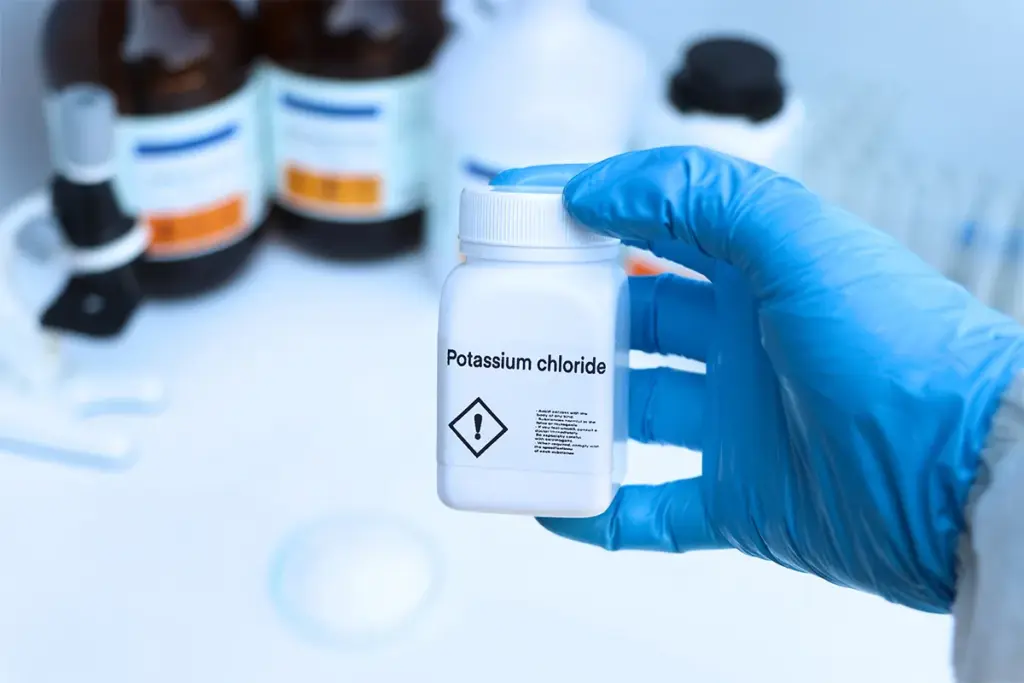
Potassium chloride is a mineral salt found naturally. It helps control heart rhythm and keeps fluids balanced in cells. If potassium levels get too low, doctors might give potassium chloride to fix the balance.
We’ll look into how potassium chloride helps with low potassium and its health benefits. Knowing its good and bad sides is key, whether you’re thinking of taking it as a supplement or seeing it in low-sodium foods.
Key Takeaways
- Potassium chloride is used to treat low potassium levels or hypokalemia.
- It helps regulate heart rhythm and maintain fluid balance within cells.
- Potassium chloride supplements can restore proper electrolyte balance.
- Understanding the benefits and risks is essential for safe use.
- It’s important to know it’s in low-sodium foods.
What Is Potassium Chloride and How Does It Work?
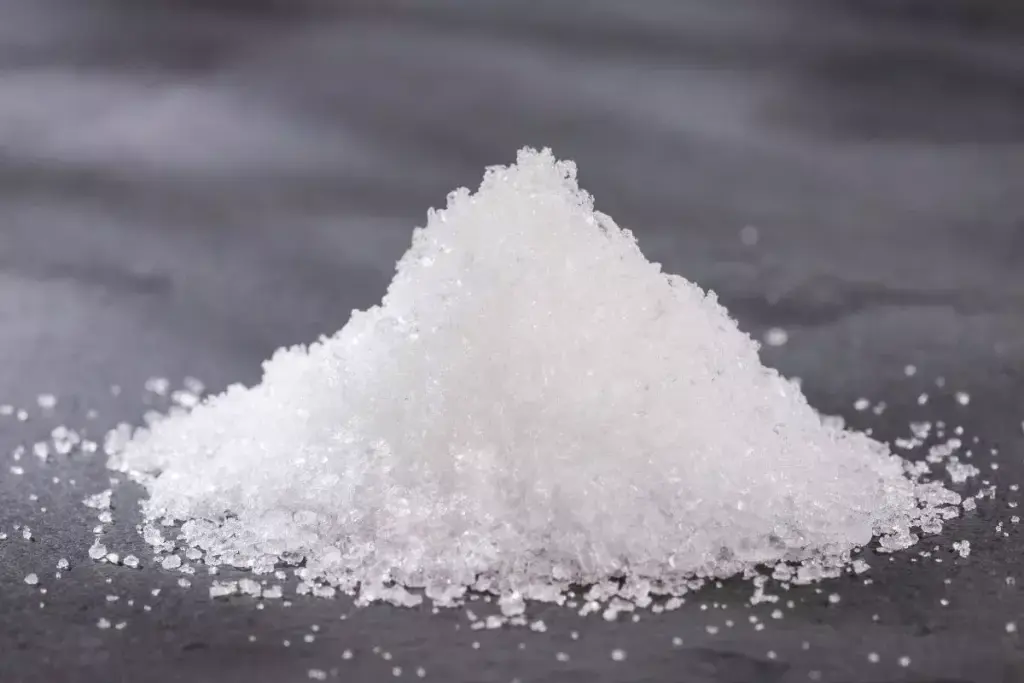
Potassium chloride is a mineral salt key to our health. It has potassium and chloride, helping our body work right.
The Science Behind This Essential Mineral Salt
Potassium chloride helps our nerves, muscles, and heart beat. It keeps our body fluids balanced and supports our heart.
Potassium chloride treats low potassium levels, known as hypokalemia. This can cause muscle weakness, tiredness, and irregular heartbeats. It helps fix these problems by adding potassium.
Natural Sources and Biological Functions
You can find potassium chloride in foods like bananas, spinach, and avocados. It’s also in supplements as tablets or powders. Our body uses it to keep blood pressure right, support bones, and help muscles move.
Potassium chloride does many things. It helps our heart beat right, supports our nerves, and helps muscles move. We need enough of it to stay healthy.
Commercial Uses in Medicine and Food
In medicine, potassium chloride treats low potassium. It comes in tablets and solutions for injection. It’s very important for people with low potassium.
In food, potassium chloride is a salt substitute. It’s in many foods to make them taste good without extra sodium. This is good for people who don’t eat much salt.
| Use | Description | Benefits |
| Medical Treatment | Used to treat hypokalemia and other potassium deficiency conditions. | Restores normal potassium levels, alleviates symptoms like muscle weakness and fatigue. |
| Dietary Supplement | Available in tablet or powder form to support overall health. | Supports bone health, helps regulate blood pressure. |
| Food Additive | Used as a salt substitute in processed foods. | Reduces sodium intake, enhances flavor without adding sodium. |
Understanding potassium chloride helps us see its value in medicine and food. It’s important for our health, making it a key compound.
Is Potassium Chloride Safe? Understanding the Safety Profile
Looking into potassium chloride’s safety means checking its benefits, risks, and how it’s watched by the FDA. We’ll dive into its health perks, its role as a salt substitute, the right amounts to take, and the FDA’s view on it.
Medical Benefits and Therapeutic Uses
Potassium chloride is key in treating low potassium levels, which can be very dangerous. It’s given by mouth or through an IV, based on how bad the deficiency is. It’s a proven lifesaver for severe cases of low potassium.
Therapeutic uses help manage low potassium levels, or hypokalemia. Doctors often give it to patients at risk of or with low potassium due to illness or treatment.
Potassium Chloride as a Salt Substitute
For those cutting down on sodium, potassium chloride is a good salt substitute. It tastes like regular salt but has no sodium. But, too much can cause hyperkalemia, or too much potassium in the blood.
Recommended Dosages and Administration Guidelines
The right amount of potassium chloride depends on many factors. Doctors decide the dose and how to give it. Taking it by mouth needs careful following of the dose to avoid stomach problems. Giving it through an IV needs close watch in a hospital.
- Adults usually take 20 to 100 mEq per day, spread out in doses.
- IV potassium chloride should not go faster than 10 mEq per hour usually.
- It’s key to keep an eye on potassium levels to prevent too much.
Safety Record and FDA Regulations
The FDA says potassium chloride is safe for its approved uses. The FDA checks its making, labeling, and selling to make sure it’s safe and works well. But, it can be risky if taken too much or the wrong way.
Safety steps include sticking to the right dose and knowing the signs of too much potassium. People with kidney problems or other issues with potassium should be careful and see a doctor.
Potential Risks and Precautions
Potassium chloride is good for treating low potassium levels and reducing sodium. But, it’s important to know the possible side effects. These can include nausea, vomiting, and diarrhea.
It’s key to follow your doctor’s advice when taking potassium chloride. Even over-the-counter products like Nu-Salt need careful use. Always stick to the recommended dosage and how to take it.
Some people might have issues with salt potassium chloride. This can lead to stomach problems. Whether potassium chloride is good for you depends on your health and how you use it. It’s not right for everyone.
Before buying potassium chloride or using it as a salt substitute, talk to a doctor. They can help weigh the risks and benefits. Using products like Otassil under a doctor’s watch can help avoid bad side effects.
FAQ
What is potassium chloride used for?
Potassium chloride is used to prevent or treat low blood potassium (hypokalemia).
Is potassium chloride safe to use?
It is safe when used as prescribed, but overdose or misuse can be dangerous.
What are the dangers of potassium chloride?
High doses can cause hyperkalemia, heart rhythm disturbances, muscle weakness, or even cardiac arrest.
Can you buy potassium chloride over the counter?
Most forms require a prescription, though low-dose supplements may be available OTC in limited amounts.
How does potassium chloride work?
It replenishes potassium in the blood, supporting nerve, muscle, and heart function.
What are the side effects of potassium chloride?
Side effects include nausea, vomiting, stomach pain, diarrhea, and in severe cases, heart arrhythmias.
Is potassium chloride a salt?
Yes, potassium chloride is a mineral salt composed of potassium and chloride ions.
What is the recommended dosage of potassium chloride?
Dosage varies by patient and condition, typically prescribed by a doctor based on blood potassium levels.
Are there any precautions I should take when using potassium chloride?
Avoid overdose, follow your doctor’s instructions, monitor potassium levels, and inform your provider of kidney or heart issues.