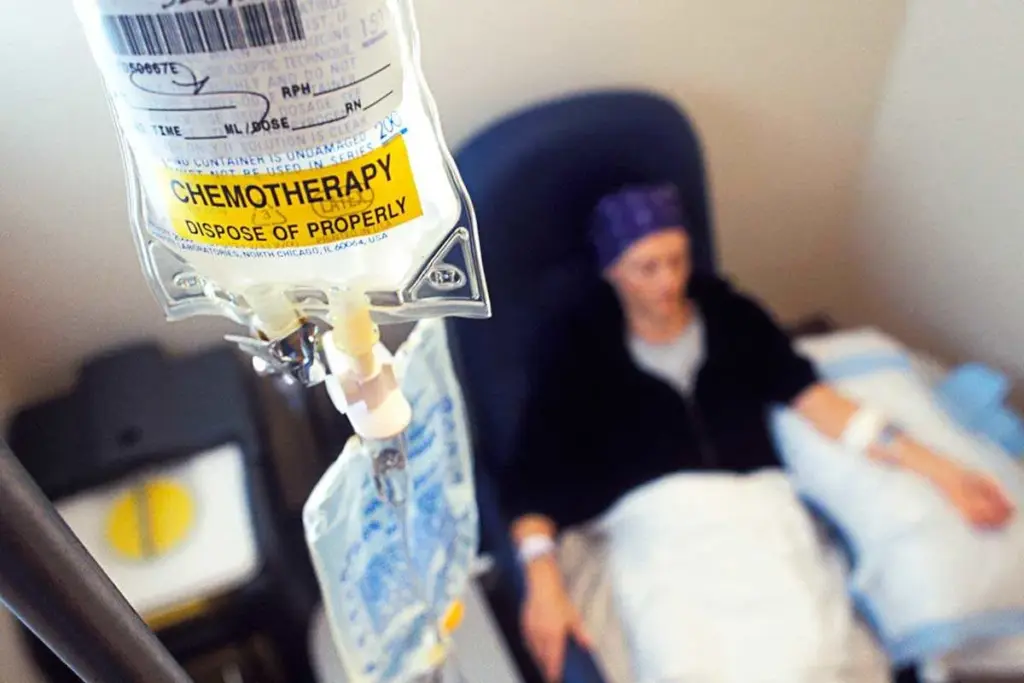
As we explore new ways to fight cancer, we see that non-chemotherapy methods are becoming more popular. The American Cancer Society predicts that in 2025, there will be almost 2 million new cancer cases and over 618,000 cancer deaths in the US.Can you fight back without chemo? Explore the question: is there a cure for cancer? Discover amazing non-toxic ways to heal your body now.
We are witnessing a significant shift in cancer treatment approaches. Now, we’re focusing more on immunotherapy and targeted therapies. These new treatments are changing lives by improving outcomes and quality of life for many patients around the world. By looking into these options, we can learn more about finding a cure and how to fight cancer better.
Key Takeaways
- Cancer treatment is evolving beyond chemotherapy.
- Immunotherapy and targeted therapies are gaining traction.
- New approaches are improving patient outcomes and quality of life.
- Innovative treatments offer hope for a cancer cure.
- Understanding these alternatives is key for patients and healthcare providers.
The Current Landscape of Cancer in the United States
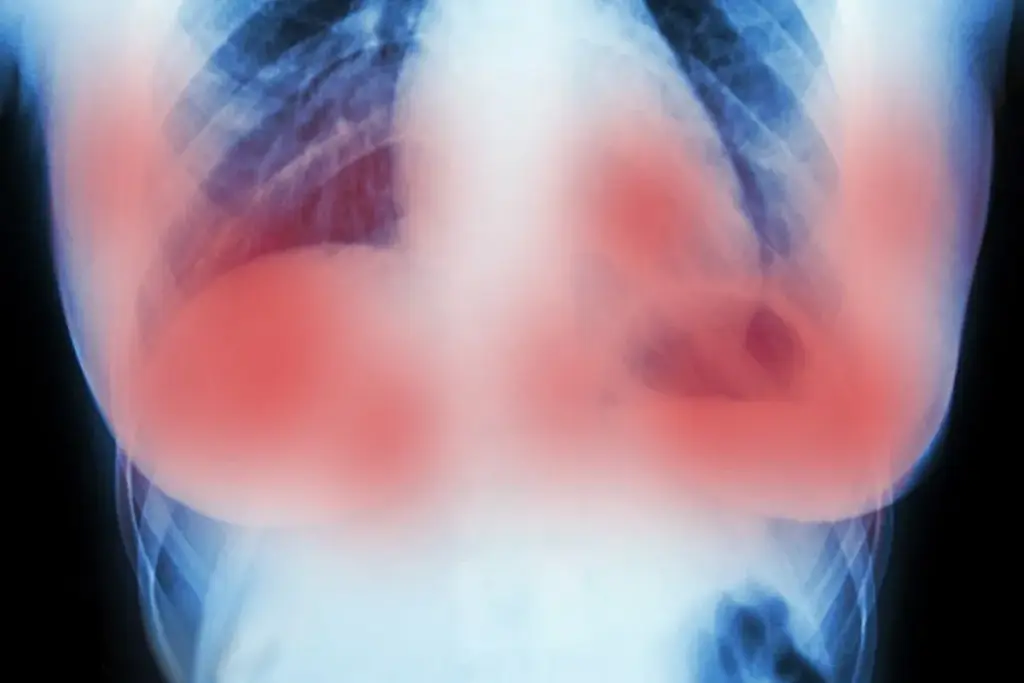
Cancer is a big health problem in the US. The American Cancer Society says there will be almost 2 million new cases in 2025.
This number shows we are in a long fight against cancer. We need good treatments. Knowing the current stats and future outlook is key.
Key Statistics and Projections for 2025
The data shows a worrying trend:
|
Category |
2025 Projections |
|---|---|
|
New Cancer Cases |
Nearly 2 million |
|
Cancer Deaths |
Over 618,000 |
Why Patients Are Seeking Alternatives to Chemotherapy
With so many cases and deaths expected in 2025, patients want alternatives to chemotherapy. They want to avoid harsh side effects and live better. Immunotherapy and new treatments are being looked at as possible choices.
As cancer changes, we must explore these new options. We need to understand their benefits.
Understanding How Cancer Develops and Why Alternative Approaches Matter
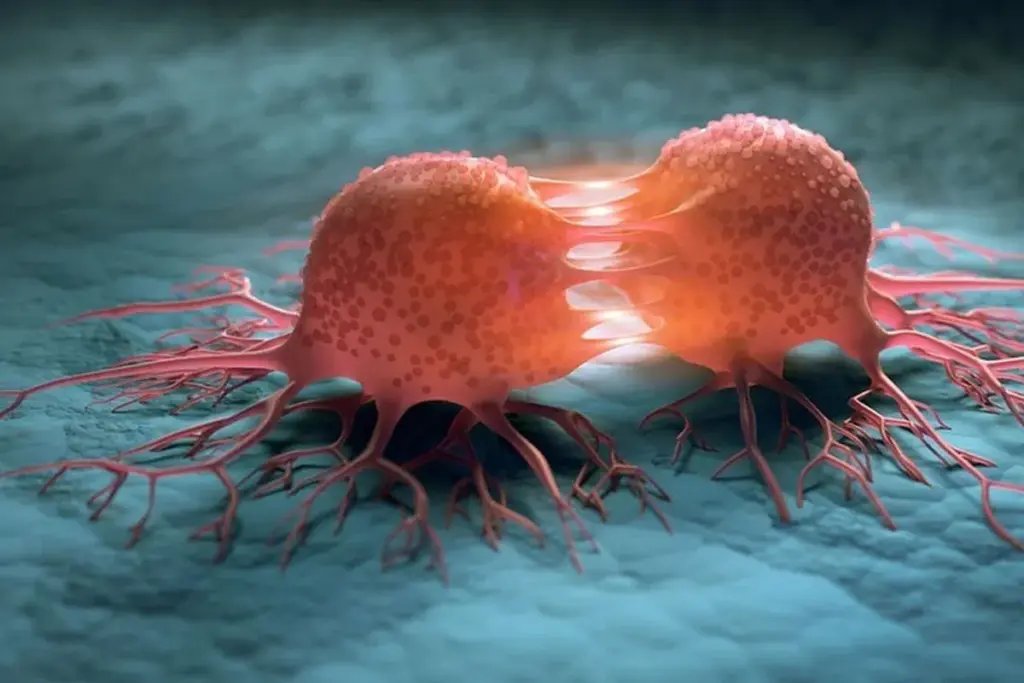
It’s key to understand how cancer grows to find good treatments. Cancer is a complex disease caused by genetics, environment, and lifestyle. Learning about cancer’s growth helps us see why new treatments are important.
The Biological Mechanisms of Cancer Growth
Cancer starts with genetic mutations that let cells grow out of control. These changes can come from family history or environmental factors. The process involves many biological pathways, like cell cycle and apoptosis.
Targeting Cancer’s Vulnerabilities Without Chemotherapy
Alternative treatments aim to hit cancer’s weak spots without harming healthy cells. Studies on natural compounds, like green tea catechins, show they can slow cancer. These methods help the body fight cancer better, giving hope beyond traditional treatments.
|
Approach |
Description |
Potential Benefits |
|---|---|---|
|
Targeted Therapy |
Drugs that target specific genetic mutations or proteins involved in cancer growth |
Reduced harm to normal cells, improved efficacy |
|
Immunotherapy |
Treatments that enhance the immune system’s ability to recognize and attack cancer cells |
Increased cancer cell death, improved survival rates |
|
Nutritional Therapy |
Dietary interventions aimed at starving cancer cells or boosting the immune system |
Enhanced overall health, potentially slowing cancer growth |
Leveraging Immunotherapy to Activate Your Body’s Natural Defenses
Now, patients can use immunotherapy to fight cancer with their body’s own defenses. This new approach is changing how we treat cancer. It’s a better option than traditional chemotherapy.
How Immune Checkpoint Inhibitors Work
Immune checkpoint inhibitors help the immune system fight cancer better. They remove the brakes on the immune system. This lets it attack cancer cells more effectively.
These inhibitors target proteins that cancer cells use to hide from the immune system. This includes PD-1 and CTLA-4.
Success Story: Pembrolizumab Reducing Recurrence Risk by 34%
Pembrolizumab is a checkpoint inhibitor that has shown great results. It can lower the chance of cancer coming back by up to 34% in some cancers. This gives patients new hope.
Monoclonal Antibodies: Precision-Guided Missiles Against Cancer
Monoclonal antibodies are made in the lab to target cancer cells. They are designed to deliver therapy directly to cancer cells. This helps avoid harming healthy tissues.
- Monoclonal antibodies can target specific cancer proteins.
- They can be engineered to boost the immune system’s fight against cancer.
- Monoclonal antibodies offer a precise way to treat cancer.
Cytokine Therapies: Boosting Immune Response
Cytokine therapies use proteins to boost the immune system’s fight against cancer. Cytokines, like interleukins and interferons, activate immune cells. They help these cells attack cancer cells.
Key benefits of cytokine therapies include:
- They enhance the immune response against cancer cells.
- They activate immune cells, such as T-cells and natural killer cells.
- They can be used with other immunotherapies.
Engineering Your Immune Cells to Become Cancer Fighters
The field of cancer treatment is seeing a big change with new immunotherapies. These therapies make immune cells fight cancer. They use the body’s natural defenses to better fight cancer cells.
CAR T-Cell Therapy is a big hope for treating blood cancers. It’s also being tested for solid tumors. This therapy makes T-cells find and attack cancer cells better.
CAR T-Cell Therapy: Expanding from Blood Cancers to Solid Tumors
CAR T-cell therapy has changed how we treat some blood cancers. Now, scientists are trying to use it for solid tumors too. These tumors are harder to fight because of their environment. But, early tests show it might work well.
TCR Therapy: Programming T-Cells for Enhanced Cancer Recognition
TCR therapy makes T-cells better at finding cancer. It does this by changing the T-cells to recognize cancer better. This therapy is being tested for many cancers and looks promising.
Tumor-Infiltrating Lymphocyte (TIL) Therapy: Harvesting Your Natural Cancer Fighters
TIL therapy takes lymphocytes from tumors, grows them, and puts them back in the body. It works for some cancers, like melanoma. This therapy uses the body’s immune system to fight cancer.
These new therapies are a big step forward in fighting cancer. They give hope to patients and their families. As research keeps going, we’ll see these treatments get even better.
Targeting Cancer’s Specific Mutations with Precision Medicine
Precision medicine has brought hope to cancer patients. It focuses on the genetic causes of their disease. This method leads to more targeted and effective treatments, reducing the need for traditional chemotherapy.
How Kinase Inhibitors Block Cancer Growth Signals
Kinase inhibitors are a promising class of drugs in precision medicine. They block specific enzymes (kinases) that help cancer cells grow. By stopping these enzymes, kinase inhibitors can slow down cancer cell growth.
Key Benefits of Kinase Inhibitors:
- Targeted therapy with fewer side effects compared to traditional chemotherapy
- Effective in treating cancers driven by specific genetic mutations
- Can be used in combination with other treatments to enhance efficacy
Inavolisib-Based Combinations: Doubling Time Before Cancer Progression
Inavolisib is a new drug that shows promise in treating certain cancers. It works best when combined with other targeted therapies. Clinical trials show that inavolisib combinations can double the time before cancer gets worse in patients with specific genetic mutations.
The use of inavolisib in combination therapies represents a promising avenue for improving treatment outcomes.
Identifying and Treating PIK3CA Mutations in Breast Cancer
PIK3CA mutations are common in breast cancer. Precision medicine helps find these mutations. This allows for targeted treatments that can greatly improve outcomes. By knowing a patient’s cancer genetics, doctors can tailor treatments to fit their disease.
Key Considerations for PIK3CA Mutations:
- Genetic testing to identify PIK3CA mutations
- Targeted therapies designed to address the specific mutation
- Ongoing monitoring to adjust treatment plans as necessary
Is There a Cure for Cancer? Exploring Breakthrough Treatments
Researchers are working hard to find a cure for cancer. They are looking at new treatments that are not just traditional chemotherapy. New discoveries in medicine are giving hope to people all over the world.
Next-Generation Cancer Vaccines for Prevention and Treatment
Cancer vaccines are a big hope for fighting cancer. New vaccines are being made to stop and treat different cancers. They help the body’s immune system fight cancer cells.
For example, vaccines against human papillomavirus (HPV) are helping prevent cervical and other HPV-related cancers. Researchers are also making vaccines to treat cancers that already exist. These vaccines aim to boost the body’s immune response against cancer cells.
Antibody-Drug Conjugates: Smart Bombs Against Cancer Cells
Antibody-drug conjugates (ADCs) are a new way to fight cancer. They are like “smart bombs” that target cancer cells but not healthy tissues. ADCs have an antibody that finds cancer cells and a drug that kills them.
- Targeted therapy with minimal side effects
- Effective against various types of cancer, including those resistant to traditional treatments
- Ongoing research is focused on improving ADC design and efficacy
Oncolytic Virus Therapy: Infecting Cancer to Destroy It
Oncolytic virus therapy uses viruses to kill cancer cells. These viruses are made to target cancer cells and also to make the immune system fight the tumor.
“Oncolytic virus therapy represents a promising frontier in cancer treatment, with a dual mechanism of directly killing tumor cells and activating the immune system against cancer.”
— An Oncologist
This therapy is being tested for many cancers. Some treatments are already showing good results in clinical trials.
As research keeps moving forward, these new treatments give hope to cancer patients. By looking into new therapies like cancer vaccines, ADCs, and oncolytic virus therapy, we are getting closer to a cure for cancer.
Strengthening Your Body Naturally Against Cancer
Empowering your body to fight cancer naturally means using a variety of methods. These methods work alongside traditional treatments. They help your body fight cancer cells more effectively.
Evidence-Based Nutritional Approaches That Kill Cancer Cells
Nutrition is key in fighting cancer. Some foods and supplements can help kill cancer cells. For example, green tea catechins have shown promise in research.
Eating a diet full of fruits, vegetables, and whole grains boosts your body’s defenses. This helps your body fight cancer better.
Mind-Body Therapies to Support Immune Function
Mind-body therapies like meditation and yoga are also important. They help reduce stress and boost your immune system. These practices can improve your overall health and help fight cancer.
Adding mind-body therapies to your treatment plan can lead to better results. It’s a way to support your body’s natural defenses.
Exercise Protocols That Improve Cancer Treatment Outcomes
Exercise is a vital part of natural cancer treatment. It helps improve treatment results and lowers the chance of cancer coming back. Creating an exercise protocol that fits you can keep you active and support your body’s fight against cancer.
Combining these natural methods creates a strong plan to fight cancer. It’s important to work with healthcare experts to include these approaches in your treatment.
Creating Your Non-Chemotherapy Treatment Plan
A non-chemotherapy treatment plan means looking into new therapies and combining them into a single care plan. This way, patients can use the latest cancer treatments without chemotherapy.
Finding and Qualifying for Cutting-Edge Clinical Trials
Finding clinical trials with new therapies is key in a non-chemotherapy plan. Patients can search with their oncologist or use trusted databases. To join these trials, you must meet certain criteria like cancer type and health status.
For example, studies on Bojungikki-tang, a traditional herbal mix, show it can improve cancer treatment. This shows how adding alternative treatments to your plan can be beneficial.
Essential Questions to Ask Your Oncologist About Non-Chemo Options
When talking to your oncologist about non-chemo options, ask the right questions. Ask about the newest clinical trials, the benefits and risks of new treatments, and how they fit into your care plan.
- What clinical trials am I eligible for?
- How do alternative therapies like immunotherapy or targeted therapy work?
- What are the possible side effects of these treatments?
Building a Multidisciplinary Cancer Care Team
A team of experts is important for a non-chemotherapy plan. This team includes oncologists, immunologists, nutritionists, and more. They work together to give you the best care with the latest treatments.
Real-Life Success Stories: Patients Who Survived Cancer Without Chemotherapy
Stories of cancer survivors who chose non-chemotherapy treatments offer hope. They show that there are many ways to fight cancer. These stories inspire and teach patients and their families about different treatment options.
Case Studies and Their Treatment Approaches
Many case studies show the success of non-chemotherapy treatments. For example, immunotherapy boosts the body’s immune system to fight cancer. Immunotherapy has shown great promise in clinical trials.
“I’ve seen the power of immunotherapy in treating advanced cancer,” says a leading oncologist. “It can greatly improve survival rates.”
Liv Hospital’s Innovative Non-Chemotherapy Cancer Programs
Liv Hospital leads in non-chemotherapy cancer programs. They use advanced treatments like CAR T-cell therapy and targeted therapy. These treatments have shown great results in certain cancers.
- CAR T-cell therapy: A form of immunotherapy that involves removing T cells from the patient’s blood, modifying them to recognize cancer cells, and reinfusing them.
- Targeted therapy: Treatments that target specific genes or proteins to stop cancer growth.
Lessons Learned from Long-Term Cancer Survivors
Long-term survivors often share common traits. They have a strong support system and a proactive treatment approach. They also make lifestyle changes to support their health.
“The journey through cancer is not just about surviving; it’s about thriving. It requires a holistic approach that includes medical treatment, emotional support, and lifestyle adjustments,” says a long-term survivor.
By looking at these success stories, we learn how to manage cancer without chemotherapy. Liv Hospital’s focus on new treatments shows a hopeful future in cancer care.
Conclusion: Embracing the Future of Cancer Treatment Beyond Chemotherapy
The future of cancer treatment is exciting and changing fast. New, personalized methods are leading the way. These include immunotherapy, targeted therapies, and other alternatives. They offer hope to those fighting cancer.
A big step forward is the new therapy combining inavolisib, palbociclib, and fulvestrant. It has shown great promise in treating PIK3CA-mutated HR+, HER2- breast cancer. This therapy could lead to better survival rates..
The shift away from chemotherapy is towards precision medicine and using the body’s defenses. Treatments like inavolisib-based combinations are showing great promise. The aim is to offer treatments that are effective and tailored to each patient. This will help improve outcomes and quality of life for those with cancer.
FAQ
What are the alternatives to chemotherapy for cancer treatment?
Alternatives to chemotherapy include immunotherapy, targeted therapies, and precision medicine. Holistic approaches like nutritional strategies, mind-body therapies, and exercise protocols are also options.
How does immunotherapy work in fighting cancer?
Immunotherapy uses the body’s defenses to fight cancer. It employs immune checkpoint inhibitors, monoclonal antibodies, and cytokine therapies. These help boost the immune response against cancer cells.
What is precision medicine and how is it used in cancer treatment?
Precision medicine targets specific genetic mutations in cancer. It uses therapies like kinase inhibitors and inavolisib-based combinations. These have shown promise in treating certain cancers.
Can cancer be cured without chemotherapy?
Yes, some patients have survived cancer without chemotherapy. Alternative approaches like immunotherapy, targeted therapies, and holistic care have shown promise.
What are the benefits of a non-chemotherapy treatment plan?
A non-chemotherapy plan offers a personalized approach to cancer care. It leverages the body’s defenses and targets specific cancer vulnerabilities. This can be less toxic than traditional treatments.
How can I find clinical trials for non-chemotherapy cancer treatments?
To find clinical trials, talk to your oncologist or search online databases. Contact cancer research centers for more information. Discuss your options with a multidisciplinary care team to find the best treatment.
What are some evidence-based nutritional approaches to support cancer treatment?
Evidence-based nutritional approaches include dietary strategies that kill cancer cells or support immune function. These can be used alongside conventional treatments to improve outcomes.
How can mind-body therapies support cancer treatment?
Mind-body therapies like meditation and yoga support immune function and overall well-being. They can improve outcomes and quality of life during cancer treatment.
Are there any success stories of patients surviving cancer without chemotherapy?
Yes, many patients have survived cancer without chemotherapy. Their success often involves alternative approaches like immunotherapy, targeted therapies, and holistic care.
What is the role of exercise in cancer treatment?
Exercise improves cancer treatment outcomes by supporting immune function and reducing side effects. It enhances overall well-being. Specific exercise protocols can be tailored to individual needs.
Will there ever be a cure for cancer?
While a single “cure for cancer” may not be imminent, research and advancements are bringing hope. Innovative approaches like immunotherapy, targeted therapies, and precision medicine are transforming cancer care.
What kills cancer cells in the body naturally?
The body naturally fights cancer with immune cells and certain nutritional strategies. Immunotherapy and other alternative approaches can support and enhance these defenses.
How does cancer kill you?
Cancer can kill through uncontrolled cell growth, organ damage, and metabolic disturbances. Understanding how cancer progresses is key to developing effective treatments.
Why is there no single cure for cancer?
Cancer is complex, with different types and subtypes driven by various factors. A single “cure” is unlikely. Treatments must be tailored to individual needs and cancer characteristics.
Can cancer be cured?
While some cancers can be cured, others may not. Treatment outcomes depend on cancer type, stage, and individual response. Ongoing research and advancements are improving the prospects for a cure.
References
National Center for Biotechnology Information. Evidence-Based Medical Insight. Retrieved from https://pubmed.ncbi.nlm.nih.gov/38385702/