Artificial Fertilisation, commonly known as IVF, is a major medical treatment combining sperm and egg in a lab to achieve pregnancy. It expands Fertility treatment options.
Send us all your questions or requests, and our expert team will assist you.
Artificial Fertilisation is the general term for medical procedures that help achieve pregnancy by handling the egg and/or sperm. The most advanced and common form of this treatment is In Vitro Fertilization (IVF). At LIV Hospital, we use IVF to overcome various types of infertility, offering hope to couples who cannot conceive naturally.
The term highlights that the fertilization process occurs outside the mother’s body, under the careful control of our specialized laboratory team. This involves several complex, precisely timed steps, from hormone stimulation to embryo transfer. IVF is considered the most effective of all Fertility treatment options for many forms of severe infertility, helping to bypass both male and female reproductive barriers.


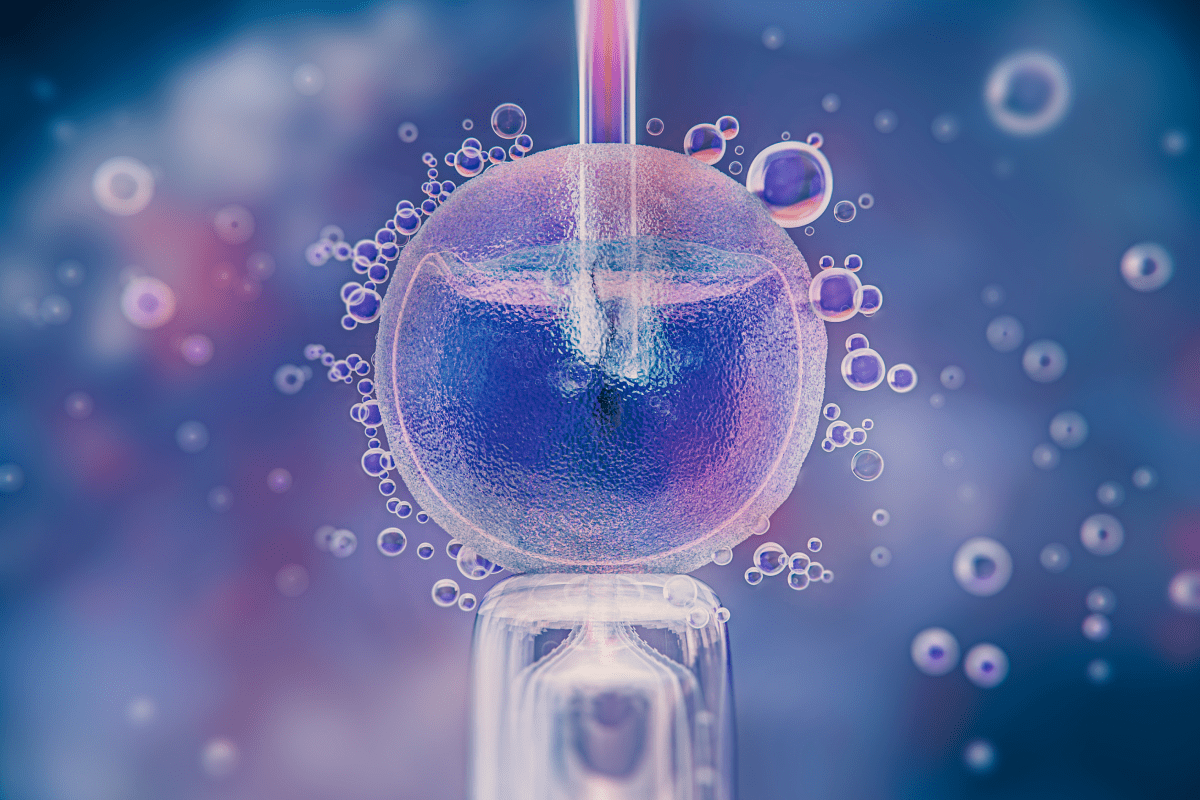
In Vitro Fertilization (IVF) is defined as the procedure where an egg is retrieved, fertilized by sperm in a culture dish (in vitro means ‘in glass’ or ‘in the lab’), and then the resulting embryo is transferred into the woman’s uterus. The process requires precise control over the cellular environment.
The term etymology reflects the scientific nature of the process. The Latin phrase in vitro clearly separates this method from natural fertilization (in vivo). The procedure has been refined since the first successful birth in 1978, incorporating advanced techniques to maximize successful implantation and healthy pregnancy.
The earliest stages of human development are carefully monitored to select the most viable embryos for transfer.


It is important for patients considering Artificial Fertilisation to understand the specific differences between the available procedures.
IVF is a versatile solution used to treat a wide array of reproductive health issues in both men and women. It is considered a primary choice within Fertility treatment options for many conditions.
Artificial Fertilisation procedures directly involve the reproductive organs, but the entire process is regulated by the endocrine (hormonal) system.

IVF’s significance lies in its ability to overcome biological barriers that were previously untreatable, giving millions of people the chance to become parents. It has fundamentally changed the landscape of reproductive medicine.
Beyond conception, IVF technology has driven crucial advances in genetics. The ability to monitor IVF embryo development in a controlled environment has led to a deeper understanding of human embryology and preimplantation development. Furthermore, techniques like freezing eggs and embryos have provided options for fertility preservation for individuals facing medical treatments like cancer therapy.
The successful execution of Artificial Fertilisation requires the precise collaboration of highly specialized medical and scientific teams, ensuring patient safety and optimal outcomes.
Send us all your questions or requests, and our expert team will assist you.
Warning signs include failure to conceive after one year of trying for women under 35, or after six months for women 35 and older.
High-risk groups include women over the age of 35, individuals with a history of Pelvic Inflammatory Disease (PID) or sexually transmitted infections, and men with poor semen analysis results.
Yes, female symptoms often involve menstrual cycle issues or pelvic pain, while male symptoms are typically asymptomatic but diagnosed through semen analysis showing low count or poor motility.
Significant lifestyle risks include smoking, excessive alcohol consumption, extreme weight fluctuations (either significantly underweight or obese), and high levels of chronic stress.
Some causes of infertility, such as certain genetic syndromes (e.g., specific chromosomal rearrangements) or conditions like premature ovarian insufficiency, can have a hereditary component that may run in families.


Guide to the ideal location where in the uterus does the embryo implant (upper posterior wall). Knowing embryo implantation location is key for a healthy

Explaining the best location where do embryos implant in the uterus for successful pregnancy. Embryo implantation is a key step in human reproduction, starting a
The bloating after embryo transfer is filled with hope and worry. People watch their bodies for signs of a successful embryo implantation. Knowing what to
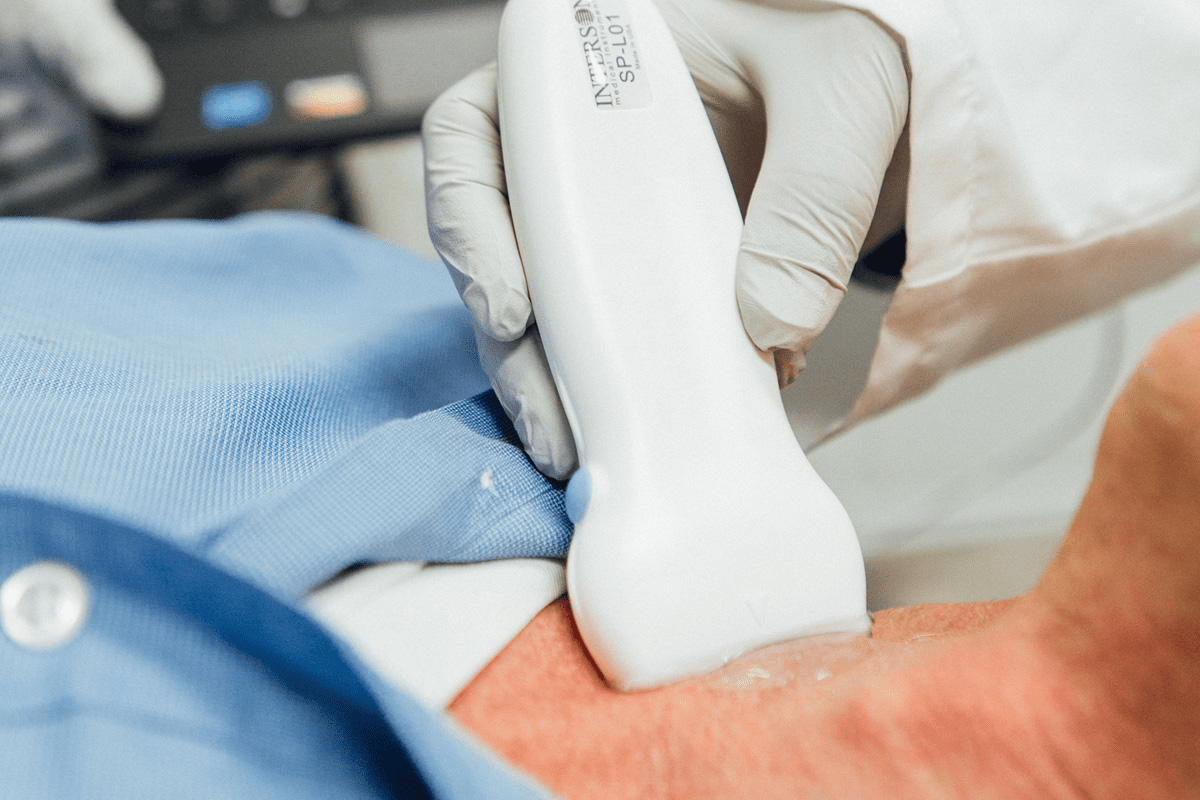
FET ultrasound is key in modern fertility treatments. It helps place embryos exactly in the uterus. This makes IVF treatments more successful for many people.

The Depo-Provera shot is a popular birth control option for many women. But, it’s important to know what happens when you stop using it. This

Leave your phone number and our medical team will call you back to discuss your healthcare needs and answer all your questions.
Your Comparison List (you must select at least 2 packages)