Learn about Intracytoplasmic Sperm Injection (ICSI) Diagnosis and Tests, focusing on routine and advanced screening methods for children conceived via ART.
We're Here to Help. Get in Touch.
Send us all your questions or requests, and our expert team will assist you.
Procedure Steps
At LIV Hospital, ensuring the lifelong health of children conceived through Intracytoplasmic Sperm Injection (ICSI) is prioritized through a rigorous diagnostic pathway. Because ICSI is a form of Assisted Reproductive Technology (ART), our screening protocols are comprehensive, focusing on early detection of potential health variations, particularly in cardiovascular development and genetic conditions that may be linked to the underlying cause of needing IVF with ICSI.
Routine Screening Tests: Prenatal and Newborn
Screening begins even before birth and continues immediately after delivery. These standard, non-invasive tests are essential for all pregnancies, especially those involving ART.
Fetal Ultrasound and Anatomy Scan:
Detailed ultrasounds are routinely performed to monitor fetal growth and examine all major organs for proper formation.
A comprehensive anatomy scan (around 20 weeks) meticulously checks the fetal structure.
Fetal Echocardiogram:
This specialized ultrasound of the fetal heart is often recommended for pregnancies resulting from ICSI due to a slightly increased, though low, risk of congenital heart defects.
It provides detailed images of the heart chambers, valves, and blood flow patterns while the baby is in the womb.
Newborn Screening Panel:
All newborns undergo a standard heel prick test to screen for metabolic, genetic, and hormonal disorders that require immediate management.
Advanced Diagnostic Methods
When routine screening or clinical symptoms suggest a potential issue, advanced diagnostic methods are used to achieve a definitive diagnosis with high precision.
Pediatric Echocardiogram:
This is the most common non-invasive test used after birth if a heart murmur or structural issue is suspected.
It uses sound waves to generate real-time moving images of the heart’s function and structural integrity.
Cardiac Magnetic Resonance Imaging (MRI):
Provides high-resolution, detailed images of the heart muscle, associated blood vessels, and soft tissues without the use of radiation.
It is vital for clarifying complex or rare anatomical defects.
Diagnostic Catheterization:
A minimally invasive procedure where a thin tube is guided to the heart to directly measure blood pressure and oxygen saturation within the chambers.
This provides critical functional data used for planning surgical or interventional procedures.
What to Expect During an Echocardiogram
The echocardiogram is a vital, painless, and safe diagnostic tool. Understanding the procedure can help parents keep their child calm, which is essential for clear results.
The child will lie comfortably on an exam table, and a parent is usually encouraged to stay close.
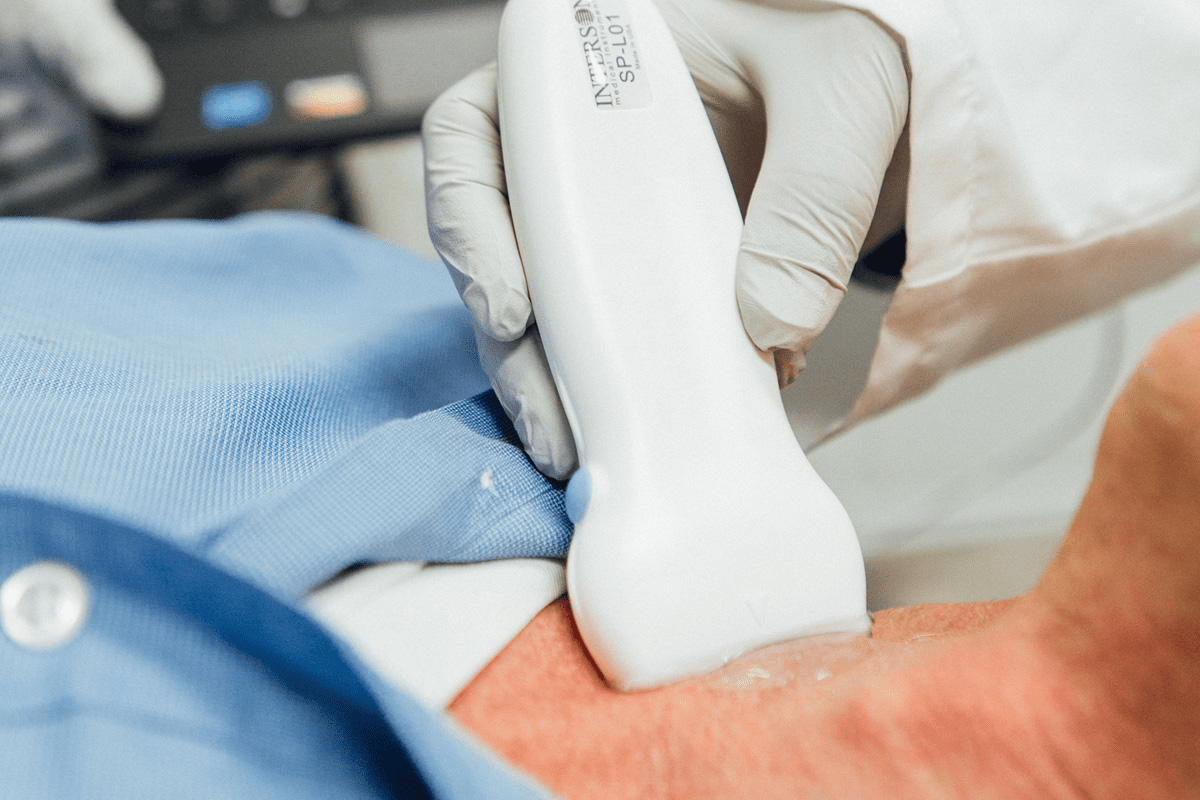
A technician applies a clear gel to the chest area to ensure sound waves transmit clearly.
A small handheld device called a transducer is gently moved across the chest, capturing live images of the heart.
The test usually takes 30 to 60 minutes and is a key part of monitoring long-term health outcomes following Assisted reproductive technology ICSI.
How to Prepare for Diagnostic Tests
Proper preparation is essential for reducing anxiety and ensuring the child is cooperative, which leads to clearer, higher-quality results.
For Echocardiogram/MRI:
Dress the child in loose, comfortable clothing for easy access to the chest area.
For infants, timing the test after a feeding to encourage quietness or sleep is often helpful.
Bringing a favorite book or toy for distraction and comfort is highly recommended.
For Specialized Tests (e.g., Catheterization):
These require strict pre-test preparation, often including a period of fasting and potentially sedation. Detailed, specific instructions will be provided by your LIV Hospital care team.
Imaging Techniques Used
LIV Hospital uses advanced, child-safe imaging technologies to ensure accurate diagnosis with minimal invasiveness for children conceived via IVF with ICSI.
Doppler Ultrasound Technology:
The cornerstone of non-invasive diagnosis, relying on sound waves and no radiation.
Doppler technology specifically assesses the speed and direction of blood flow, which is crucial for evaluating valve function.
Magnetic Resonance Imaging (MRI):
Excellent for detailed anatomical imaging of soft tissues and complex vessel structures using magnetic fields and radio waves.
Sedation may be used for very young children to ensure they remain perfectly still during the lengthy scanning time.
Echocardiogram:
The primary moving-picture technology used, allowing doctors to watch the heart pump and its valves open and close in real time.
Understanding the Test Results
Once testing is complete, LIV Hospital specialists meticulously analyze the data and provide clear, compassionate communication of the results to the parents.
What Doctors Look For: Specialists evaluate the child’s organ size and function, specifically looking for structural anomalies (e.g., holes in the heart), proper heart valve function, and the absence of abnormal rhythms.
Results Timeline:
Routine blood test results are typically available within a few days.
Detailed imaging reports (Echo, MRI) are reviewed by the pediatric specialist and usually shared with the family in a dedicated follow-up consultation within one week.
The doctor will explain the findings, compare them to normal ranges, and discuss any necessary treatment plans.
When Do You Need Advanced Imaging or Testing?
Advanced or invasive testing is not a routine part of follow-up but is initiated by specific clinical findings or strong indications of risk.
Abnormal Clinical Signs:
If the child exhibits persistent symptoms like cyanosis (blue skin tone) or severe exercise intolerance, requiring immediate definitive diagnosis.
Complex or Unclear Defects:
When routine echocardiography suggests a complex congenital heart defect that requires the superior anatomical detail provided by a Cardiac MRI.
Before Intervention:
Diagnostic cardiac catheterization is a prerequisite for most interventional (catheter-based) repairs, confirming pressures and anatomy just before the procedure.
30 Years of Excellence
Trusted Worldwide
With patients from across the globe, we bring over three decades of medical
Send us all your questions or requests, and our expert team will assist you.
FREQUENTLY ASKED QUESTIONS
What tests are used to diagnose potential conditions in ICSI children?
The core tests are the prenatal fetal echocardiogram, standard newborn metabolic screening, and the pediatric echocardiogram after birth.
How do I prepare my child for an echocardiogram?
Ensure your child is calm and comfortable. Dress them in two-piece clothing, and time the test during a quiet, contented period if possible.
Is pediatric cardiac testing painful?
No, common diagnostic tests like the echocardiogram, Cardiac MRI, and Holter monitoring are entirely non-invasive and painless. Invasive tests are performed under sedation.
How accurate are LIV Hospital’s specialized diagnostic tests?
LIV Hospital utilizes state-of-the-art imaging technology and interpretation by specialized pediatric cardiologists, ensuring the highest accuracy in diagnosing congenital conditions.
When do I need advanced imaging or testing?
Advanced imaging (like MRI or catheterization) is typically needed only if symptoms are present, routine screening suggests a complex issue, or before a planned intervention.
Explaining where in the uterus does the embryo implant Safely
Guide to the ideal location where in the uterus does the embryo implant (upper posterior wall). Knowing embryo implantation location is key for a healthy
Optimal Site: where do embryos implant in the uterus?
Explaining the best location where do embryos implant in the uterus for successful pregnancy. Embryo implantation is a key step in human reproduction, starting a
The bloating after embryo transfer is filled with hope and worry. People watch their bodies for signs of a successful embryo implantation. Knowing what to
FET ultrasound is key in modern fertility treatments. It helps place embryos exactly in the uterus. This makes IVF treatments more successful for many people.