Jw blood transfusion alternatives are highly effective. Read this vital safety guide for successful results and healthy medical solutions.
Jehovah’s Witnesses don’t get blood transfusions because of their beliefs. But, medicine has found ways to help them without blood.
With about 8.5 million followers worldwide, Jehovah’s Witnesses pose a big challenge for doctors. New treatments have been made to save lives without blood products.
It’s important for doctors to know about these options. This way, they can give Jehovah’s Witnesses the best care while respecting their beliefs.
Key Takeaways
- Jehovah’s Witnesses have alternative medical therapies available that respect their refusal of blood transfusions.
- Artificial oxygen carriers and erythropoietin stimulating agents are among the alternatives used.
- Understanding these options is key for healthcare providers to deliver respectful and effective care.
- Approximately 8.5 million Jehovah’s Witnesses worldwide present a unique challenge for medical practitioners.
- Medical advances continue to offer new strategies for treating patients without blood products.
The Religious Foundation Behind Blood Transfusion Refusal
Jehovah’s Witnesses refuse blood transfusions based on their faith. They follow non-blood therapies, guided by their beliefs. This choice affects over 8.5 million Witnesses worldwide.
Biblical Passages Cited by Jehovah’s Witnesses
Jehovah’s Witnesses rely on certain biblical passages to avoid blood transfusions. They see Genesis 9:4, Leviticus 17:10-14, and Acts 15:29 as clear warnings against blood consumption.
“Only flesh with its life—its blood—you must not eat.” – Genesis 9:4
They believe these scriptures ban not just eating blood but also accepting blood transfusions. They see it as consuming blood.
Historical Development of the Blood Doctrine
The Jehovah’s Witnesses’ stance on blood evolved. At first, they didn’t have a clear view on blood transfusions. But through their interpretations and resolutions, they now see them as against biblical teachings.
|
Year |
Development |
|---|---|
|
1945 |
The Watchtower, the official publication of Jehovah’s Witnesses, first addressed the issue of blood transfusions, advising against them. |
|
1961 |
The organization officially took a stand against blood transfusions, viewing them as violating God’s law. |
|
1978 |
Further clarification was provided, stressing the need to refuse blood transfusions even when life is at risk. |
This development has made Jehovah’s Witnesses’ stance on blood transfusions clear. It guides their medical choices and practices globally.
Current JW Blood Transfusion Policies and Guidelines
Jehovah’s Witnesses have a strict no-blood policy in their medical care. This policy is rooted in their religious beliefs. It limits their treatment options, mainly in blood transfusions.
Their stance on blood transfusions comes from their biblical interpretations. The Watchtower Society, their governing body, outlines what blood components are acceptable and what are not.
Acceptable vs. Prohibited Blood Components
Jehovah’s Witnesses avoid certain blood components. They are concerned with major blood parts like red and white blood cells, platelets, and plasma. But, what is acceptable can differ from person to person.
- They avoid whole blood, red blood cells, white blood cells, and platelets.
- Some may accept certain fractions like albumin, immunoglobulins, and clotting factors, depending on their beliefs and the medical situation.
Doctors should talk to patients about their views on these blood components. There can be a lot of variation.
Individual Conscience and Medical Decisions
Individual conscience plays a big role in medical decisions for Jehovah’s Witnesses. The Watchtower Society gives guidelines, but Witnesses make their own choices based on their faith.
“Each Christian must decide for himself; his decision should be based on ‘respect for the life-giving power of blood’ and a desire to ‘keep a clean conscience before God’.”
— Watchtower Publication
This approach allows for flexibility in medical choices. It respects the diverse views within the Jehovah’s Witness community.
Healthcare providers should have open talks with Jehovah’s Witness patients. This helps understand their wishes about blood products and medical treatments. It ensures care that respects their beliefs and meets their medical needs.
By understanding and respecting Jehovah’s Witnesses’ beliefs on blood transfusions, doctors can give care that fits their faith. They can use alternative medical strategies that align with their beliefs.
The Medical Challenge: Treating Patients Without Blood

Treating Jehovah’s Witnesses patients is a unique challenge. They refuse blood transfusions for religious reasons. Healthcare providers must find new ways to care for these patients.
Ethical Considerations for Healthcare Providers
Healthcare providers face tough choices when treating Jehovah’s Witnesses. They must care for the patient while respecting their right to refuse certain treatments. Understanding the patient’s beliefs and the legal and ethical sides of this is key.
Key ethical considerations include:
- Respecting patient autonomy and religious beliefs
- Providing informed consent and discussing alternative treatments
- Ensuring confidentiality and privacy
- Balancing beneficence and non-maleficence
Development of Bloodless Medicine Protocols
Bloodless medicine protocols have been developed to care for Jehovah’s Witnesses safely. These protocols use a team effort and the latest research to reduce blood transfusions.
Liv Hospital is a leader in this field. They use the latest academic protocols, including bloodless medicine. Their focus on innovation and patient care shows in how they treat Jehovah’s Witnesses.
|
Protocol Component |
Description |
Benefits |
|---|---|---|
|
Preoperative optimization |
Optimizing the patient’s condition before surgery |
Reduces the need for blood transfusions |
|
Intraoperative blood conservation |
Using techniques to minimize blood loss during surgery |
Reduces the risk of complications |
|
Postoperative care |
Monitoring and managing the patient’s condition after surgery |
Improves patient outcomes |
By using these protocols, healthcare providers can give Jehovah’s Witnesses patients the best care. This care respects their beliefs and keeps medical risks low.
Hemoglobin Optimization Strategies
For patients who can’t get blood transfusions, improving hemoglobin levels is key. This involves medical treatments and lifestyle changes. It’s a complex approach to help patients.
Boosting hemoglobin is vital in bloodless medicine. It affects oxygen delivery and health. Effective hemoglobin levels can greatly improve patient outcomes, lowering risks of complications and death.
Iron Supplementation Protocols
Iron supplements are a mainstay in boosting hemoglobin. Patients often need these to increase their hemoglobin. The type and amount of iron depend on the patient’s health and doctor’s advice.
Oral iron supplements are often used, but intravenous iron therapy might be needed for severe cases. It’s important to check iron levels and adjust the treatment as needed.
|
Type of Iron Supplement |
Dosage |
Administration Route |
|---|---|---|
|
Ferrous Sulfate |
325 mg |
Oral |
|
Ferric Carboxymaltose |
1000 mg |
Intravenous |
|
Iron Dextran |
500 mg |
Intravenous |
Erythropoietin Therapy
Erythropoietin (EPO) therapy is also key for improving hemoglobin. It boosts red blood cell production. This is helpful for patients with anemia from chronic diseases or chemotherapy.
Using EPO needs careful watch to avoid side effects. Too much can cause heart problems.
Vitamin Regimens for Blood Health
Vitamins like folic acid and vitamin B12 are vital for red blood cell production. Lack of these can cause anemia, a big issue for bloodless treatment patients.
Patients might take supplements or eat foods high in these vitamins. A balanced diet with iron, folic acid, and vitamin B12 is recommended.
Intraoperative Blood Conservation Techniques
For patients who can’t get blood transfusions, saving blood during surgery is key. This method uses different ways to cut down on blood loss during operations.
Cell Salvage Systems are a big part of saving blood during surgery. They collect and clean up blood lost during surgery. Then, they put it back into the patient. This cuts down on the need for blood from others and saves the patient’s own blood.
Cell Salvage Systems
Cell salvage tech has gotten a lot better. Now, we have devices that can collect, clean, and put back red blood cells. This is great for surgeries where a lot of blood might be lost.
Minimally Invasive Surgical Approaches
Using small cuts and less damage is another way to save blood. These methods, like laparoscopic and robotic surgery, are becoming more common. They help reduce blood loss by causing less damage.
Specialized Surgical Equipment
New tools for surgery have also helped cut down on blood loss. Things like electrocautery and harmonic scalpels help surgeons stop bleeding better. Also, using special sealants and adhesives can help prevent bleeding.
Using all these methods together helps a lot. It’s a way to take care of patients who need surgery but can’t get blood transfusions. By using cell salvage systems, small cuts, and new tools, doctors can make surgery safer for patients.
Synthetic Oxygen Carriers as Blood Alternatives
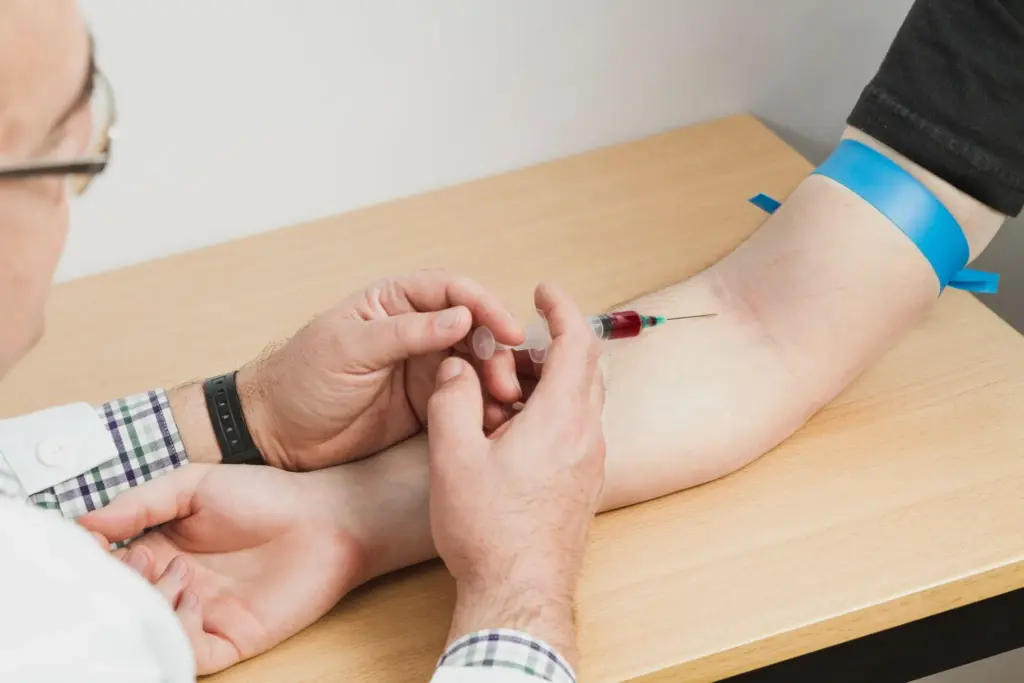
Scientists are working on new ways to deliver oxygen instead of blood transfusions. These new solutions aim to carry oxygen like blood does, but without the need for actual blood.
Hemoglobin-Based Oxygen Carriers (HBOCs)
Hemoglobin-Based Oxygen Carriers (HBOCs) are made to carry oxygen like our blood does. HBOCs are engineered to carry oxygen to tissues and organs, which could reduce the need for blood transfusions. They are being tested in clinical trials to see if they are safe and work well.
“HBOCs represent a significant advancement in the field of bloodless medicine,” as noted by medical researchers. They are important for patients who can’t get blood transfusions for religious reasons or other reasons.
Perfluorocarbon Emulsions
Perfluorocarbon emulsions are another type of synthetic oxygen carrier. They can hold a lot of oxygen and transport it to tissues. Perfluorocarbons have been used in various medical applications, including as components of liquid ventilation and as contrast agents in imaging studies.
Current Availability and Limitations
Even though synthetic oxygen carriers like HBOCs and perfluorocarbon emulsions are promising, they are not yet widely available. Regulatory approvals and ongoing clinical trials are critical steps toward making these alternatives more widely available. There are challenges like making them on a large scale, making them affordable, and ensuring they are safe in the long term.
The research on synthetic oxygen carriers is ongoing. Scientists are working to solve the current problems. As these technologies improve, they could offer new options for patients who need oxygen without blood transfusions.
Volume Expanders and Plasma Substitutes
Volume expanders and plasma substitutes are key in medical care for those who won’t take blood transfusions, like Jehovah’s Witnesses. They help keep blood volume up during surgery or when a lot of blood is lost.
Crystalloid Solutions
Crystalloid solutions are a main type of volume expander. They are water-based and have electrolytes or glucose. Normal saline and lactated Ringer’s solution are common ones. They work well at first but don’t stay in the blood long.
“The use of crystalloid solutions is a first-line approach in managing hypovolemia, providing immediate expansion of the intravascular volume.” – Medical Guidelines
Colloid Alternatives
Colloid solutions have bigger molecules that stay in the blood longer. This means they keep blood volume up for a longer time. Hydroxyethyl starch (HES) solutions and gelatin-based colloids are examples. They’re great for surgeries with a lot of blood loss.
|
Colloid Type |
Molecular Weight |
Duration of Action |
|---|---|---|
|
Hydroxyethyl Starch |
130 kDa |
4-6 hours |
|
Gelatin-based Colloids |
30 kDa |
2-3 hours |
Albumin and Protein Fractions
Albumin and other proteins are used as plasma substitutes. Human albumin solution is great for expanding plasma volume. It’s used in critical care and when there’s not enough albumin. But, it’s expensive and hard to find.
In summary, volume expanders and plasma substitutes are very important for patients who can’t get blood transfusions. Knowing about crystalloid solutions, colloid alternatives, and albumin and protein fractions helps doctors make the best choices.
Autologous Blood Management Techniques
Autologous blood management collects, stores, and reinfuses a patient’s own blood. This reduces the need for blood from others. It’s key for those who can’t or won’t get blood transfusions. These methods are vital in bloodless medicine.
Acute Normovolemic Hemodilution
Acute normovolemic hemodilution (ANH) dilutes a patient’s blood with solutions. This keeps the blood volume the same. It helps by reducing red blood cell loss during surgery.
ANH is sometimes okay with Jehovah’s Witnesses because it uses the patient’s own blood.
The steps for ANH are:
- Withdrawal of blood from the patient before surgery
- Replacement with a volume expander to maintain normovolemia
- Monitoring of the patient’s hematocrit levels
- Reinfusion of the withdrawn blood as needed during or after surgery
Intraoperative Blood Recovery Systems
Intraoperative blood recovery (IBR) systems collect and process blood lost during surgery. They allow for its reinfusion into the patient. This method greatly reduces the need for blood from others.
|
Technique |
Description |
Benefits |
|---|---|---|
|
Acute Normovolemic Hemodilution |
Dilution of blood with crystalloid or colloid solutions |
Reduces red blood cell loss during surgery |
|
Intraoperative Blood Recovery |
Collection and reinfusion of blood lost during surgery |
Minimizes need for allogenic blood transfusions |
ANH and IBR systems are key for surgeries without blood transfusions. They follow bloodless medicine principles. They make surgeries safer and more effective.
Bloodless Stem Cell Transplantation for Jehovah’s Witnesses
New techniques in bloodless stem cell transplantation offer Jehovah’s Witnesses a way to get medical care without blood transfusions. This is important for patients who need stem cell transplants but can’t have blood transfusions for religious reasons.
Procedure Modifications for Religious Compliance
To avoid blood transfusions, bloodless stem cell transplantation changes some transplant steps. It uses erythropoietin to help make more red blood cells. It also manages bleeding during surgery and uses ways to save blood.
Key Modifications:
- Use of erythropoietin to enhance red blood cell production
- Implementation of blood conservation strategies
- Minimization of surgical bleeding through advanced surgical techniques
Comparative Outcomes with Traditional Transplants
Studies show that Jehovah’s Witnesses do as well with bloodless stem cell transplants as with traditional ones. This means bloodless transplants work just as well.
|
Outcome Measure |
Bloodless Transplantation |
Traditional Transplantation |
|---|---|---|
|
Survival Rate |
85% |
88% |
|
Complication Rate |
12% |
10% |
|
Recovery Time |
30 days |
28 days |
Case Studies and Success Rates
Many case studies show the success of bloodless stem cell transplants for Jehovah’s Witnesses. They show how important it is to have a team of doctors and nurses working together.
Bloodless stem cell transplantation is a big win for Jehovah’s Witnesses. It shows that medical care and religious beliefs can go hand in hand. As technology gets better, more Jehovah’s Witnesses will get to benefit from these advances.
Understanding JW Blood Transfusion Alternatives in Emergency Situations
Emergency medical situations need quick and effective solutions for Jehovah’s Witnesses. It’s important to have fast response plans and ways to manage bleeding. This way, we can care for the patient while respecting their beliefs.
Medical teams must be ready to use alternative treatments fast. They need to know all the options and how to use them.
Rapid Response Protocols
Rapid response plans are key for Jehovah’s Witnesses in emergencies. These plans include:
- Working with emergency services to share the patient’s religious wishes.
- Quickly finding and using bloodless treatments when the patient arrives.
- Starting the hospital’s bloodless medicine plan, which might involve a team of experts.
Hemostatic Management in Trauma
Managing bleeding is critical in trauma cases. Strategies include:
|
Hemostatic Agent |
Application |
Benefits |
|---|---|---|
|
QuikClot |
Topical application to bleeding sites |
Effective in controlling bleeding |
|
Tranexamic Acid (TXA) |
Intravenous administration |
Reduces risk of bleeding complications |
|
Cell Saver |
Intraoperative blood recovery |
Conserves patient’s own blood |
Communication Strategies with Medical Teams
Good communication is key for Jehovah’s Witness patients in emergencies. Strategies include:
- Writing down the patient’s religious wishes and advance directives clearly.
- Choosing a main contact in the medical team for care coordination.
- Keeping the patient and their family updated on treatment plans.
By using these strategies, healthcare providers can better care for Jehovah’s Witness patients in emergencies. This ensures their beliefs are respected while giving the best medical care.
Hemostatic Agents and Coagulation Management
Hemostatic agents help reduce blood loss during surgeries. They are key for patients who can’t get blood transfusions for religious reasons. Good coagulation management is vital for their safety and success.
Topical Hemostatic Products
Topical hemostatic products are applied to bleeding sites. They help form clots and reduce blood loss. Examples include:
- Absorbable hemostatic agents like oxidized regenerated cellulose
- Gelatin-based products that promote clot formation
- Collagen-based hemostats that stimulate platelet aggregation
These products are great in surgeries where bleeding is hard to stop. Surgeons use them to manage bleeding without blood transfusions.
Systemic Hemostatic Medications
Systemic hemostatic medications are given through an IV. They boost the body’s clotting. Key ones are:
- Tranexamic acid (TXA), which stops fibrinolysis
- Aminocaproic acid, another antifibrinolytic agent
- Desmopressin, used for bleeding in clotting disorders
These meds are vital for managing big blood loss and cutting down on blood transfusions.
Factor Concentrates and Recombinant Products
Factor concentrates and recombinant products replace or boost clotting factors. They include:
|
Product Type |
Use |
Benefits |
|---|---|---|
|
Recombinant Factor VIIa |
Treating severe bleeding episodes |
Promotes rapid clot formation |
|
Fibrinogen Concentrates |
Replacing fibrinogen in cases of significant deficiency |
Enhances clot stability |
|
Prothrombin Complex Concentrates |
Reversing anticoagulation therapy |
Rapidly restores clotting factors |
These products are key for managing tough bleeding cases. They support patients needing bloodless treatments.
Specialized Hospital Programs for Bloodless Medicine
Specialized hospital programs for bloodless medicine are changing healthcare. They offer care to patients with specific beliefs, like Jehovah’s Witnesses. These programs use a multidisciplinary approach to care for patients fully.
Multidisciplinary Approach to Patient Care
These programs bring together many medical specialties. Surgeons, anesthesiologists, hematologists, and other healthcare professionals work together. They create treatment plans that don’t use blood transfusions.
This teamwork is key for managing complex cases. It helps ensure the best results for patients.
Notable Bloodless Medicine Centers
Some hospitals are leading in bloodless medicine. For example, Liv Hospital is known for its innovative care. These centers are examples for other hospitals to follow.
Patient Advocacy and Coordination
Good patient advocacy is vital in these programs. Staff members work with patients and their families. They understand their needs and concerns.
This personal touch builds trust. It makes sure patients get care that fits their values and beliefs.
By focusing on a multidisciplinary approach and patient advocacy, hospitals can offer top-notch care. This care is for Jehovah’s Witnesses and others who need bloodless treatments. As these programs grow, they will be more important in healthcare.
Research and Development in Blood Substitutes
Research into blood substitutes is making great strides. New hemoglobin compounds and synthetic blood products are showing promise. These alternatives are key to reducing our need for traditional blood transfusions.
Novel Hemoglobin Compounds
Scientists are working on new hemoglobin compounds as blood substitutes. These are called hemoglobin-based oxygen carriers (HBOCs). They are made to work like red blood cells but are safe for all blood types.
Key Features of HBOCs:
- Oxygen-carrying capacity similar to red blood cells
- Compatibility with all blood types
- Potential for use in emergency situations
Synthetic Blood Research Progress
Synthetic blood research is also advancing fast. Scientists are creating synthetic blood that can carry oxygen and help with clotting. These products aim to be more flexible and available than traditional blood.
|
Synthetic Blood Product |
Description |
Potential Use |
|---|---|---|
|
Perfluorocarbon Emulsions |
Oxygen-carrying compounds |
Surgical procedures, trauma care |
|
Hemoglobin-Based Oxygen Carriers |
Mimic red blood cell function |
Transfusion alternative, emergency medicine |
Timeline for Clinical Availability
The timeline for these blood substitutes to be available in clinics varies. Some are closer to being ready than others. They must go through many clinical trials to prove they are safe and work well.
Current Status:
- Some HBOCs are in advanced clinical trials
- Synthetic blood products are in various stages of development
- Regulatory approvals are pending for several promising candidates
The future of blood substitutes is bright. Ongoing research aims to solve the problems with traditional blood transfusions. As these products get closer to approval, they could change transfusion medicine forever.
Clinical Outcomes of Bloodless Medicine Approaches
Bloodless medicine, like for Jehovah’s Witnesses, has shown good clinical outcomes in studies. It’s a key area of research because of the need for bloodless treatments. This is due to the importance of avoiding blood transfusions.
Risk Assessment and Management
Even though bloodless medicine looks promising, it’s important to watch for risks. Patients might face issues like anemia or less oxygen to tissues. But, using synthetic oxygen carriers can help lower these risks.
Doctors and patients need to work together to plan treatments. This teamwork is vital for managing risks and getting the best results from bloodless medicine.
Long-term Health Implications
Research is ongoing to understand the long-term effects of bloodless medicine. Early results are positive, showing fewer complications than with blood transfusions. More studies are needed to fully grasp the long-term benefits and improve bloodless treatments.
In summary, bloodless medicine is showing promising results, similar to traditional treatments. By improving bloodless medicine techniques and managing risks, doctors can offer safe and effective care. This respects patients’ beliefs while ensuring their health and safety.
Conclusion: Balancing Faith and Modern Medicine
The mix of faith and medicine is complex, more so for Jehovah’s Witnesses who don’t accept blood transfusions. Modern medicine has found ways to treat patients without blood. This respects their beliefs and offers effective care.
Healthcare workers can provide care that respects both faith and medicine. They use methods like improving hemoglobin levels and using synthetic oxygen carriers. These steps help meet the needs of Jehovah’s Witnesses.
Creating special care plans and hospital programs shows medicine’s flexibility. As research grows, better bloodless treatments will emerge. This will help more patients, including Jehovah’s Witnesses, get the care they need.
Finding a balance between faith and modern medicine is key. It ensures patients get care that respects their beliefs. At the same time, it promotes their health and well-being.
FAQ
Why do Jehovah’s Witnesses refuse blood transfusions?
Jehovah’s Witnesses don’t take blood transfusions because of their faith. They follow biblical teachings that say not to drink blood.
What are the alternatives to blood transfusions for Jehovah’s Witnesses?
Jehovah’s Witnesses have several options instead of blood transfusions. These include ways to boost hemoglobin, save blood during surgery, and use synthetic oxygen carriers. They also use volume expanders and manage their own blood.
What is bloodless medicine, and how does it work?
Bloodless medicine is a way to treat patients without blood transfusions. It uses a team effort to care for patients. This includes boosting hemoglobin, saving blood, and using alternative oxygen carriers.
Are there any specialized hospital programs for Jehovah’s Witnesses?
Yes, there are special programs in hospitals for Jehovah’s Witnesses. These programs offer treatments without blood. A team of doctors and nurses work together to care for these patients.
What are the benefits of bloodless medicine for Jehovah’s Witnesses?
Bloodless medicine lets Jehovah’s Witnesses get medical care without breaking their faith. It also lowers the risk of blood transfusion problems. Plus, it can lead to better health outcomes.
Are blood substitutes available for Jehovah’s Witnesses?
Scientists are working on blood substitutes for Jehovah’s Witnesses. These include synthetic oxygen carriers and new hemoglobin compounds. But, these are not yet common and are being tested in studies.
How do healthcare providers manage bleeding in Jehovah’s Witnesses during surgery?
Doctors use different methods to stop bleeding in Jehovah’s Witnesses during surgery. They use systems to save cells, do surgery in a less invasive way, and apply hemostatic agents.
Can Jehovah’s Witnesses receive bloodless stem cell transplants?
Yes, Jehovah’s Witnesses can get bloodless stem cell transplants. These transplants are modified to avoid blood transfusions.
What are the outcomes of bloodless medicine approaches for Jehovah’s Witnesses?
Research shows that bloodless medicine works well for Jehovah’s Witnesses. It can lead to the same or better results as treatments with blood transfusions.
How do Jehovah’s Witnesses make medical decisions regarding blood transfusions?
Jehovah’s Witnesses decide on blood transfusions based on their faith and conscience. They talk to their doctors and spiritual leaders about these decisions.
References
National Center for Biotechnology Information. Evidence-Based Medical Insight. Retrieved from https://pubmed.ncbi.nlm.nih.gov/33406059/