
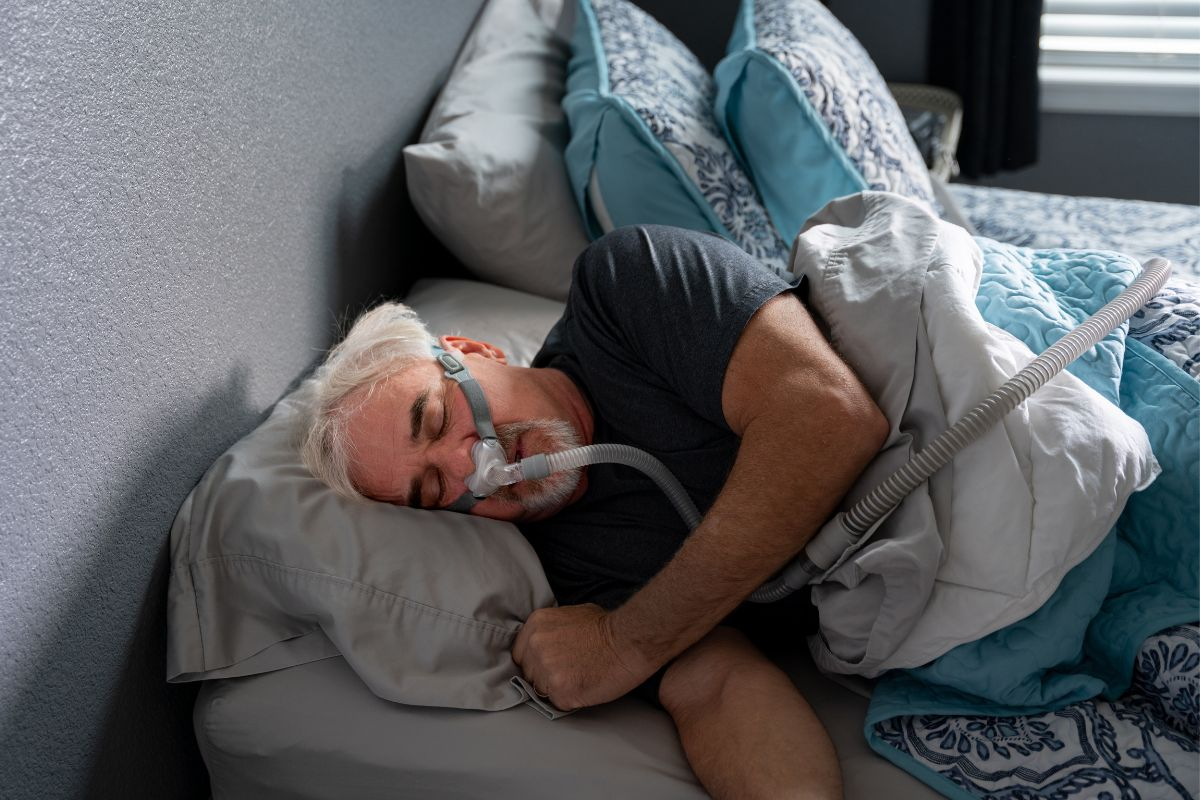
Central sleep apnea (CSA) is a complex sleep disorder. It needs accurate diagnosis and personalized treatment strategies to improve patient outcomes. If you wake up suddenly with shortness of breath or feel very tired during the day, CSA might be affecting your health.Comprehensive guide to central sleep apnea treatment options, including ASV therapy, medications, and lifestyle changes.
Recent updates in clinical practice guidelines from the American Academy of Sleep Medicine (AASM) in 2025 highlight the importance of staying informed about the latest central sleep apnea treatment options, including novel therapies.
We will guide you through understanding CSA, its diagnosis, and the various treatment approaches available. This will ensure a complete understanding of managing this condition effectively.
Key Takeaways
- Understanding the complexities of central sleep apnea is key for effective management.
- The 2025 AASM guidelines offer updated recommendations for CSA treatment.
- Personalized treatment strategies can greatly improve patient outcomes.
- Novel therapies are emerging as possible treatments for CSA.
- Accurate diagnosis is the first step in managing central sleep apnea.
Understanding Central Sleep Apnea
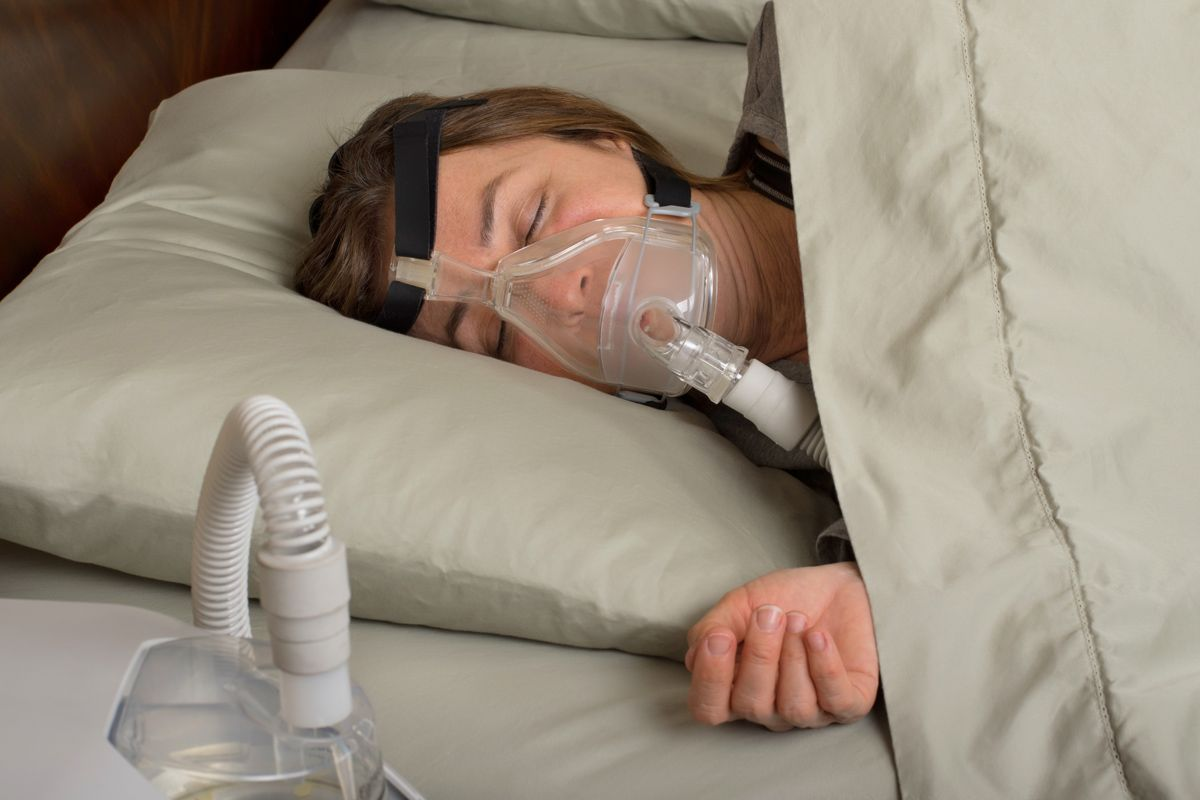
Central sleep apnea is a neurological condition that affects sleep. It happens when the brain stops sending signals to the muscles that control breathing. This is different from other sleep apnea types and needs a detailed understanding for proper diagnosis and treatment.
Definition and Pathophysiology
CSA is when the brain’s breathing control centers don’t work right. This leads to pauses in breathing during sleep. It’s not because the airway is blocked, but because the brain doesn’t send the right signals.
The brain, lungs, and body’s feedback systems interact in complex ways in CSA. Knowing how these systems work together is key to diagnosing and treating the condition.
Central vs. Obstructive Sleep Apnea: Key Differences
Central and obstructive sleep apnea both cause breathing pauses during sleep. But they have different causes. Obstructive sleep apnea happens when the airway is blocked, stopping airflow. Central sleep apnea is when the brain doesn’t send the right signals to breathe.
Telling these two apart is important for the right treatment. Obstructive sleep apnea is often treated with CPAP therapy. But central sleep apnea might need different treatments, like ASV or other advanced therapies.
Diagnostic Criteria and Central Apnea Index
Diagnosing central sleep apnea involves looking at apneic events during sleep. The central apnea index (CAI) is used to measure this. It’s the number of central apneic events divided by hours slept. A higher CAI means more severe CSA.
To diagnose CSA, a CAI of 5 or more per hour is needed. Symptoms like daytime sleepiness and frequent awakenings also play a role. A detailed sleep study is required for an accurate diagnosis, often done in a sleep lab or at home.
Common Causes and Risk Factors
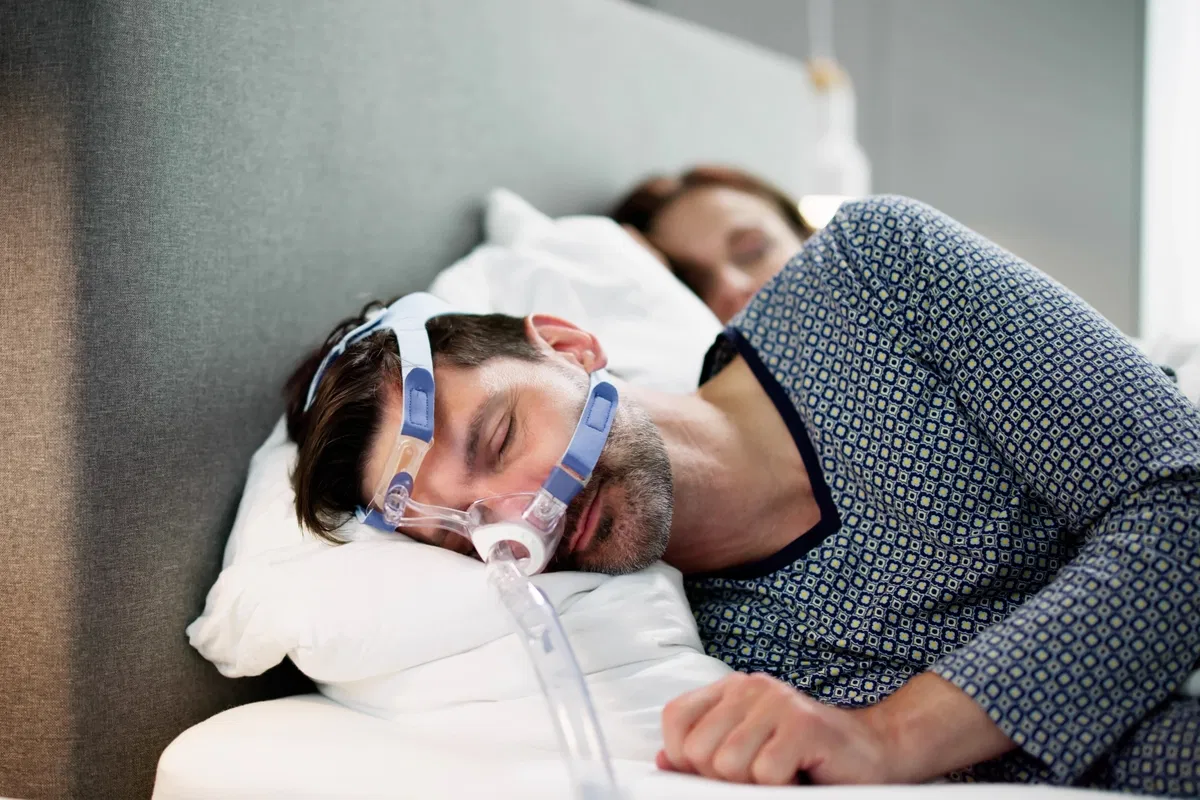
It’s important to know the causes and risk factors of central sleep apnea. This knowledge helps in creating a good treatment plan. Central sleep apnea is a complex disorder with many underlying conditions.
Primary Central Sleep Apnea
Primary central sleep apnea happens without a known cause. It’s marked by a lack of breathing effort during sleep, causing apneic episodes.
Secondary Causes
Secondary causes of central sleep apnea are more common. They come from various medical conditions. Some key secondary causes include:
- Heart Failure: Heart failure is a major risk factor for central sleep apnea. Fluid buildup in the lungs causes breathing instability.
- Neurological Disorders: Conditions like stroke, Parkinson’s disease, and multiple sclerosis can disrupt breathing control.
- Opioid Use: Opioid medications can suppress the respiratory drive, leading to central sleep apnea.
|
Secondary Cause |
Description |
|---|---|
|
Heart Failure |
Fluid buildup in lungs causes respiratory instability |
|
Neurological Disorders |
Disrupts brain’s control over breathing |
|
Opioid Use |
Suppresses respiratory drive |
Risk Factors and Predisposing Conditions
Several risk factors and predisposing conditions can increase the likelihood of developing central sleep apnea. These include:
- Age: Older adults are more susceptible to central sleep apnea.
- Altitude: High altitudes can cause periodic breathing patterns, increasing the risk of central sleep apnea.
- Medical Conditions: Conditions like hypertension, diabetes, and atrial fibrillation can contribute to central sleep apnea.
Understanding these causes and risk factors helps healthcare providers create effective treatment strategies for central sleep apnea.
Recognizing Symptoms and Seeking Diagnosis
Central sleep apnea symptoms can be different for everyone. Knowing them is key to getting diagnosed. It often messes with your sleep, causing noticeable effects.
Common Symptoms and Warning Signs
Signs include daytime sleepiness, fatigue, and shortness of breath when waking up. Some might wake up a lot at night or have morning headaches. Severe cases can cause confusion or trouble focusing during the day.
- Daytime sleepiness and fatigue
- Shortness of breath upon waking
- Frequent awakenings during the night
- Morning headaches
- Confusion or difficulty concentrating
When to See a Doctor
If you or a family member has many of these symptoms often, see a doctor. Early diagnosis helps manage central sleep apnea better.
Key signs to see a doctor include:
- Persistent daytime sleepiness despite enough rest
- Loud snoring or seen stopped breathing during sleep
- Difficulty concentrating or memory issues
Diagnostic Process and Testing
Diagnosing central sleep apnea involves a detailed check-up. This includes a medical history and physical exam. The main tool is polysomnography (PSG), an overnight sleep study.
- Home sleep apnea testing (HSAT): Portable devices for home sleep monitoring.
- Multiple Sleep Latency Test (MSLT): Checks daytime sleepiness.
These tests help doctors understand how severe central sleep apnea is. They then create a treatment plan.
Medical Evaluation and Treatment Planning
Creating a treatment plan for central sleep apnea starts with a detailed medical check-up. This check-up looks at the patient’s health, sleep habits, and any health issues that might be causing the sleep apnea.
Initial Assessment Process
The first step is a thorough medical history and physical exam. Doctors will ask about symptoms, sleep habits, and any health problems. This helps find the cause of the sleep apnea and plan the best treatment.
Key components of the initial assessment include:
- Detailed medical history
- Physical examination
- Sleep study analysis
- Review of current medications
Identifying Underlying Causes
Many things can cause central sleep apnea, like heart failure, stroke, or opioid use. Finding the cause is key to a good treatment plan. Doctors might do more tests, like blood work or heart exams, to find the cause.
Developing a Personalized Treatment Plan
A treatment plan for central sleep apnea is tailored to the patient. It considers their health, sleep issues, and how severe the apnea is. Treatment might include fixing health problems, changing medications, or using special therapies.
The goal is to make sleep better, reduce symptoms, and improve life quality.
|
Treatment Component |
Description |
Benefits |
|---|---|---|
|
Addressing Underlying Conditions |
Treatment of underlying medical conditions contributing to central sleep apnea |
Improves overall health, reduces sleep apnea severity |
|
Medication Adjustment |
Adjusting or discontinuing medications that may be contributing to central sleep apnea |
Reduces sleep apnea episodes, improves sleep quality |
|
Specific Therapies |
Implementation of therapies such as adaptive servo-ventilation or transvenous phrenic nerve stimulation |
Improves sleep quality, reduces central sleep apnea episodes |
The Multidisciplinary Approach
Dealing with central sleep apnea often needs a team of doctors. This team might include sleep specialists, heart doctors, brain doctors, and primary care doctors. This team approach makes sure all health aspects are covered in the treatment plan.
The benefits of a multidisciplinary approach include:
- Comprehensive care
- Improved treatment outcomes
- Better management of related health conditions
Central Sleep Apnea Treatment Options: 2025 Guidelines
The 2025 AASM clinical practice guidelines offer a detailed plan for treating central sleep apnea. They aim to guide healthcare professionals in making the best decisions for their patients.
Overview of AASM Clinical Practice Guidelines
The AASM guidelines are based on the latest research and clinical evidence. They cover diagnosis, treatment, and follow-up care for central sleep apnea.
We will look at the main recommendations from these guidelines. We’ll focus on first-line and second-line treatments.
First-Line Treatments
First-line treatments are the initial steps for treating central sleep apnea. These include:
- Adaptive Servo-Ventilation (ASV)
- Positive Airway Pressure (PAP) therapies
ASV is very effective for central sleep apnea. It adjusts to the patient’s breathing patterns.
Second-Line Interventions
For those who don’t respond to first-line treatments or have certain issues, second-line options are considered. These include:
- Transvenous Phrenic Nerve Stimulation
- Oxygen therapy
Transvenous phrenic nerve stimulation is a new method. It stimulates the phrenic nerve to help with breathing.
Treatment Selection Based on Etiology
The choice of treatment depends on the cause of central sleep apnea. Knowing the cause is key to picking the right treatment.
Here’s a summary of treatment options based on cause:
|
Etiology |
First-Line Treatment |
Second-Line Treatment |
|---|---|---|
|
Heart Failure |
ASV |
Oxygen Therapy |
|
Neurological Disorders |
PAP Therapy |
Transvenous Phrenic Nerve Stimulation |
|
Opioid-Induced |
ASV |
Alternative Opioid Therapy |
By following the 2025 AASM guidelines, healthcare professionals can give the best care for central sleep apnea patients. This improves their outcomes and quality of life.
Positive Airway Pressure Therapies
Positive airway pressure therapies are key in treating central sleep apnea. They use pressurized air through a mask to keep the airway open while sleeping.
There are several types of these therapies. We’ll look at CPAP, BiPAP, and Adaptive Servo-Ventilation (ASV). Each has its own features and uses.
Continuous Positive Airway Pressure (CPAP)
CPAP is a common treatment for sleep apnea, including central sleep apnea. It sends a steady flow of air through a mask. This helps keep the airway open during sleep.
- Benefits: Reduces apneic events, improves sleep quality, and lowers daytime sleepiness.
- Limitations: May not work for all with central sleep apnea, due to certain health issues.
Bi-level Positive Airway Pressure (BiPAP)
BiPAP devices have two pressure levels. They have a higher pressure when you breathe in and a lower pressure when you breathe out. This can be more comfortable for some than CPAP.
Key Features:
- Dual pressure settings for inhalation and exhalation
- Improved comfort for some patients
- Useful for patients who need higher pressures
Adaptive Servo-Ventilation (ASV)
ASV is a more advanced therapy for central sleep apnea. It watches your breathing and adjusts the pressure support as needed.
Advantages:
- Effective in treating complex sleep apnea
- Adjusts to the patient’s breathing patterns
- Can be more effective than CPAP or BiPAP in certain cases
In conclusion, positive airway pressure therapies are essential for treating central sleep apnea. The choice between CPAP, BiPAP, and ASV depends on the patient’s needs and their condition’s causes.
Advanced and Emerging Treatment Approaches
New treatments are giving hope to those with Central Sleep Apnea. Our understanding of this condition is growing. So are the treatment options available.
Transvenous Phrenic Nerve Stimulation
Transvenous phrenic nerve stimulation is a big step forward. The FDA has approved it. It involves a device that helps control breathing at night.
Clinical trials have shown it works well. Patients see a big drop in Central Apnea Index and better sleep.
Oxygen Therapy
Oxygen therapy is also being looked at. It tries to keep breathing steady by boosting blood oxygen. It’s not for everyone, but it helps some patients.
Medication Options
Researchers are testing medication options too. These drugs aim to fix the root causes of Central Sleep Apnea. Early trials suggest they might help.
Future Directions in Central Sleep Apnea Treatment
Research is pushing us towards new treatments. Future directions include treatments tailored to each patient. We might also see new tech to better manage the condition.
Lifestyle Modifications and Supportive Measures
Managing Central Sleep Apnea can be improved with certain lifestyle changes and support. These steps can lessen the condition’s impact and enhance your life quality.
Sleep Position and Sleep Hygiene
Good sleep hygiene is key for Central Sleep Apnea management. Stick to a regular sleep schedule and make your sleep area comfortable. Also, avoid activities that get you excited before bedtime.
- Sleep on your side to reduce apnea episodes.
- Use a comfortable mattress and pillows to promote better sleep.
- Avoid caffeine and heavy meals close to bedtime.
Weight Management
For those with Central Sleep Apnea who are overweight or obese, weight management is vital. Losing even a little weight can greatly improve sleep apnea symptoms.
- Engage in regular physical activity to promote weight loss.
- Follow a balanced diet that is low in fat and high in fiber.
- Consider consulting a healthcare professional or a dietitian for personalized advice.
Avoiding Alcohol and Sedatives
It’s important to stay away from things that can relax your throat muscles and affect breathing at night. This includes alcohol and certain sedatives.
- Limit or avoid alcohol consumption, specially before bedtime.
- Discuss alternative medications with your healthcare provider if you’re taking sedatives.
Managing Underlying Conditions
It’s essential to manage any underlying health issues to control Central Sleep Apnea. This might mean treating heart failure or neurological disorders.
- Work closely with your healthcare provider to manage chronic conditions.
- Adhere to prescribed treatments for underlying health issues.
- Monitor your condition and report any changes to your healthcare provider.
Living with Central Sleep Apnea: Long-Term Management
Managing central sleep apnea long-term is key to a better life. It needs a detailed plan that covers all aspects of care.
Treatment Adherence Strategies
Sticking to treatment plans is vital. We suggest patients work with their doctors to find ways to stay on track. This might include reminders, setting routines, and adjusting plans as needed.
For those using CPAP machines, making sure the device is comfy and fits right is important. We also tell patients to talk to their doctors about any problems or worries.
Monitoring and Follow-Up Care
Regular check-ups and monitoring are key. We advise patients to see their doctors often. This helps keep the treatment working well and makes changes if needed.
Doctors can check how the treatment is going, solve any problems, and help keep patients on track. Tools like remote monitoring can also help track progress between visits.
Managing Treatment Side Effects
Dealing with side effects is important. We help patients find ways to handle any bad effects from treatment. For example, some might get dry mouth or feel uncomfortable with a CPAP. We can suggest humidifiers or other solutions to help.
Quality of Life Considerations
Keeping a good quality of life is our main goal. We encourage patients to make healthy lifestyle choices. This includes staying at a healthy weight, avoiding alcohol and sedatives, and getting good sleep habits.
|
Aspect |
Strategy |
Benefit |
|---|---|---|
|
Treatment Adherence |
Use reminders, establish a routine |
Improved treatment outcomes |
|
Monitoring and Follow-Up |
Regular check-ups, remote monitoring |
Early detection of issues, timely adjustments |
|
Managing Side Effects |
Identify and mitigate adverse effects |
Enhanced comfort and compliance |
|
Quality of Life |
Lifestyle modifications, healthy habits |
Improved overall well-being |
By focusing on these areas, we can help people with central sleep apnea live better lives in the long run.
Conclusion
Central sleep apnea (CSA) is a complex condition that needs a detailed treatment plan. We’ve talked about different ways to manage it, like positive airway pressure therapies and lifestyle changes.
Getting a proper diagnosis and treatment for CSA is key to better health. A treatment plan made by a team of experts is vital for managing CSA well.
Knowing the causes, symptoms, and treatment options for CSA helps us give the best care. Each patient’s treatment should fit their specific needs and the severity of their condition.
Managing CSA well means keeping an eye on the patient and following up regularly. This ensures the treatment works and addresses any side effects. Working together, we can greatly improve the lives of those with sleep apnea central.
FAQ
What is central sleep apnea?
Central sleep apnea is a sleep disorder. It causes pauses in breathing during sleep. This happens because the brain can’t send the right signals to breathe.
How is central sleep apnea different from obstructive sleep apnea?
Central sleep apnea is not caused by a blockage in the airway. Instead, it’s due to a brain problem. This problem stops the muscles from controlling breathing.
What are the common causes of central sleep apnea?
Heart failure, stroke, and brain problems can cause central sleep apnea. Certain medications and high altitude also play a role.
What are the symptoms of central sleep apnea?
Symptoms include pauses in breathing and loud snoring. Morning headaches and daytime fatigue are also common. Some people might not notice any symptoms.
How is central sleep apnea diagnosed?
A sleep study, like polysomnography, is used to diagnose it. This study records sleep activities, including breathing patterns.
What is the central apnea index?
The central apnea index measures central sleep apnea severity. It counts central apneas per hour of sleep.
What are the treatment options for central sleep apnea?
Treatments include positive airway pressure therapies like CPAP and ASV. Other options are transvenous phrenic nerve stimulation and oxygen therapy. The choice depends on the cause and severity.
Can lifestyle changes help manage central sleep apnea?
Yes, maintaining a healthy weight and avoiding alcohol and sedatives can help. Good sleep hygiene is also important.
How can treatment adherence be improved for central sleep apnea?
Improving adherence involves working with a healthcare provider. A personalized treatment plan and monitoring progress are key. Addressing side effects or concerns is also important.
What is adaptive servo-ventilation (ASV) therapy?
ASV therapy adjusts its pressure settings based on breathing patterns. It helps stabilize breathing during sleep.
Is central sleep apnea a serious condition?
Yes, it’s serious. Untreated central sleep apnea can lead to heart failure and increase mortality risk.
References
National Center for Biotechnology Information. Evidence-Based Medical Guidance. Retrieved from https://pubmed.ncbi.nlm.nih.gov/40820608/