Identifying the strongest sleep aid otc formula designed to help you fall asleep without causing morning drowsiness or grogginess.
Do you sometimes have trouble sleeping and wonder about the best over-the-counter sleep aid? We know how vital a good night’s sleep is for our health.
Many people use sleep aids without a prescription to help with sleep issues. The main ingredients in these sleep aids are doxylamine succinate and diphenhydramine. These are antihistamines that help you sleep by blocking histamine in your brain.
At Liv Hospital, we aim to give you reliable health info. This helps you make smart choices about your health. Knowing the difference between these ingredients is key to picking the right sleep aid.
Key Takeaways
- OTC sleep aids are commonly used for occasional sleeplessness and insomnia.
- Doxylamine succinate and diphenhydramine are the primary active ingredients in OTC sleep aids.
- Both ingredients work by blocking histamine receptors to induce drowsiness.
- Understanding the differences between these ingredients can help in choosing the most effective sleep aid.
- Liv Hospital provides evidence-based medical information to empower patient decision-making.
Understanding OTC Sleep Aids and Their Mechanisms
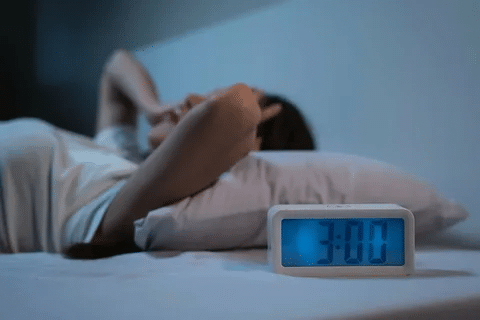
For those seeking a good night’s sleep, it’s key to know about OTC sleep aids. These aids are popular for those having trouble sleeping. We’ll explore how they affect brain chemistry, the types available, and their impact on morning alertness.
How Sleep Aids Affect Brain Chemistry
OTC sleep aids mainly work by changing brain chemistry. Doxylamine succinate and diphenhydramine, common ingredients, are antihistamines. They block histamine, a neurotransmitter that keeps us awake.
This blockage leads to less alertness and more sleepiness. Knowing this helps us see how these medicines help us sleep.
Different Classes of Non-Prescription Sleep Medications
OTC sleep aids fall into two main groups: antihistamine-based products and melatonin supplements. Antihistamines, like doxylamine succinate and diphenhydramine, are the most used. Melatonin supplements, by contrast, help regulate our natural sleep cycle.
The Balance Between Effectiveness and Morning Alertness
Finding the right balance between sleep aid effectiveness and morning alertness is important. Stronger sedatives might help us sleep but can make us feel groggy the next day. We’ll look at how different OTC sleep aids manage this balance.
|
Active Ingredient |
Sedative Effect |
Morning Alertness |
|---|---|---|
|
Doxylamine Succinate |
Strong |
Moderate Grogginess |
|
Diphenhydramine |
Moderate |
Potential for Grogginess |
Understanding how OTC sleep aids work and their types helps us make better choices for our sleep. Finding the right balance between sleep aid effectiveness and morning alertness is key.
The Strongest Sleep Aid OTC Options on the Market

Struggling to sleep? The strongest OTC sleep aids can help. They come in different forms, each with its own way of working and strength.
Antihistamine-Based Sleep Aids
Unisom, ZzzQuil, and Benadryl are top picks for OTC sleep meds. They block histamine, a brain chemical that keeps us awake.
These meds can help you sleep, but their strength varies. For example, Diphenhydramine in Benadryl is very sedating. Doxylamine in Unisom SleepTabs is also very effective.
Melatonin Supplements
Melatonin supplements are a natural choice. Melatonin is a hormone that helps us sleep. The strength of these supplements depends on the dose, which can range from 0.5mg to 5mg.
Melatonin is usually safe, but how well it works depends on your body and when you take it. It’s best to take it 30 minutes to an hour before bed.
Herbal and Natural Sedatives
Looking for something natural? Herbal and natural sedatives are available without a prescription. Options like valerian root, chamomile, and lavender are known for their calming effects.
These natural sedatives might not be as strong as other options. But they’re good for mild sleep problems and are often chosen for their safety.
Doxylamine Succinate: The Most Potent OTC Option
Doxylamine succinate is a top pick for quick and deep sleep. We’ll look into how it works, the right dose, and its effect on sleep.
How Doxylamine Works in the Body
Doxylamine succinate is an antihistamine that blocks histamine receptors in the brain. It makes you drowsy and sedated, helping you fall asleep quickly and stay asleep longer.
Typical Dosage and Duration of Effects
The usual dose is 25mg, taken 30 minutes before bed. Its effects last for hours, keeping you asleep all night. Studies show it’s good for falling asleep and staying asleep.
Effectiveness for Sleep Onset and Maintenance
Research shows doxylamine succinate works better than diphenhydramine. It helps you fall asleep faster and stay asleep longer. Here’s a comparison:
|
Sleep Aid |
Sleep Onset |
Sleep Maintenance |
|---|---|---|
|
Doxylamine Succinate |
Effective |
Effective |
|
Diphenhydramine |
Moderately Effective |
Less Effective |
Doxylamine succinate is better for both falling asleep and staying asleep. It’s a top choice for a strong OTC sleep aid.
Diphenhydramine: Finding the Balance Between Strength and Recovery
Diphenhydramine is a key player in finding the right balance for sleep. It’s an antihistamine that helps you sleep without feeling groggy the next day. This makes it a popular choice for sleep aids.
Mechanism of Action and Elimination Half-Life
Diphenhydramine works by blocking histamine in the brain. This helps you sleep better. Its half-life is between 4 to 8 hours, which affects how long you sleep and how alert you are the next day.
Its short half-life is why diphenhydramine is a favorite sleep aid. It usually doesn’t make you feel tired the next day. But, how fast it’s broken down can vary from person to person.
FDA-Approved Dosages (25mg vs 50mg)
The FDA says diphenhydramine can be used in sleep aids at 25mg or 50mg. The 25mg dose is for those who are sensitive or have mild sleep issues. The 50mg dose is for those who need a stronger effect.
Always follow the recommended dosage and talk to a doctor if you’re not sure what’s right for you.
Advantages for Avoiding Next-Day Drowsiness
Diphenhydramine is great because it helps you sleep without making you tired the next day. This is perfect for people with busy mornings.
To avoid morning grogginess, remember to:
- Take it 30 minutes before bed.
- Get a full night’s sleep.
- Avoid alcohol and other sedatives.
By following these tips and choosing the right dosage, you can enjoy the benefits of diphenhydramine without its downsides.
Doxylamine Succinate or Diphenhydramine: Which Provides Better Sleep Quality?
When looking for the strongest OTC sleep aid, knowing the difference between doxylamine succinate and diphenhydramine is key. Both are known for their sedative effects. Yet, their effectiveness can change based on several factors.
Comparative Sedative Potency
Doxylamine succinate is often seen as having a stronger sedative effect than diphenhydramine. Research shows it can help you fall asleep faster and stay asleep longer. This is because it works for a longer time and is more potent.
Comparative studies also show doxylamine succinate is better at starting and keeping sleep going through the night.
Clinical Studies on Sleep Efficiency
Studies have looked at how well doxylamine succinate and diphenhydramine work for sleep. They found doxylamine succinate is better at making sleep more efficient. This is mainly because of how it works in the body.
Research also shows doxylamine succinate can greatly improve sleep quality. It does this by increasing the time you sleep and making it easier to fall asleep.
Impact on Sleep Architecture and REM Sleep
The effect of these sleep aids on sleep structure, like REM sleep, is important. Both can affect REM sleep, but doxylamine succinate has a bigger impact. This is because it stays in the body longer.
It’s important to remember that how these changes affect sleep can vary from person to person. The long-term effects are also being studied.
Sleep Aids That Don’t Leave You Groggy: Best Options
Many people look for the strongest over-the-counter sleep aid without feeling groggy the next day. Luckily, new sleep aid formulas help you sleep well without morning drowsiness.
Fast-Metabolizing Formulations
Fast-metabolizing formulations are designed to be quickly broken down by the body. This reduces the chance of feeling sleepy in the morning. Some OTC sleep aids use ingredients that are quickly processed, helping you sleep without feeling drowsy later.
For example, sleep aids with diphenhydramine in smaller doses or other fast-acting ingredients are great. They’re perfect for those who need to wake up early.
Lower-Dose Alternatives for Sensitive Individuals
Lower-dose alternatives are good for those who are sensitive to sleep aids or easily feel groggy. These products use less of the active ingredient. This helps you sleep without feeling too drowsy the next day.
These options are also great for older adults or people with certain health conditions. They are less likely to have strong sedative effects.
Time-Released vs. Immediate-Release Formulations
The type of sleep aid formulation—time-released or immediate-release—affects how it works and how you feel the next day. Time-released formulas slowly release the active ingredient, helping you sleep all night. Immediate-release formulas work fast but might not last as long.
It’s important to choose based on your sleep needs. If you have trouble staying asleep, a time-released formula might be better. If you struggle to fall asleep, an immediate-release might be enough.
In summary, there are many OTC sleep aids that help you sleep well without feeling tired the next day. By understanding the differences between fast-metabolizing, lower-dose, and time-released vs. immediate-release formulas, you can pick the best one for you.
Natural Alternatives to Strong OTC Sedatives
Many people are looking for natural ways to sleep better. They want to avoid the side effects of over-the-counter sleep aids. Instead, they’re trying natural supplements that help them relax and sleep well without feeling groggy.
Melatonin: Dosage and Timing Considerations
Melatonin is a hormone that helps control sleep and wake cycles. It’s available in doses from 0.5 to 5 milligrams. Take it 30 to 60 minutes before bed for best results.
Studies show melatonin can make sleep better and longer. But start with a small dose to avoid side effects like dizziness or nausea.
Valerian Root, Chamomile, and Lavender
Valerian root, chamomile, and lavender are known for their calming effects. You can drink valerian root tea or take supplements. Chamomile tea is a favorite for bedtime. Lavender oil is great for aromatherapy to relax.
These herbs help reduce stress and anxiety, making it easier to fall asleep. They are safer for long-term use than OTC sleep aids.
Magnesium, L-theanine, and GABA Supplements
Magnesium, L-theanine, and GABA can help with sleep. Magnesium is often lacking and can improve sleep quality. L-theanine, found in green tea, relaxes without making you drowsy. GABA helps regulate sleep.
|
Supplement |
Typical Dosage |
Benefits |
|---|---|---|
|
Melatonin |
0.5-5 mg |
Regulates sleep-wake cycle |
|
Valerian Root |
500-1000 mg |
Promotes relaxation, improves sleep quality |
|
Magnesium |
200-400 mg |
Relaxes muscles, improves sleep |
|
L-theanine |
200-400 mg |
Reduces stress, promotes relaxation |
|
GABA |
250-500 mg |
Regulates sleep, reduces anxiety |
When looking at natural sleep aids, talk to a healthcare professional first. They can help you choose the right supplements. Using these with good sleep habits can lead to better sleep.
How to Choose the Right OTC Sleep Aid Based on Your Needs
There are many OTC sleep aids out there. Picking the right one depends on your sleep problems and daily life. It might seem hard, but knowing what you need helps a lot.
Assessing Your Specific Sleep Issues
Start by figuring out what sleep problems you have. Do you find it hard to fall asleep, stay asleep, or do you toss and turn a lot? Knowing your sleep problems helps you find the best solution. For example, if you can’t fall asleep, try something like melatonin or valerian root.
If you wake up a lot, you might need something that lasts longer. Also, think about why you’re having trouble sleeping. Is it stress, anxiety, or a weird sleep schedule?
Considering Your Morning Schedule and Responsibilities
Your morning routine and duties are key when picking a sleep aid. If you have to wake up early, choose something that won’t make you feel tired the next day. Fast-metabolizing or low-dose options are good for those with busy mornings.
If your schedule is more flexible, you might be okay with a sleep aid that lasts longer. Just remember, stronger sleep aids might make you feel drowsy the next day.
Evaluating Potencial Drug Interactions
Before picking a sleep aid, check for drug interactions. If you’re on prescription meds or supplements, talk to your doctor first. Some sleep aids, like those with diphenhydramine, can mix badly with other drugs.
To avoid bad reactions, always read the label and follow the dosage. If you’re worried about interactions, ask your doctor or pharmacist for advice.
Potential Risks and Long-Term Effects of Strongest OTC Sleep Medications
Exploring the strongest OTC sleep aids, we must understand their risks and long-term effects. These medications can help with sleep issues but using them for too long can cause health problems.
Tolerance and Dependence Concerns
Long-term use of OTC sleep aids can lead to tolerance and dependence. Tolerance means your body needs more of the medication to feel the same effect. This can start a cycle where you need to take more and more, leading to dependence.
Dependence on these aids can harm your health and sleep quality. It’s important to know these risks and use these medications wisely.
|
Risks |
Description |
Potential Consequences |
|---|---|---|
|
Tolerance |
The body becomes accustomed to the medication |
Increased dosage, possible dependence |
|
Dependence |
Needs the medication to fall asleep |
Withdrawal symptoms when trying to stop |
Anticholinergic Effects and Cognitive Impacts
Many OTC sleep aids, like those with diphenhydramine, have anticholinergic effects. These effects happen when the medication blocks acetylcholine, a neurotransmitter. It affects memory and thinking.
These effects can cause memory and confusion problems, mainly in older adults. Knowing these risks is important when using OTC sleep aids.
When to Consult a Doctor About Sleep Problems
If you have ongoing sleep issues or worry about OTC sleep aid use, see a doctor. They can offer advice on safe use, other treatments, and what might be causing your sleep problems.
A doctor can help you create a plan to tackle your sleep issues. This might reduce your need for OTC sleep aids and improve your sleep quality.
Maximizing Effectiveness While Preventing Morning Grogginess
To get the most out of OTC sleep aids and avoid feeling groggy in the morning, you need a few strategies. It’s not just about taking the right medication. You also need to improve your sleep quality and length.
Optimal Timing and Dosage Strategies
Using OTC sleep aids correctly means following the dosage and timing instructions. Taking them too early or late can mess up their effectiveness and your morning alertness. For example, doxylamine succinate and diphenhydramine have different half-lives, affecting how long they stay in your system.
“Timing is everything,” as the saying goes, and this is true for sleep aids. A study found that when you take sleep medication can greatly affect your sleep quality and how you feel the next day.
National Sleep Foundation
- Take the sleep aid 30 minutes before bedtime to allow it to start working when you’re ready to sleep.
- Follow the recommended dosage on the label to avoid excessive sedation or reduced efficacy.
- Be aware of the sleep aid’s half-life to predict how long it may affect you the next day.
Creating the Ideal Sleep Environment
Having a sleep-friendly environment is key to getting the most from OTC sleep aids. Your bedroom should be dark, quiet, and at a comfortable temperature. A sleep-friendly environment can greatly improve your sleep quality.
|
Environmental Factor |
Ideal Condition |
|---|---|
|
Light |
Dark or dim red lighting |
|
Noise |
Quiet or constant soothing sound |
|
Temperature |
Cool, around 60-67°F (15-19°C) |
Complementary Sleep Hygiene Practices
Using OTC sleep aids correctly and creating a sleep-friendly environment are just the start. Good sleep hygiene is also essential. This includes sticking to a consistent sleep schedule, avoiding caffeine and electronics before bed, and relaxing before sleep.
“Establishing a bedtime routine can signal to your brain that it’s time to sleep,” helping improve sleep quality. By combining these practices, you can get the most out of OTC sleep aids and wake up feeling refreshed.
Conclusion: Finding Your Ideal Balance Between Sleep Quality and Morning Alertness
We’ve looked at different over-the-counter (OTC) sleep aids. These include how they work, how well they work, and any side effects. When looking for the strongest OTC sleeping pill, think about both sleep quality and how alert you’ll feel in the morning.
Doxylamine succinate and diphenhydramine are among the most effective options. But, how they affect morning alertness can differ.
To find the right balance, think about what you need for sleep and your morning tasks. Fast-acting formulas and lower doses can reduce morning drowsiness. Also, a good sleep environment and healthy sleep habits can improve sleep quality.
In the end, the best OTC sleep aid is one that helps you sleep well without making you groggy in the morning. By knowing about different non-prescription sleep medicines and their effects, we can choose better. This helps us sleep better and wake up feeling good.
FAQ
What are the strongest OTC sleep aids available?
The strongest OTC sleep aids include doxylamine succinate and diphenhydramine. These are antihistamine-based sleep aids. Melatonin supplements and herbal sedatives like valerian root are also popular.
How do doxylamine succinate and diphenhydramine compare in terms of sedative potency?
Doxylamine succinate is more potent than diphenhydramine. Studies show it offers better sleep quality and longer action.
What are the possible risks of using strong OTC sleep medications?
Risks include tolerance, dependence, and anticholinergic effects. Long-term use can harm your mind and cause other problems.
How can I avoid feeling groggy the next day when using OTC sleep aids?
Use fast-metabolizing or lower-dose alternatives. Time-released formulas can also help. Choosing the right timing and dosage is key.
Are natural alternatives to strong OTC sedatives effective?
Yes, natural options like melatonin, valerian root, and chamomile can improve sleep quality. Lavender, magnesium, L-theanine, and GABA supplements also work well.
How do I choose the right OTC sleep aid for my needs?
First, understand your sleep issues. Think about your morning schedule and responsibilities. Also, check for drug interactions.
Can I use OTC sleep aids long-term?
No, it’s not safe to use strong OTC sleep aids for a long time. They can lead to tolerance and dependence. If you can’t sleep, see a doctor.
What is the difference between time-released and immediate-release formulations?
Time-released formulas slowly release the active ingredient. Immediate-release formulas release it all at once. Time-released formulas last longer.
How can I maximize the effectiveness of OTC sleep aids?
Use them at the right time and in the right amount. Create a good sleep environment. Also, practice good sleep hygiene.
When should I consult a doctor about sleep problems?
See a doctor if you can’t sleep well, or if you’re worried about the risks of strong sleep aids.
References
Government Health Resource. Evidence-Based Medical Guidance. Retrieved from https://medlineplus.gov/druginfo/meds/a682494.html