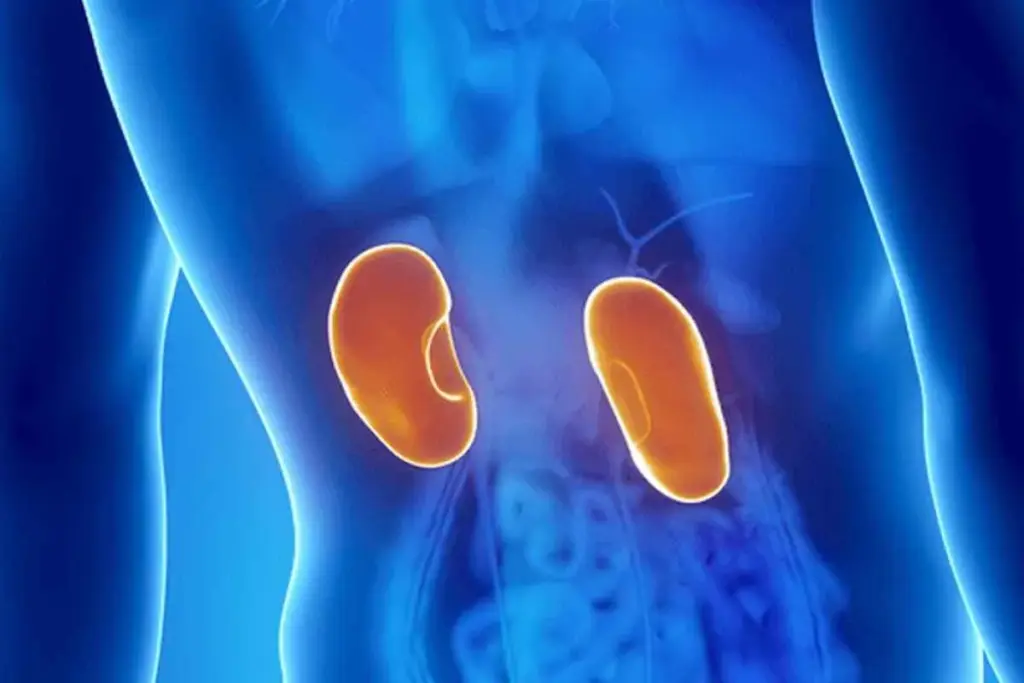
Living with one kidney is definitely possible. Most people can live a normal lifespan and healthy life. If you’re born with one kidney, had one removed, or donated a kidney, it’s good to know. One healthy kidney can do about 70% of the work of two.
At Liv Hospital, we get the worries and questions about living with one kidney. Our team offers detailed, patient-focused care. We make sure you get the help and support you need to stay healthy. We’ll look at the lifestyle changes and health tips for people with one kidney.
Key Takeaways
- One healthy kidney can function as well as two kidneys.
- Lifestyle adjustments are necessary for individuals with one kidney.
- Regular health monitoring is key for overall health.
- A single kidney can perform about 70% of normal paired kidney capacity.
- Comprehensive care and guidance are available for individuals with one kidney.
Understanding Life With a Single Kidney
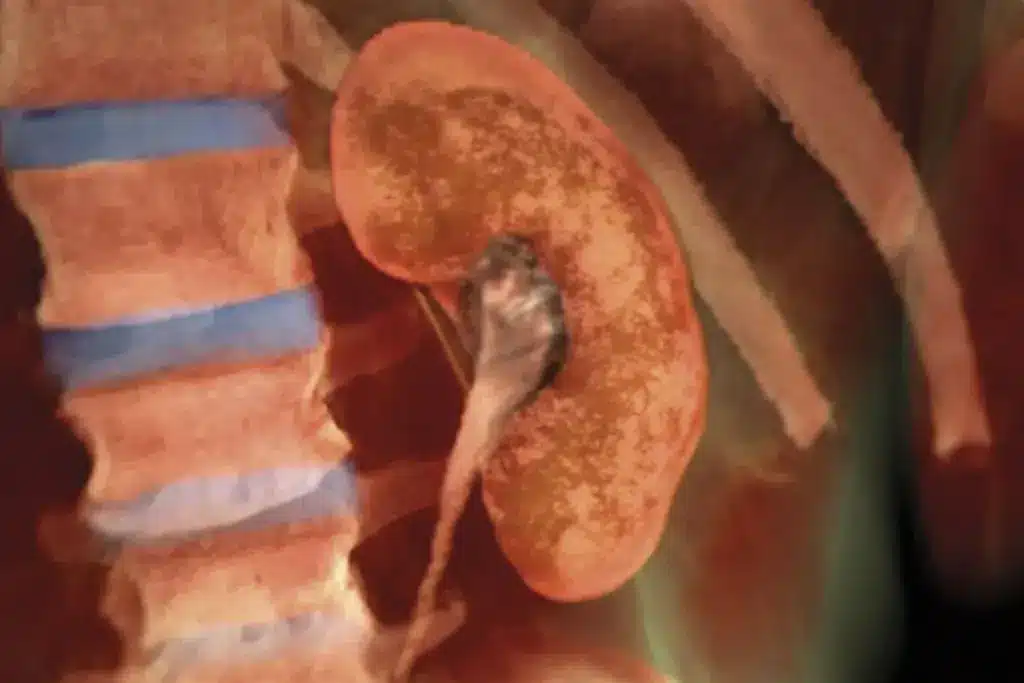
Having one kidney doesn’t mean you can’t live a normal life. Many people are born with or get a condition where they have only one working kidney. With the right care, they can stay healthy and active.
Can You Live a Normal Life With One Kidney?
Living with one kidney means making some changes, but most people can adjust well. The main thing is to take care of your single kidney.
- Monitoring Health: Regular check-ups with your healthcare provider are key.
- Dietary Adjustments: Eating a balanced diet that’s easy on your kidney is important.
- Staying Hydrated: Drinking enough water is vital for your kidney’s health.
By following these steps, people with one kidney can reduce risks and live active lives.
Common Causes of Having One Kidney
There are several reasons why someone might have one kidney, including:
- Congenital Conditions: Some people are born with one kidney, a condition known as renal agenesis.
- Surgical Removal: A kidney might be surgically removed due to cancer, injury, or disease.
- Donation: Some individuals choose to donate a kidney for transplantation.
Knowing why you have one kidney can help you manage your health better. It also helps you make informed decisions about your care.
How Your Body Adapts and Possible Kidney Failure in One Kidney
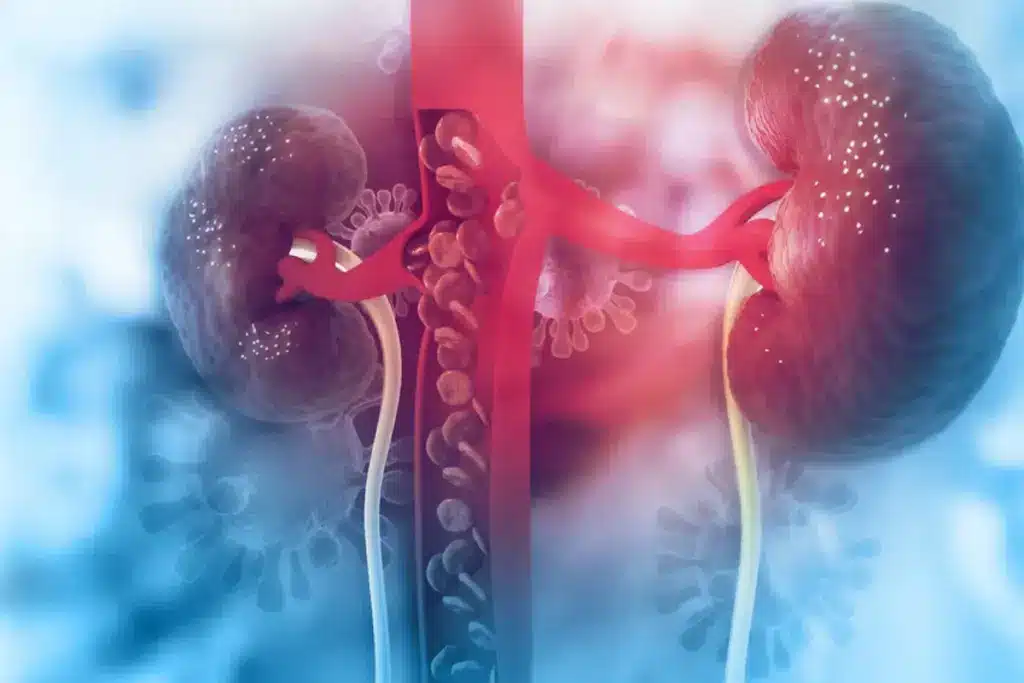
When someone has only one kidney, their body makes big changes to keep the kidney working well. This is very important for people who have lost a kidney because of disease, injury, or surgery.
Compensatory Mechanisms
The one kidney works harder by getting more blood and filtering better. This lets people live normally without big problems. The single kidney can do the job of two, making sure waste is removed from the blood.
Key compensatory mechanisms include:
- Increased blood flow to the remaining kidney
- Enhanced filtration capacity
- Adaptation of related bodily systems to support the single kidney’s function
Studies show people with one kidney can live active lives with few health problems. For more info, check out the National Institute of Diabetes and Digestive and Kidney website.
Long-Term Health Considerations
Even though the body adapts well to one kidney, there are long-term health issues to watch out for. Some people might see their blood pressure go up or find protein in their urine after 25 years. But, kidney function loss is usually mild and doesn’t really shorten life expectancy.
It’s key to keep an eye on kidney health over time. Regular doctor visits can spot problems early. Eating right and staying active are good for your kidneys.
Long-term considerations include:
- Monitoring for signs of kidney strain or failure
- Managing blood pressure to prevent kidney damage
- Maintaining a healthy lifestyle to support kidney function
Practical Guidelines for Single Kidney Health
Having one kidney means you need to take special care of it. This includes choosing the right foods, staying active, and getting regular check-ups. These steps help keep your kidney healthy for a long time.
Dietary Recommendations and Hydration
Eating well is key when you have one kidney. Focus on fruits, veggies, whole grains, and lean proteins. Drinking lots of water is also important. Aim for 8-10 glasses a day, but adjust based on how active you are.
Key dietary considerations include:
- Lowering salt to ease kidney pressure
- Eating foods high in omega-3s for health
- Limiting protein to avoid extra kidney work
Physical Activity and Sports Participation
Regular exercise is good for your health and kidney. Try walking, swimming, or cycling. These are low-impact and great for your heart. But, stay away from contact sports to protect your kidney.
Safe exercise practices include:
- Talking to your doctor before starting new exercises
- Wearing protective gear in risky activities
- Listening to your body and adjusting your routine
Medical Monitoring and When to Seek Help
Regular check-ups are vital for one-kidney health. See your doctor yearly for blood and urine tests. Watch for signs like changes in urination, swelling, or tiredness. If you notice these, get medical help right away.
Key indicators for seeking medical help include:
- Big changes in blood pressure or kidney tests
- Pain, fever, or trouble urinating
- Any worries about your kidney or health
Conclusion
We’ve looked into the basics of living with one kidney. This includes understanding the condition and how to keep your kidneys healthy. The main point is that most people can live a normal life with one kidney if they take care and get regular check-ups.
People with one kidney can live well and stay healthy with the right care and lifestyle changes. It’s important to know the risks and take steps to protect your kidney health. This way, you can enjoy a full life, do lots of physical activities, and eat a balanced diet.
Can you live with 1 kidney? Yes, with the right approach and medical advice. We suggest that people with one kidney stay informed, eat right, drink plenty of water, and exercise regularly. By doing these things, you can avoid problems and live a healthy, active life.
FAQ
Can you live a normal life with one kidney?
Yes, many people live normal, healthy lives with one kidney. The body adapts well to having one kidney. With proper care and lifestyle adjustments, individuals can enjoy a full and active life.
Why do some people have one kidney?
Some people are born with one kidney, a condition known as renal agenesis. Others may have a kidney surgically removed due to disease, injury, or donation.
How does the body adapt to having one kidney?
The remaining kidney works harder to filter waste and excess fluids from the blood. It often takes over the workload of two kidneys.
Are there any long-term health risks associated with having one kidney?
While having one kidney can increase the risk of kidney failure, many individuals with one kidney do not experience significant long-term health issues. Regular monitoring and a healthy lifestyle can help mitigate risks.
What dietary recommendations are there for individuals with one kidney?
A balanced diet rich in fruits, vegetables, and whole grains is recommended. It’s also important to stay hydrated by drinking plenty of water.
Can you participate in sports with one kidney?
While it’s generally safe to engage in physical activity, it’s advised to avoid contact sports that could potentially injure the remaining kidney.
How often should you have your kidney function monitored?
Regular medical check-ups are key to monitor kidney health. The frequency of check-ups may vary depending on individual health conditions. It should be determined by a healthcare provider.
Can a person be born with one kidney?
Yes, some people are born with a condition called renal agenesis, where one kidney does not develop.
Do you need two kidneys to live?
No, it is possible to live a healthy life with one kidney. The remaining kidney can take over the functions of both kidneys.
Can you live off of one kidney?
Yes, many people live off of one kidney, either due to being born with one or having one surgically removed.
What is the diet for a single kidney?
The diet for a single kidney is similar to a general healthy diet. It focuses on balanced nutrition and adequate hydration.
References
https://www.kidney.org/kidney-topics/living-one-kidney