

Understanding the first stage of blood cancer, known as leukaemia, is crucial for early treatment. This stage is marked by the growth of abnormal blood cells in the bone marrow and blood. It’s a critical time for action.
Leukemia is a major health issue, with about 61,090 new cases in the US in 2021. It makes up about 3.2% of all new cancer cases. Catching it early can greatly improve treatment success and survival chances.
Key Takeaways
- Blood cancer, or leukemia, starts with abnormal cell growth in the bone marrow.
- The first stage is vital for early diagnosis and treatment.
- Leukemia is a big part of new cancer cases.
- Knowing leukemia’s stages is essential for good care.
- Early detection leads to better treatment results.
Understanding Blood Cancer and Its Development
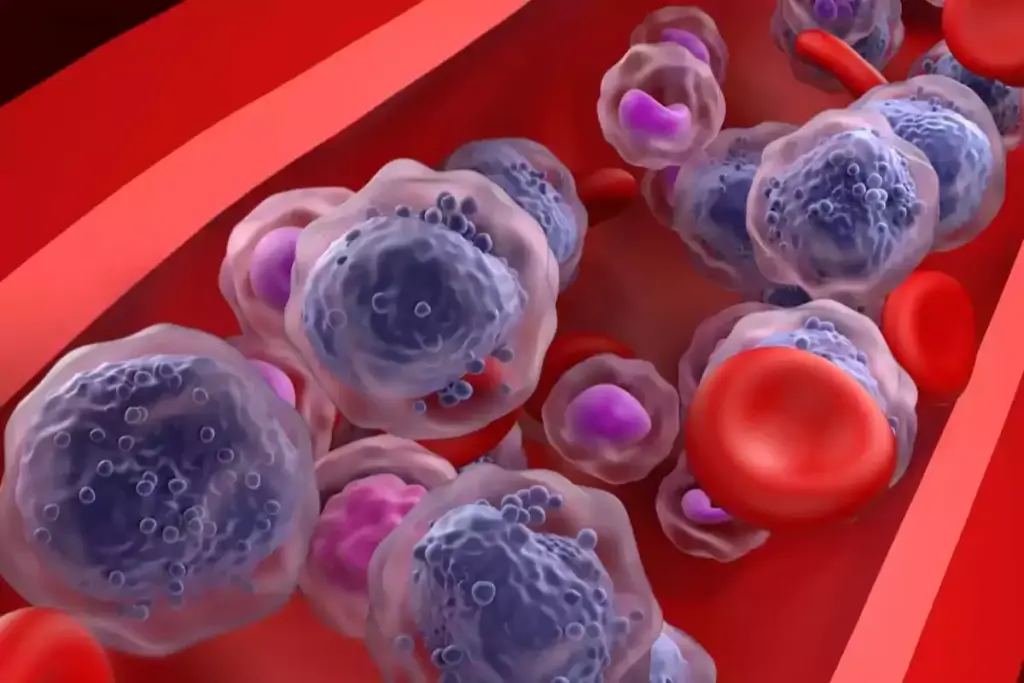
Blood cells are key to our immune system. When they turn into cancer cells, it’s a complex process. We’ll look into how blood cancer starts and grows, shedding light on blood cells and leukemia stages.
The Nature of Blood Cells and Cancer Formation
Blood cells are made in the bone marrow and help fight infections. Cancer starts when these cells grow abnormally, leading to leukemia. This can happen due to genetic or environmental factors.
“The development of leukemia involves a complex interplay between genetic predisposition and environmental exposures.” –
A DNA mutation in a blood cell starts the process. This mutation makes the cell grow and divide without control. As more cancer cells build up, they block the production of healthy blood cells, causing health problems.
How Blood Cancer Progresses Through Stages
Blood cancer, or leukemia, goes through different stages. Each stage shows how many cancer cells there are and how the body reacts. Knowing these stages helps doctors choose the right treatment.
|
Stage |
Description |
|---|---|
|
Initial Stage |
Cancer cells start in the bone marrow. |
|
Progression Stage |
Cancer cells grow and spread to other parts of the body. |
|
Advanced Stage |
Cancer cells greatly affect the body’s ability to make healthy blood cells. |
Understanding blood cancer’s development and growth is key. It shows why early detection and treatment are so important. Ongoing research helps us learn more about leukemia, giving us hope for better treatments.
Types of Blood Cancer and Their Early Manifestations

It’s important to know about the different blood cancers for early detection and treatment. Blood cancer includes various cancers that affect the blood, bone marrow, and lymphatic system. The main types are leukemia, lymphoma, and myeloma, each showing unique early signs.
Leukemia: Cancer of the Blood and Bone Marrow
Leukemia is a term for cancers of the blood and bone marrow. It happens when the bone marrow makes abnormal white blood cells. These cells are key for fighting infections. There are several leukemia types, like acute lymphoblastic leukemia (ALL), acute myeloid leukemia (AML), chronic lymphocytic leukemia (CLL), and chronic myeloid leukemia (CML). Early signs of leukemia include:
- Fatigue and weakness
- Frequent infections
- Easy bruising or bleeding
- Swollen lymph nodes
Lymphoma: Cancer of the Lymphatic System
Lymphoma starts in the lymphatic system, a part of the immune system. The main types are Hodgkin lymphoma and non-Hodgkin lymphoma. Symptoms of lymphoma include:
- Swollen lymph nodes in the neck, armpits, or groin
- Fever
- Night sweats
- Weight loss
Myeloma: Cancer of Plasma Cells
Myeloma, or multiple myeloma, is a cancer of plasma cells in the bone marrow. It can cause several problems, such as:
- Bone pain, often in the back or ribs
- Anemia
- Frequent infections
- Kidney issues
Spotting early signs of these blood cancers is key for quick diagnosis and treatment. We’ll dive deeper into each type and their effects in the next sections.
Classification of Leukemia and Initial Presentation
Knowing how to classify leukemia is key to finding the right treatment. Leukemia is a blood and bone marrow cancer. It’s divided into types based on how fast it grows and the cells it affects. This knowledge helps doctors figure out the best treatment plan.
Acute vs. Chronic Leukemia in Early Stages
Leukemia is mainly split into acute and chronic types. Acute leukemia grows fast, making the patient’s health quickly get worse without treatment. Chronic leukemia grows slower, with more mature but abnormal cells.
Knowing if it’s acute or chronic is very important. It changes how doctors treat it and what the patient’s future looks like. Acute leukemia needs quick, strong treatment. Chronic leukemia might start with a “watch and wait” approach, based on the patient’s health and the disease’s details.
Myeloid vs. Lymphocytic Leukemia Differences
Leukemia is also split by the cells it affects: myeloid or lymphocytic. Myeloid leukemia deals with cells that make red blood cells, platelets, and most white blood cells. Lymphocytic leukemia affects cells that help fight off infections.
The differences between myeloid and lymphocytic leukemia are big. For example, AML often shows symptoms like anemia and infections. ALL might show swollen lymph nodes and organs filled with cancer cells.
Understanding these types helps doctors give the right care. They can plan treatments that fit each patient’s needs.
Staging Systems in Blood Cancer
Blood cancer staging systems are key in figuring out how serious the disease is. They help doctors see how far the cancer has spread. This is important for picking the right treatment.
The Rai Staging System for CLL
The Rai staging system is a common way to stage chronic lymphocytic leukemia (CLL). It sorts CLL into stages based on lymphocyte count, lymph node size, and blood issues. This system helps doctors predict how well a patient will do and decide on treatment.
The Rai system has five stages:
- Stage 0: Lymphocytosis in blood and/or bone marrow.
- Stage I: Lymphocytosis with lymphadenopathy.
- Stage II: Lymphocytosis with hepatomegaly and/or splenomegaly.
- Stage III: Lymphocytosis with anemia.
- Stage IV: Lymphocytosis with thrombocytopenia.
Other Staging Methods for Blood Cancers
Other staging methods exist for different blood cancers. For example, the Ann Arbor system is used for lymphomas, and the International Staging System (ISS) is for multiple myeloma. Each system looks at specific factors for each cancer type, giving a clearer picture of the disease’s severity.
Knowing these staging systems is vital for doctors to choose the best treatment. It also helps patients understand their outlook.
Stage 0 Chronic Lymphocytic Leukemia (CLL) in Detail
Stage 0 CLL is when cancerous lymphocytes are found in the blood. Yet, there are no major symptoms or damage to organs. It’s usually caught through blood tests showing too many lymphocytes.
Cellular Characteristics and Bone Marrow Function
In Stage 0 CLL, the bone marrow makes too many lymphocytes. These are white blood cells important for the immune system. But, these lymphocytes are not working right, weakening the immune system.
The bone marrow starts to make fewer normal blood cells as it fills with cancerous cells. This is a big problem because it affects the production of red blood cells and platelets. But, at Stage 0, this effect is small, and patients usually don’t show symptoms like anemia or bleeding issues.
Lymphocyte Count Thresholds and Significance
A key sign of Stage 0 CLL is a high absolute lymphocyte count (ALC) in the blood. An ALC of 5,000 cells per microliter or more suggests CLL. But, this number can change based on the patient and medical guidelines.
High lymphocyte counts help predict how the disease will progress and guide treatment. People with Stage 0 CLL have a good chance of living for five years or more. This shows why catching it early and watching it closely is so important.
Knowing about the cells and lymphocyte counts in Stage 0 CLL helps doctors manage the disease better. By keeping an eye on these, doctors can give better care and step in when needed to help patients do better.
Early Presentation of Acute Leukemias
It’s key to know the early signs of acute leukemias like AML and ALL. These cancers are aggressive and need quick diagnosis and treatment.
Initial Changes in Acute Myeloid Leukemia (AML)
AML is a fast-growing cancer in the bone marrow. The first signs of AML include:
- Fatigue and Weakness: Caused by anemia from leukemia cells replacing normal cells.
- Infections: Happen because the immune system is weakened.
- Bleeding or Bruising: Due to low platelet counts.
These symptoms can be hard to spot early because they’re similar to other illnesses.
|
Symptom |
Cause |
Clinical Significance |
|---|---|---|
|
Fatigue |
Anemia |
Shows bone marrow failure |
|
Infections |
Neutropenia |
Means the immune system is weak |
|
Bleeding/Bruising |
Thrombocytopenia |
Points to low platelet count |
First Signs of Acute Lymphoblastic Leukemia (ALL)
ALL is a cancer where lymphoblasts grow in the bone marrow. The first signs of ALL include:
- Pain in Bones or Joints: Caused by leukemia cells in the bone marrow.
- Swollen Lymph Nodes: Happens when malignant lymphocytes build up.
- Fever: Often linked to infections because of low neutrophils.
Spotting these signs early is key to starting treatment on time.
We stress the need to know these early signs. This helps in early diagnosis and treatment for AML and ALL.
Recognizing First-Stage Blood Cancer Symptoms
It’s key for both patients and doctors to spot blood cancer early. Catching it early can greatly improve treatment results and patient chances of recovery. We’ll look at the common signs of blood cancer in its first stage. We’ll also talk about cases where the disease is not noticeable, but found by chance during routine tests.
Common Early Warning Signs
The first signs of blood cancer can be hard to spot because they’re similar to other illnesses. Look out for:
- Fatigue and Weakness: Feeling very tired that doesn’t get better with rest.
- Weight Loss: Losing weight without trying, often with less hunger.
- Fever and Night Sweats: Having fevers and night sweats without a clear reason.
- Infections: Getting sick often because your immune system is weak.
- Bone Pain: Feeling pain or tenderness in bones or joints.
- Easy Bruising or Bleeding: Bruising easily, bleeding gums, or nosebleeds.
These signs can mean different things, but if they keep happening or together, see a doctor.
Asymptomatic Presentation and Incidental Discovery
Some people with early blood cancer don’t show symptoms, making it hard to find without tests. Often, doctors find it by chance during routine blood tests or check-ups for other reasons.
|
Condition |
Symptoms |
Detection Method |
|---|---|---|
|
Asymptomatic Blood Cancer |
None or mild nonspecific symptoms |
Routine blood tests, incidental discovery |
|
Symptomatic Blood Cancer |
Fatigue, weight loss, fever, infections, bone pain, easy bruising |
Clinical evaluation based on symptoms, diagnostic tests |
Regular health checks and screenings are vital for catching blood cancer early. This is true for people with risk factors or a family history of the disease.
Diagnostic Approaches for Early-Stage Leukemia
Diagnosing early-stage leukemia needs a mix of tests. We use these tests to confirm the diagnosis and plan treatment.
Complete Blood Count Abnormalities
A Complete Blood Count (CBC) is often the first test for leukemia. It checks the levels of different blood cells. Abnormal CBC results can show leukemia.
We look for signs like anemia, thrombocytopenia, or leukocytosis. These can mean leukemia. But, more tests are needed to be sure.
Bone Marrow Examination Findings
A bone marrow examination is key for diagnosing leukemia. It takes a sample from the hip bone to check for abnormal cells. This test shows the type and severity of leukemia.
We look for morphological abnormalities like blast cells. These are immature cells that can block normal blood cell production.
Molecular and Genetic Testing
Molecular and genetic testing are vital for leukemia diagnosis and management. These tests find specific genetic mutations linked to different leukemias. For example, fluorescence in situ hybridization (FISH) and polymerase chain reaction (PCR) can spot these changes.
These tests help us tailor treatment plans to each patient. We base plans on the leukemia’s specific genetic traits.
Epidemiology of Early-Stage Blood Cancer
We look into the early-stage blood cancer to understand who gets it and why. This field studies who gets sick, how often, and why. Knowing this helps us find better ways to treat and help patients.
Incidence Rates and Demographics
Leukemia rates change a lot depending on who you are. Some types hit older people hard, while others affect kids more. Studies show that leukemia is getting more common, mainly in older folks.
Key demographics affected by leukemia include:
- Age: Leukemia mostly hits people over 65.
- Gender: Some types are more common in men.
- Geographic location: Rates vary by area, due to different environments.
Risk Factors and Genetic Predispositions
Many things can lead to early-stage blood cancer. These include genes, chemicals, and past treatments. Knowing these helps us spot who’s at risk and how to prevent it.
Notable risk factors and genetic predispositions include:
- Genetic syndromes like Down syndrome.
- Being exposed to harmful chemicals like benzene.
- Having had chemotherapy or radiation before.
- Having family members with leukemia or other cancers.
Prognosis for First-Stage Blood Cancer
The outlook for early-stage blood cancer changes a lot depending on the type of leukemia and the patient. Knowing these details is key to picking the right treatment and predicting how well a patient will do.
Survival Statistics for Stage 0 CLL
People with Stage 0 Chronic Lymphocytic Leukemia (CLL) usually have a good chance of recovery. About 92% of Stage 0 CLL patients live for five years or more. This is because CLL is often caught early and grows slowly in its first stages.
Several things help Stage 0 CLL patients have a better outlook. These include:
- No big symptoms or anemia
- Lymphocyte counts that aren’t too high
- Genetic markers that show a better disease course
Prognostic Factors Affecting Early-Stage Outcomes
Even though Stage 0 CLL looks good, other early-stage blood cancers might have different outlooks. This depends on several factors. These include:
- Genetic mutations: Some genetic changes can make the disease worse.
- Patient age and overall health: Older patients or those with other health issues might not do as well.
- Response to initial treatment: How well a patient responds to the first treatment is also important. Those who respond well usually have a better chance.
It’s vital for doctors to understand these factors. This helps them create treatment plans that are just right for each patient. This way, they can improve outcomes for those with early-stage blood cancer.
Treatment Approaches for First-Stage Leukemia
First-stage leukemia treatment is tailored to each person. It depends on the type of leukemia, the patient’s health, and other factors. This ensures the best treatment plan.
Getting a leukemia diagnosis can feel overwhelming. But, early-stage leukemia, like Chronic Lymphocytic Leukemia (CLL), often moves slowly. This means the first step might not be treatment right away.
Watch and Wait Strategy Rationale
The “watch and wait” strategy is used for early CLL. It’s based on CLL staying stable for a long time. This approach helps avoid treatment side effects until needed.
“The watch and wait strategy allows us to monitor the disease’s progression closely and intervene when necessary, optimizing the patient’s quality of life.”
When to Initiate Active Treatment
Starting active treatment depends on certain signs. These include symptoms, fast disease growth, or a big increase in lymphocytes. We watch patients closely to find the best time for treatment.
What decides when to start treatment includes:
- The rate of disease progression
- Anemia or low platelet count
- Lymph node or spleen growth
- The patient’s health and treatment tolerance
Current Treatment Protocols for Early Intervention
When treatment is needed, we use effective methods with fewer side effects. Options include targeted therapy, chemotherapy, or immunotherapy. The choice depends on the leukemia type and the patient’s health.
In CLL, treatments like ibrutinib or venetoclax work well. We keep up with new research to offer the best treatments.
As we learn more about leukemia, early treatment is key. Our care is personalized to meet each patient’s needs.
The Role of Lumekia in Early Blood Cancer Detection
Lumekia is leading the way in early blood cancer detection with new technologies. Their work is key to spotting blood cancer early. This helps patients get better faster.
Advanced Diagnostic Technologies
Lumekia uses the latest tech to find blood cancer early. This includes:
- Advanced Imaging Techniques: Better seeing cancer cells.
- Molecular Diagnostics: Finding genes linked to blood cancer.
- Blood Biomarker Tests: Spotting cancer proteins or genetic material.
These tools help catch cancer early. This is vital for treating it well.
Research Contributions to Early Intervention
Lumekia’s research is making a big difference in blood cancer. They focus on:
- Genetic Predispositions: Learning about genes that raise cancer risk.
- Therapeutic Innovations: Creating new treatments for early cancer.
- Clinical Trials: Testing new ways to diagnose and treat cancer.
Through this research, Lumekia is helping patients get better sooner. Their work is a big step forward.
Living with Early-Stage Blood Cancer
Living with early-stage blood cancer means taking a full approach. This includes getting medical treatment and making lifestyle changes. Understanding the emotional impact and managing your lifestyle are key.
Psychological Impact of Diagnosis
Getting a blood cancer diagnosis can make you feel anxious, scared, and unsure about the future. It’s normal to feel overwhelmed when dealing with this news. The emotional toll can affect not just you but also your family and friends.
Having a strong support system is very important. This can include counseling, support groups, and loved ones who offer emotional support. We suggest patients look into these options to help deal with their diagnosis.
Lifestyle Management and Monitoring
To manage early-stage blood cancer well, making smart lifestyle choices is important. Diet, exercise, and managing stress are areas where patients can make a difference. These can help improve health and quality of life.
- Eating a balanced diet full of nutrients is good for your health.
- Doing gentle exercise, as advised by doctors, can boost your physical health and reduce stress.
- Stress-reducing activities like meditation or yoga can help with the emotional side of the diagnosis.
It’s also key to keep up with regular health checks. This includes regular check-ups, blood tests, and other tests as your doctor suggests. We help patients find a monitoring plan that fits their needs.
By combining medical care with lifestyle changes and emotional support, patients with early-stage blood cancer can manage their condition better. We aim to provide care that covers all aspects of patient needs.
Prevention and Regular Screening Importance
Regular screening is key in catching blood cancer early, mainly in those at higher risk. By spotting high-risk groups and following screening guidelines, we can see better results.
Screening Guidelines for High-Risk Populations
People at high risk, like those with a family history of blood cancer or exposure to harmful chemicals, need special attention. Guidelines suggest regular check-ups and screenings for them to catch any issues early.
- Those with a family history of blood cancer should get screened often.
- People exposed to certain chemicals or radiation might need more checks.
- Genetic factors can also affect how often someone should be screened.
Early Detection Strategies for Better Outcomes
Early detection is vital for better treatment results in blood cancer patients. Advanced diagnostic tools help doctors spot the disease early, when it’s easier to treat.
|
Detection Strategy |
Description |
Benefit |
|---|---|---|
|
Complete Blood Count (CBC) |
A test that measures various components of the blood. |
Helps in identifying abnormalities in blood cells. |
|
Bone Marrow Examination |
A procedure that involves examining the bone marrow. |
Provides detailed information about the presence of cancer cells. |
|
Molecular and Genetic Testing |
Tests that analyze genetic material for abnormalities. |
Assists in diagnosing specific types of blood cancer and planning treatment. |
Using these strategies, we can greatly improve blood cancer patient outcomes. Regular screening and early detection are essential for effective management and treatment.
Liv Hospital’s Approach to Early-Stage Blood Cancer
At Liv Hospital, we focus on giving top-notch care to those with early-stage blood cancer. We aim to provide the best medical help and support every step of the way.
Comprehensive Care Protocols
We have special care plans for each patient. We know early-stage blood cancer needs a careful approach. This depends on the cancer type, the patient’s health, and what they prefer.
- Personalized Treatment Plans: We make plans that fit the patient’s needs, health history, and lifestyle.
- Advanced Diagnostic Techniques: We use the latest tech to accurately diagnose and understand the cancer.
- Multidisciplinary Consultations: Our team of experts works together to give the best advice for the patient’s care.
Multidisciplinary Team Approach
Our team is key to our care. It includes hematologists, oncologists, radiologists, and support staff. They all work together to cover every part of the patient’s care.
Benefits of a Multidisciplinary Team:
- It helps coordinate care, making sure all health aspects are considered.
- It offers more treatment options and access to clinical trials.
- It leads to better patient results thanks to our team’s combined knowledge.
By combining detailed care plans with a team effort, Liv Hospital aims to give the best results for early-stage blood cancer patients.
Conclusion
Early detection and the right treatment can greatly improve a patient’s chances of beating blood cancer. Medical research and new treatments are making it easier to manage blood cancer. We’ve looked at the different types, how it’s staged, and how doctors diagnose it.
It’s key to spot symptoms early. Places like Liv Hospital play a big role in giving patients the care they need. Their team works together to make sure patients get the best treatment.
As we learn more about blood cancer, finding it early and acting fast is more important than ever. Regular check-ups and tests are vital, even for those at high risk. This helps catch blood cancer early and treat it effectively.
FAQ
What is the first stage of blood cancer, and how is it diagnosed?
The first stage of blood cancer is called Stage 0 or early-stage. It’s when cancer cells are in the blood or bone marrow but don’t cause symptoms yet. Doctors use tests like a Complete Blood Count (CBC) and bone marrow exams to find these cells.
What are the common types of blood cancer, and how do they differ?
Blood cancer types include leukemia, lymphoma, and myeloma. Leukemia affects blood and bone marrow. Lymphoma targets the lymphatic system, and myeloma affects plasma cells. Each type has its own subtypes and treatment plans.
How is leukemia classified, and what are the differences between acute and chronic leukemia?
Leukemia is split into acute and chronic types. Acute leukemia grows fast, while chronic grows slower. Knowing this helps doctors plan the right treatment.
What is the Rai staging system, and how is it used in CLL?
The Rai staging system helps with Chronic Lymphocytic Leukemia (CLL). It sorts CLL into stages based on lymphocyte count and other factors. This helps predict how the disease will progress and plan treatment.
What are the early warning signs of blood cancer, and can it be asymptomatic?
Signs of blood cancer include fatigue, weight loss, and easy bruising. But sometimes, blood cancer has no symptoms and is found by chance during tests.
How is early-stage leukemia diagnosed, and what tests are involved?
Diagnosing early-stage leukemia involves several tests. A Complete Blood Count (CBC) checks for abnormal cells. Bone marrow exams and genetic tests also help find cancer cells.
What are the treatment approaches for first-stage leukemia, and when is active treatment initiated?
Treatment for first-stage leukemia varies. Some cases might just watch and wait. Active treatment starts when the disease grows, symptoms appear, or based on patient needs. This can include chemotherapy or targeted therapy.
How does Lumekia contribute to early blood cancer detection?
Lumekia helps find blood cancer early with new diagnostic tools and research. These tools spot cancer cells or genetic changes early, helping patients get better sooner.
What is the psychological impact of being diagnosed with early-stage blood cancer, and how can patients cope?
Getting diagnosed with early-stage blood cancer can be tough. It can cause anxiety and fear. Patients can find support from doctors, family, and friends. They can also manage their lifestyle to stay well.
References
National Center for Biotechnology Information. Evidence-Based Medical Insight. Retrieved from https://pubmed.ncbi.nlm.nih.gov/33856959/