
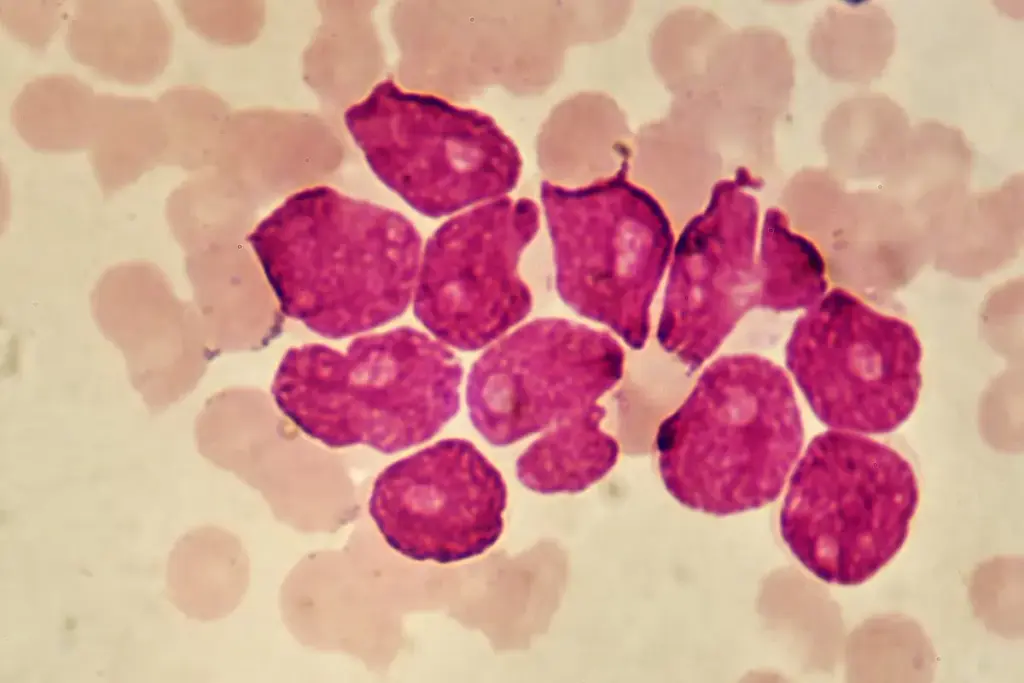
Can you do it again? Learn about a leukemia bone marrow transplant and whether a person can safely undergo a second procedure.
For those who relapse after a first bone marrow transplant, a second transplant might be an option. We dive into the details and latest survival rate data for this complex treatment.
A second bone marrow transplant is considered for patients with relapsed leukemia. Studies show that about 38% of patients survive for two years after this transplant.
It’s important to understand if a second transplant is possible and what the outcomes might be. We look at the latest research and data to shed light on this treatment choice.
Key Takeaways
- Recent data suggest a two-year survival rate of approximately 38% after a second bone marrow transplant.
- A second transplant is considered for patients who experience relapse after an initial transplant.
- The decision to undergo a second transplant involves complex considerations.
- Survival rates vary based on several factors, including patient health and disease status.
- Advances in multidisciplinary care have improved outcomes for select patients.
- A second transplant offers renewed hope for patients with relapsed leukemia.
Understanding Bone Marrow Transplants

Bone marrow transplants are key for treating leukemia and blood disorders. Knowing about them is vital when thinking about a second transplant.
A bone marrow transplant replaces a patient’s marrow with healthy cells. This can come from the patient (autologous) or a donor (allogenic). It’s a lifesaver for leukemia patients, getting rid of cancer and bringing back healthy marrow.
What is a bone marrow transplant?
This complex procedure needs careful planning and execution. It involves several steps: evaluation, conditioning, and transplantation. First, we check the patient’s health and choose the best transplant type. Then, we prepare the body with chemotherapy or radiation.
The transplant phase is when healthy marrow is infused into the patient. This can be a second chance at life for leukemia patients, leading to remission and better living.
Types of bone marrow transplants
There are many types of bone marrow transplants, each with its own benefits. The main ones are:
- Autologous bone marrow transplant: Uses the patient’s own marrow, which is treated and then given back.
- Allogenic bone marrow transplant: Uses marrow from a donor, who can be related or unrelated.
- Syngeneic bone marrow transplant: A rare transplant using marrow from an identical twin.
Knowing the different types is important for patients thinking about a second transplant. It helps them make the best choice for their treatment.
Leukemia Bone Marrow Transplant: The First-Line Approach
Bone marrow transplants are becoming a first choice for treating some leukemias. This method has shown great promise in bettering patient results.
How Bone Marrow Transplants Combat Leukemia
Bone marrow transplants replace sick bone marrow with healthy one. This can be from the patient (autologous transplant) or a donor (allogeneic transplant). This process:
- Gets rid of leukemia cells with strong chemotherapy and/or radiation
- Brings in healthy bone marrow cells to help blood cell production
- May lead to a graft-versus-leukemia effect, where donor immune cells fight leukemia
Success Rates for Initial Transplants by Leukemia Type
The success of bone marrow transplants varies by leukemia type. Here are some important facts:
- Acute Lymphoblastic Leukemia (ALL): Success rates are 40% to 60% for adults, with kids doing better.
- Acute Myeloid Leukemia (AML): Success rates are 30% to 50% for adults, based on risk and age.
- Chronic Lymphocytic Leukemia (CLL): Transplants are rare for CLL but can lead to long-term remission in some.
- Chronic Myeloid Leukemia (CML): With new treatments, transplants are now mainly for advanced or resistant CML.
When First Transplants Fail: Understanding Relapse
It’s key to know why leukemia comes back after a transplant. This is because it shows the disease is back. This is a big worry for doctors and patients.
Mechanisms of Leukemia Recurrence After Transplant
Leukemia can come back for many reasons. Sometimes, the treatment didn’t get rid of all the bad cells. Or, the body’s immune system can’t keep the cancer at bay for long.
Research shows that the body’s immune response is very important in fighting cancer cells. But, if this response is weak, cancer can come back.
Why leukemia comes back is complex. It depends on several things. These include how much cancer was left before the transplant, the type of leukemia, and the treatment used.
Timeframes for Relapse
The time it takes for leukemia to come back varies. The biggest risk is in the first year after the transplant. But, it can also come back later, so patients need to be checked for a long time.
|
Time Post-Transplant |
Relapse Risk |
|---|---|
|
0-1 year |
High |
|
1-2 years |
Moderate |
|
2+ years |
Low |
Knowing when relapse might happen helps doctors plan better care. It helps them meet the patient’s needs and manage their expectations.
Second Bone Marrow Transplant: Is It Possible?
A second bone marrow transplant might work for some, but it’s not a sure thing. It depends on many things. Doctors look at your past health, how you’re doing now, and the first transplant’s details.
Medical Precedent for Second Transplants
Studies show second transplants can work for some patients. Research has found that, in some cases, a second transplant can lead to remission and better survival chances. Doctors have set rules to figure out who might benefit from a second transplant.
Second Allogeneic Hematopoietic Stem Cell Transplant (alloHSCT)
A second transplant uses stem cells from a donor. It’s an option when the first transplant fails. The success of a second transplant depends on finding a good donor, the patient’s health, and the disease’s state.
Historical Perspective on Repeat Transplantation
Repeat bone marrow transplants have been studied for years. Results have been mixed, with some showing more risks and others better survival rates. Thanks to new tech and understanding transplant immunology, second transplants are looking more promising.
Medical Eligibility Criteria for Second Transplants
To get a second bone marrow transplant, many things are checked. These include physical health, age, and how well the disease is controlled. We look at these carefully to see if a second transplant is possible.
Physical Health Requirements
For a second transplant, patients need to be in good shape. This means:
- Adequate organ function: The heart, lungs, liver, and kidneys must work well.
- Absence of severe comorbidities: No serious health issues that could make the transplant harder.
Being physically healthy is key. It helps patients get through the transplant and recover well afterwards.
Age Considerations
Age is important when thinking about a second transplant. While age isn’t a big no, older patients may face higher risks. These risks include getting sick easily and problems with the immune system.
We look at how old a patient feels, not just how many years they’ve lived. This helps us see if they can handle the transplant.
Disease Status Assessment
The state of the disease is also key. Patients who are:
- In remission: Their disease is well-controlled or gone.
- With minimal residual disease: They have a small amount of disease left.
We check the disease status closely. This helps us guess how well the second transplant might work.
The Complete Evaluation Process
Deciding on a second bone marrow transplant is a big step. A team of experts carefully reviews each case. They check if a patient is ready for another transplant.
Transplant Team Assessment
The team looks at the patient’s past health and how they did after the first transplant. This is key to understanding the risks and benefits of a second transplant. Doctors, surgeons, and other specialists work together to assess the patient’s health.
Patient-Specific Risk-Benefit Analysis
Each patient’s situation is unique. The team does a detailed analysis of the risks and benefits. This analysis considers the patient’s medical history and personal wishes. It helps the team make a recommendation that’s right for the patient.
Psychological and Family Readiness
The team also checks if the patient and their family are ready for the transplant. This includes looking at the patient’s mental health and support system. The team helps the patient and their family prepare for what’s ahead.
This thorough evaluation helps ensure that only those who can benefit from a second transplant go through with it. The goal is to make the process as safe and effective as possible for each patient.
Survival Statistics for Second Transplants
Knowing the survival rates for second bone marrow transplants is key for patients and doctors. Recent data gives us insights into the success of this complex procedure.
Current Survival Rates
Research shows that about 38% of patients survive two years after a second transplant. This is a big deal. It shows how far medical care has come and the tough choices involved in a second transplant.
Disease-Free Survival
About 28% of patients stay disease-free two years after the transplant. This number is important. It tells us how many patients avoid their original disease after a second transplant.
Non-Relapse Mortality Rates
Non-relapse mortality rates are a worry, at around 22%. This rate shows the dangers of the transplant. It includes risks not linked to the original disease.
Relapse Incidence After Second Transplant
About 50% of patients relapse after a second transplant. Finding out why this happens is key to better results.
|
Statistic |
Rate/Percentage |
|---|---|
|
Two-Year Survival Rate |
38% |
|
Disease-Free Survival at Two Years |
28% |
|
Non-Relapse Mortality Rate |
22% |
|
Relapse Incidence After Second Transplant |
50% |
These numbers show how tough second bone marrow transplants are. While some patients do well, others face big challenges. It’s vital for patients and doctors to think carefully about these stats when deciding on a second transplant.
Positive Predictors for Second Transplant Success
Knowing what makes a second bone marrow transplant successful is key for both patients and doctors. Some factors can greatly affect how well a second transplant goes. It’s important to know and understand these factors.
Longer Interval Between First Relapse and Second Transplant
A longer wait between the first relapse and the second transplant leads to better results. This shows that when the second transplant happens matters a lot. Patients who wait longer before their second transplant often live longer.
Complete Remission Status Before Second Procedure
Being in complete remission before the second transplant is a good sign. Patients in complete remission have fewer relapses and live longer. This shows how important it is to treat well before the second transplant.
Younger Patient Age
Younger patients usually do better with a second transplant. Age matters because younger people often have fewer health problems. They also recover better from the transplant.
Absence of Prior Graft-Versus-Host Disease (GvHD)
Not having had GvHD before is also a good sign. GvHD can make the transplant harder. Patients without GvHD history usually recover faster and do better.
In summary, while a second bone marrow transplant is risky, knowing what helps can improve results. By looking at things like how long to wait, if the patient is in remission, their age, and GvHD history, doctors can make better choices. This can help make the transplant more likely to succeed.
Donor Selection Strategies for Second Transplants
Choosing the right donor is key for a second bone marrow transplant. It affects the transplant’s success and the patient’s future health and happiness.
Using the Original Donor
Deciding to use the original donor again is a big decision. It depends on how well the first transplant worked, if the donor is available, and if they’re willing to donate again. The original donor might be a good choice if they were a good match and the first transplant was somewhat successful.
But, using the same donor again depends on why the patient relapsed. If the relapse wasn’t because of the donor or the graft, using the original donor could be an option.
Alternative Donor Sources
If using the original donor isn’t possible, other donors must be considered. These include unrelated donors, family members who are only partially matched, or cord blood units. The right choice depends on how quickly the transplant needs to happen, the patient’s health, and if there are suitable donors available.
- Unrelated donors can be a good option if a suitable match is found.
- Haploidentical donors offer a chance, even if there’s a family member who is only partially matched.
- Cord blood units are useful for quick transplants.
Donor-Specific Factors Affecting Outcomes
Several factors about the donor can affect the transplant’s success. These include the donor’s age, health, and genetic match with the patient. A younger donor or one with a better genetic match may improve the chances of a successful transplant.
The donor’s willingness and ability to donate again are also important. The transplant team will look at these factors to find the best donor for the patient.
By carefully looking at these factors and considering both the original donor and other options, healthcare providers can make the best choice for a successful second bone marrow transplant.
Modified Conditioning Regimens for Second Transplants
When planning a second bone marrow transplant, the conditioning regimen is key. It prepares the body for the new marrow. We’ll look at the different conditioning regimens and their effects on second transplants.
Reduced-Intensity Conditioning Approaches
Reduced-intensity conditioning (RIC) is a good option for second transplants. It uses lower doses of chemotherapy and radiation. This makes it safer for older patients or those with health issues.
Benefits of RIC include:
- Lower risk of treatment-related mortality
- Reduced risk of graft-versus-host disease (GvHD)
- Preservation of the patient’s quality of life
Myeloablative vs. Non-Myeloablative Options
The choice between myeloablative and non-myeloablative regimens depends on several factors. Myeloablative uses high doses to wipe out the bone marrow. Non-myeloablative uses lower doses to just suppress the immune system.
Key considerations for myeloablative vs. non-myeloablative conditioning include:
- The patient’s age and overall health status
- The type and stage of the underlying disease
- Previous treatments and their outcomes
Novel Conditioning Strategies
Researchers are looking into new ways to improve second bone marrow transplant outcomes. They’re exploring targeted therapies, immunotherapies, and other innovative methods.
Some promising novel strategies include:
- Targeted therapies that selectively eliminate malignant cells
- Immunotherapies that enhance the graft-versus-tumor effect
- Personalized conditioning regimens based on patient-specific factors
The Second Transplant Procedure and Immediate Recovery
A second bone marrow transplant comes with its own set of challenges. It’s important for patients to understand these differences. This helps them prepare for the process and the recovery that follows.
Procedural Differences from First Transplant
The second transplant procedure may differ from the first in several ways. One key difference is the conditioning regimen, which can be adjusted based on the patient’s past response and current health. The donor selection process might also change, considering the availability of the original donor and the patient’s history with graft-versus-host disease (GvHD).
We look into alternative donor sources, like unrelated donors or cord blood units, if the original donor is not available or suitable. The choice of donor depends on several factors, including HLA matching, donor health, and the risk of GvHD.
Hospital Course Expectations
During the hospital stay after a second bone marrow transplant, patients are closely monitored. The hospital course may be longer or more complex than the first transplant, depending on the patient’s condition and response to the conditioning regimen.
Patients receive supportive care, including transfusions, antibiotics, and other medications. This is to manage symptoms and prevent complications. The healthcare team also guides patients on post-transplant care and follow-up appointments.
|
Aspect of Care |
First Transplant |
Second Transplant |
|---|---|---|
|
Conditioning Regimen |
Standard myeloablative |
May be adjusted to reduced-intensity |
|
Donor Selection |
Original donor or new donor |
Consideration of alternative donors |
|
Hospital Stay |
Typically 2-4 weeks |
May be longer due to complications |
|
Post-transplant Care |
Standard follow-up |
More frequent monitoring for complications |
Early Post-transplant Care
Early post-transplant care is key to managing complications and ensuring a smooth recovery. Patients are advised on signs of infection or GvHD to watch for. They are also reminded of the importance of sticking to their medication regimen.
Regular follow-up appointments are scheduled to monitor the patient’s progress. These appointments help adjust medications as needed and address any concerns or complications promptly.
Unique Complications After Second Transplants
Getting a second bone marrow transplant comes with its own set of challenges. These challenges are different from the first transplant. Patients face various complications that need careful attention and monitoring.
Heightened Risk of Severe Graft-Versus-Host Disease
One big risk after a second transplant is severe graft-versus-host disease (GvHD). GvHD happens when the donor’s immune cells attack the recipient’s body. This can lead to serious health problems. We watch patients closely for GvHD signs and work to lower the risk.
The risk factors for GvHD include:
- Donor-recipient HLA mismatch
- Previous history of GvHD
- Intensity of the conditioning regimen
Increased Infection Vulnerability
Patients after a second transplant are more likely to get infections. This is because they are immunosuppressed for a longer time. We manage this risk by:
- Using prophylactic antibiotics and antifungals
- Watching for infection signs
- Following strict infection control rules
Organ Toxicity Concerns
Organ toxicity is another worry after a second transplant. The conditioning regimen can harm vital organs like the liver, lungs, and heart. We check organ function before the transplant and watch patients closely during recovery.
“The conditioning regimen used for second transplants can be more intense, increasing the risk of organ toxicity. Careful patient selection and monitoring are critical.” – Transplant Specialist
Psychological and Emotional Challenges
The mental and emotional impact of a second transplant is significant. Patients often feel anxious, depressed, and scared. We offer counseling and psychological support to help them cope.
Understanding these complications helps us prepare patients for a second transplant. Our team provides personalized care and support throughout the transplant process.
Long-Term Recovery and Follow-Up Care
Recovery and follow-up care are key for those who have had a second bone marrow transplant. The time after the transplant is critical. We watch and manage patients closely to get the best results.
Extended Immune Reconstitution Timeline
The time it takes for the immune system to recover after a second transplant can be longer. We keep a close eye on patients for signs of immune recovery. This is important to prevent infections and help the body fight off diseases.
Chronic Health Management
Managing chronic health is a big part of long-term care. We help patients deal with ongoing health problems, like graft-versus-host disease (GvHD). We also work to lessen the long-term effects of the transplant.
Surveillance for Secondary Malignancies
Watching for secondary cancers is a big part of follow-up care. We do regular checks and assessments to catch any problems early. This allows us to act quickly.
Quality of Life Considerations
Quality of life is very important in long-term recovery. We support patients in taking care of their physical and emotional health. We offer resources and advice to help them deal with life after the transplant.
|
Aspect of Care |
Description |
Timeline |
|---|---|---|
|
Immune Reconstitution |
Monitoring and support for immune system recovery |
Several months to years |
|
Chronic Health Management |
Ongoing management of health issues like GvHD |
Ongoing, potentially lifelong |
|
Surveillance for Secondary Malignancies |
Regular screenings for new cancers |
Ongoing, as recommended by guidelines |
|
Quality of Life Support |
Support for physical and emotional well-being |
Ongoing, as needed |
Financial Navigation for Second Transplants
Dealing with the financial side of a second transplant is tough. It involves many parts that can affect a patient’s and their family’s money situation.
Insurance Coverage Challenges
One big challenge is getting insurance to cover the costs. Patients often struggle to get their insurance to pay for a second bone marrow transplant. Pre-approval, policy limits, and denials are common issues.
To tackle these problems, patients should:
- Check their insurance policy carefully
- Know what’s covered and what’s not
- Work with their healthcare team’s financial advisors
A financial counselor at a top cancer center said,
“It’s key to understand insurance. Patients should ask questions and get clear answers on their policy.”
Financial Assistance Programs
Financial help programs are vital for managing transplant costs. They offer support for:
|
Program Type |
Description |
Potential Benefits |
|---|---|---|
|
Patient Assistance Programs |
Help with medication costs from drug companies |
Lower or no medication costs |
|
Non-Profit Organizations |
Give financial aid for transplant care |
Grants for transplant costs |
|
Government Programs |
Include Medicaid, Medicare, and state programs |
Cover transplant procedures and care |
Long-Term Financial Planning
Planning for the long term is key for second transplant patients. Costs go beyond the transplant itself. They include follow-up care, possible complications, and lost income from recovery.
To handle these long-term costs, patients should:
- Make a budget for ongoing medical bills
- Look into disability benefits if needed
- Use tax-advantaged savings like Health Savings Accounts (HSAs)
Talking about finances with your healthcare team is also important. They can help find resources and support.
Alternative Treatments When Second Transplant Isn’t Viable
When a second bone marrow transplant isn’t viable, several alternative treatments can be considered. For patients facing leukemia relapse after a bone marrow transplant, these alternatives offer new hope and pathways to recovery.
CAR T-cell Therapy for Relapsed Leukemia
CAR T-cell therapy is a revolutionary treatment. It involves modifying a patient’s T-cells to recognize and attack cancer cells. This therapy has shown significant promise in treating relapsed or refractory leukemia.
Key Benefits of CAR T-cell Therapy:
- Potential for long-term remission
- Targeted approach to killing cancer cells
- Reduced need for chemotherapy
Novel Targeted Therapies
Novel targeted therapies offer another alternative for patients who are not candidates for a second bone marrow transplant. These therapies are designed to target specific molecular mechanisms involved in leukemia progression.
|
Therapy Type |
Mechanism of Action |
Potential Benefits |
|---|---|---|
|
Tyrosine Kinase Inhibitors |
Inhibit specific enzymes involved in cancer cell growth |
Reduced cancer cell proliferation |
|
Monoclonal Antibodies |
Target specific proteins on cancer cells |
Enhanced immune response against cancer |
Clinical Trial Opportunities
Participating in clinical trials can provide access to innovative treatments not yet widely available. These trials are critical for advancing leukemia treatment. They offer patients the chance to receive cutting-edge care.
Clinical trials can be a viable option for patients who have exhausted standard treatment options.
Palliative and Supportive Care Approaches
Palliative and supportive care focus on improving the quality of life for patients with serious illnesses. These approaches address symptoms, pain, and stress. They provide care beyond disease-directed treatments.
For patients with relapsed leukemia, palliative care is essential. It ensures they receive the support needed to manage their condition effectively.
Real Patient Experiences with Second Transplants
Real patient experiences with second bone marrow transplants show a mix of emotions and challenges. These stories give insight into the medical side and the personal journeys of patients and their families.
Success Stories and Positive Outcomes
Many patients have successfully gone through a second bone marrow transplant. They have achieved remission and rebuilt their lives. For example, a patient might say,
“After my second transplant, I felt a renewed sense of purpose. The journey was tough, but it’s been a year now, and I’m back to enjoying activities I love.”
Thesesuccess storiesgive hope and inspiration to others facing similar challenges.
Challenges and Coping Strategies
The journey to a successful second transplant is not easy. Patients face risks of graft-versus-host disease, infections, and organ toxicity. To cope, many use support groups, counseling, and family support. As one patient noted,
“The emotional rollercoaster was intense, but having a strong support system made all the difference. We were not alone.”
Usingcoping strategieslike mindfulness, meditation, and staying connected with loved ones helps patients face these challenges.
Lessons Learned from Patient Journeys
Patient experiences highlight the need for a complete care plan. This includes medical treatment, psychological support, and lifestyle adjustments. A key lesson is the importance of proactive health monitoring and managing chronic health issues. As patients share their experiences, they become advocates for others, helping those who follow in their footsteps.
Support Resources for Patients and Families
For patients and families going through a second bone marrow transplant, many support resources are available. These include patient advocacy groups, online forums, counseling services, and financial assistance programs. Using these resources can provide critical support, easing some of the transplant process’s burdens.
By sharing real patient experiences, we aim to shed light on the complexities and rewards of second bone marrow transplants. These stories show the resilience of patients and the importance of complete care in achieving positive outcomes.
Conclusion: Making an Informed Decision About Second Transplants
Deciding on a second bone marrow transplant is a big decision. It involves looking at many factors. We’ve talked about decision-making for second bone marrow transplant, including survival rates and possible complications.
Patients and their families need to know the risks and benefits of a second transplant. It’s important to understand the outcomes of second transplants. This helps in giving informed consent.
Factors like longer remission after the first transplant and no chronic GvHD before the second transplant help improve survival. By considering these factors, patients can make informed choices about a second transplant. We stress the need for a thorough evaluation and personalized care in this decision-making process.
FAQ
What is a bone marrow transplant, and how does it relate to leukemia treatment?
A bone marrow transplant replaces a patient’s bone marrow with healthy marrow. This can be from the patient themselves or a donor. It’s a key treatment for leukemia, aiming for a cure or long-term remission.
Can a person have a second bone marrow transplant if they relapse after the first transplant?
Yes, a second transplant is an option for those who relapse. But, it’s a complex decision. It depends on the patient’s health, disease status, and previous transplant details.
What are the eligibility criteria for a second bone marrow transplant?
To get a second transplant, patients need to be in good health and the right age. They must also have a favorable disease status. A detailed evaluation by the transplant team is required to check if they qualify.
What are the survival statistics for patients undergoing a second bone marrow transplant?
Studies show a two-year survival rate of about 38% for second transplants. Disease-free survival at two years is around 28%. Non-relapse mortality is 22%, and relapse incidence is 50% after the second transplant.
What factors predict a successful outcome for a second bone marrow transplant?
Success is more likely with a longer gap between relapses and the transplant. Being in complete remission before the second transplant also helps. Younger age and no prior graft-versus-host disease are other positive factors.
How is the donor selected for a second bone marrow transplant?
Donor selection for a second transplant considers the original donor or finding new ones. The choice depends on donor availability, compatibility, and characteristics that might affect the transplant’s success.
What are the unique complications associated with second bone marrow transplants?
Second transplants face unique challenges. These include a higher risk of severe graft-versus-host disease and increased infection risk. There are also concerns about organ toxicity and the emotional toll.
What alternative treatments are available if a second bone marrow transplant is not feasible?
If a second transplant isn’t possible, patients have other options. These include CAR T-cell therapy, new targeted therapies, clinical trials, and supportive care.
How does the conditioning regimen impact the outcome of a second bone marrow transplant?
The conditioning regimen before a second transplant is critical. It can be reduced-intensity or myeloablative. New strategies are also being explored to improve outcomes.
What are the financial implications of undergoing a second bone marrow transplant?
The cost of a second transplant is high. It includes insurance issues, the need for financial help, and long-term financial planning.
References
National Center for Biotechnology Information. Evidence-Based Medical Insight. Retrieved from https://pmc.ncbi.nlm.nih.gov/articles/PMC12259759/