
Plan your future. Discover the leukemia survival rate and the latest information on how long you can live with this condition today.
Being diagnosed with leukemia can change your life. But knowing the prognosis and survival rates can give you hope. Thanks to new treatments, leukemia survival rates have gotten much better.
In the U.S., the 5-year survival rate for all leukemia types is about 68%. But, survival chances depend on the leukemia type, your age, and how well you respond to treatment. At livhospital.com, we aim to provide top-notch healthcare. We support international patients, aiming to improve care and set new standards.
Key Takeaways
- The overall 5-year survival rate for leukemia in the U.S. is approximately 68%.
- Survival rates vary significantly based on the type of leukemia, age, and treatment response.
- Advances in medical treatment have improved leukemia prognosis.
- Modern healthcare networks enhance patient outcomes and care.
- Comprehensive support is key for international patients seeking advanced medical treatments.
Understanding Leukemia: A Brief Overview
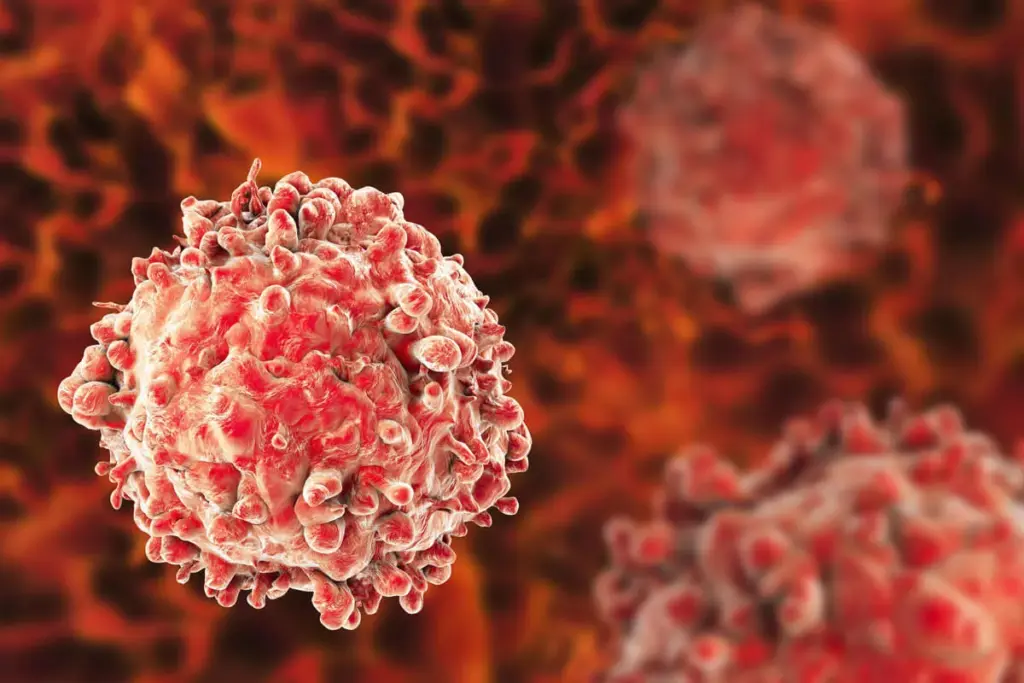
To understand leukemia, we must start with the basics. It’s a blood cancer that affects the bone marrow and blood cells. It’s caused by abnormal growth of white blood cells, which are key for our immune system.
What is Leukemia and How Does it Develop?
Leukemia happens when the bone marrow makes bad white blood cells. These cells take over, making it hard for the body to fight off infections. The Surveillance, Epidemiology, and End Results (SEER) group says leukemia is based on the type of cell affected and how fast it grows.
We don’t know exactly why leukemia happens. But things like genetic changes, radiation, and chemicals can increase the risk.
Common Signs and Symptoms
It’s important to know the signs of leukemia to catch it early. Common symptoms include:
- Fatigue and weakness
- Frequent infections
- Easy bruising or bleeding
- Pain in the bones or joints
- Swollen lymph nodes or spleen
These symptoms can look like other illnesses. So, getting a proper diagnosis is key. Doctors use blood tests and bone marrow biopsies to diagnose leukemia.
Doctors say, “Finding leukemia early is key to better treatment and outcomes.”
|
Symptom |
Description |
|---|---|
|
Fatigue |
A persistent feeling of tiredness or weakness |
|
Infections |
Frequent or recurring infections due to a weakened immune system |
|
Bruising/Bleeding |
Easy bruising or bleeding due to low platelet counts |
Types of Leukemia and Their Distinct Characteristics

It’s important to know the different types of leukemia to create effective treatment plans. Leukemia is divided based on how fast it grows and the type of cells it affects.
Acute vs. Chronic Leukemia
Leukemia is mainly split into acute and chronic types. Acute leukemia grows fast and needs quick treatment. Chronic leukemia grows slower, allowing for a more gradual treatment plan.
Acute leukemia has fast-growing immature cells, leading to severe symptoms if untreated. Chronic leukemia has mature cells and grows slower.
Lymphocytic vs. Myeloid Leukemia
Leukemia is also divided into lymphocytic and myeloid types. Lymphocytic leukemia affects immune cells, while myeloid leukemia affects cells that make blood cells.
The main types of leukemia are:
|
Type of Leukemia |
Cell Type Affected |
Disease Progression |
|---|---|---|
|
Acute Lymphocytic Leukemia (ALL) |
Lymphoid cells |
Rapid |
|
Acute Myeloid Leukemia (AML) |
Myeloid cells |
Rapid |
|
Chronic Lymphocytic Leukemia (CLL) |
Lymphoid cells |
Slow |
|
Chronic Myeloid Leukemia (CML) |
Myeloid cells |
Slow |
Knowing these differences helps tailor treatments to each type of leukemia. This improves patient outcomes.
Answering the Key Question: How Long Can You Live with Leukemia?
To understand how long one can live with leukemia, we need to look at several factors. Leukemia is a complex disease. Its prognosis and survival rates vary based on the type, age, and overall health of the patient.
General Survival Timeframes
Thanks to new treatments, leukemia survival rates have improved. For example, the 5-year survival rate for Acute Lymphocytic Leukemia (ALL) is about 73%. Children with ALL have a higher survival rate than adults.
Factors That Influence Survival Duration
Several factors affect how long leukemia patients can live. These include:
- Age at Diagnosis: Younger patients usually have better survival rates than older ones.
- Type of Leukemia: The type of leukemia (acute or chronic, lymphocytic or myeloid) greatly affects the prognosis.
- Overall Health: Patients with fewer health problems and better overall health tend to have better outcomes.
The Reality of Individual Variation
It’s important to remember that individual variation is key in leukemia survival rates. While general statistics give a broad view, individual outcomes can vary a lot. This is due to genetic factors, response to treatment, and other personal health factors.
|
Leukemia Type |
5-Year Survival Rate |
|---|---|
|
ALL (Children) |
90% |
|
ALL (Adults) |
68% |
|
AML (Children) |
65-70% |
|
AML (Adults) |
40% |
|
CLL |
85% |
|
CML |
70-80% |
Overall Leukemia Survival Rate in the United States
The 5-year survival rate for all leukemias in the U.S. is about 68%. This shows big progress in treatments and care. It’s thanks to better research and therapies over the years.
Current Statistics and Trends
Leukemia survival rates change based on the type, age, and health. The 5-year survival rate has gone up, giving hope to those with leukemia.
More people are living longer after diagnosis. This is thanks to new therapies and better treatment plans.
Historical Improvements in Survival Rates
Leukemia survival rates have greatly improved over time. New therapies have changed the outlook for many patients. For example, targeted therapies have greatly improved survival for some leukemia types.
Thanks to research and better treatments, survival rates have risen over decades.
California Leukemia Incidence and Outcomes (2019-2023)
In California, from 2019 to 2023, there were about 4,000 new leukemia cases. The data shows how well treatments work and how common the disease is.
California’s survival rates match the national average. But, they can vary by leukemia type and who gets it.
Acute Lymphocytic Leukemia (ALL) Survival Rates
Acute Lymphocytic Leukemia (ALL) is a blood and bone marrow cancer. Knowing its survival rates is key for patients and their families. It’s caused by too many immature white blood cells, which can be dangerous if not treated fast.
Survival Rates in Children
Children with ALL have seen big improvements in survival rates. The 5-year survival rate for children with ALL is nearly 90%. This is thanks to better treatments and care.
Survival Rates in Adults
Adults with ALL face a tougher battle. The 5-year survival rate for ALL in adults is about 73%. This rate can change based on age, genetic issues, and how well treatment works.
Factors Affecting ALL Prognosis
Many things can change a patient’s ALL prognosis. These include:
- Age at diagnosis: Younger patients usually do better.
- Genetic and chromosomal abnormalities: Some changes can make the disease worse or harder to treat.
- Response to initial treatment: Quick remission means better chances of long-term survival.
|
Age Group |
5-Year Survival Rate |
|---|---|
|
Children (<20 years) |
90% |
|
Adults (20-59 years) |
73% |
|
Older Adults (60+ years) |
40% |
Knowing these factors and survival rates helps patients and families make better choices. Always talk to healthcare experts for personal advice and support.
Acute Myeloid Leukemia (AML) Survival Rates
Knowing the survival rates for Acute Myeloid Leukemia (AML) is key for patients and their families. AML is a serious blood cancer that affects both kids and adults.
Childhood AML Survival Rates
AML in kids has a 5-year survival rate of 65-70% in recent studies. This better rate comes from new treatments and care improvements.
The survival rate for kids with AML changes based on age, genetic issues, and how well they first respond to treatment. Younger kids, under 2, usually have a better chance of survival.
Adult AML Survival Rates
Adults with AML have lower survival rates than kids. The 5-year survival rate for adults is about 40%. But, it can change a lot based on age and health.
Adults under 60 tend to have a better outlook, with some studies showing a 5-year survival rate of up to 50%. But, older adults face a lower survival rate because of other health issues and less ability to handle strong chemotherapy.
Acute Leukemia Prognosis Factors
Many things affect how well AML patients do, like genetic changes, age, and how well they first respond to treatment.
Some genetic mutations can greatly change the outlook. For example, those with good genetic profiles usually do better, while those with bad ones face tougher challenges.
|
Age Group |
5-Year Survival Rate |
|---|---|
|
Children (0-19) |
65-70% |
|
Adults (20-59) |
40-50% |
|
Older Adults (60+) |
10-20% |
Chronic Lymphocytic Leukemia (CLL) Survival Rates
CLL is a common leukemia in adults. Its survival rates vary based on several factors, like staging and age. We’ll dive into these factors to understand their impact on patient outcomes.
Staging and Its Impact on Survival
The staging of CLL is key in determining survival rates. The Rai and Binet systems are used to classify it. Early-stage CLL usually has a better prognosis than advanced stages.
The stage at diagnosis greatly affects treatment and survival. Advanced CLL needs more aggressive and targeted treatments.
Age-Related Considerations
Age is a big factor in CLL survival rates. Older adults often face a poorer prognosis due to comorbidities and less tolerance to treatments. Understanding age-related factors is essential for creating effective treatment plans.
Younger patients, though, may handle more intensive treatments better. This could lead to improved survival rates for them.
Treatment Response Patterns
The response to treatment is critical in CLL survival rates. Patients who respond well to treatments generally have better outcomes. Targeted therapies and immunotherapies have shown great promise in improving treatment response.
Monitoring treatment response closely helps healthcare providers adjust treatment plans. This can potentially improve survival rates.
Chronic Myeloid Leukemia (CML) Survival Rates
Targeted therapies have changed how we treat CML, leading to better survival rates. CML is a cancer that affects white blood cells and grows slowly. Before targeted therapies, CML was hard to treat. But now, thanks to these new treatments, survival chances have greatly improved.
Impact of Targeted Therapies
Targeted therapies have been a big help in treating CML. They focus on killing cancer cells without harming healthy ones. Tyrosine kinase inhibitors (TKIs) are a key part of these therapies. They work by stopping a protein that helps leukemia cells grow.
TKIs have made CML a manageable disease for many. Studies show that patients on TKIs live longer than those on older treatments.
Long-term Survival Expectations
Thanks to targeted therapies, CML patients now have a better chance of living long lives. Long-term survival is now possible for many. The five-year survival rate for CML patients has gone up a lot, even to the point of being similar to the general population for some.
Early diagnosis and the right treatment are key to long survival. Patients who do well on TKIs can get to a “deep molecular response.” This means very few or no leukemia cells are left.
Monitoring Treatment Success
It’s important to keep track of how well CML treatment is working. Regular checks help doctors see if the treatment is effective and make changes if needed. Molecular monitoring through tests like quantitative PCR (Polymerase Chain Reaction) is used to check BCR-ABL1 levels, a gene linked to CML.
- Regular blood tests to check for BCR-ABL1 levels.
- Bone marrow biopsies to assess the extent of disease.
- Imaging tests to check for any signs of disease progression.
By watching how treatment works, doctors can adjust plans to fit each patient’s needs. This helps get the best results.
Is Leukemia Curable? Understanding Remission and Cure
Leukemia’s curability changes a lot depending on the type. It’s important to look at remission rates and survival chances. The idea of a “cure” in leukemia is complex. It depends on the leukemia type, the stage at diagnosis, and how well the treatment works.
Defining Cure in Leukemia
A cure in leukemia means the disease is gone, and the patient can live a normal life without it coming back. But, the word “cure” can be tricky. Some patients might have tiny amounts of disease left that we can’t find yet.
We call it “remission” when leukemia is controlled and there’s no sign of the disease. Remission can be either complete or partial, depending on how much the disease is reduced.
Remission Rates by Leukemia Type
Remission rates differ a lot between different leukemia types. For example:
- Acute Lymphocytic Leukemia (ALL): Kids with ALL often get remission rates over 90%. Adults usually see rates between 60% and 80%.
- Acute Myeloid Leukemia (AML): AML’s remission rates are generally lower. Adults might get complete remission in 50% to 70% of cases.
- Chronic Lymphocytic Leukemia (CLL): CLL tends to progress slowly. Remission rates vary based on how advanced the disease is and how well it responds to treatment.
- Chronic Myeloid Leukemia (CML): Thanks to new treatments, CML patients often get high remission rates and can live a long time.
Long-term Survival Without Disease
Surviving without the disease coming back is a big win in leukemia treatment. New treatments, like targeted therapies and immunotherapies, have greatly improved survival chances for many patients.
For instance, CML patients on tyrosine kinase inhibitors can live almost as long as healthy people. Some ALL patients, mainly kids, can be cured with strong chemotherapy.
We keep seeing better treatments for leukemia. This gives us hope for better remission rates and longer survival for all leukemia types.
Key Factors That Influence Leukemia Survival
Leukemia survival rates depend on several key factors. It’s important for patients and doctors to understand these to make the best treatment choices.
Age at Diagnosis
Age at diagnosis is a big factor in leukemia survival. Older adults usually have lower survival rates than younger people. This is because older adults often have other health issues and weaker immune systems.
Older patients may not handle strong chemotherapy as well. They also face a higher risk of side effects from treatment. So, treatment plans are made to fit each person’s age and health.
Genetic and Chromosomal Abnormalities
Genetic and chromosomal changes are very important for leukemia prognosis. Some genetic mutations make the disease more aggressive or harder to treat. For example, certain genetic changes can mean a better or worse outlook.
We use special tests to find these genetic changes. This helps us decide the best treatment for each patient. Knowing the leukemia’s genetic makeup is key to choosing the right therapy.
Overall Health and Comorbidities
A patient’s overall health and any existing health conditions greatly affect their leukemia survival. People with other health issues, like heart disease or diabetes, may find treatment harder. These conditions can influence the treatment options and how well a patient can handle certain therapies.
We take a patient’s overall health into account when planning treatment. We aim to find a balance between treating the leukemia and managing other health issues.
Treatment Options and Their Impact on Survival Outcomes
Effective treatments are key to improving leukemia survival rates. The right treatment depends on many factors. These include the leukemia type and stage, the patient’s age, and overall health.
Standard Treatment Approaches
Leukemia treatments include chemotherapy, targeted therapy, and stem cell transplantation. Chemotherapy uses drugs to kill cancer cells. Targeted therapy focuses on specific cancer cells, protecting healthy ones.
- Chemotherapy: a systemic treatment that can be used alone or in combination with other therapies.
- Targeted therapy: a treatment that targets specific cancer cells, minimizing damage to healthy cells.
- Stem cell transplantation: a procedure that replaces damaged stem cells with healthy ones, potentially leading to long-term remission.
Success Rate of Different Leukemia Treatments
The success of leukemia treatments varies. It depends on the leukemia type, patient factors, and treatment choice. Targeted therapies and stem cell transplantation have greatly improved outcomes.
|
Treatment Approach |
Success Rate |
Factors Influencing Success |
|---|---|---|
|
Chemotherapy |
50-70% |
Patient age, overall health, leukemia type |
|
Targeted Therapy |
70-90% |
Specific genetic mutations, treatment response |
|
Stem Cell Transplantation |
40-60% |
Donor match, patient health, disease status |
Treatment Complications and Management
Treatment for leukemia can cause complications like infections, bleeding, and organ damage. It’s vital to manage these issues to achieve the best results.
To handle these complications, we:
- Keep a close eye on patients during and after treatment.
- Use supportive care, like antibiotics and transfusions.
- Adjust treatment plans to reduce side effects.
Breakthrough Therapies Improving Leukemia Survival
The treatment of leukemia is changing fast with new therapies. These new methods are not just making patients live longer. They are also making their lives better. We are entering a new time in fighting leukemia, thanks to medical progress and new technology.
Targeted Therapies
Targeted therapies are key in fighting leukemia. They aim to hit cancer cells without harming healthy ones. Tyrosine kinase inhibitors (TKIs) have changed how we treat Chronic Myeloid Leukemia (CML). They target proteins that help cancer cells grow.
These therapies are showing great promise. They work by targeting the specific causes of leukemia. This makes them more effective and less harsh than old treatments.
Immunotherapies
Immunotherapies are another big step forward. They use the body’s immune system to fight cancer. CAR-T cell therapy changes T cells to attack leukemia. It has worked well for some patients, giving them new hope.
Immunotherapies are not just helping patients live longer. They also offer a chance for long-term recovery. As research grows, we’ll see even more new ways to fight cancer.
Stem Cell Transplantation Advances
Stem cell transplants are a big help for many leukemia patients. New techniques and better matching have made these transplants safer. Haploidentical stem cell transplantation has also opened up more donor options.
Also, caring for patients after transplants has gotten better. This has lowered the chance of serious problems. We’re always working to make stem cell transplants safer and more effective.
Special Considerations for Pediatric Leukemia Patients
Children with leukemia face many challenges. They need special treatment and care. It’s important to understand their unique needs.
Unique Treatment Approaches
Pediatric leukemia treatment is tailored for kids. It considers their age, health, and leukemia type. Treatment often includes chemotherapy, targeted therapy, and stem cell transplantation. These are chosen to reduce long-term effects and improve results.
Children’s bodies are different from adults. Their treatment response can vary. Pediatric oncology is a specialized field. It keeps evolving with new research and trials.
Childhood Leukemia Survival Rate Improvements
The childhood leukemia survival rate has improved a lot. This is thanks to medical science advances and better treatments. Recent studies show a big increase in survival rates, giving hope to families.
These improvements come from better disease understanding, precise diagnostics, and new treatments. The progress in pediatric leukemia treatment shows the hard work of healthcare professionals and researchers. They are dedicated to better outcomes for children with cancer.
Long-term Effects and Survivorship
As survival rates go up, we focus more on long-term effects. Survivors might face growth issues, higher cancer risks, and other health problems. Long-term follow-up care is key to manage these effects and help survivors live healthy lives.
We stress the need for a care plan that lasts beyond treatment. It should address each child’s needs as they grow up. This way, we can enhance the quality of life for leukemia survivors.
Living with Leukemia: Quality of Life Considerations
For those with leukemia, keeping a good quality of life is key. Dealing with leukemia brings many challenges. These affect not just the body but also the mind and social life.
Managing Side Effects
It’s vital to manage leukemia treatment side effects to keep quality of life high. Common issues include feeling tired, nauseous, and more prone to infections. Effective management strategies can greatly improve comfort and daily activities.
- Medications to alleviate nausea and pain
- Lifestyle adjustments, such as dietary changes and rest
- Monitoring and managing infections promptly
One patient said, “The right support and treatment adjustments made a huge difference in my ability to manage side effects and continue with my daily life.” This shows how important personalized care is in managing leukemia.
Psychological and Emotional Support
The emotional toll of a leukemia diagnosis is significant. Patients often feel anxious, depressed, and worried about the future. Psychological support is key to dealing with these feelings.
“Counseling and support groups played a critical role in my journey with leukemia. They gave me a safe place to share my feelings and connect with others who understood me.”
Support can be given in many ways, including:
- Counseling or therapy sessions
- Support groups, either in-person or online
- Family and friends who offer emotional support
Maintaining Daily Activities During Treatment
Keeping up with daily activities as much as possible is important. Pacing activities and adjusting as needed helps manage fatigue and side effects.
Patients should:
- Prioritize tasks and break them into manageable chunks
- Take regular breaks to rest
- Stay connected with friends and family to maintain social support
By focusing on these areas, patients with leukemia can better handle their diagnosis and treatment. This improves their overall quality of life.
Conclusion: Navigating Life After a Leukemia Diagnosis
Life after a leukemia diagnosis can be tough. But knowing about survival rates and treatments is key. Thanks to new therapies, survival chances and quality of life have gotten better. We’ve looked at the different types of leukemia and how they affect survival.
Survival rates depend on the leukemia type, age, and health. Treatments like targeted therapies and stem cell transplants are showing great promise. As we learn more and develop new treatments, patients can look forward to better lives.
Patients can make better choices by understanding leukemia and the healthcare system. It’s important to focus on all aspects of care, not just the medical. With the right support, patients can face life after a leukemia diagnosis with hope.
FAQ
What is the overall 5-year survival rate for leukemia in the U.S.?
The 5-year survival rate for leukemia in the U.S. changes based on the type and age of the patient. It’s about 65-70% for all types combined.
Is leukemia curable, and what does cure mean in the context of leukemia?
Leukemia can be curable in some cases. A cure means living without the disease for a long time.
How do different types of leukemia affect survival rates?
Different types of leukemia, like acute and chronic, affect survival rates differently. This is because each type has unique characteristics.
What factors influence leukemia survival rates?
Survival rates are influenced by age, genetic changes, overall health, and other conditions.
How has the survival rate for leukemia changed over time?
Survival rates have improved over the years. This is thanks to new treatments like targeted therapies and stem cell transplants.
What are the survival rates for Acute Lymphocytic Leukemia (ALL) in children and adults?
Children with ALL often have a survival rate over 90%. Adults have a lower rate, between 40-70%, depending on several factors.
What are the survival rates for Acute Myeloid Leukemia (AML) in children and adults?
AML survival rates vary. Children have a rate of 60-70%. Adults have a rate of 20-50%, or more, based on age and genetic factors.
How do treatment options impact leukemia survival outcomes?
Treatment options greatly affect survival. Some treatments work better than others, leading to higher success rates.
What is the impact of targeted therapies on Chronic Myeloid Leukemia (CML) survival?
Targeted therapies have greatly improved CML survival. Many patients now live long, normal lives.
How does age affect leukemia survival rates?
Age is a big factor in survival. Younger patients usually have better rates than older ones, who face more challenges.
What are the long-term effects of leukemia treatment, specially in pediatric patients?
Treatment can cause long-term physical and mental challenges, more so in children. They may face late effects from therapy.
Can leukemia be cured with current treatments, and what are the remission rates?
Some leukemia types can be cured with today’s treatments. Remission rates vary by type. For example, ALL in children has high rates, while CLL and CML can achieve long-term remission.
What is the leukemia survival rate in California from 2019 to 2023?
Leukemia survival rates in California from 2019 to 2023 may show changes. This reflects improvements in treatment and outcomes.
How important is complete care and support for leukemia patients?
Complete care and support are key for leukemia patients. It includes medical treatment and emotional support to improve life and survival.
References
National Center for Biotechnology Information. Evidence-Based Medical Insight. Retrieved from https://pmc.ncbi.nlm.nih.gov/articles/PMC11966364/